Lunch gear creates clutter because it travels between rooms.
A water bottle starts in the kitchen, goes into a backpack, returns to the sink, dries on the counter, and somehow ends up in a cabinet with six other bottles. Lunchboxes collect near the door. Reusable grocery bags multiply in drawers. Small lids disappear.
The solution is to organize around the pack → leave → return → wash → dry → reset loop.
Choose one lunch-packing zone
Keep lunchboxes, snack containers, wraps, and frequently used bottles close to the counter where lunches are assembled.
They do not need to be stored together by material. They need to be close to the task.
Limit water bottles by person and purpose
Give each household member the bottles they actually use: perhaps one everyday bottle plus one backup or sports bottle.
When bottles overflow the assigned shelf, remove promotional, damaged, or rarely chosen ones before expanding storage.
Store bottles upright when possible
Upright storage makes shapes visible and reduces the need to stack. Use a shelf, bin, or divider only if it improves access in your cabinet.
Keep lids with their systems
Small lids and straws are easy to lose. Use one shallow bin or drawer section for reusable bottle parts and one for food-container lids. If you are working on the same space, How to Organize a Small Fridge for a Busy Family Without Losing Food in the Back covers the next decision in more detail.
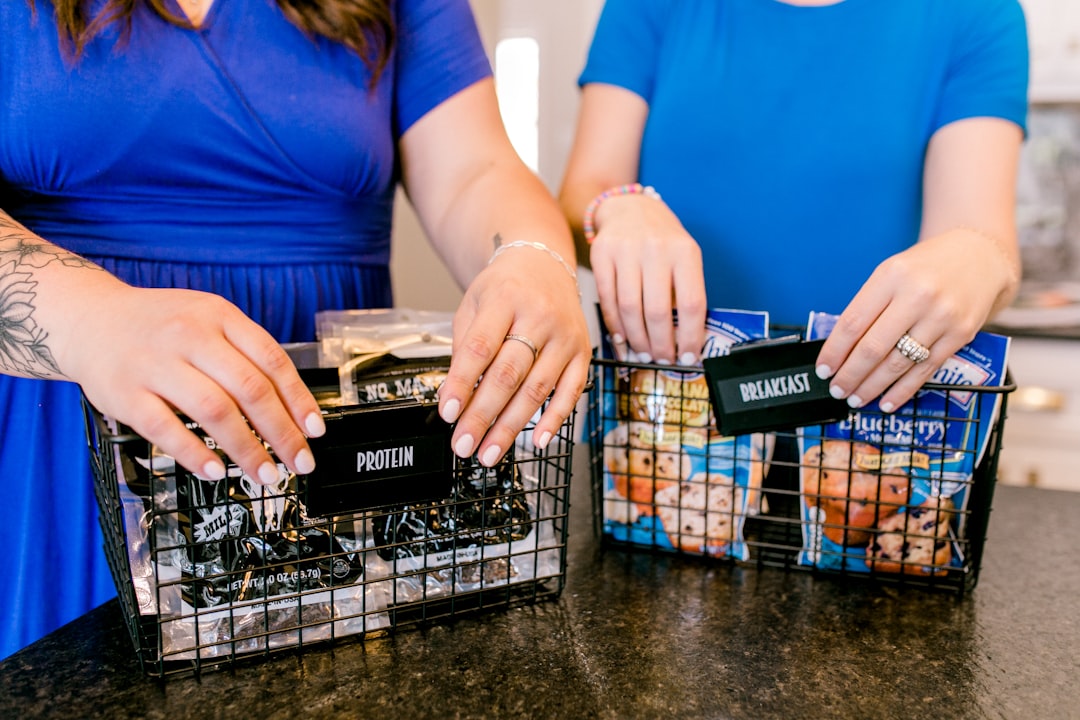
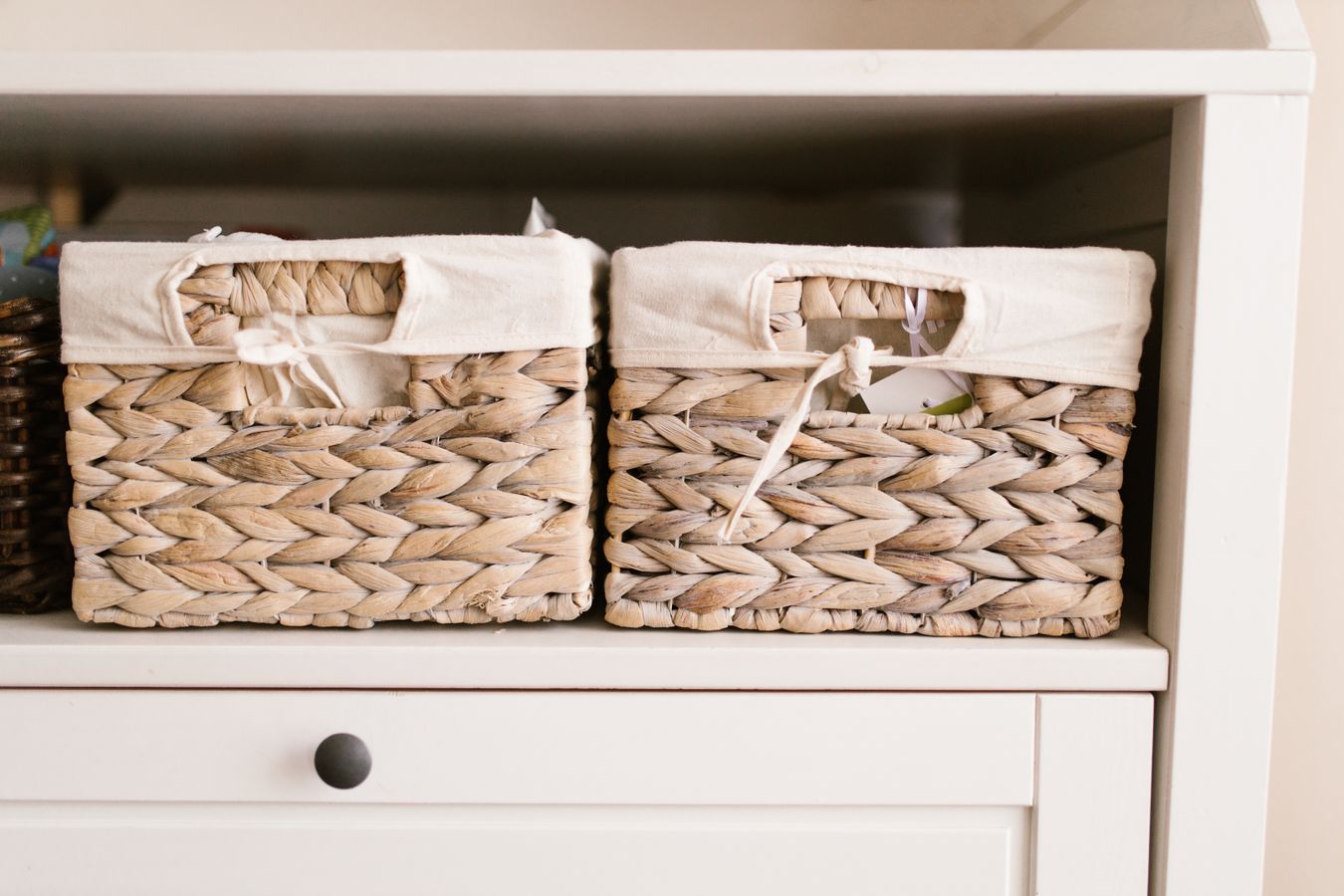
Lunchboxes need a dry parking place
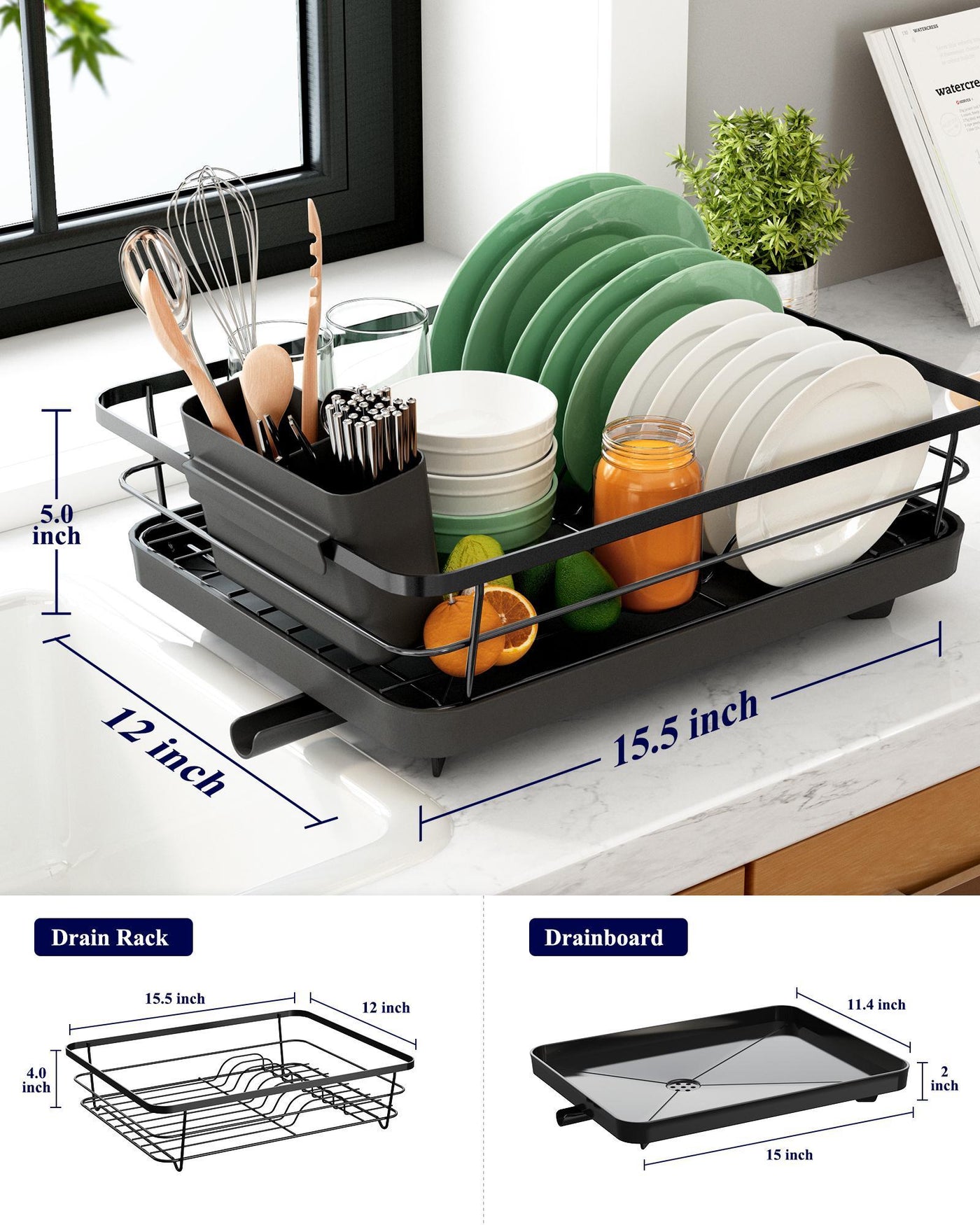
After washing, let lunchboxes dry appropriately before closing and storing them. Give clean lunchboxes one shelf, basket, or hook rather than leaving them on the counter indefinitely. For a related step-by-step approach, see How to Manage Hand-Me-Down Kids’ Clothes Between Siblings Without Storing Too Much.
Reusable grocery bags belong near departure
Fold or stuff them into one larger bag, basket, or drawer near the door, car keys, or shopping-list area. The best storage location is the one that helps the bags actually leave the house with you.
Use one overflow rule
If the lunch-supply cabinet is full, do not begin stacking on the counter. Review volume first.
Separate school lunch gear from general food storage
School-day items should not disappear behind pantry staples. Create one shelf or basket for the pieces used repeatedly during the week.
Build the evening reset
After dinner or before bed:
- clean bottles/lunchboxes return from drying,
- small parts go to their bin,
- tomorrow’s lunchbox comes forward if useful,
- reusable bags return to their departure zone.
Teach children the return route
A child’s job can be simple: empty lunchbox to the kitchen, bottle to the sink, backpack to the entry zone. Adults can handle washing and food-safety decisions separately. You may also find How to Make a Small Rental Kitchen Work When You Can’t Add More Cabinets useful for a closely related small-home problem.
Pair lunch gear with the entryway system
For backpacks and school departure, use A Small Entryway System for Backpacks, Shoes, Coats, and School Papers.
Frequently asked questions
How many water bottles should a family keep?
Keep the number your household actually rotates through. Use the shelf or bin as a physical limit.
Where should reusable bags live?
Near the action that helps them leave the house—entryway, shopping-list station, or another departure point.
Should lunchboxes stay in the pantry?
They can, if the pantry is near the packing surface and the lunchboxes are fully dry before storage.
Store the loop, not just the objects
Lunch gear stays under control when every item has a next step. Pack it, use it, return it, wash it, dry it, and put it back into one small daily-use zone. For the broader setup, How to Organize a Small Pantry When Food Has to Share Cabinets With Dishes is a useful next read.