A rental kitchen can feel impossible when the cabinets are shallow, the drawers are few, and there is no option to remodel. But adding more storage is not always the first move. For a related step-by-step approach, see How to Clean a Small Kitchen Without Moving Everything Off the Counters.
The better question is: what does this kitchen need to do every day, and which items are getting in the way of that?
Protect one real prep zone
Choose the counter section where chopping, mixing, plating, or packing lunches actually happens. Keep that area as free as possible. You may also find Small Apartment Storage Ideas That Don’t Require Drilling useful for a closely related small-home problem.
Small appliances and decorative storage should not permanently occupy the only useful prep surface unless they are used constantly.
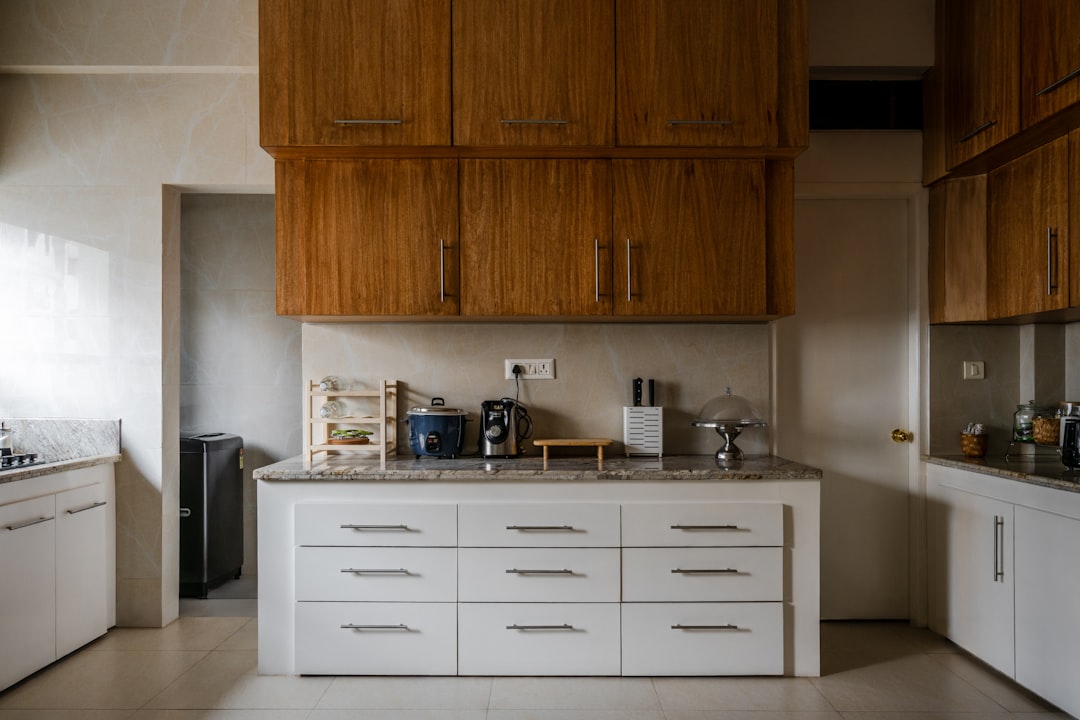
Reduce duplicates before adding organizers
Look for duplicate pans, mugs, water bottles, food containers, serving pieces, and utensils. A rental kitchen usually improves faster by reducing volume than by adding layers of shelf inserts.
Use cabinet depth intentionally
Put daily items at the front and less frequent items behind. If deep cabinets swallow things, use pull-forward bins or simple categories so the back remains accessible.
See How to Organize Deep Kitchen Cabinets So Nothing Gets Lost.
Move low-frequency items out of the kitchen
Holiday platters, specialty appliances, party supplies, and bulk backstock may not deserve scarce kitchen space. Store them in a nearby closet, dining area, or another low-frequency household zone if practical. For the broader setup, How to Store Extra Bedding in a Small Home With No Linen Closet is a useful next read.
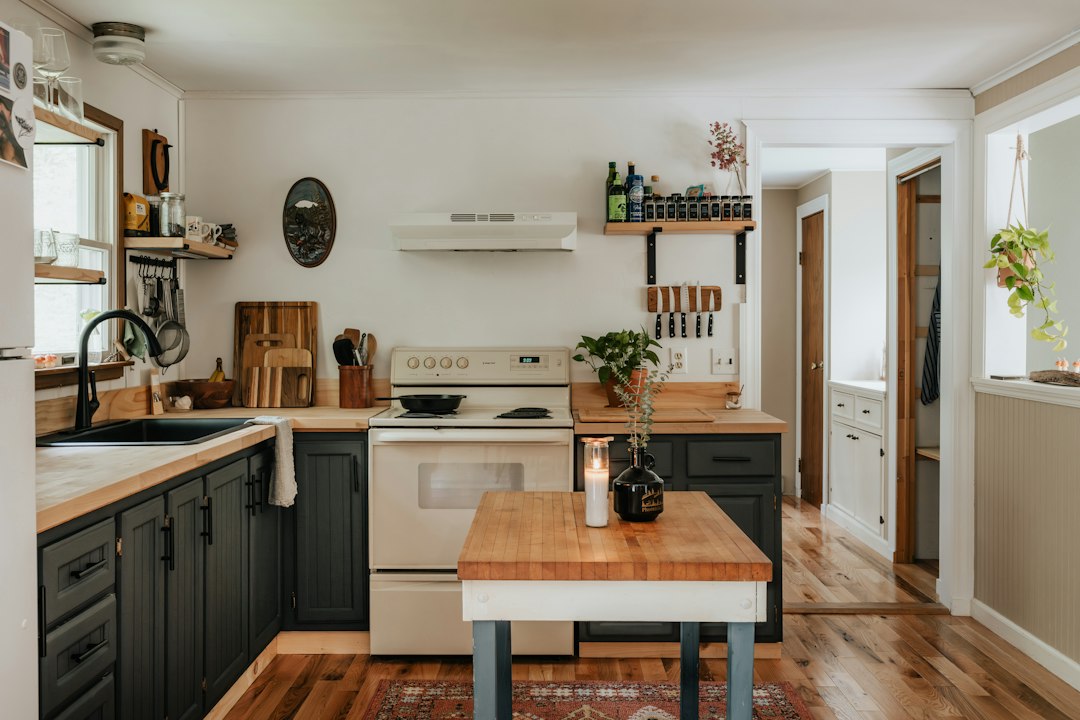
Use renter-friendly vertical storage carefully
Freestanding shelves, over-door organizers, tension-based solutions, magnetic storage where appropriate, or removable hooks may help depending on your lease and surfaces. For a related step-by-step approach, see Where to Store a Vacuum, Mop, and Broom in a Small Apartment.
Avoid turning every wall into storage. The kitchen still needs visual and physical breathing room.
Give food containers a hard boundary
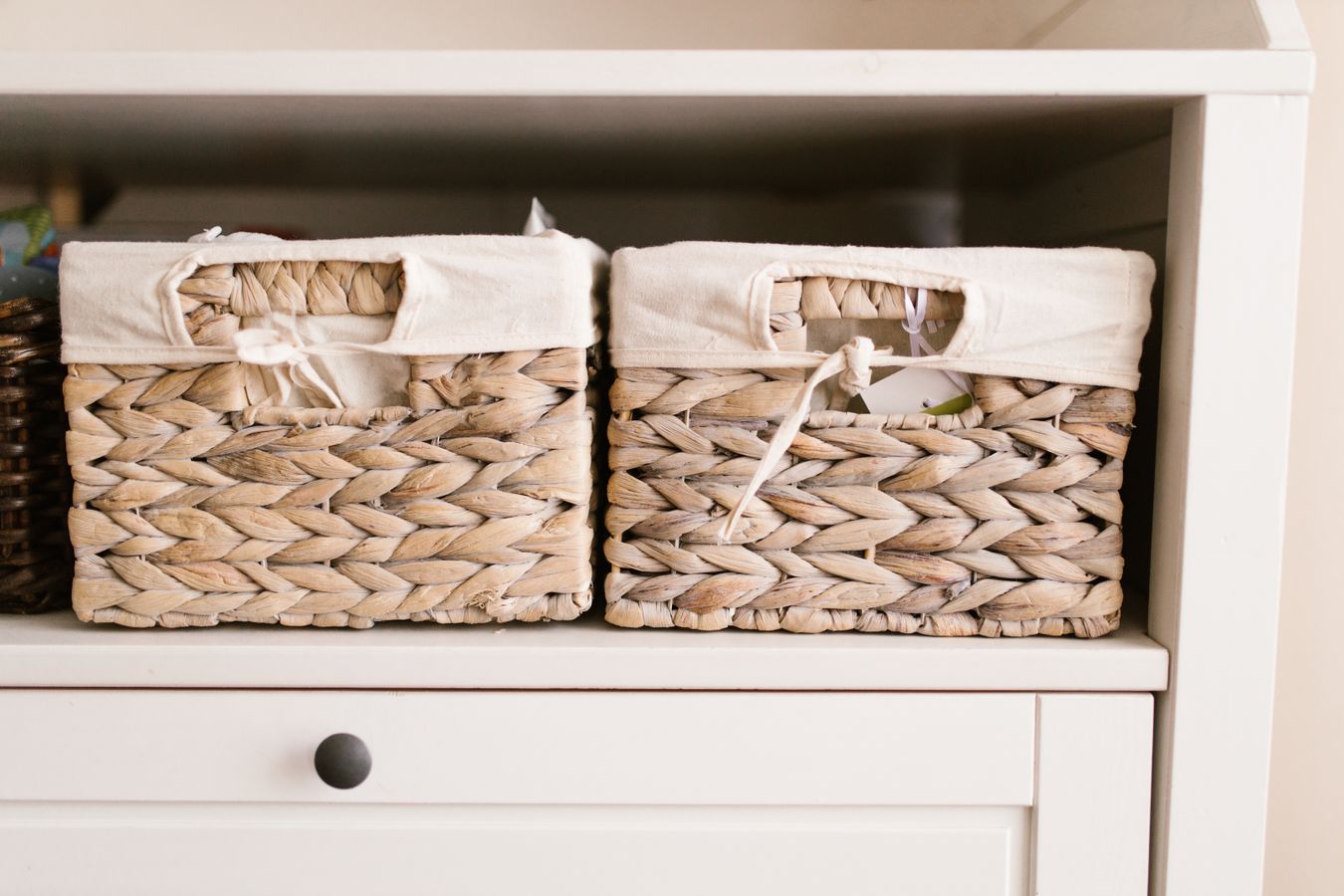
Match lids and containers, remove damaged pieces, and store only what fits one designated shelf or drawer. Food-container creep can consume an entire cabinet.
Let appliances earn counter space
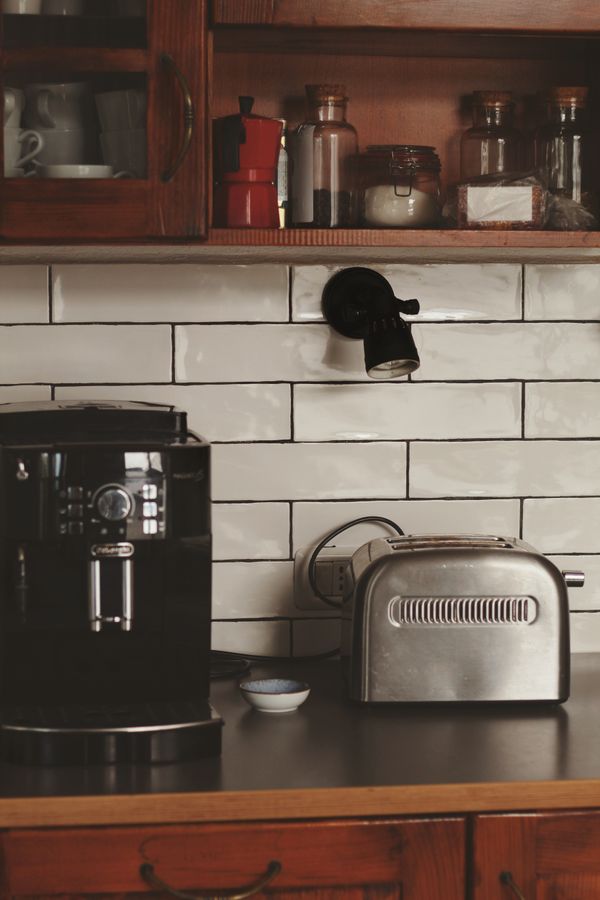
If an appliance is used daily, counter space may be justified. If it is used monthly, store it elsewhere.
For appliance decisions, see Small-Space Appliances Worth Buying—and Which Ones Just Create Clutter.
Create a small pantry even if there is no pantry
Use one cabinet, one shelf unit, or one defined wall of storage for shelf-stable food. Keep backstock limited so the active food zone stays readable.
Keep the sink from becoming storage
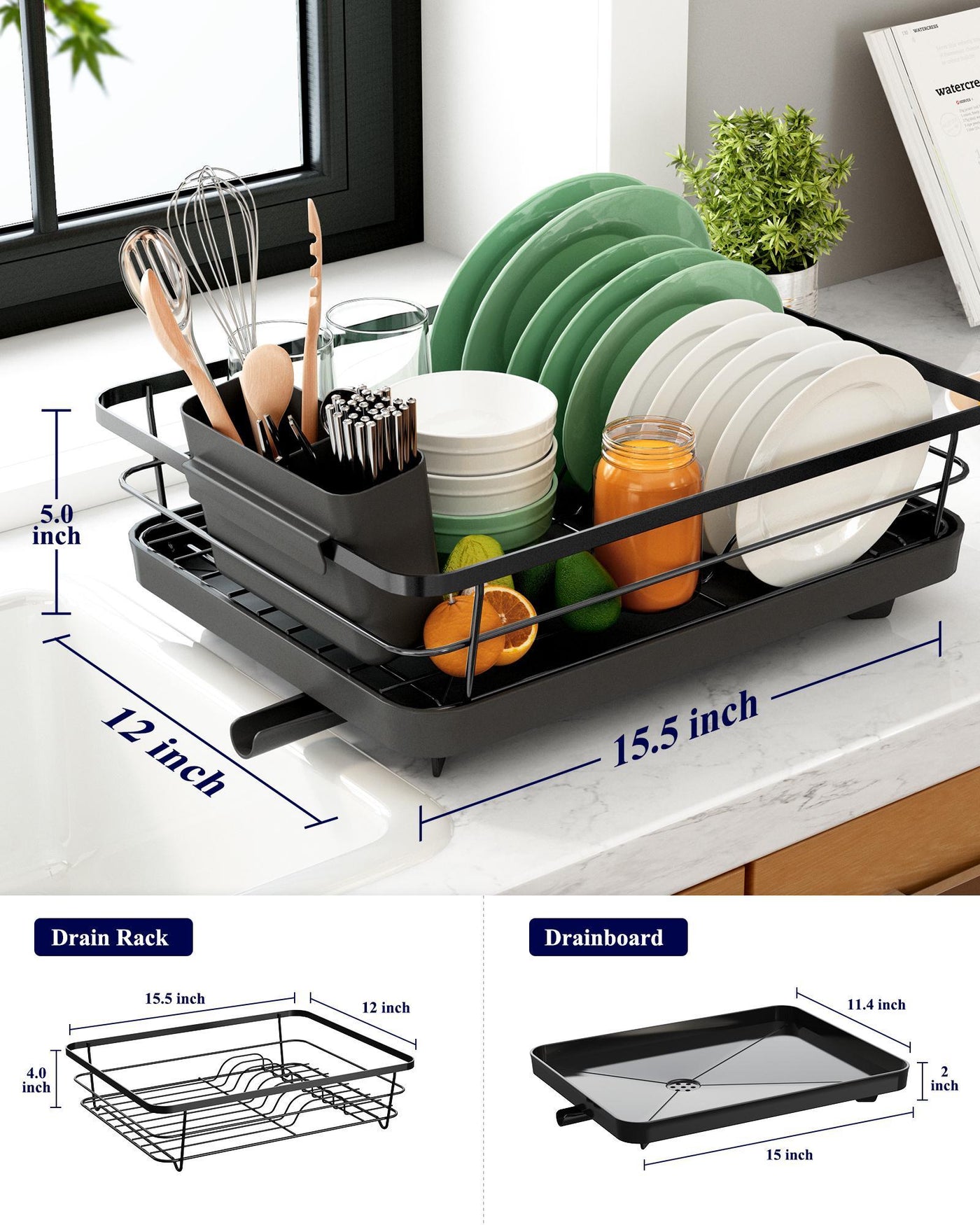
Drying racks, bottles, sponges, and dishes can consume the second-most valuable surface in the kitchen. Keep only the tools that support the current dishwashing routine.
The renter-kitchen weekly reset
- clear expired or unwanted food,
- return appliances to their correct frequency zone,
- match food containers and lids,
- clear one prep surface,
- move bulk backstock out of prime space,
- check whether any organizer is creating more clutter than access.
Frequently asked questions
Should I buy a freestanding pantry cabinet?
Only if you have the floor space and a clear storage need. Measure circulation before adding furniture.
How can I add storage without drilling?
Use lease-appropriate freestanding, over-door, tension, or removable solutions where the surface and load support them.
What should stay on the counter?
Keep daily-use tools and appliances that genuinely earn the footprint. Protect one clear prep zone.
Make the existing kitchen easier before making it fuller
When you cannot add cabinets, focus on access, frequency, and volume. Protect prep space, reduce duplicates, move low-use categories out, and let only the most useful appliances live on the counter.