Space-saving advice often sounds impressive and works poorly in real family life. A folding desk is not helpful if it is always covered in homework. Under-bed storage is not useful if you have to lift a heavy frame every week. A wall of tiny bins may save inches but create thirty categories nobody wants to maintain.
The best space-saving ideas for a small family home do one of three things: reduce the amount of floor space a function requires, combine compatible functions, or move low-frequency storage out of prime reach. You may also find How to Make One Small Room Work for Two or Three Purposes useful for a closely related small-home problem.
1. Protect one clear floor path in every room
Before adding storage, define the walking path. Furniture and baskets should not force people to turn sideways through the room. You may also find How to Arrange Furniture in a Small Living Room With Kids useful for a closely related small-home problem.
A clear path often makes a room feel larger without removing any major furniture.
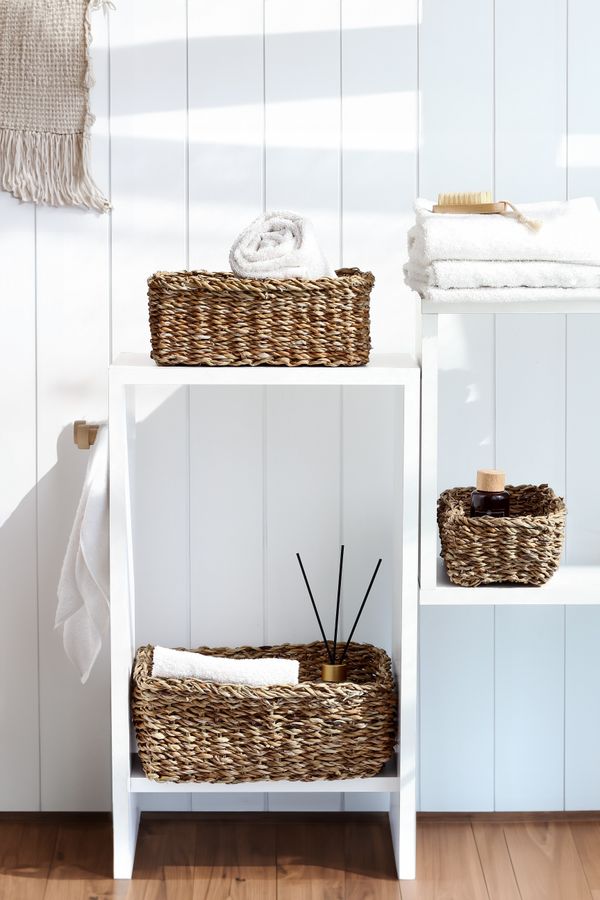
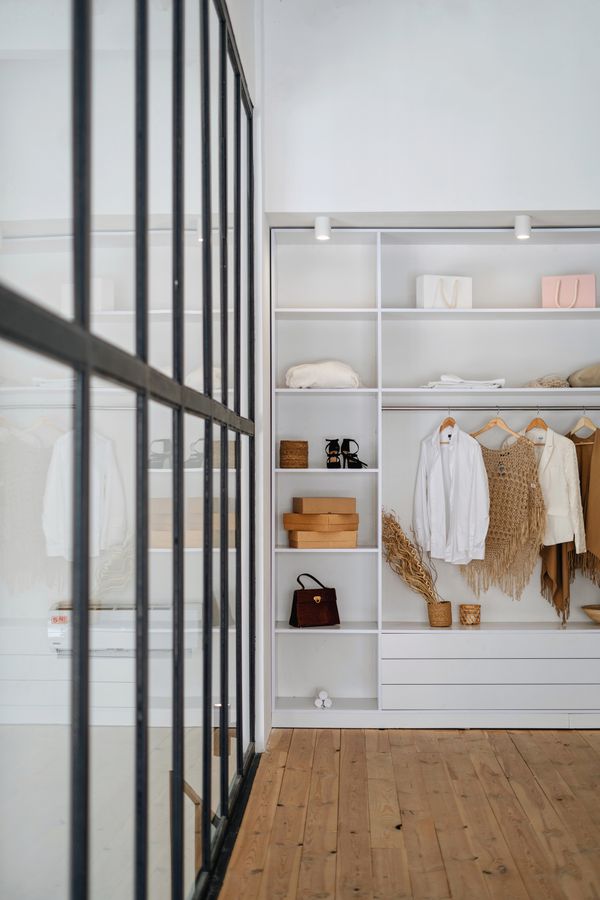
2. Use vertical storage for low-frequency categories
High shelves work best for things you do not need several times a day: seasonal gear, travel bags, extra bedding, or archived keepsakes. If you are working on the same space, How to Organize a Home So Kids Can Put Their Own Things Away covers the next decision in more detail.
Do not put daily-use items so high that retrieving them becomes a chore.
3. Choose furniture that replaces another piece
Multifunctional furniture is useful when it eliminates something else.
- storage ottoman instead of ottoman + toy basket,
- bench with shoe storage instead of bench + shoe rack,
- desk that doubles as console table,
- daybed that supports seating and guests.
If the multifunctional piece still requires all the old furniture around it, it did not save space.
4. Put storage where the activity happens
Move storage closer to use instead of creating one giant storage room.
Examples: art supplies near the table where children draw, lunch gear near the kitchen packing zone, blankets near the sofa.
5. Use the backs of doors carefully
Over-door storage can reclaim vertical space for lightweight categories such as accessories, cleaning cloths, or small supplies.
Check door clearance, hardware instructions, weight limits, and whether the organizer interferes with closing the door.
6. Make under-bed storage seasonal, not daily
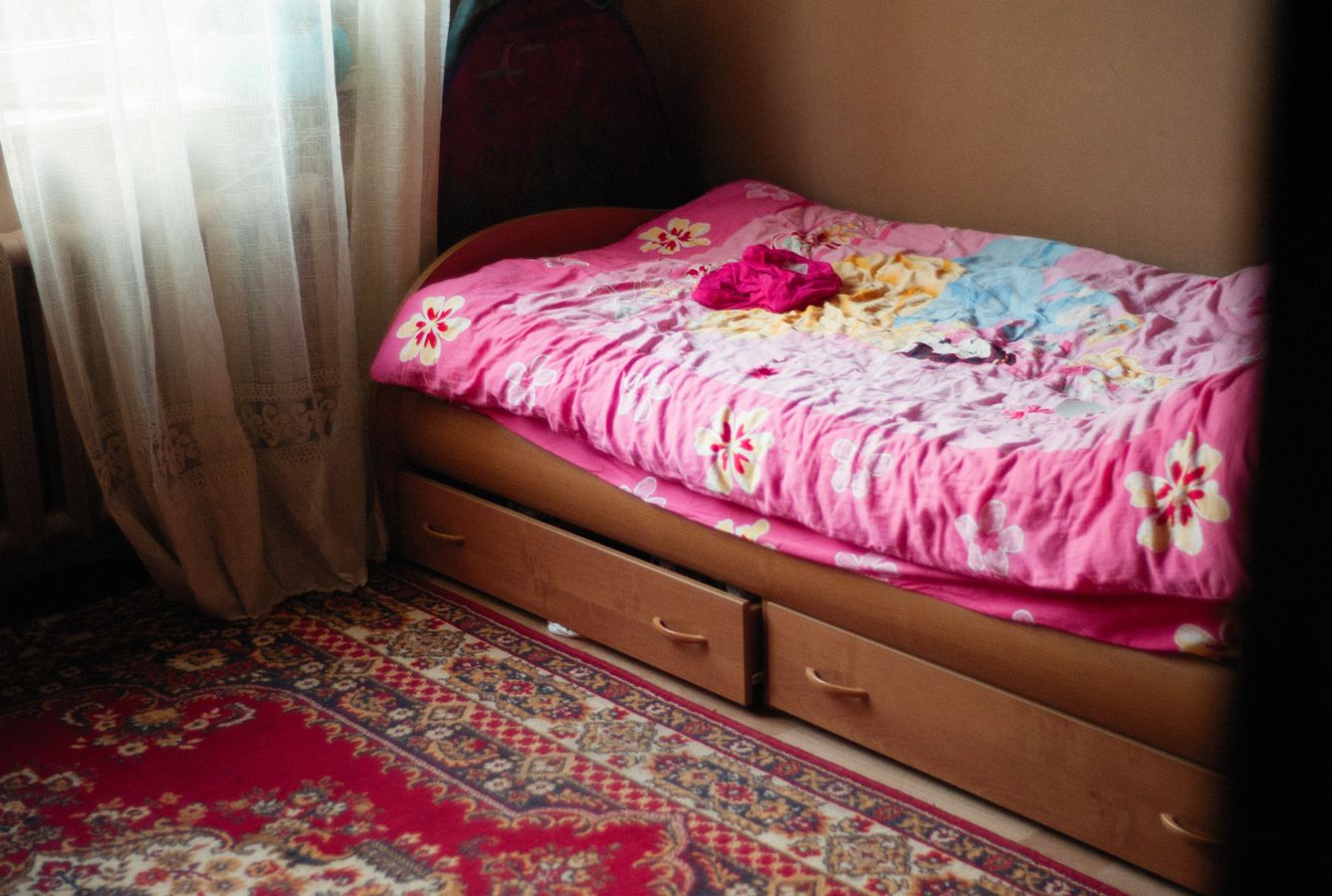
Under-bed storage is strongest for categories you retrieve occasionally. Daily shoes or school gear are usually too inconvenient there.
Use dust-resistant containers that can be removed without moving the bed.
7. Reduce the number of active toys
You do not need to remove every toy from the home. Reduce how many are available in the living space at one time.
A toy rotation can lower visual clutter and make cleanup easier while preserving variety.
8. Give each family member one landing zone
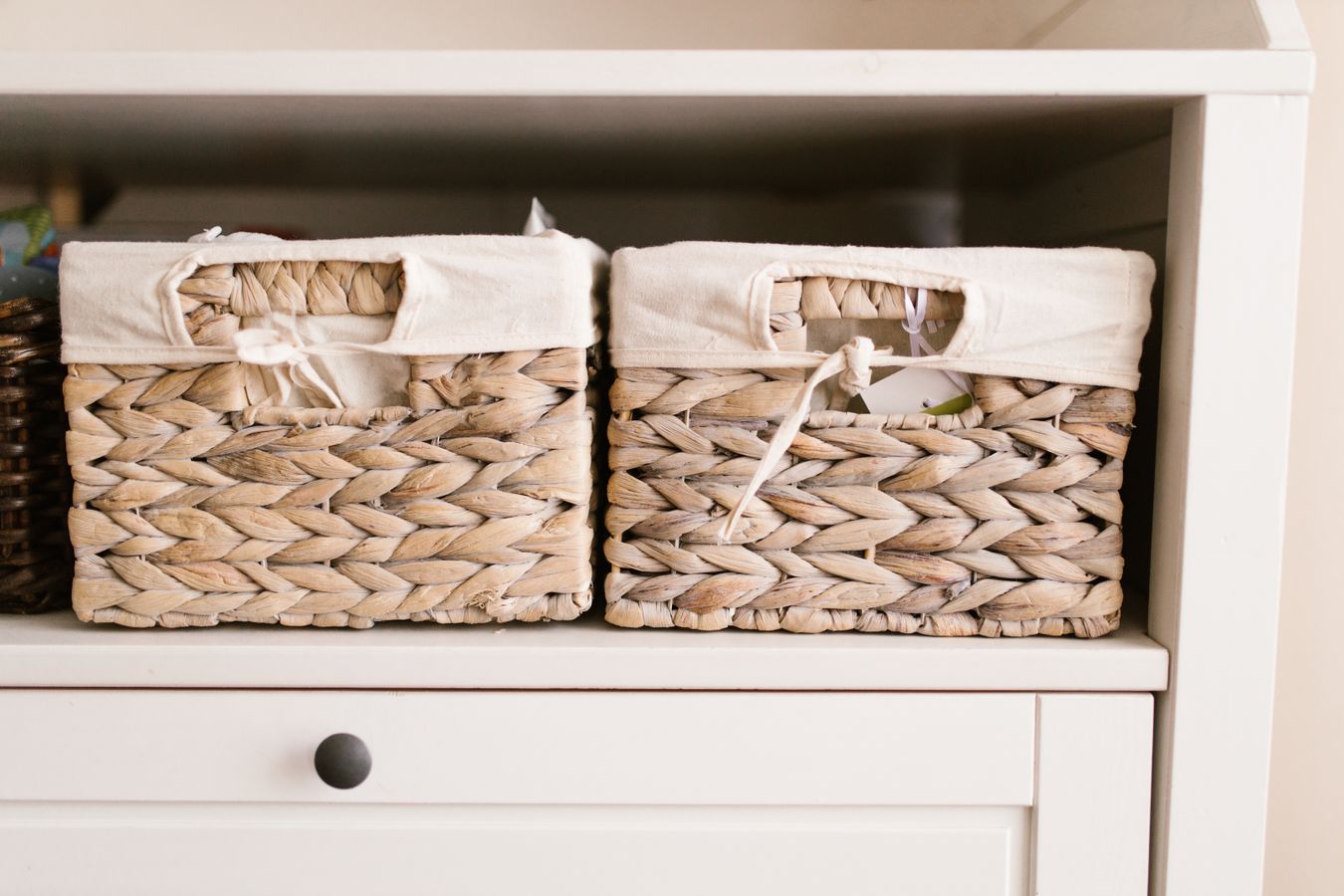
A hook, small basket, or shelf per person can prevent bags, headphones, hats, and papers from spreading across the home.
Keep the landing zone small enough that it requires regular clearing.
9. Store by frequency, not by category purity
The most accessible cabinet should hold what you actually use. Rarely used serving pieces do not deserve better space than everyday lunch containers just because both are “kitchenware.”
10. Use collapsible items only when they actually collapse
Foldable laundry baskets, drying racks, stools, and guest furniture save space only if the household reliably folds and stores them after use.
If an item stays open permanently, evaluate it as full-time furniture.
11. Create one flexible zone instead of a dedicated room for every function
A dining corner can support meals, homework, and crafts if supplies are stored nearby and the table resets between uses.
A guest function can share a home office if guest bedding and work equipment each have a defined storage state.
12. Remove low-value volume before adding high-efficiency storage
Storage systems are most effective after obvious excess leaves.
If the home still contains broken items, unused baby gear, empty packaging, or bulky low-use furniture, remove that volume before optimizing bins.
See What to Get Rid of First When Your Small Home Feels Too Full.
The space-saving test
Before buying or changing anything, ask:
- Does this reduce floor space?
- Does it eliminate another item?
- Does it make access easier?
- Can everyone in the household maintain it?
- What happens when it is full?
If the answer is unclear, the solution may be adding complexity rather than saving space.
Ideas that often fail in family homes
Too many tiny categories
Children and tired adults are unlikely to sort every object into a perfect micro-bin.
Hidden daily essentials
Storage is not efficient if daily-use items require moving furniture or opening several layers.
Furniture scaled for appearance, not movement
An oversized sofa with hidden storage can still make a room feel smaller than a simpler, better-scaled sofa.
Buying storage before measuring
A beautiful organizer that wastes inches on both sides may reduce usable space.
A one-week space audit
For seven days, notice where you repeatedly:
- move something to use another thing,
- step around baskets,
- carry items between rooms,
- cannot put something away,
- leave foldable equipment open.
Those are stronger clues than generic “small-space hacks.”
Frequently asked questions
What saves the most space in a small home?
Removing bulky low-use items and choosing furniture that replaces another function usually creates more impact than adding small organizers.
Is vertical storage always better?
No. It is excellent for low-frequency items but frustrating for daily-use items that need easy reach.
Should every piece of furniture have storage?
No. Storage furniture is useful only when it replaces another storage need without becoming oversized or difficult to access.
Save space by reducing friction, not just by fitting more
A home is not more spacious because every cabinet is packed efficiently. It feels spacious when people can walk, sit, cook, play, dress, and clean without moving piles first.
Use vertical space for low-frequency storage, combine compatible functions, keep storage near activities, and let the most useful possessions claim the easiest reach. That is what makes a small family home work larger than its floor plan. For a related step-by-step approach, see A Room-by-Room Organization Plan for a Small Home.
Sources
- U.S. Consumer Product Safety Commission — Anchor It! — https://www.cpsc.gov/Safety-Education/Safety-Education-Centers/AnchorItgov