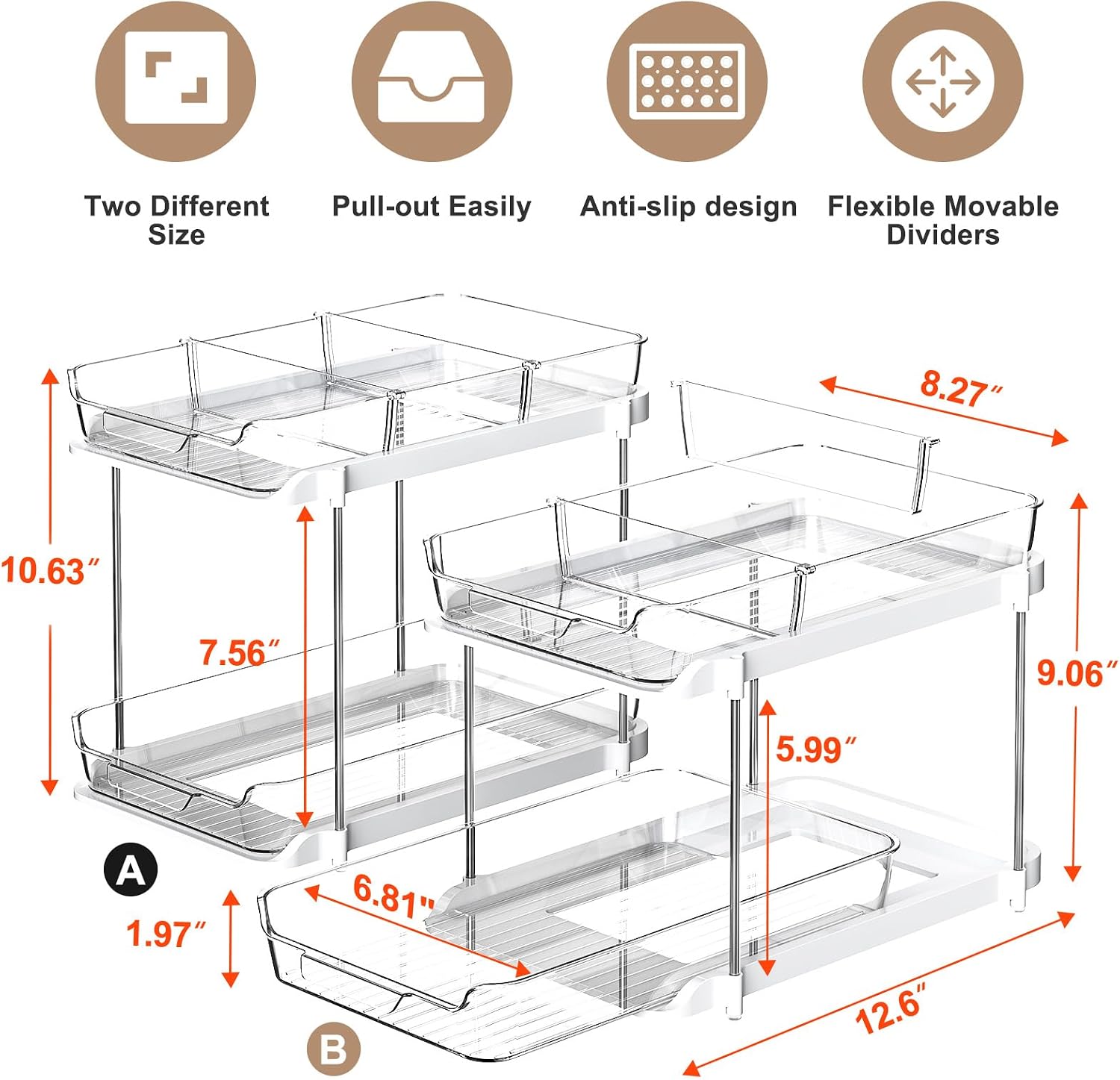
A small kitchen with no pantry has one awkward job: the same cabinets have to hold food, dishes, cookware, lunch supplies, and sometimes cleaning items too. For a related step-by-step approach, see How to Organize a Small Hall Closet for Coats, Shoes, Bags, and Family Gear.
The goal is not to make every shelf look identical. It is to create clear ownership inside shared cabinets so dinner ingredients do not disappear behind mugs and snack boxes do not take over the dish shelf.
Start with the cabinet jobs, not the food categories
Walk through the kitchen and assign each cabinet a primary job. One may be mostly dishes. Another may hold pantry staples plus breakfast food. A third may combine lunch supplies with snacks.
A cabinet can do two jobs well. It usually struggles when it is asked to do six.
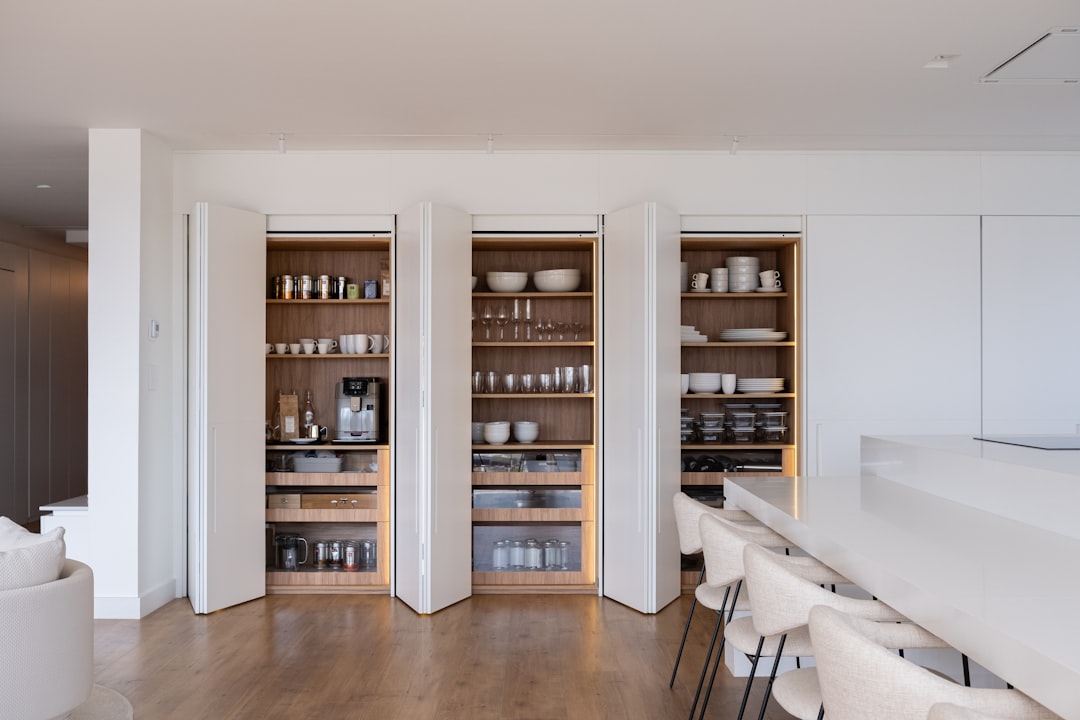
Keep daily dishes in the easiest reach zone
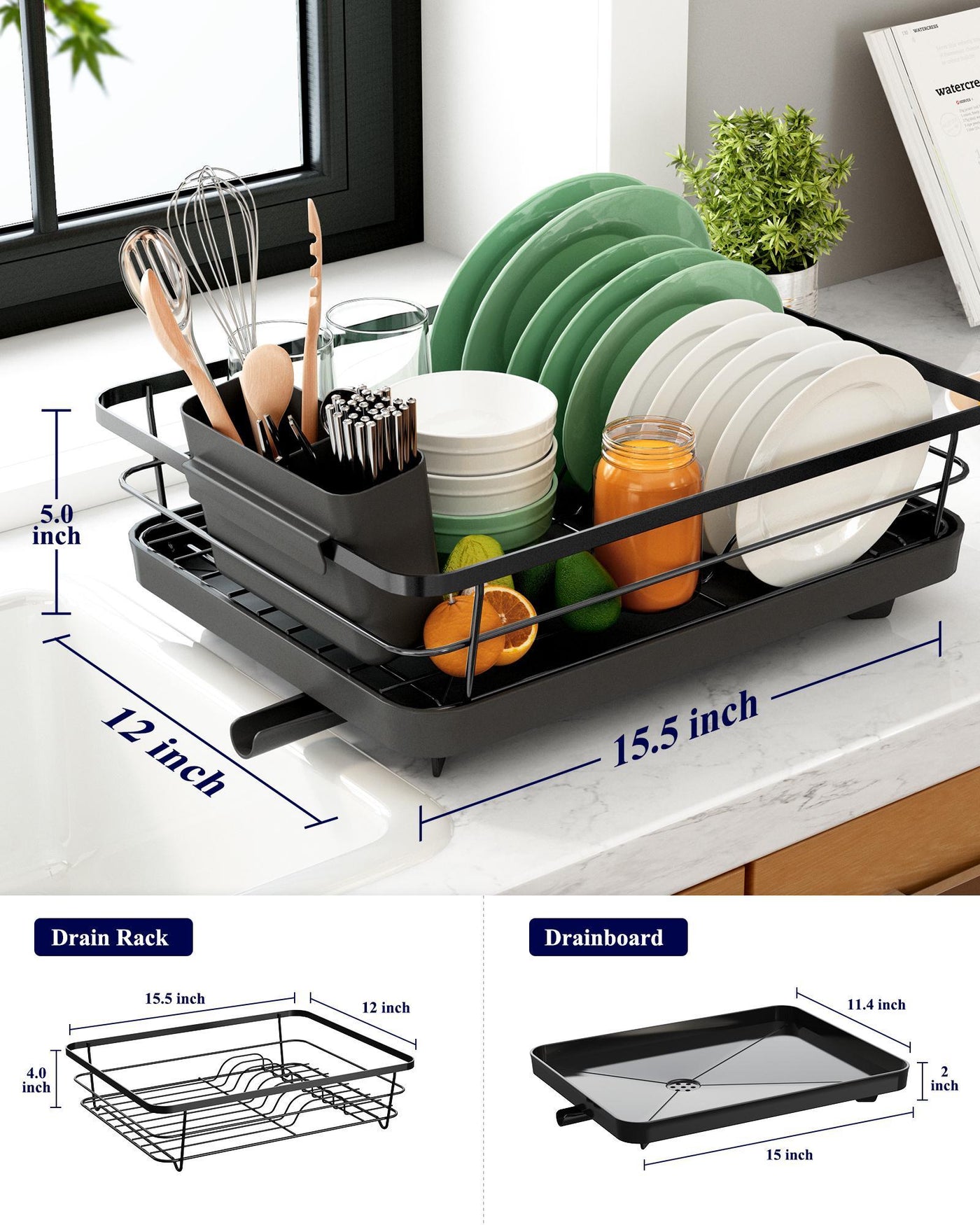
Plates, bowls, glasses, and mugs are used constantly, so they should not be blocked by food bins. Give them stable shelves first, then fit pantry items around the space that remains.
This is one place where function matters more than squeezing in every inch.
Organize food by meal or use
Broad zones are easier to maintain than dozens of tiny categories.
- Breakfast: cereal, oats, coffee, tea.
- Quick meals: pasta, rice, canned staples.
- Lunch: wraps, snack components, lunchbox items.
- Baking: flour, sugar, baking basics.
Use the categories your household actually reaches for together.
Use the front row for open and frequent items
Open packages, current snacks, and staples used every week belong toward the front. Unopened backups can sit behind them only when you can still see what exists.
Do not decant everything
Matching containers can look tidy, but they create extra steps and can hide package information. Decant only the foods where the container genuinely improves access or freshness for your household. You may also find How to Store Blankets and Extra Pillows in a Small Living Room Without Making It Look Full useful for a closely related small-home problem.
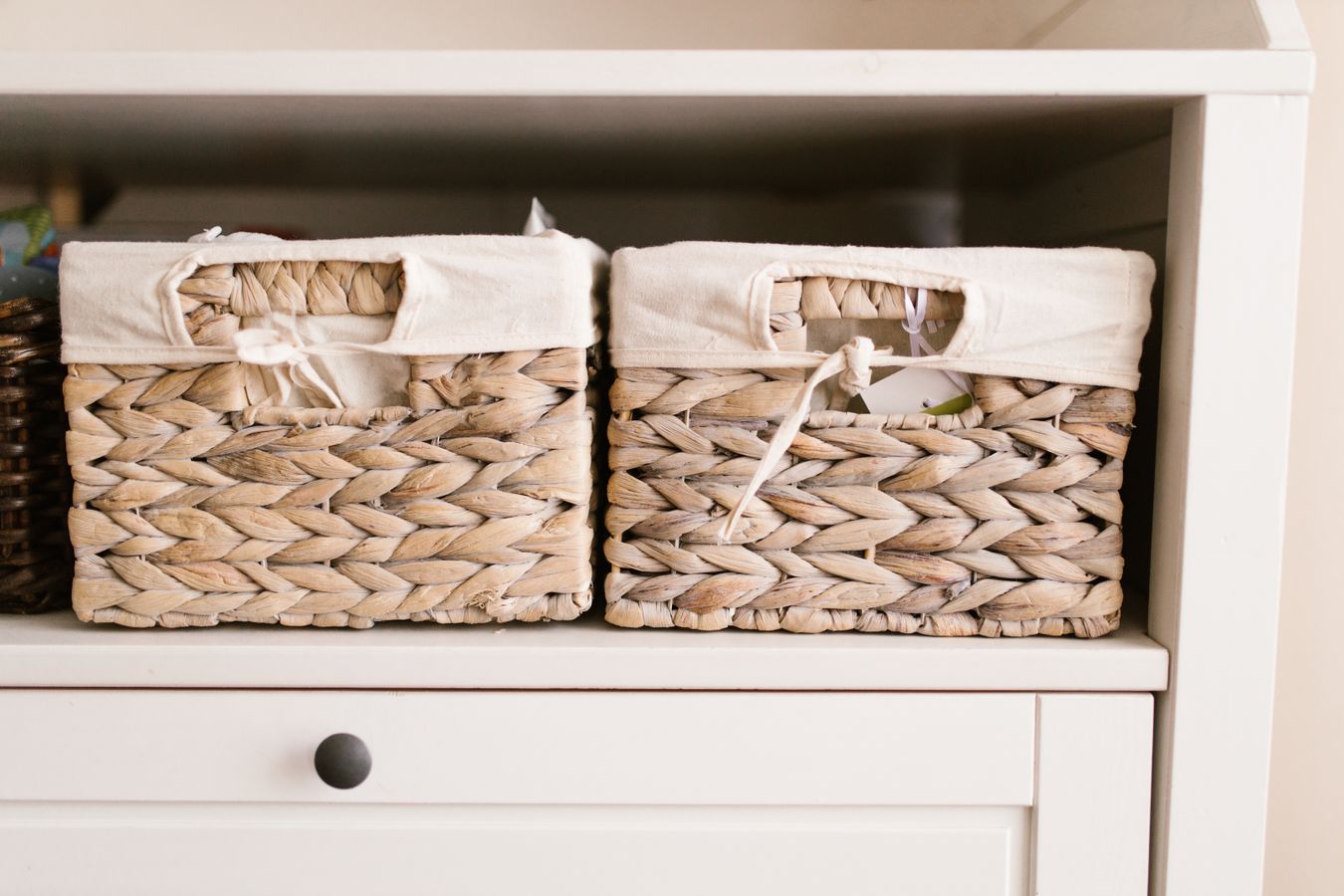
A simple basket or shelf label may be enough.
Give snacks a boundary
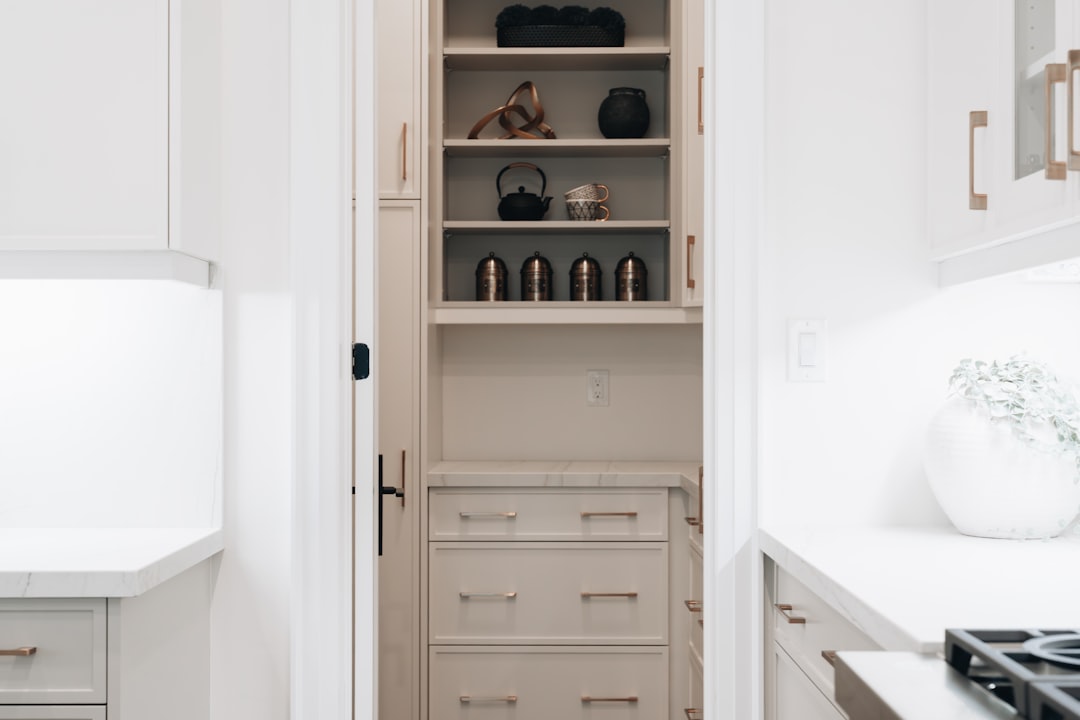
Snacks expand to fill whatever space they are given. Use one shelf, one bin, or one cabinet section. When the zone is full, shop from what you already have before adding more.
Keep backstock separate from current food
If you buy duplicates, give unopened backstock one limited area. This prevents three jars of the same item from hiding in different cabinets.
Use deep cabinets with a front-and-back rule
Front: daily or weekly foods. Back: refills and low-frequency ingredients.
If the back disappears completely, use a pull-forward bin or a simple category basket. For more on deep storage, see How to Organize Deep Kitchen Cabinets So Nothing Gets Lost.
Keep lunch supplies close to lunch packing
If the family packs lunches, store bags, wraps, small containers, and shelf-stable lunch items near the prep zone rather than scattering them across the kitchen. For the broader setup, How to Store Lunchboxes, Water Bottles, and Reusable Bags Without Kitchen Clutter is a useful next read.
Protect one shelf from random overflow
Every small pantry needs a little breathing room. Leave one partial shelf or basket below full capacity so new groceries have somewhere to land before the next reset.
The 10-minute pantry reset
- move stray dishes back to their shelves,
- pull opened food forward,
- group duplicates,
- clear obvious expired or unwanted items,
- return snacks to their boundary,
- move unopened backstock behind current food.
What should leave the kitchen entirely?
Bulk paper goods, rare serving pieces, holiday food tools, and large appliance accessories may fit better in low-frequency storage if the kitchen cabinets are doing too much. You may also find How to Make a Small Rental Kitchen Work When You Can’t Add More Cabinets useful for a closely related small-home problem.
Frequently asked questions
Do I need pantry bins?
No. Use bins only when they make a category easier to pull forward or keep together.
How do I organize food with very few cabinets?
Prioritize daily dishes, broad food zones, limited backstock, and one clear snack boundary.
Should I store food above or below dishes?
Use the shelf heights and access that work for your household. Keep heavy or frequently used items where they are safe and easy to reach.
A pantry can be a system even without a pantry door
When dishes and food share cabinets, clarity matters more than perfect separation. Give each cabinet a job, keep current food visible, limit backstock, and protect the shelves your household uses every day.