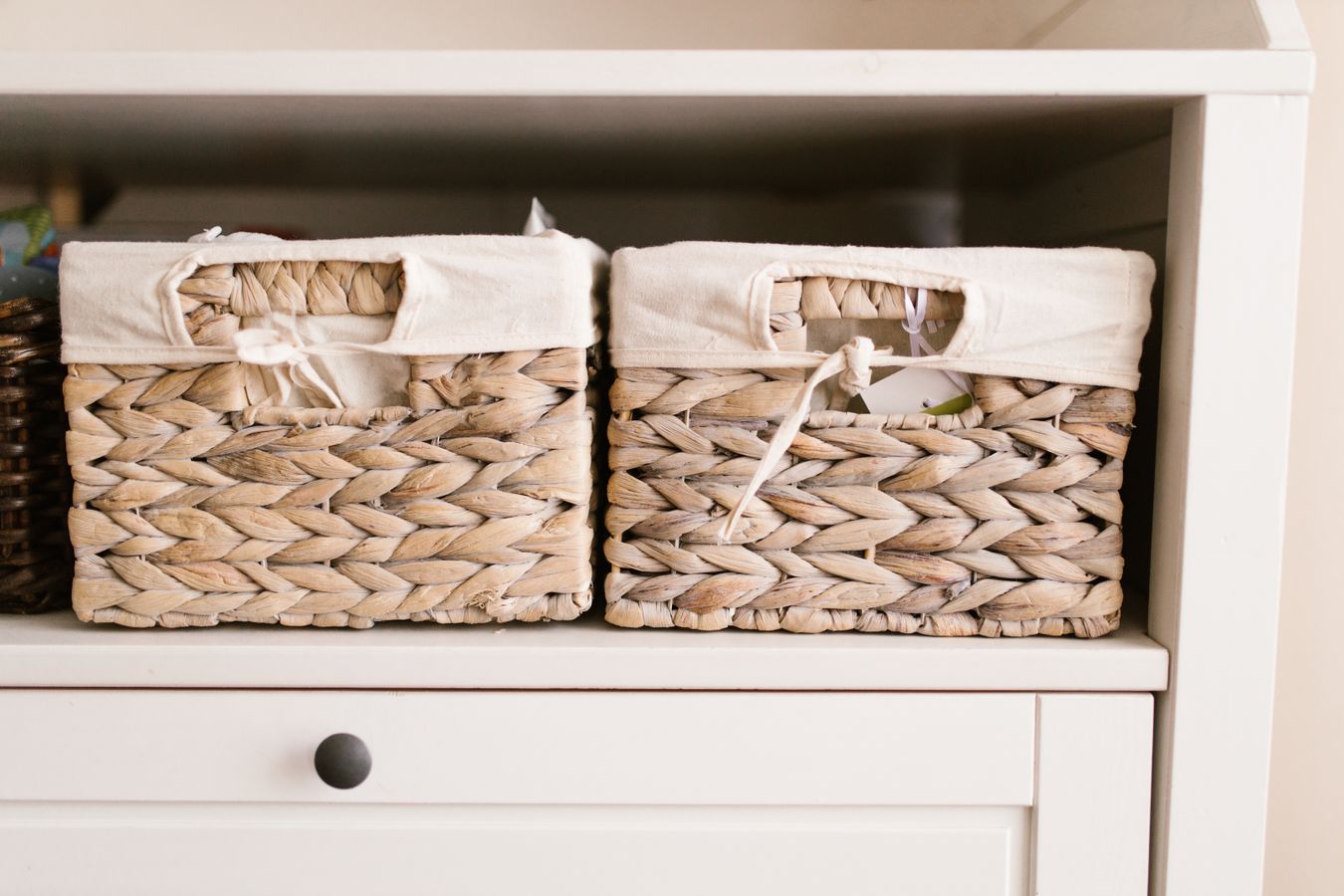
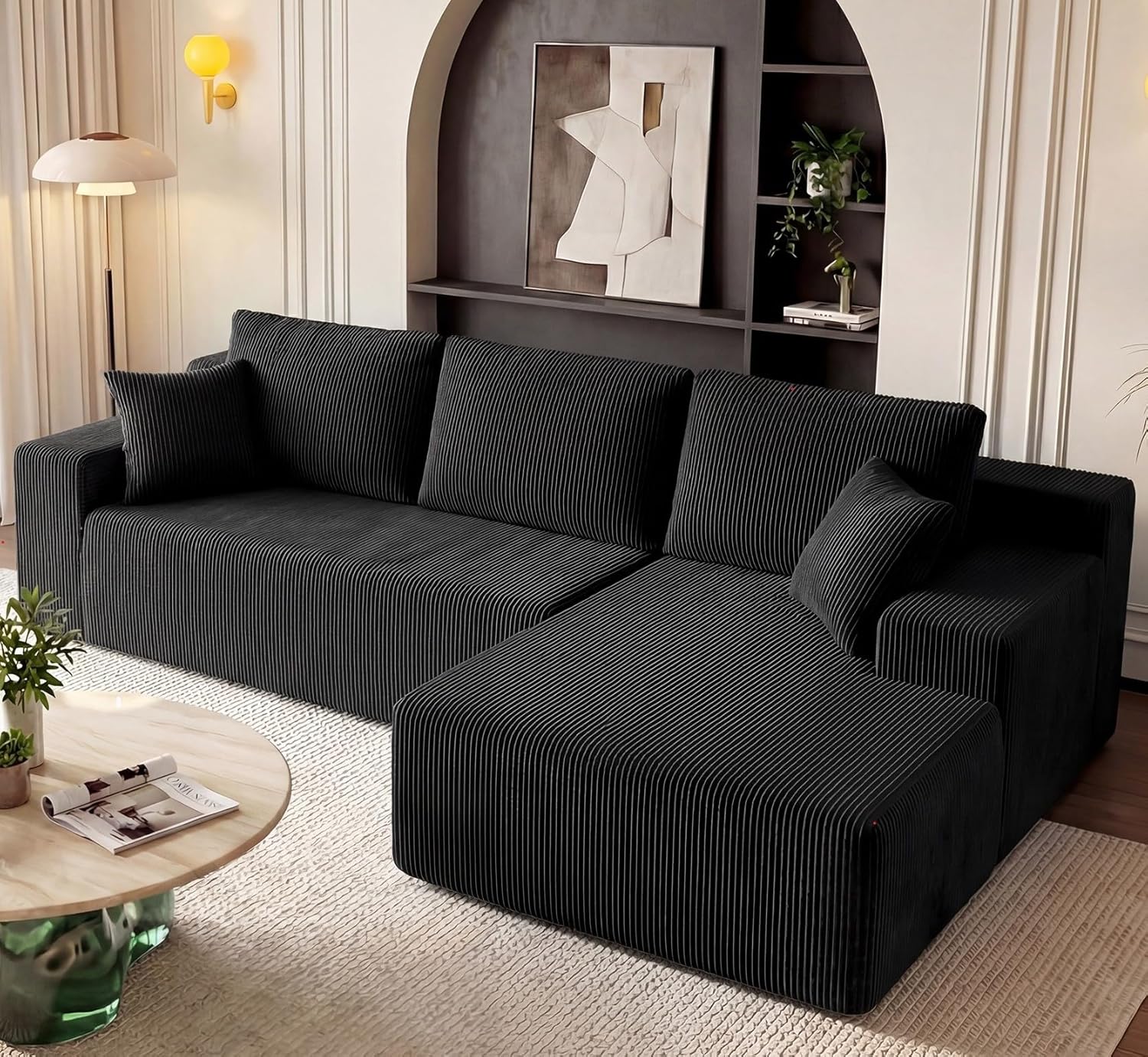
Blankets and pillows make a living room comfortable. They also multiply quietly.
One throw stays on the sofa, another goes in a basket, extra guest pillows arrive, seasonal blankets move in, and suddenly the room is using furniture to store soft goods. If you are working on the same space, How to Store Lunchboxes, Water Bottles, and Reusable Bags Without Kitchen Clutter covers the next decision in more detail.
The fix is to separate active comfort from textile inventory.
Decide what actually lives in the living room
Keep the throws and pillows that are used every week. Guest bedding, off-season blankets, and decorative extras can live somewhere else.
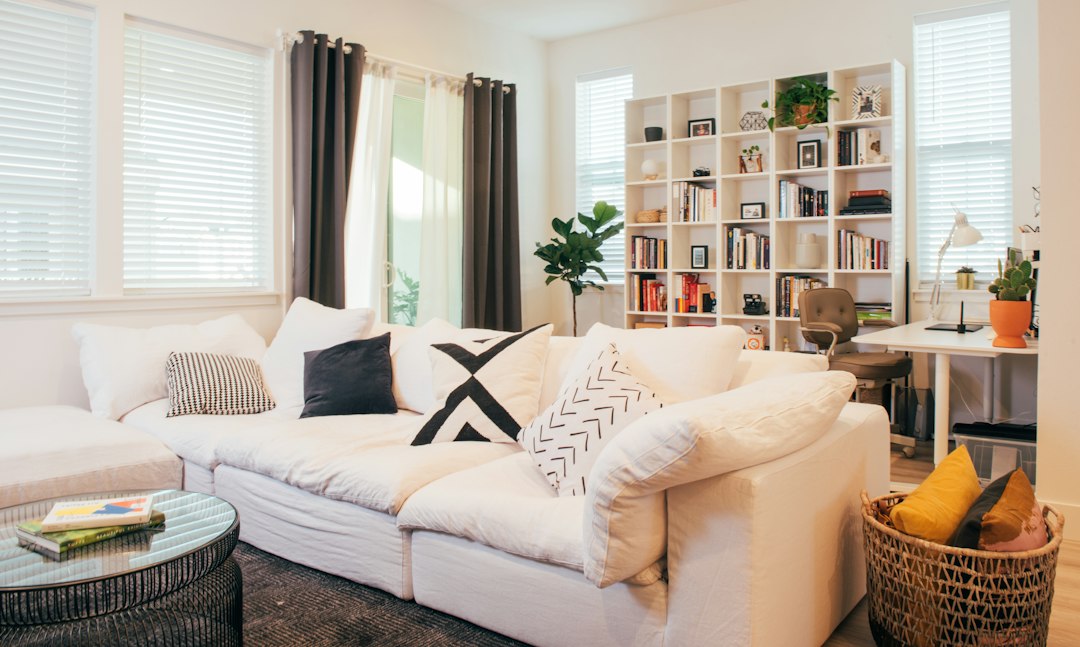
Give active blankets one home
Use one basket, one storage ottoman, one shelf, or a consistent fold on the sofa. The exact method matters less than the boundary. You may also find How to Use Under-Bed Storage Without Creating a Hidden Clutter Zone useful for a closely related small-home problem.
If the blanket container is full, do not add a second one without reviewing the category.
Limit decorative pillows to the seating they serve
If pillows have to be moved to the floor every time someone sits down, there may be too many. Keep enough for comfort and visual softness without turning the floor into pillow storage. You may also find How to Organize Laundry Supplies When the Washer Is in the Kitchen or Bathroom useful for a closely related small-home problem.
Move guest pillows closer to guest bedding
Guest pillows belong with the guest sleep setup, not permanently on the living-room sofa. Store them with guest sheets or bedding if possible.
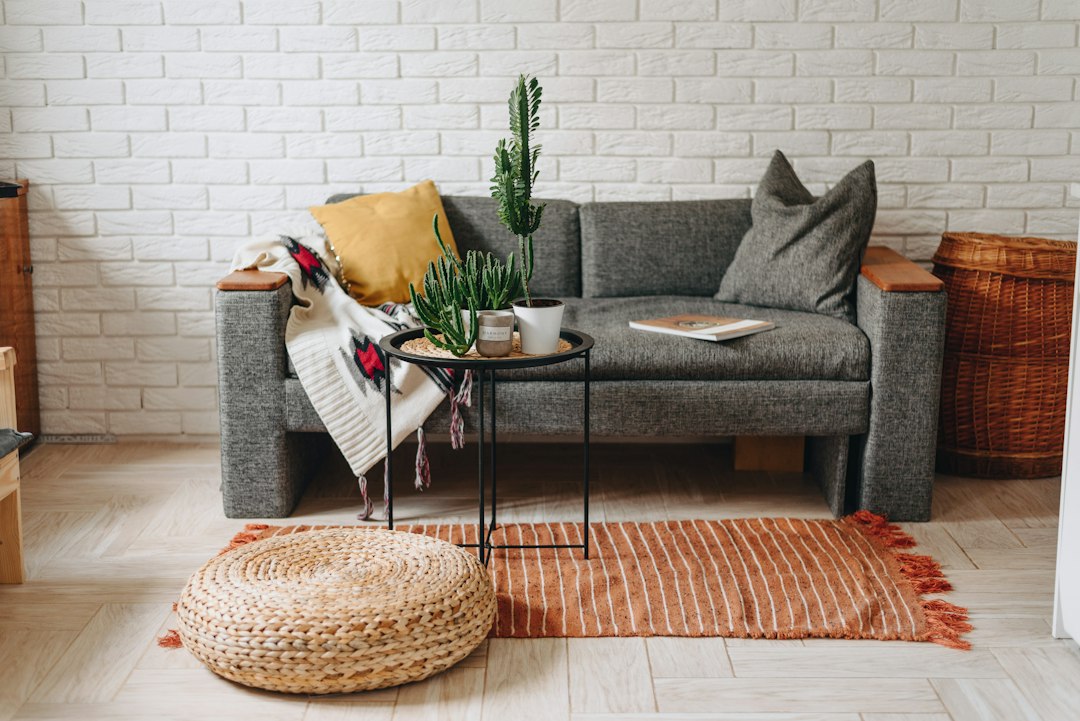
Rotate seasonal throws instead of stacking all seasons
Heavy winter throws can move to seasonal storage when not needed. Lighter blankets can take their place.
For low-frequency textile storage, see How to Store Extra Bedding in a Small Home With No Linen Closet.
Use hidden storage only when the furniture already earns its place
A storage ottoman or bench can work well if you already need seating or a footrest. Do not add a large furniture piece only to hide two blankets.
Keep the floor basket proportional
A giant basket can visually crowd a small room even if it is organized. Choose a container that fits the scale of the furniture and does not narrow the walking path.
Watch for “comfort creep”
Seasonal sales, gifts, and impulse decor can grow the category faster than you notice. Use a one-in, one-review habit: every new throw is a reason to look at what is already there.
The two-minute evening soft-goods reset
- fold the active blanket,
- return extra pillows to their normal seats,
- move stray bedding out of the room,
- clear the floor around the sofa.
Pair soft-goods storage with the evening living-room close
Use A 10-Minute Evening Living Room Reset After the Kids Go to Bed to close toys, dishes, seating, and blankets together.
Frequently asked questions
Where should I put blankets in a small living room?
Use one limited home such as a basket, shelf, or storage furniture you already need.
How many throw pillows are too many?
If people regularly move pillows to the floor to sit comfortably, reduce the number.
Should guest pillows stay in the living room?
Usually not. Store them with guest bedding or another low-frequency textile zone.
Comfort should not cost the room its function
Keep the blankets and pillows people actually use, give them one clear home, and move seasonal or guest extras out of prime living-room space. The room stays soft without looking stuffed. For a related step-by-step approach, see How to Create a Calm Living Room When Kids Use It All Day.