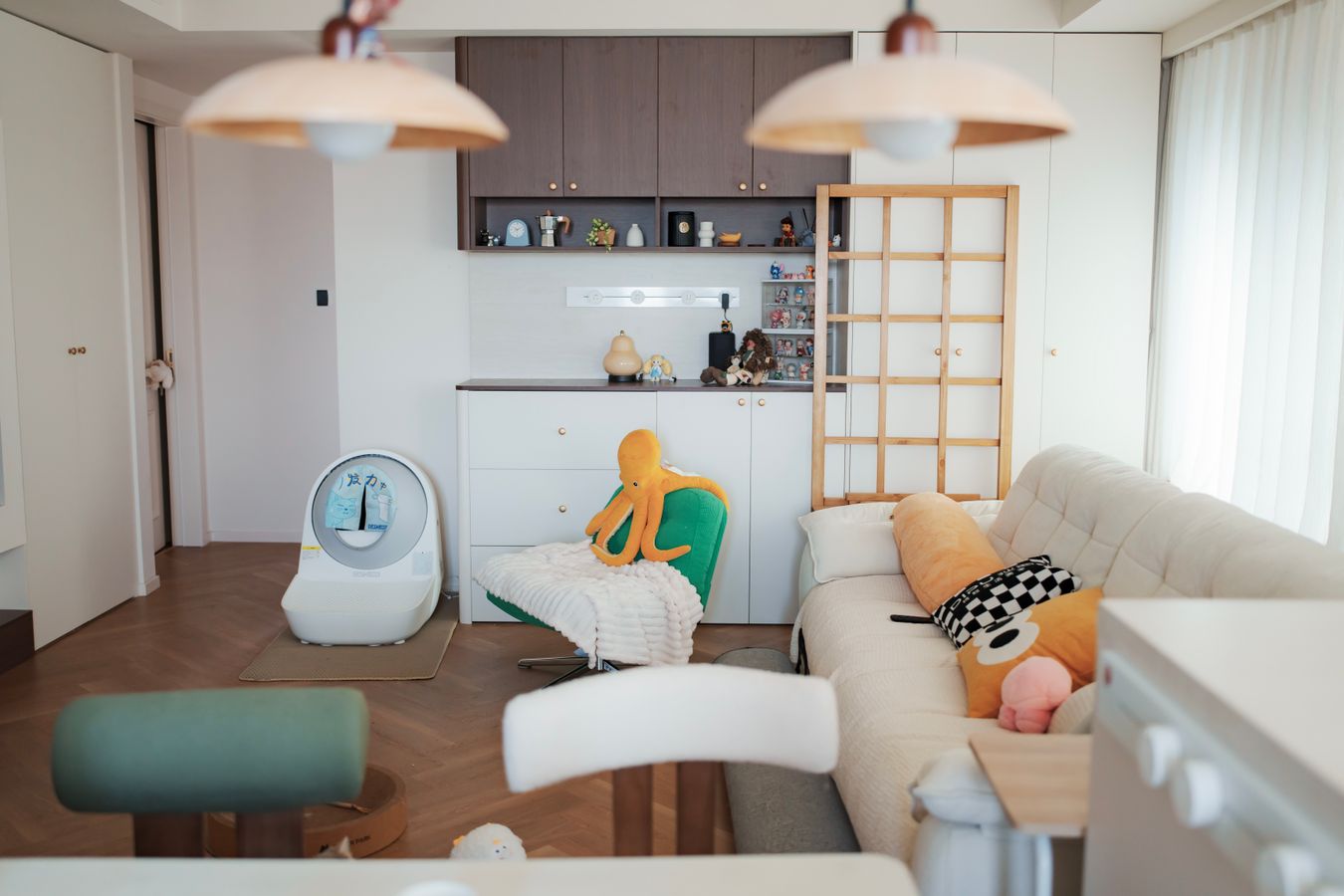
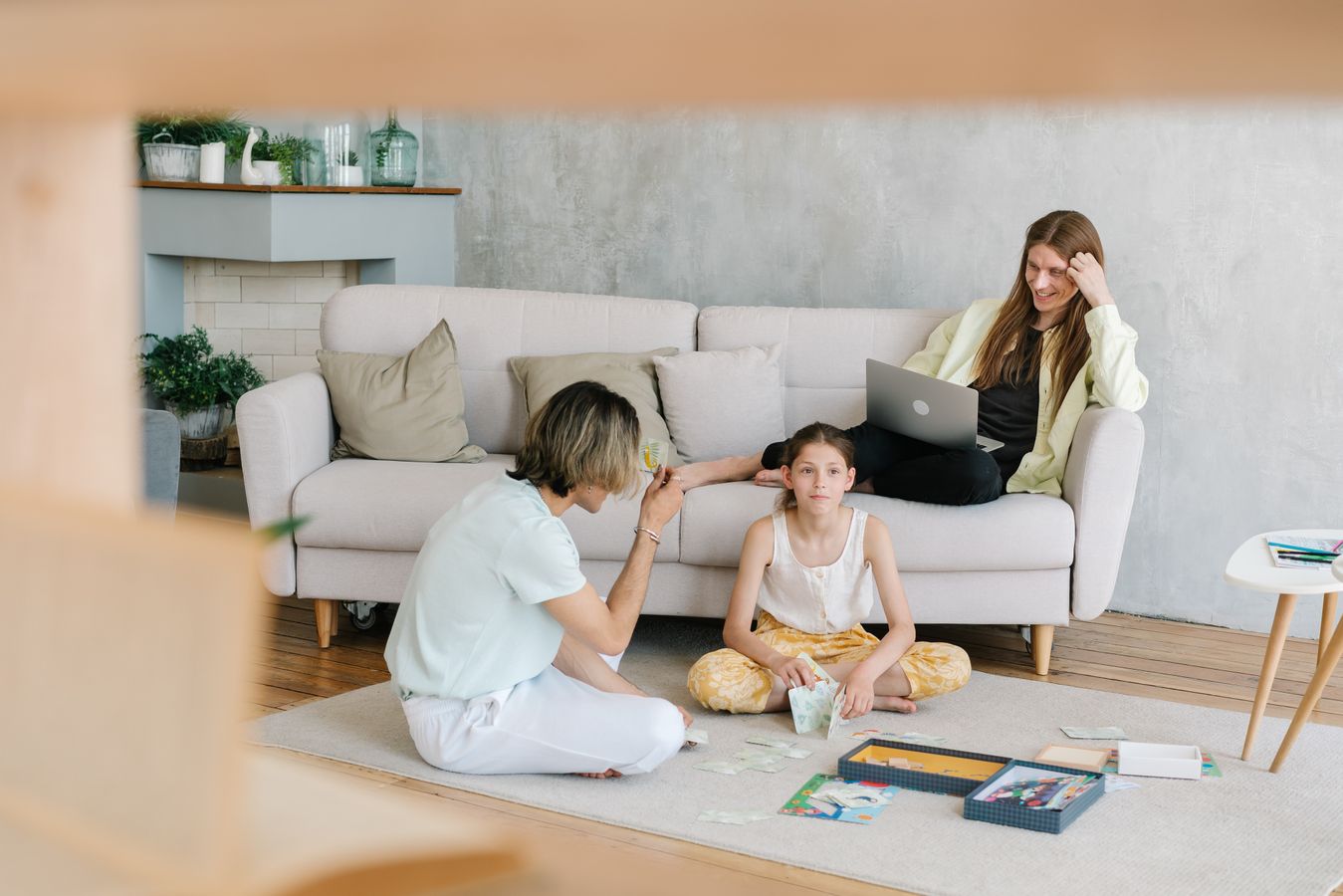
A calm living room with children is not an untouched room. It is a room that can absorb normal family activity and recover without a major cleanup. For a related step-by-step approach, see GRUSIGN vs Korser vs CUBENTE comparison for small homes.
The goal is not to hide every toy, remove every bright color, or make children feel like guests. It is to create visual boundaries and easy reset points.
Define what “calm” means for your family
For most homes, calm means:
- clear walking paths,
- a usable sofa,
- one or two clear surfaces,
- toys contained to known zones,
- soft items under control,
- the room can reset quickly.
Protect one clear adult surface
Choose the coffee table, side table, or media console and keep at least one surface mostly clear. It gives the room a visual resting point even when children are playing.
Limit active toys by footprint
Use one shelf, cabinet, basket group, or low storage unit as the active-toy boundary. When it is full, rotate or edit before adding more. If you are working on the same space, How to Downsize Before Moving Into a Smaller Home covers the next decision in more detail.
See A Toy Rotation System for Small Homes That Parents Can Actually Maintain.
Use broad categories children can reset
Blocks, cars, pretend play, books, art, puzzles. Broad categories keep cleanup fast.
Hide visual noise, not all evidence of children
Closed storage works well for tiny mixed pieces, dress-up accessories, or bright categories. Keep favorite books, a current puzzle, or a small basket visible if the family uses them daily.
Reduce loose soft items
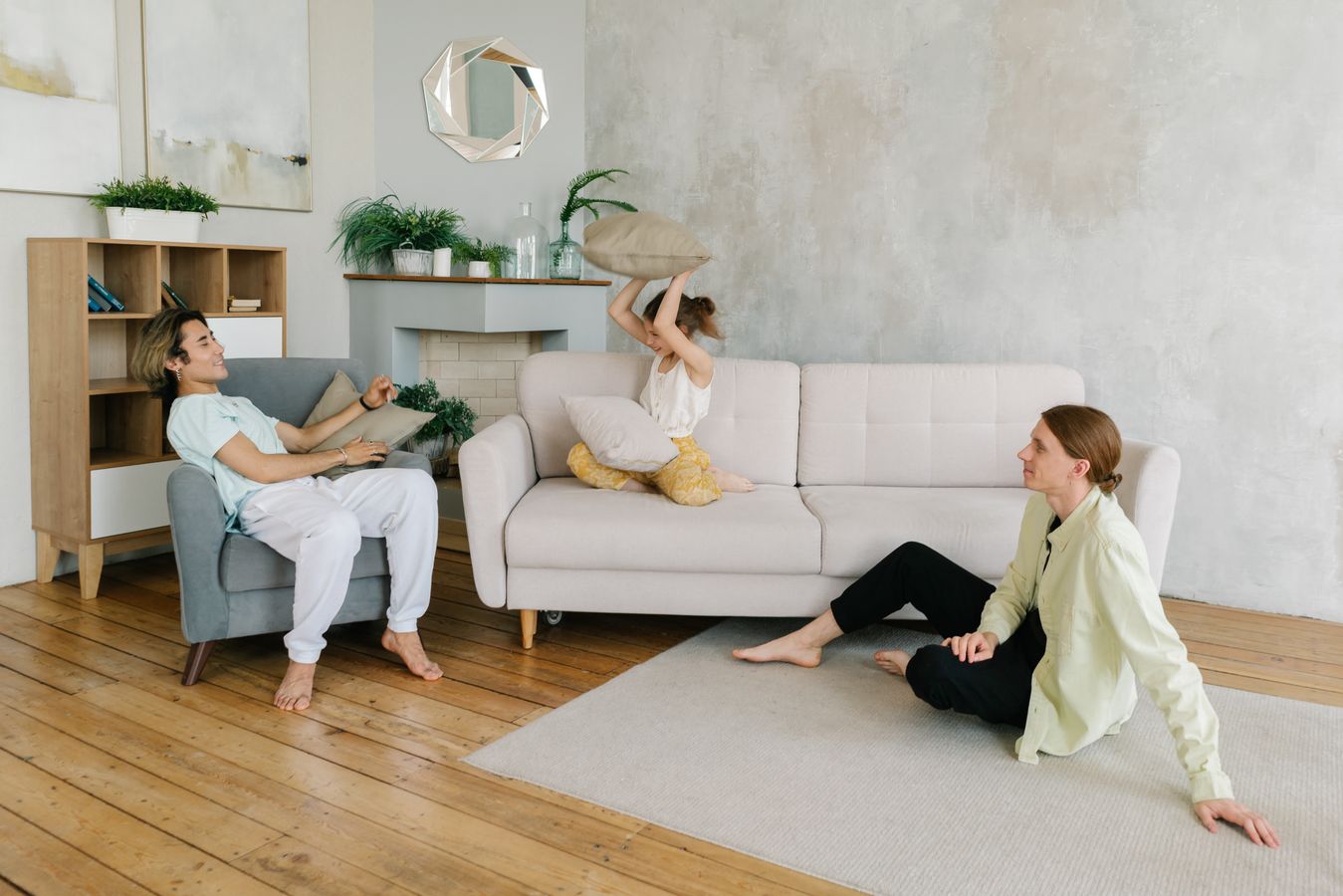
Too many pillows, throws, floor cushions, and stuffed animals can make a small room look full even when it is technically tidy.
Keep enough for comfort and give extras another home.
Use one parking spot for large toys
Ride-on toys, dollhouses, activity tables, and large play sets need defined footprints. If a large toy has no parking spot, it becomes permanent furniture.
Keep adult and child storage visually compatible
The toy system does not have to match the sofa perfectly, but repeating a few materials or neutral outer containers can reduce visual fragmentation.
Do not overdecorate the storage itself
Labels, colors, decorative baskets, shelf styling, and display objects can add more visual information. In a busy family room, simpler storage often looks calmer.
Protect the walking path
A room feels chaotic when people constantly step around toys or furniture. Keep the main route between doorways, sofa, and other rooms clear.
For furniture placement, see How to Arrange Furniture in a Small Living Room With Kids.
Create a midday reset cue
If kids use the room all day, waiting until bedtime can make the final cleanup overwhelming. Try one quick reset before lunch or before a new activity begins.
Reset only what is no longer in use.
The five-minute evening living-room reset
- large toys to parking spots,
- loose toys into broad bins,
- books back to shelf,
- pillows and blankets reset,
- cups and dishes out,
- one surface cleared,
- floor path open.
Use lighting to shift the room out of play mode
Turning off bright task lighting and using softer evening lighting can help the same room feel different after toys are put away. For a related step-by-step approach, see How to Organize a Home So Kids Can Put Their Own Things Away.
The room does not need physical transformation to change modes.
Keep the room easy to clean
A calm room also benefits from fewer objects sitting directly on the floor and fewer small items spread across open surfaces. Easy floor access makes vacuuming and quick cleaning more realistic.
Rotate decor with toys if the room feels crowded
If shelves hold decor plus books plus toys plus family photos, reduce how many things are displayed at once. The living room can still feel personal without showing every meaningful object simultaneously. For the broader setup, How to Organize Toys in a Small Living Room Without Making It Look Like a Playroom is a useful next read.
What to do when kids immediately undo the reset
That is normal if the room is still in active use. Judge the system by whether it can recover at the agreed reset time—not by whether it stays perfect all day.
Furniture and safety
Keep tempting child items off high surfaces that encourage climbing, and secure appropriate furniture and TVs according to manufacturer and CPSC guidance.
A calm-room checklist
- ☐ clear walking path,
- ☐ one mostly clear surface,
- ☐ active-toy limit,
- ☐ large-toy parking spots,
- ☐ simple broad bins,
- ☐ soft-item limit,
- ☐ five-minute evening reset.
Frequently asked questions
Can a living room look calm with colorful toys?
Yes. Calm comes from containment, open space, and repeatable boundaries more than from removing color.
Should toys be moved to a playroom?
Not if the living room is where the children naturally play. Keep a limited active set where the activity happens.
How do I make the room feel adult again at night?
Reset toys, clear one surface, restore soft furnishings, remove dishes, and shift the lighting. The room can change modes without hiding every sign of family life.
Calm is the ability to recover
A family living room can be busy all day and still feel peaceful overall. Limit what is active, keep storage simple, protect walking paths and a few clear surfaces, and design a short reset that the family can repeat without turning the evening into another cleaning shift.
Sources
- Anchor It! — U.S. Consumer Product Safety Commission — https://www.cpsc.gov/Safety-Education/Safety-Education-Centers/AnchorItgov