Small jewelry occupies almost no space individually, yet the category creates surprising friction when one earring sits on the nightstand, necklaces hang from a lamp, clips fill the bathroom, and watches migrate between rooms. You may also find Best under sink bathroom organizers small vanity useful for a closely related small-home problem.
The answer is not automatically a larger jewelry box. It is a frequency-based system that makes daily pieces easy to reach while protecting everything else from tangles, dust, moisture, and accidental loss. For a related step-by-step approach, see Where Should “Worn but Not Dirty” Clothes Go in a Small Bedroom? A No-Chair-Pile System.
Sort into four working groups
Create daily, occasional, sentimental, and repair-or-release groups. Daily pieces deserve easiest access; sentimental items need protection; broken pieces need a decision rather than permanent prime space.
Complete this edit before measuring organizers. A beautiful tray cannot fix an unresolved collection.
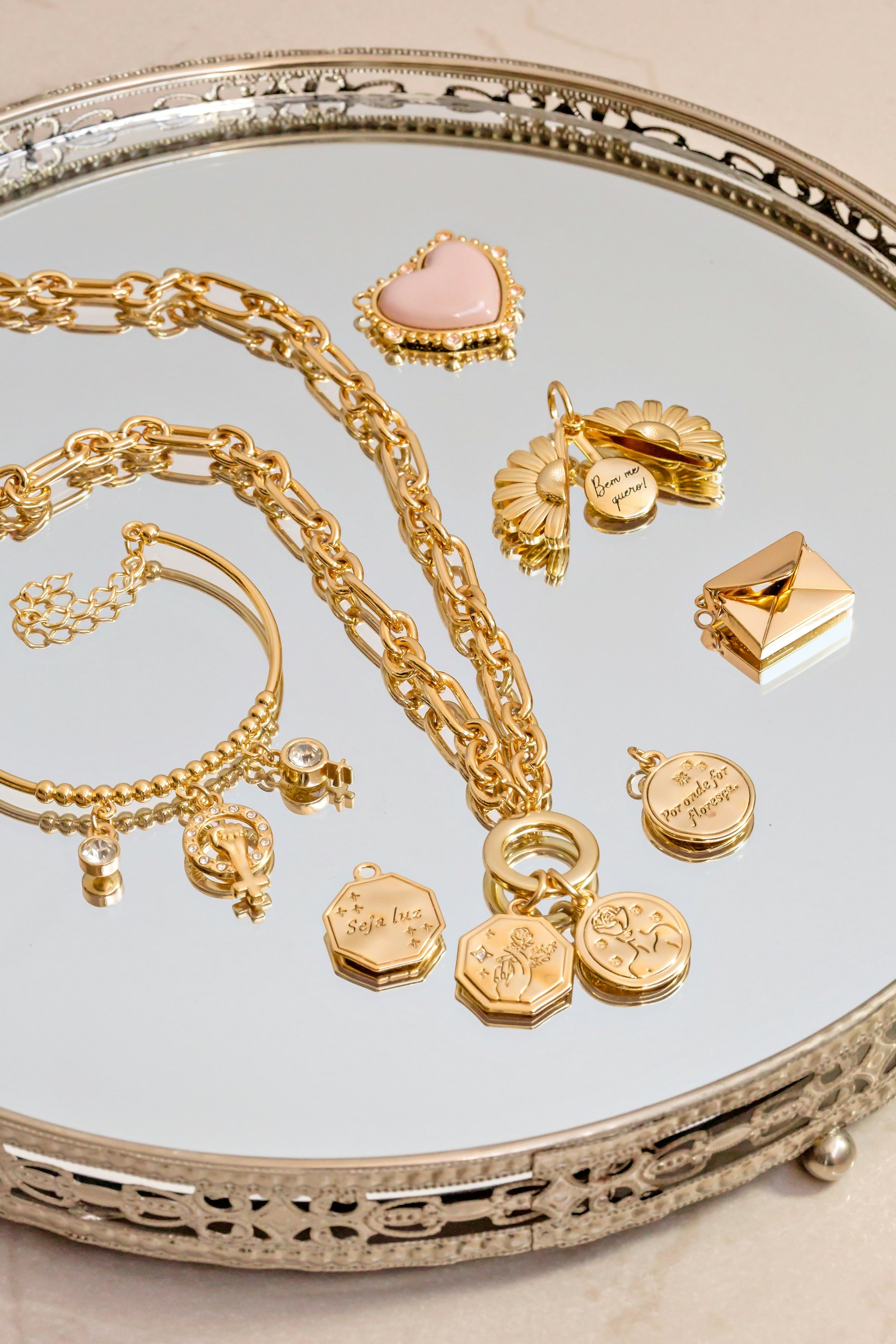
Create one daily landing zone
Choose where jewelry really comes off: dresser, shallow bedside drawer, or closet shelf. Keep only a normal week of pieces there so the zone remains quick to scan. If you are working on the same space, How to Keep a Small Bedroom Nightstand From Becoming the Room’s Junk Drawer covers the next decision in more detail.
A deliberately small tray prevents expansion across the surface. This supports keeping a small dresser top clear.

Keep matching pairs together
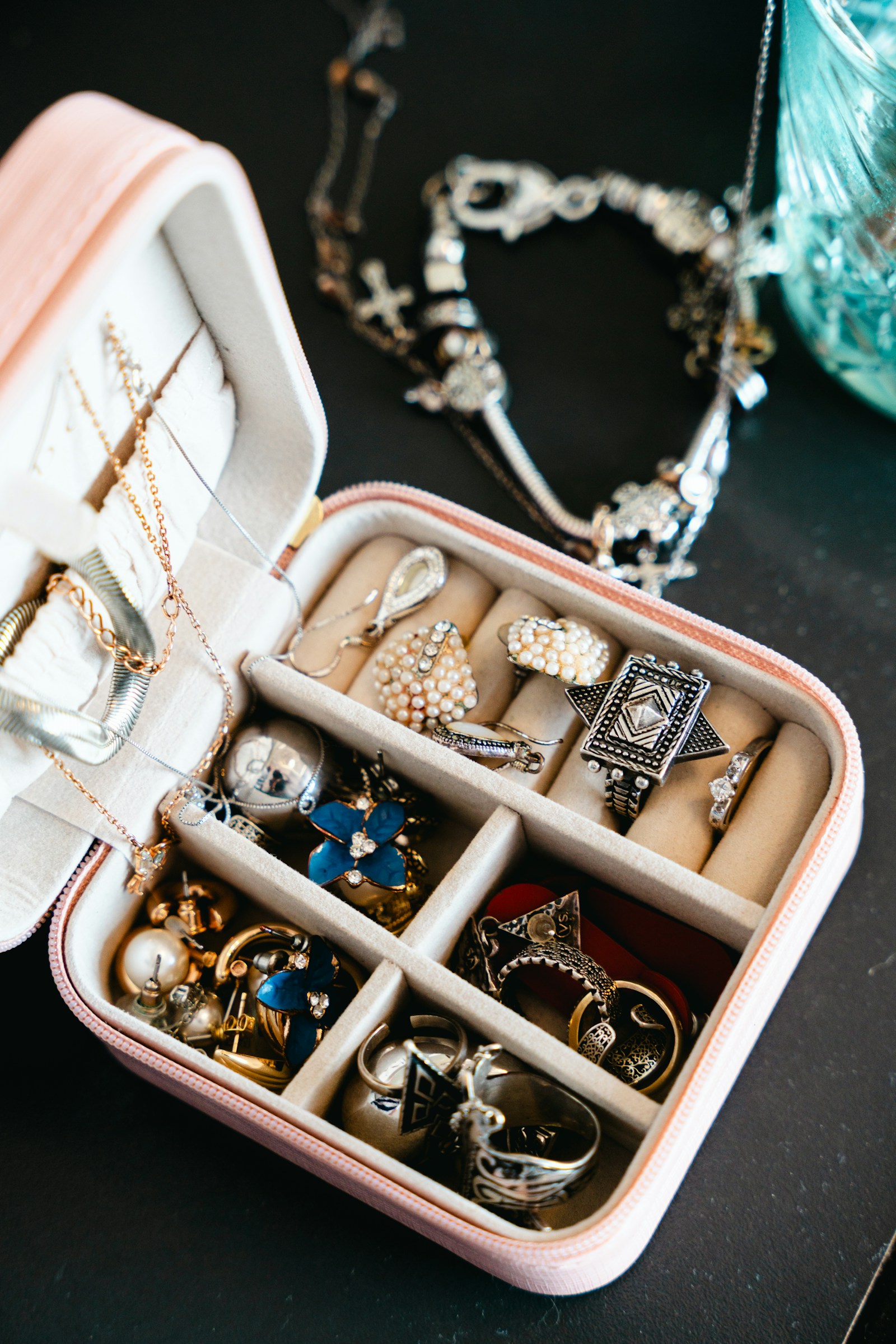
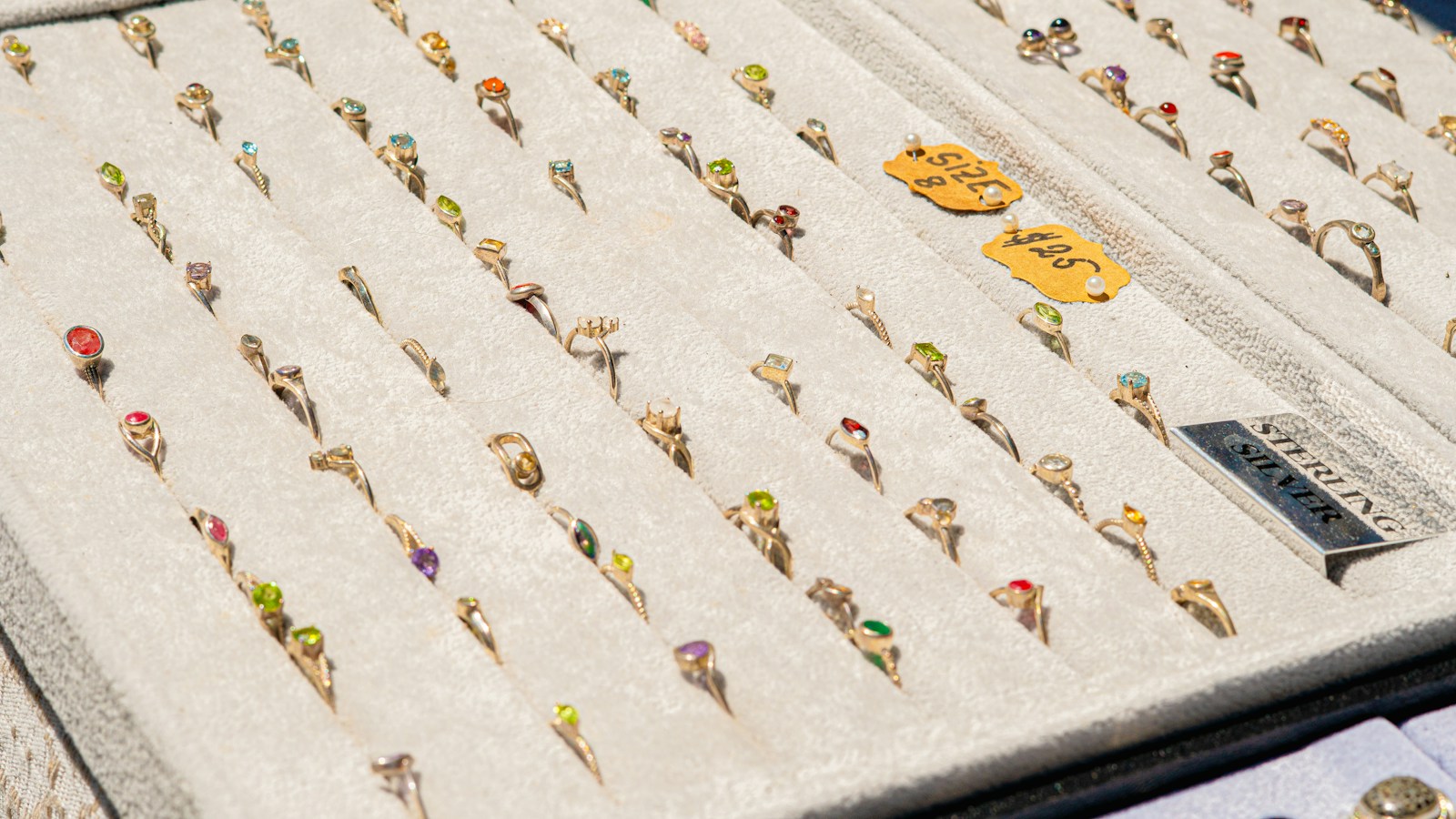
Studs and small hoops disappear in a shared compartment. Use a divided insert, earring card, or lidded sections with enough finger room to lift one pair without disturbing the rest.
If jewelry comes off elsewhere, allow one temporary catch dish and empty it during the bedroom reset. Multiple permanent drop zones create multiple places to search. If you are working on the same space, How to Set Up a Laundry Basket System for a Small Bedroom covers the next decision in more detail.
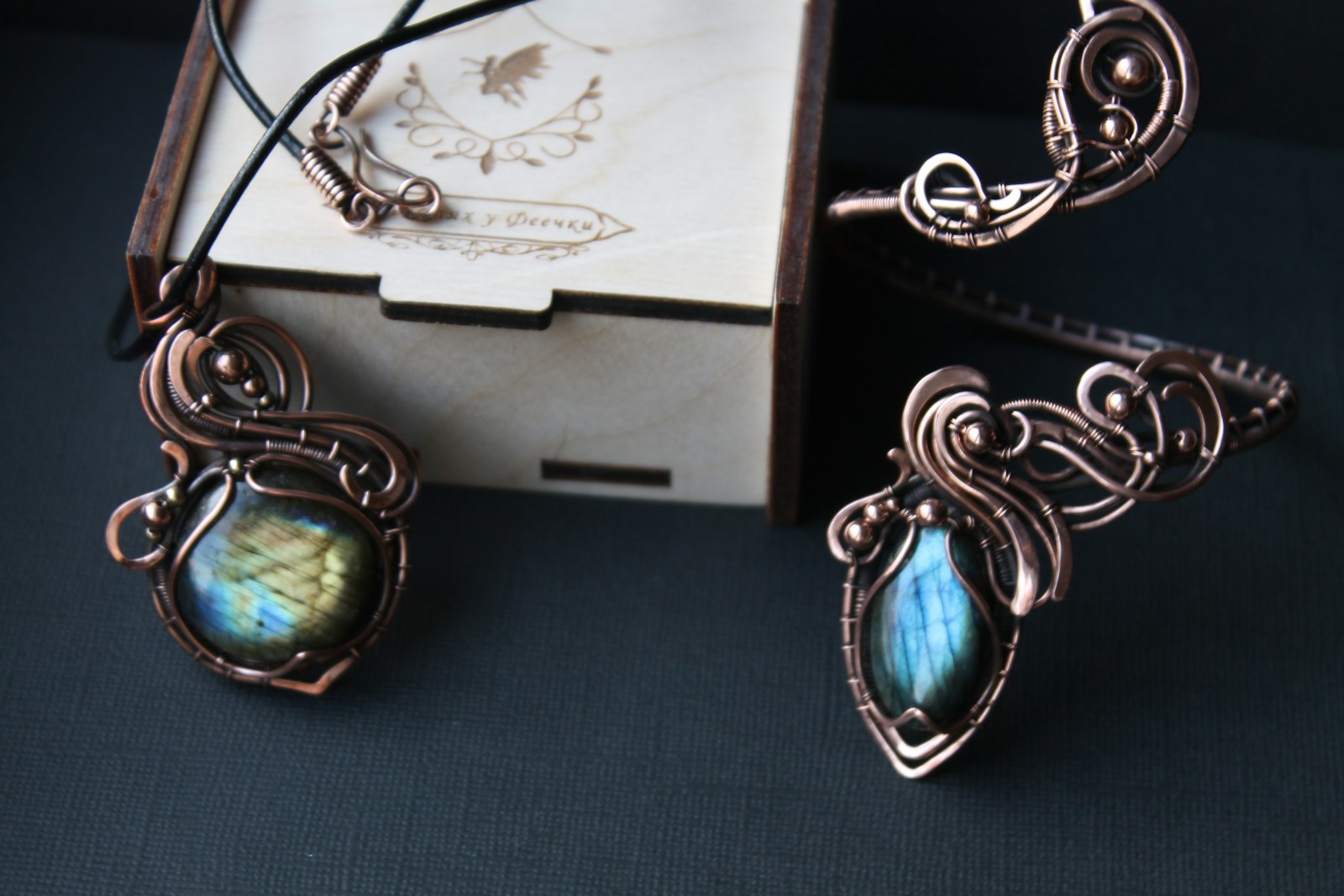
Prevent necklace knots
Necklaces need vertical separation or individual shallow channels. Hooks work when they cannot snag clothes; a drawer is calmer when visible wall storage would make the room busy.
Do not hang many chains on one hook. That saves hardware but recreates the knot.

Use drawer depth carefully
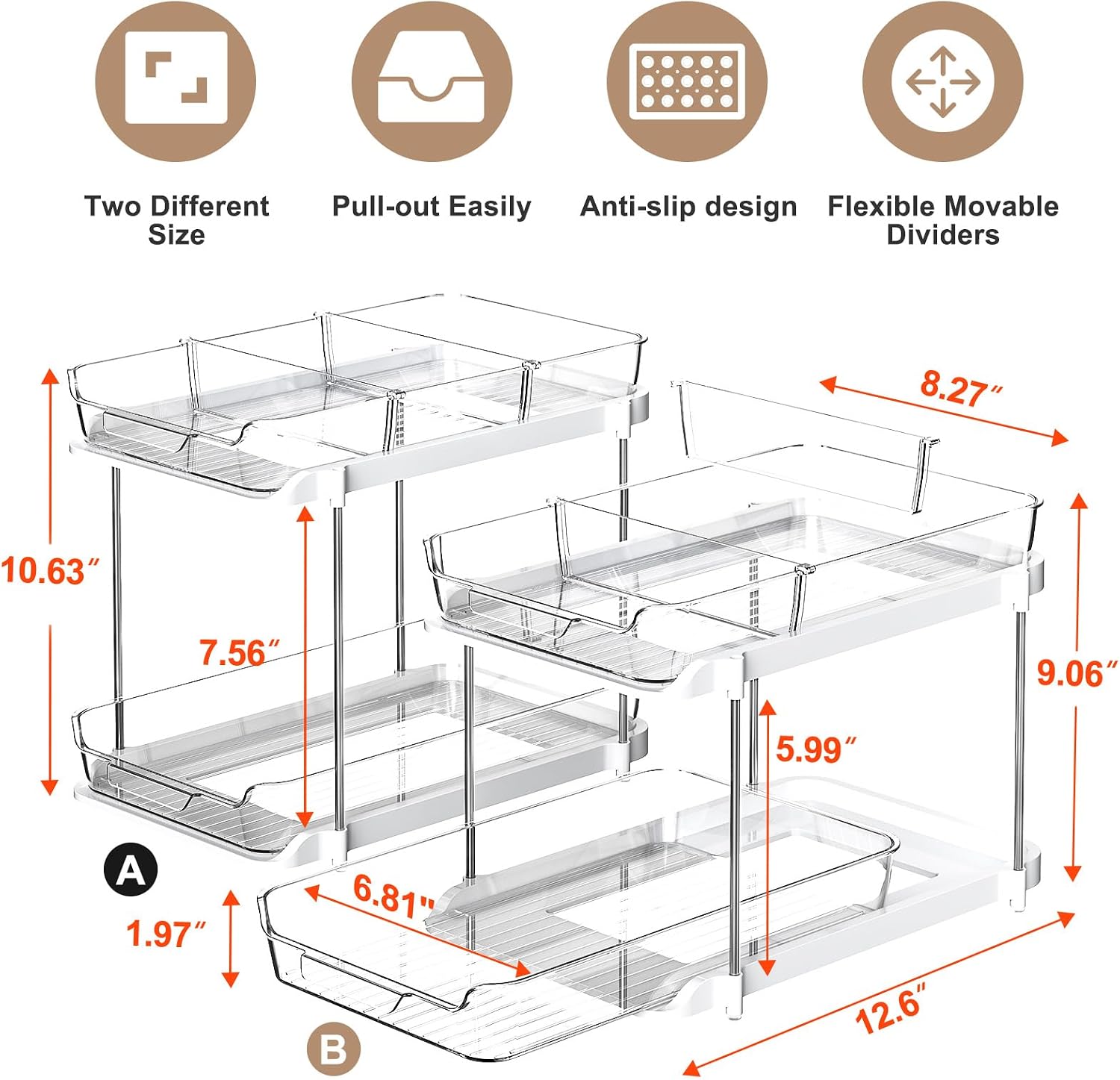
A shallow drawer often outperforms a deep box because the collection stays in one visible layer. A second removable tray should hold genuinely occasional pieces, not hide daily items.
Measure inside width, depth, height, curved sides, and hardware. Leave one empty section so a new piece does not instantly overload the plan.
Separate hair accessories
Hair ties, headbands, pins, and claw clips have more volume and different handling needs. Give them a separate cup, bin, or drawer section near the dressing routine.
Mixing them with chains turns precise storage into rummaging and makes small earrings harder to see.
Protect sentimental pieces
Use closed secondary storage and material-appropriate separation. Original boxes can help, and important items may need household documentation. Avoid openly displaying genuinely valuable pieces; security is different from daily convenience.
Plan for moisture, children, and pets
Bathrooms can expose materials to humidity and splashes. Open dishes also attract curious children and pets. Choose higher or closed storage when swallowing, entanglement, or pawing is a concern.
Run a five-minute weekly reset
Match pairs, return occasional pieces, untangle chains early, wipe the tray, and move repairs to one limited envelope with a decision date.
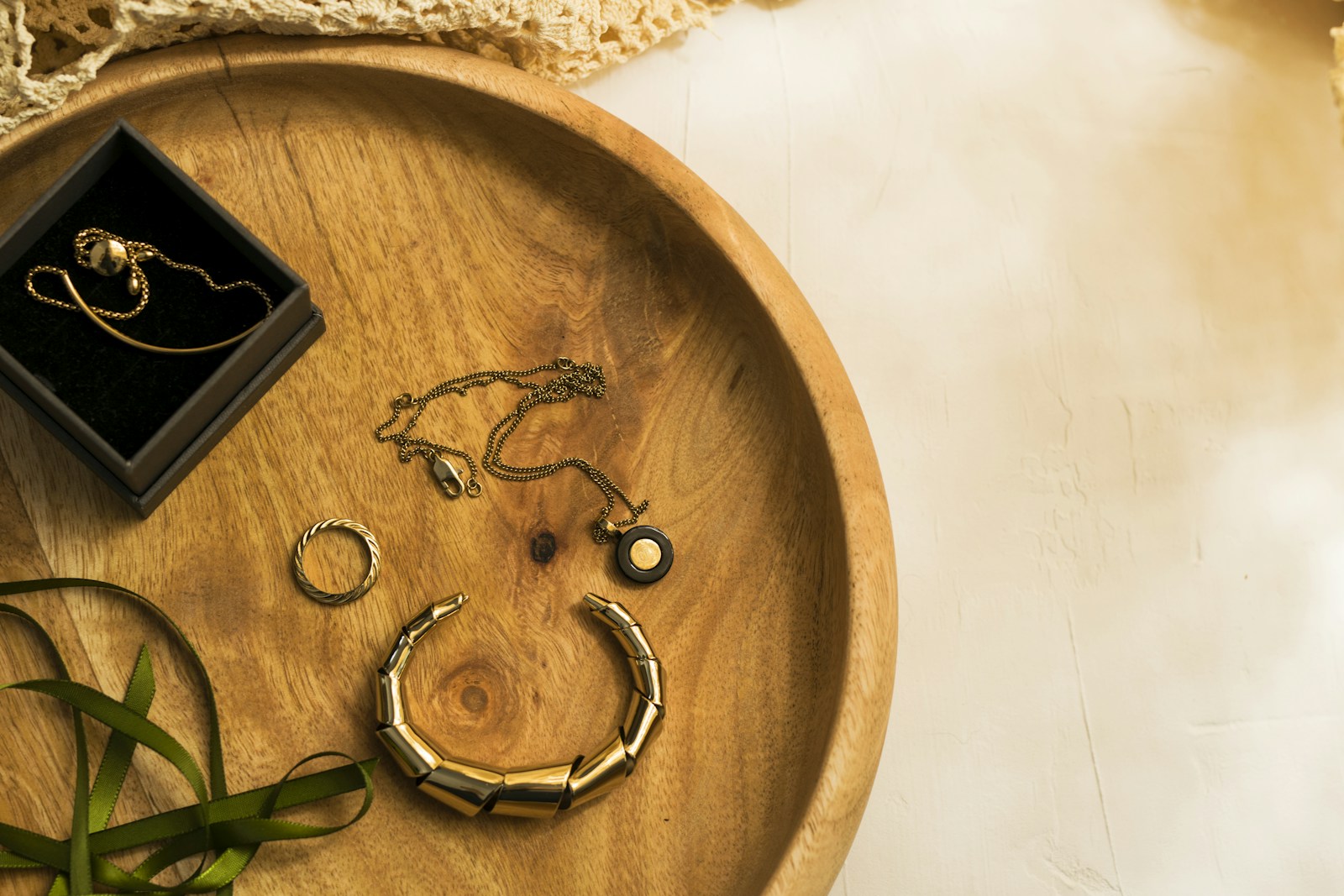
What I would choose for three common collections
Minimal daily collection: one shallow tray with divided earring space and a separate hook row for necklaces. Larger fashion collection: one shallow drawer organized by type, with a strict daily edit on top. Sentimental collection: closed protected storage away from the daily dressing zone.
These systems look different because access and protection have different priorities. Trying to make sentimental storage as convenient as daily storage often exposes too much; trying to protect daily pieces too deeply makes the routine annoying.
Use a one-in, one-check rule
When a new piece enters, check whether it replaces an old favorite, fills a real gap, or requires a new compartment. This is not a rigid one-in-one-out rule. It is a pause that prevents tiny purchases from expanding the category invisibly.
If the organizer is full, do not immediately add another container. Review unworn pieces, duplicates, missing pairs, and repairs first.
Travel without dismantling the home system
Keep one small travel case separate from permanent storage. Pack only selected pieces into it, then return them after the trip. Using the main organizer as a travel kit increases the chance of leaving items in luggage or mixing them with toiletries.
Continue through the right silos
Browse Home Organization, the verified Bedroom hub, and Closets & Storage.
My conclusion
The best organizer matches use frequency and removal location. Keep the daily edit small, separate chains and pairs, protect sentimental items, and reset before tiny exceptions become permanent clutter.
Frequently asked questions
Should jewelry stay on display?
Display a small, low-risk daily edit only if it supports the routine. Closed storage is calmer, less dusty, and more secure for the rest.
What if there is no drawer?
Use a compact lidded box on a closet shelf or a purpose-designed hanging organizer that does not interfere with doors.
Where do repairs go?
Use one limited envelope or container with a decision date.