Disclosure: As an Amazon Associate, Small Home Rhythm may earn from qualifying purchases. Price, stock and product variants can change.
A jewelry box is most useful when daily pieces are visible enough to wear and delicate pieces do not tangle. The Umbra Mini Stowit has a covered top and small sliding compartments. Its compact footprint suits some dressers, but the hidden-drawer idea can make small pieces harder to remember unless you assign every compartment a purpose.
This is a research-based review of the named Mini Stowit Jewelry Box, black/walnut. We have not used, timed or durability-tested it. The practical checks below are designed to help you compare the current listing with your own room rather than treating a marketing photograph as proof of fit.
Audit the collection first
Lay out what you actually wear: everyday rings, earrings, chains, watches and special-occasion pieces. Separate pairs and notice items that need a long, flat space or a soft lining. The Mini Stowit is a small box; it cannot turn a large collection into a visible display. Measure the longest necklace and largest watch before ordering. If you own only three frequently worn items, a single dish in a safe place may be simpler. For a related step-by-step approach, see Pipishell Bed Tray Review: Breakfast Space, Leg Clearance and a Soft Mattress.
Give each drawer one role
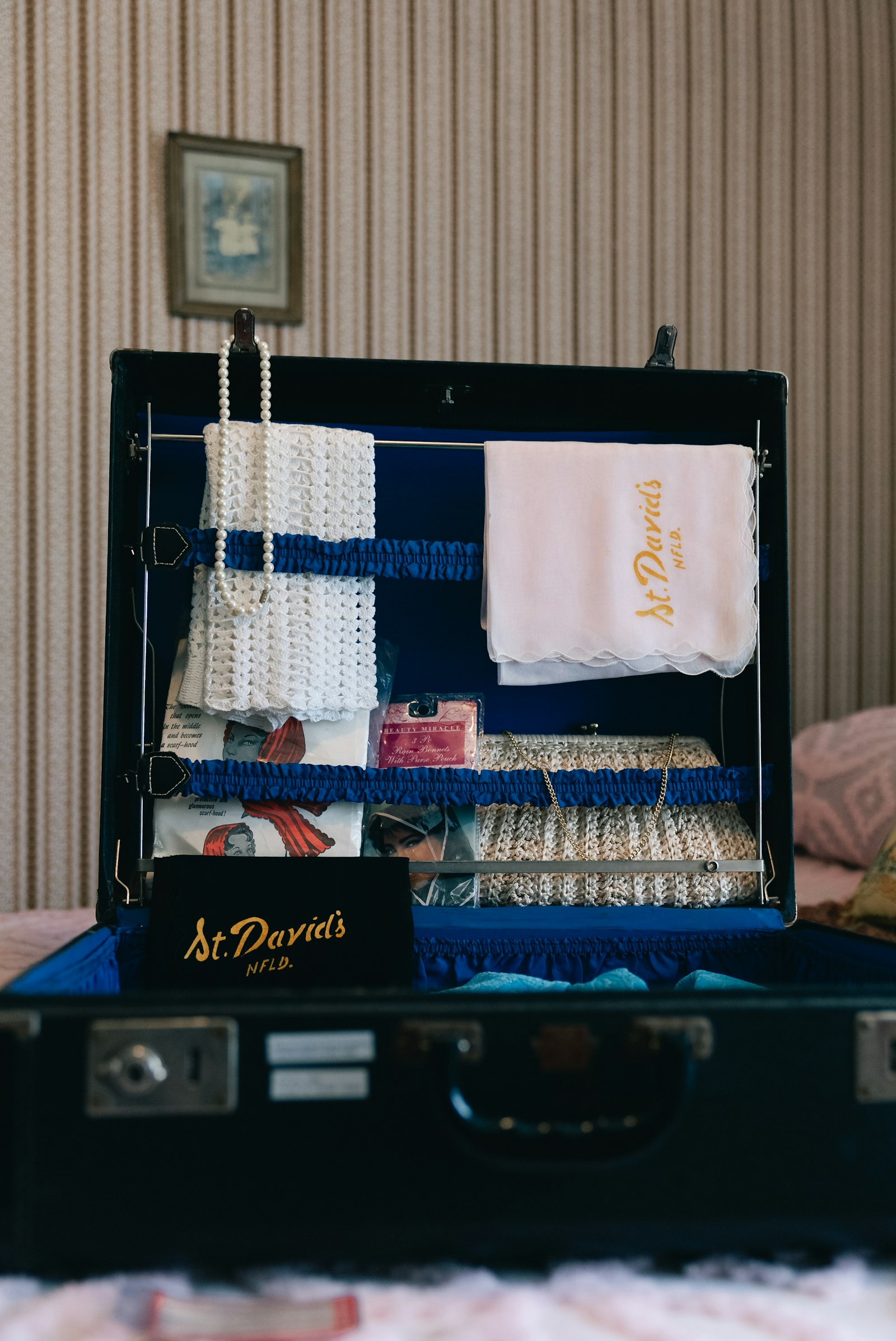
Hidden drawers are appealing precisely because they close away visual clutter. Put daily earrings in the most accessible section, rings in a separate shallow area, and occasional items farther back. Do not pour loose chains together. A tiny label under a drawer or a quick inventory photo can help if you forget what is inside. Test opening the drawers while the box sits where it will live; nearby lamps or walls can block access.

Consider the top surface
The flat top can act as a temporary landing area, but that defeats the point if you pile unrelated objects there. Leave enough vertical clearance to open or remove the lid as designed. Think about sunlight, humidity and perfume overspray; bedroom storage should protect finishes as well as keep pieces tidy. Keep especially valuable jewelry in secure storage rather than assuming a decorative box provides protection from theft.

Footprint on a small dresser
Mark out the box and the full travel of each drawer with paper. Include the reach to a mirror and the path for a lamp cord. A box that fits alongside skincare bottles may still force you to move everything whenever you open it. If the dresser doubles as a nightstand, do not place the box where it blocks a glass or alarm. Wall-mounted hooks may use less surface area for long necklaces.
Materials and care
The selected Amazon listing is black/walnut; check the exact finish if you expected white. Wipe the outer surfaces according to Umbra’s instructions and remove grit before closing sliding compartments. Avoid soaking lined spaces or using harsh polish near jewelry. Inspect closures occasionally so a trapped earring does not catch in the mechanism. A compact storage box needs a calm, repeatable put-away routine to be more than a decorative object. For a related step-by-step approach, see OXO Fogless Shower Mirror Review: Check Your Tile Before Buying.
Morning and bedtime reach
Place a paper template of the Mini Stowit where it would stand and run through the morning routine. Can you open the correct drawer without shifting a lamp or leaning across cosmetics? Does the lid stay usable when a mirror or wall is behind it? At bedtime, do you tend to remove rings near the sink instead of the dresser? A beautiful box in the wrong location will not catch daily pieces. Move the routine to the box or choose a simpler dish where jewelry already lands. Bedroom storage should follow actual behavior rather than an idealized dressing area. For the broader setup, How to Store Jewelry and Small Accessories in a Small Bedroom Without Losing Pieces is a useful next read.
Protect small pieces from tangles
Close clasps on delicate chains before laying them flat and use separate sections for earrings with fragile posts. Do not overfill sliding compartments: one stray hook can catch and scratch another piece. Check whether the lining material and compartment dimensions suit jewelry with gemstones or larger watches; product photos may depict smaller pieces than yours. Leave a little empty space so you can see what you own. If the collection grows, move seldom-worn pieces to a separately labeled safe place instead of stacking layers and losing track of favorites.
Questions to settle before ordering
Will this fit the room as it is today?
Start with the limiting check: inventory pieces by size and frequency. Then account for the space needed to open, remove, wash and put away the item. In a small home, usable clearance is more revealing than the outside dimension alone. If the object or surrounding furniture moves, measure at both ends of that movement. Write down the number and compare it with the selected product variation, not a photograph of a similar model.
Will the routine still work when the room is busy?
Imagine the moment when small jewelry storage on a bedroom dresser is needed and another person is using the room. Try the sequence with a paper placeholder: reach, use, clean and return. Look for a point where an extra movement blocks a doorway or requires another item to move first. If the item must be relocated after every use, plan a permanent home for it. A convenient purchase should reduce repeated friction rather than create a new reset job.
How should I compare variants and claims?
Match the Amazon ASIN to the named model, then compare dimensions, material, included pieces and current instructions. Manufacturer claims are starting points for a fit decision, not results of our own testing. Reviews may help identify questions to ask, but a customer’s room and usage can differ from yours. Check return terms and the seller at checkout. If a key specification is unclear, contact the manufacturer before ordering rather than assuming another color or size is identical.
Who should buy it—and who should pass?
Consider it if: Someone with a modest set of rings and earrings and a clear dresser surface for a compact box. The value lies in solving the daily placement problem for small jewelry storage on a bedroom dresser. Try to identify the exact point in your routine when you would reach for it, and the precise space it will occupy once put away. A product that works only after clearing a surface every time is unlikely to remain useful.
Skip it if: A large necklace collection or a dresser with no room to extend the drawers. Do the small measurement and routine test before checkout. Amazon variations can have different materials, colors and dimensions, so verify the selected version on the page immediately before purchasing. We do not assume the current price, warranty or availability.
Before-you-buy fit check
- Inventory pieces by size and frequency. Write down the result rather than estimating from a photograph.
- Measure lid and drawer opening space. Write down the result rather than estimating from a photograph.
- Confirm black/walnut finish at checkout. Write down the result rather than estimating from a photograph.
- Decide where valuable pieces belong. Write down the result rather than estimating from a photograph.
Once those checks are done, look at the product photographs and the installation or care instructions for the exact variation. Include the object around the product in your measurement: a swinging door, a drawer opening, a child’s reach or a plug and cable can change the fit. If one necessary dimension is missing, ask the manufacturer or choose a product with published specifications. A reversible paper or cardboard mock-up is cheaper than a return.
What could you use instead?
Use a shallow divided drawer insert or a set of wall hooks for longer pieces. The right comparison is the full routine: how many steps it takes to get the item out, use it, clean it and return it. Count surfaces you gain as well as any shelf, wall or floor area the new item consumes. If a tool you already own covers the occasional job, keep the new purchase on a wish list until the problem repeats several times.
Amazon product and current listing
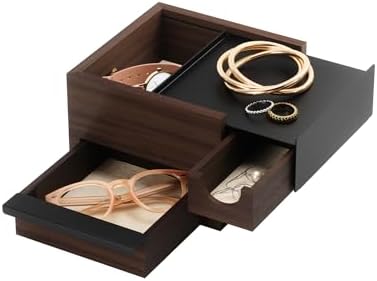
Umbra Mini Stowit Jewelry Box, black/walnut — View this exact model on Amazon. Check the selected color, variant, seller and latest manufacturer instructions; the image illustrates the listed item and does not document a hands-on test.
Before placing an order, open the affiliate link and compare the product title and ASIN B01N4FTMJT with the specifications that mattered in your room. If the listing switches to a different variation, stop and recheck the measurements and materials. Reviews can surface recurring complaints, but treat them as individual experiences and weigh them against the published product details.
Final verdict for a small home
Someone with a modest set of rings and earrings and a clear dresser surface for a compact box. Use a shallow divided drawer insert or a set of wall hooks for longer pieces. Keep the decision tied to the one friction point this item could remove; a larger capacity or an extra shelf is not useful if it makes the room harder to move through, clean or share. Revisit the fit checklist with the current listing before buying.
Explore more Buying Guides and the Bedroom room guide for related small-home ideas.
Sources
- Amazon product listing for Mini Stowit Jewelry Box, black/walnut — https://www.amazon.com/dp/B01N4FTMJT