A nightstand is one of the smallest pieces of furniture in a bedroom, yet it attracts an impressive amount of clutter.
Glasses, chargers, tissues, medication packaging, receipts, hair ties, books, cups, coins, and random objects all land there because the surface is convenient. If you are working on the same space, How to Store Suitcases and Travel Gear in a Small Apartment covers the next decision in more detail.
The simplest fix is to decide that the nightstand supports sleep and waking up—not every small thing that enters the bedroom.
Choose what is allowed to stay on top
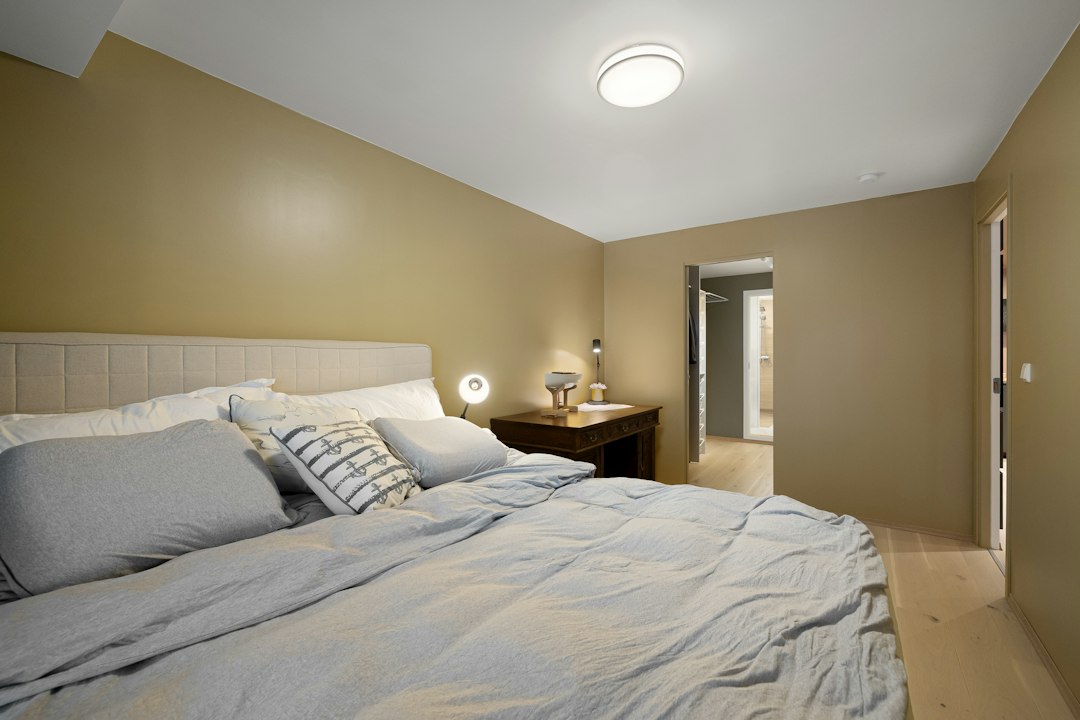
Keep the permanent surface set small. For many people, that may be a lamp, phone or alarm, glasses, one book, and water.
If every item on top has a reason to be there, new clutter becomes much easier to notice.
Create a “use tonight” rule
Ask whether an item is likely to be used before sleep, during the night, or immediately after waking. If not, it probably belongs somewhere else.
This rule moves skincare back to the bathroom, paperwork to the office system, jewelry to its storage, and laundry to the clothing loop. If you are working on the same space, How to Set Up a Laundry Basket System for a Small Bedroom covers the next decision in more detail.
Keep charging simple
Use only the charging cable needed at the bedside. Extra adapters and old cords should move to the household tech-storage system.
For the larger cable plan, see How to Organize Chargers and Cables in a Small Home Without Creating a Tech Drawer.
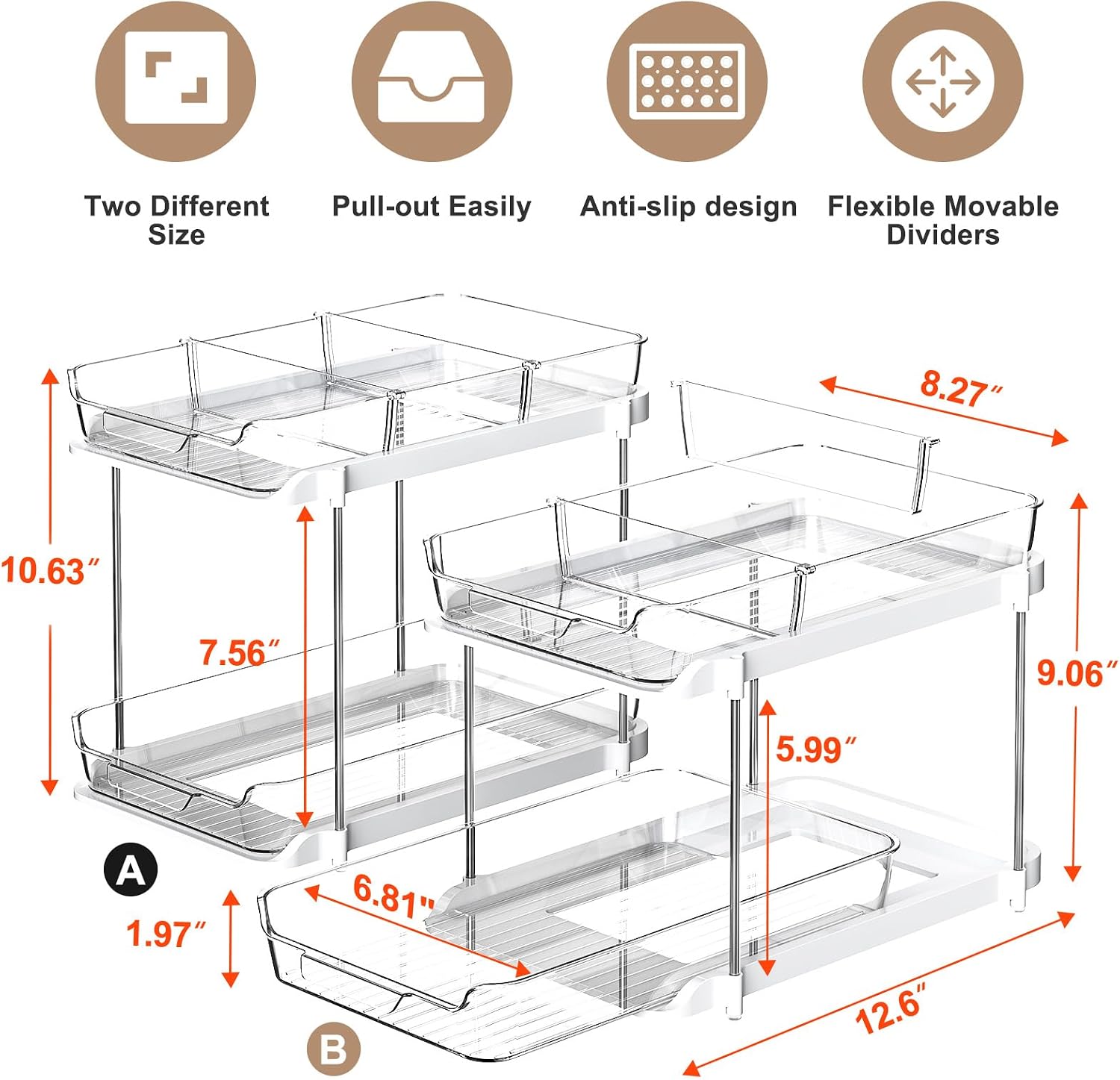
Give the drawer one or two jobs
If the nightstand has a drawer, avoid turning it into a miniature junk drawer. Good categories include:
- sleep accessories,
- reading items,
- small personal items used at bedtime.
Keep the category narrow enough that you can see everything without digging.
Keep paper out
Receipts, mail, school forms, and notes often migrate to the bedside. Unless the paper supports the current book or sleep routine, move it to the family action-paper system.
Limit books to what you are actually reading
A stack of six books can make a small table unusable. Keep one or two current reads beside the bed and return finished or paused books to the main book zone.
Give tissues and small supplies a real limit
One tissue box is useful. Extra boxes, refills, and backup personal-care items do not need prime bedside space.
Do not use the nightstand for wear-again clothes
Clothing placed on the chair or nightstand quickly turns the bedroom into a dressing-storage hybrid. Give wear-again clothes one hook, basket, or other clear zone. For a related step-by-step approach, see How to Organize a Small Bedroom Dresser So Clothes Don’t End Up on Top.
See How to Keep a Small Bedroom Clean When Clothes Keep Piling Up.
Protect a clear landing spot
Leave enough empty space for one temporary object: a cup, glasses case, phone, or book. A fully occupied nightstand has no capacity for real life. For a related step-by-step approach, see How to Keep a Small Bedroom Calm When It Also Has to Be a Workspace.
The two-minute nightly reset
- remove cups and dishes,
- throw away obvious trash,
- return loose objects to their real homes,
- put the current book back,
- plug in the device if needed,
- leave part of the surface clear.
The five-minute weekly reset
Once a week, empty the drawer enough to remove receipts, packaging, duplicate items, and anything that migrated in. Wipe the surface as appropriate and return only the categories that belong.
Frequently asked questions
What should be on a small nightstand?
Only the few items that support sleep, reading, charging, or waking up.
What if I need many personal items at night?
Use a small caddy or drawer category, but keep backups elsewhere so the nightstand stays usable.
Should I keep medication on the nightstand?
Follow the medication’s storage instructions and your household safety needs. Do not assume the bedside is appropriate for every product.
A nightstand should make bedtime easier
Keep the top focused on tonight, the drawer limited to one or two functions, and everything unrelated moving back to the systems that already exist elsewhere in the home.