
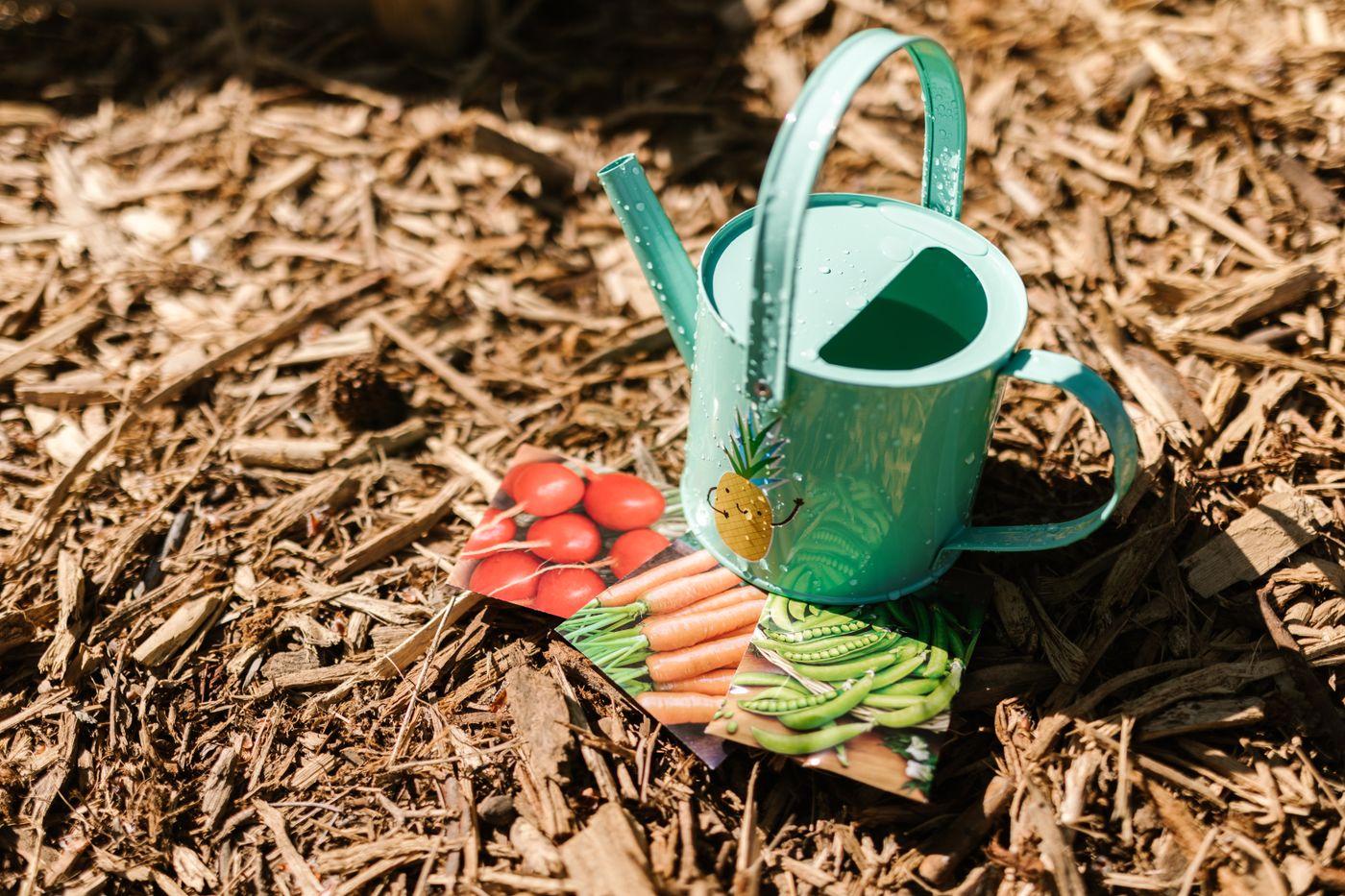
A packet of seeds contains more than something to sow. It carries a variety name, producer information, dates, and directions that may be difficult to reconstruct once the packet is separated from its contents. Organize the collection so that choosing what to grow does not require guessing what is inside an anonymous envelope.
Pinterest’s autumn 2026 trend page includes botanical interests. This guide applies that context to a small home collection of seed packets. It is a storage and planning routine, not a universal planting calendar or a recommendation to sow every saved seed this autumn.
Keep the original packet as the working reference
Gather the packets without pouring their contents together. Keep different varieties separate even when the seeds look alike. Read the complete plant and variety name, producer, package information, and any special handling directions. Preserve identification for purchased seed and clearly distinguish it from material collected or received from another person.
Check both sides before trimming a packet to fit a container. The attractive front may show the plant, while the practical instructions sit on the back. If the packet is damaged, retain its readable sections with the contents in an appropriate clearly identified arrangement. Photographing the information can provide a backup, but an image of the front alone may not preserve the useful details.
Separate the collection by what is known
Create a ready-to-plan group whose identity and instructions are readable. Keep uncertain packets in a small separate group while you resolve their information. A handwritten label such as red flowers is not enough to choose a reliable sowing method. Ask the original source for clarification where possible rather than turning a vague description into a precise plant name.
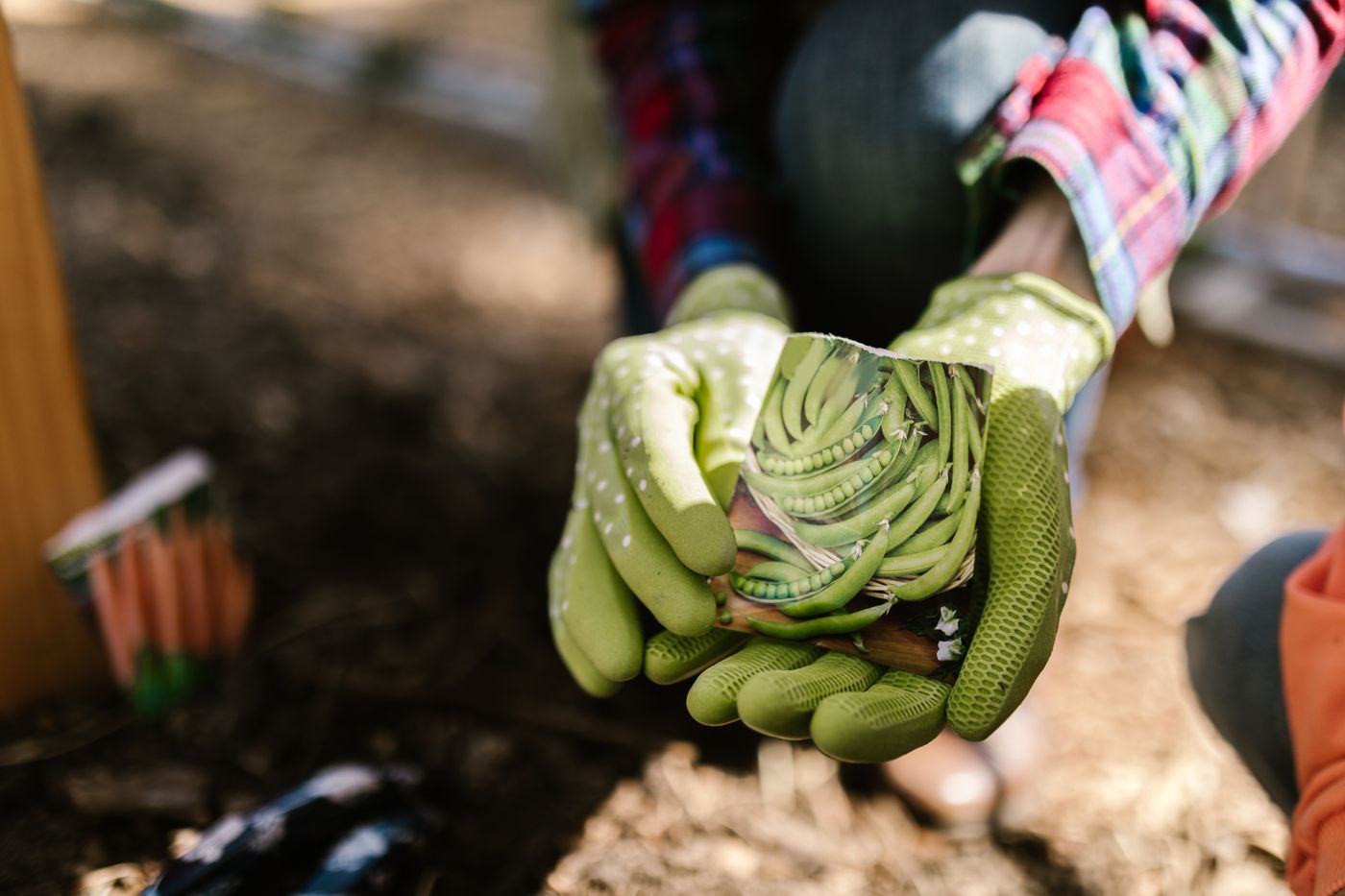
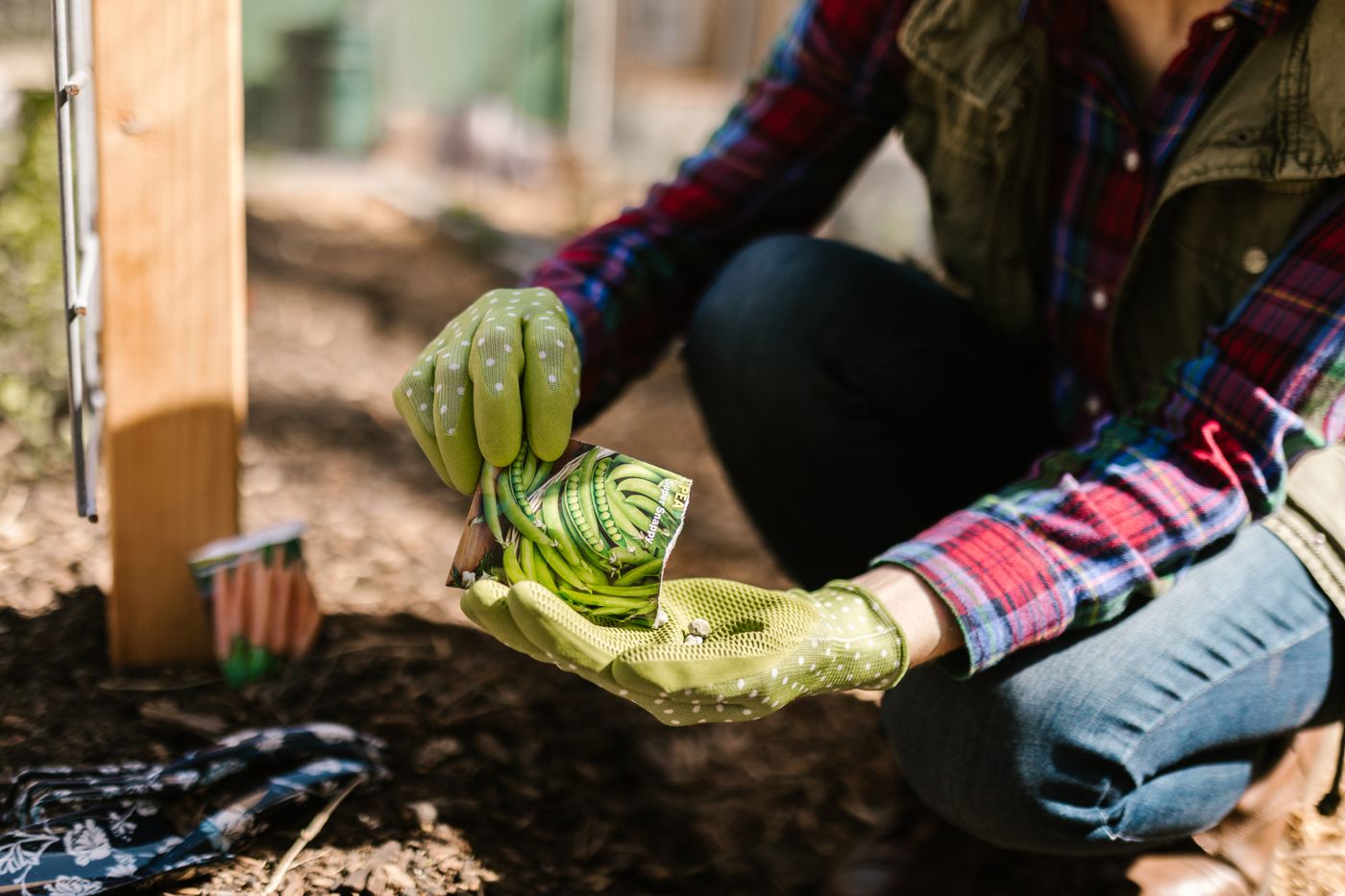
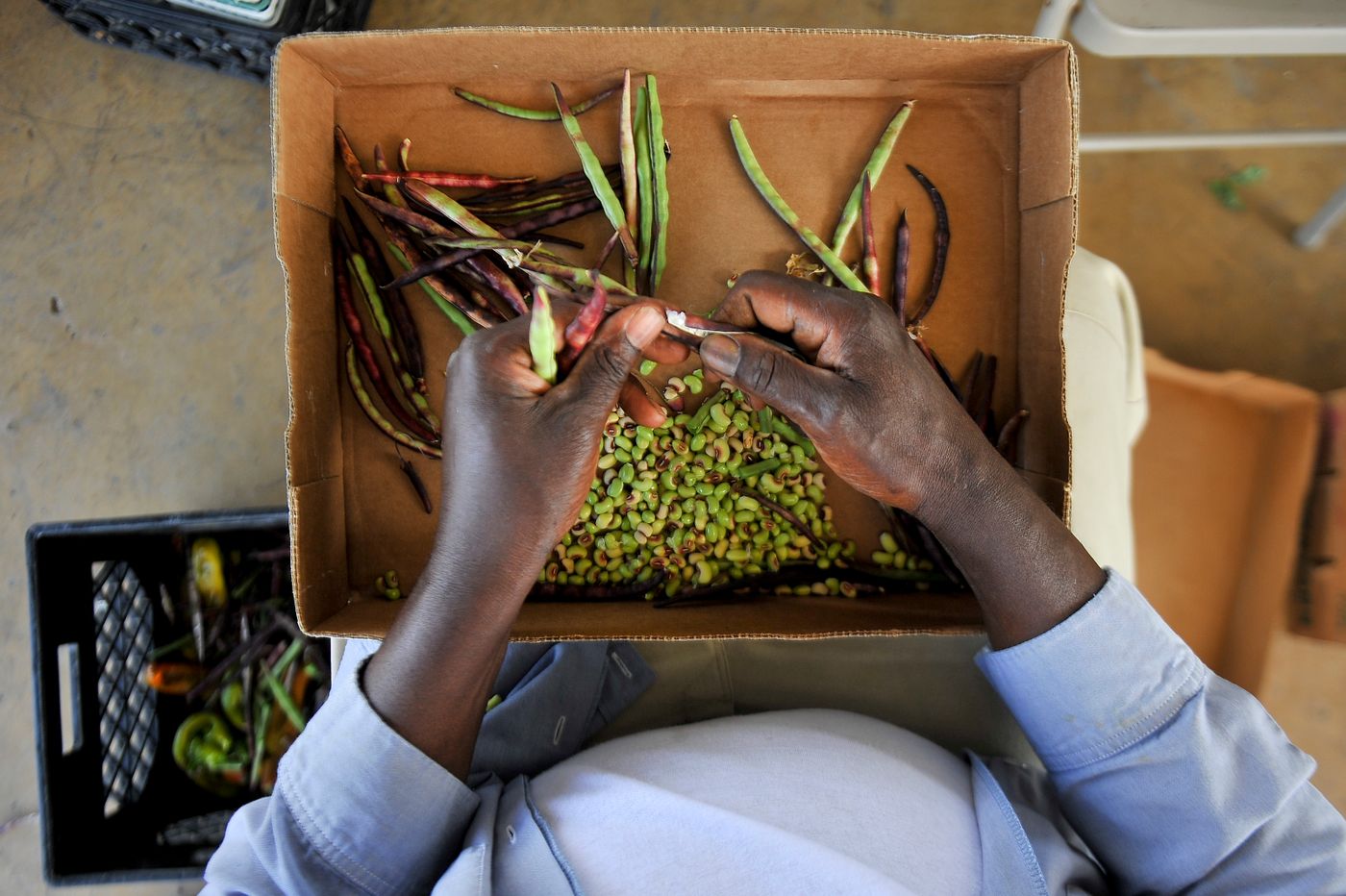
Treat harvested seed as a separate preparation task before it enters the ready storage system. Follow suitable plant-specific guidance for collection and preparation. The photograph of hands sorting harvested pods illustrates that earlier stage; it does not establish that freshly collected material is ready for closed storage or that every pictured seed has the same requirements.
Give dates their actual meanings
Record dates as they appear and label what each one means. A printed packed-for year, an opening date, a collection date, and a household note about receiving a gift are different kinds of information. Keeping them separate makes the record more useful than assigning every packet a single unexplained number.
Do not turn a package year into a universal discard date. Storage life and germination behavior differ between products and conditions. If you need to decide whether older seed is worth using, consult its producer or appropriate extension guidance for the actual plant. This organizing system preserves the information needed for that decision without pretending it can guarantee viability from a label.
Choose storage conditions before the decorative box
Iowa State Extension’s guidance on leftover seed discusses cool, dry storage and enclosing opened packets in a suitable tightly sealed container. Follow that guidance in conjunction with the seed producer’s requirements. An attractive closet position is useful only if its conditions are appropriate for the actual contents.
Assess the location through ordinary household use. A cupboard near a heat source or a place exposed to repeated dampness may be unsuitable even when the packets fit neatly. Keep the collection appropriately separated from food and household materials that could cause confusion. Seeds intended for planting should remain clearly identifiable as planting material.
Make the packet opening easy to secure
After using a packet, close it in a way that contains the remaining seed and preserves its information. Use the producer’s packaging as intended where possible. Do not cut away the identity panel simply to obtain a smaller fold. If an additional suitable envelope is needed, keep the original information associated with that exact variety.
Check that small seeds cannot escape into a communal bottom corner of the storage box. A collection of loose mixed seed may look minor but can destroy the confidence the rest of the organization provides. Correct a failing packet promptly rather than assuming a new divider will contain material that is already leaving its wrapper.
Build a short planning index
Make a modest list of the varieties you genuinely intend to consider for the next suitable growing period. Include the full name and a clear pointer to the original packet. Add a column or note for the local guidance you need to check, such as your region’s recommended sowing window. Keep the packet’s original instructions available alongside the index.
Avoid copying another region’s calendar as if it applies to every U.S. household. Climate, intended growing conditions, and plant requirements can change the decision. Use a local extension service or another appropriate primary source to turn the packet information into an actual plan. An index should reduce repeated searching while preserving the need for that local check.
Sort by your next decision
One household may find it easiest to group packets by the next local planning window; another may prefer vegetables and flowers, with a few current choices at the front. Try a simple arrangement with your existing container before creating many categories. The right order is the one that helps you retrieve a known packet without shuffling the entire collection.
The home-labeling guide can help you choose clear words and visual cues. A picture can make a group recognizable, but the full variety identity should remain available. If several people share the collection, agree on what a group means so that one person’s later sowing choices do not silently override another person’s plans.
Keep project identity with related plant records
If a packet relates to an existing plant record, note the connection without assuming every seed will produce an identical result. Keep the original source and variety information explicit. The houseplant-cutting record guide addresses a different propagation method, but the practical importance of preserving identity is shared.
For received or shared packets, record who supplied them and what information was actually given. Mark unknown details as unknown. This is especially useful when a friend remembers a plant by a local nickname while the packet uses another label. Preserve both descriptions as supplied until the identity is reliably resolved.
Set a limit before the next purchase
Choose a realistic boundary for the collection and its planning effort. The capacity ceiling method helps prevent one more interesting packet from automatically claiming another storage box. Consider available growing space, the projects already chosen, and the time required to use them. Buying seed and having a suitable place to grow it are separate decisions.
When the collection reaches that boundary, review the actual plan before expanding it. Keep useful duplicate quantities identifiable rather than merging packets with different dates or source information. If sharing is appropriate, preserve the same clear identity and directions for the recipient instead of passing along anonymous leftovers.
Test the system with one real retrieval
Choose a variety you may genuinely use and see whether you can find the packet, read the producer’s instructions, identify the relevant date, and locate the local planning note. That short test reveals more than a photograph of perfectly aligned envelopes. Fix the missing connection before adding another layer of categories.
The collection is working when the seed, source information, storage conditions, and next planning decision remain connected. You do not need a complete gardening archive in the closet. A small identifiable collection with a realistic next use gives the household more value than a larger box of packets whose names and intentions have become uncertain.
Explore related decisions in our Home Organization hub.
Sources and editorial scope
Editorial research checked October 24, 2026. Published trend reports are context for these editorial applications, not verified live keyword rankings. Practical household guidance; photographs do not document a tested household or authenticate pictured materials.
