
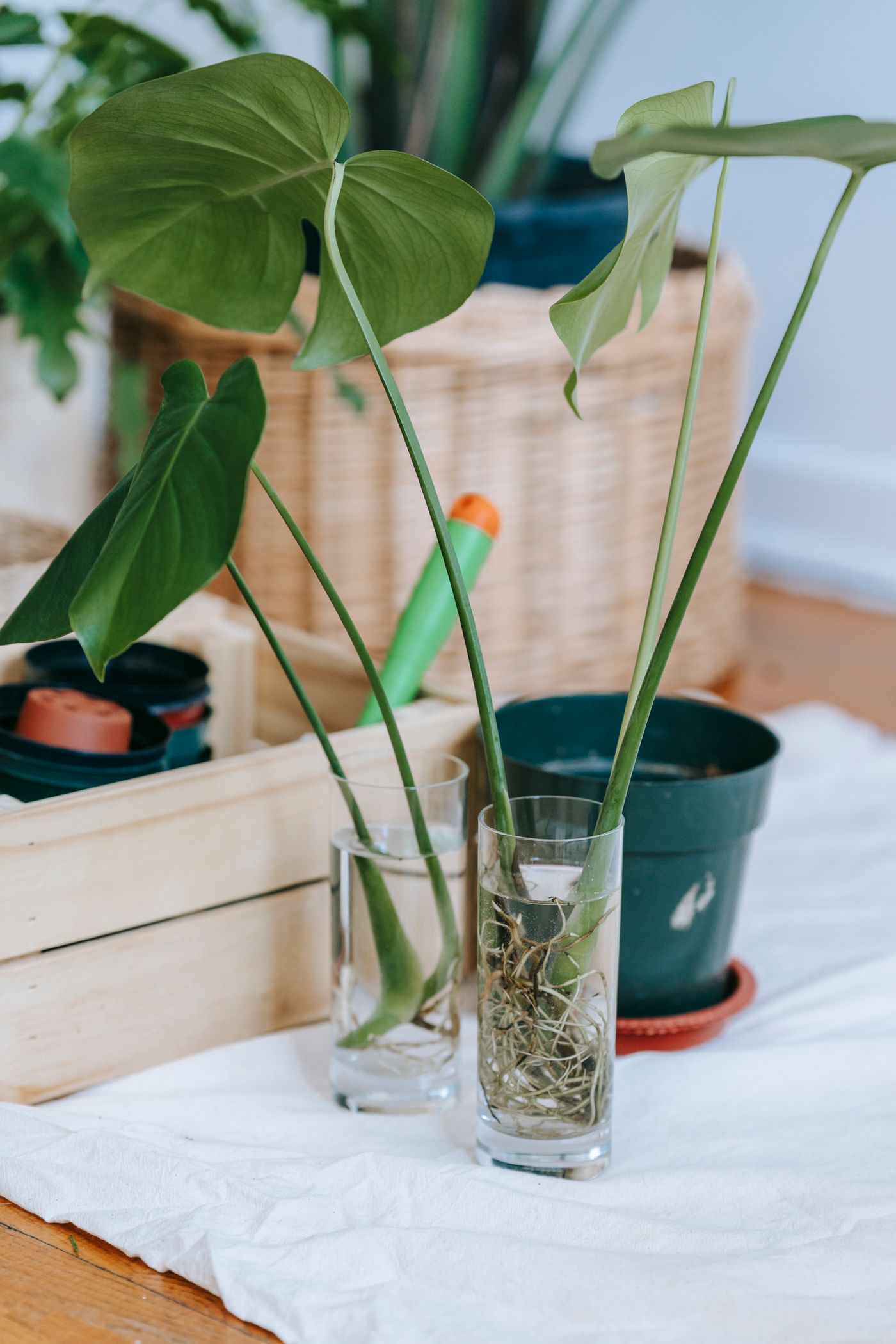
A glass with a green cutting is easy to recognize on the day you start it. A month later, several similar glasses can leave you guessing which parent plant supplied each stem, when the project began, and which care instructions you intended to follow. The plants may look like a small decorative collection while the information needed to manage them has quietly disappeared.
Give each cutting group a simple identity that stays with its container, plus a short record of its source, start date, and observations. Keep the care reference separate from your interpretation of what you see. This makes a small home-office collection easier to understand without turning plant care into a complicated spreadsheet.
Pinterest’s fall 2026 trend feature includes an interest in botanical hobbies. This article applies that interest to household organization. It does not teach a universal propagation technique or claim that a particular vessel, plant, or rooting method is currently the most popular choice.
Identify the plant before naming the project
Begin with the plant identity you can establish reliably. Preserve its original label or a trustworthy identification reference. If the name is uncertain, record that uncertainty instead of assigning a confident species name from a photograph. A familiar-looking leaf is not enough to transfer another plant’s propagation instructions.
Use an identifier for the actual parent as well as the plant name when the household has several similar plants. “Office parent A” can distinguish two pots without creating a botanical collection system. Record where the cutting came from and whether the plant belongs to you or somebody else.
Keep photographs as supporting references rather than replacing the written identity with a thumbnail. A picture may help reconnect a container with a parent pot, but it cannot establish care requirements or prove that a plant is safe for a particular household location.
Our guide to organizing indoor plant-care supplies covers the tools and materials around this activity. The record here follows the living project itself: which plant it represents, what was started, and what you need to observe next.
Choose a container identifier that survives ordinary handling
Assign each container a short code such as Office A-1, Office A-2, or Gift B. Put it where it remains readable without disturbing the plant. Use a labeling method compatible with the vessel, and keep loose tags away from places where they could fall into the water or growing medium.
Do not attach anything tightly around a growing stem just to preserve the code. The identifier belongs to the container or accompanying record. If the vessel must be replaced or washed, move the identity with the plant before the old label is removed.
For several cuttings intentionally managed together under the same instructions, one group record may be enough. Avoid combining unrelated species merely because the container looks attractive. Different projects can require different treatment, and a shared glass makes it harder to keep those differences clear.
The location name should describe the current position, not become part of the permanent identity. A cutting that moves from the office to another suitable room should not lose its history because its original code said “window.” Keep the code stable and update the position in a separate note.
Record the care source and the start conditions
Write the start date, parent reference, intended method, and the care source you are following. Include any important known details from that source. Keep this brief enough to maintain: a link and a plain description of the method are more useful than copied pages that you will not revisit.
University of Minnesota Extension’s Monstera guidance illustrates why plant-specific information matters: its discussion concerns a named plant and particular propagation approaches. It is not permission to apply that process to every leaf or stem in the house. Find guidance for the identified plant and the method you actually intend to use.
Keep instructions and observations visibly distinct. “Source recommends checking X” is an instruction reference. “Root visible against the glass on October 17” is your observation. Writing both as facts about the plant’s readiness can turn an incomplete note into an unsupported conclusion.
For keeping useful references, our paper-versus-digital record guide helps choose a format that suits the household. A small card can stay with the container while a saved official page carries the longer care explanation.
Use observations that another person could understand
Describe what you can see without diagnosing beyond your knowledge. Note a visible root, a changed leaf condition, a moved container, or a completed care action. Date the entry so you can distinguish an old observation from the current state.
Avoid entries such as “doing badly” or “ready now” without the information behind them. A short description is more useful: one leaf has yellowed since the previous check, the water level changed, or the stem was moved to a different container. If a symptom is concerning, consult an appropriate plant-care source or professional.
Photograph a meaningful change when that helps, keeping the container code visible in the image or file name. Use comparable views where practical. Different lighting, camera processing, and angles can make a small change look larger or smaller than it is.
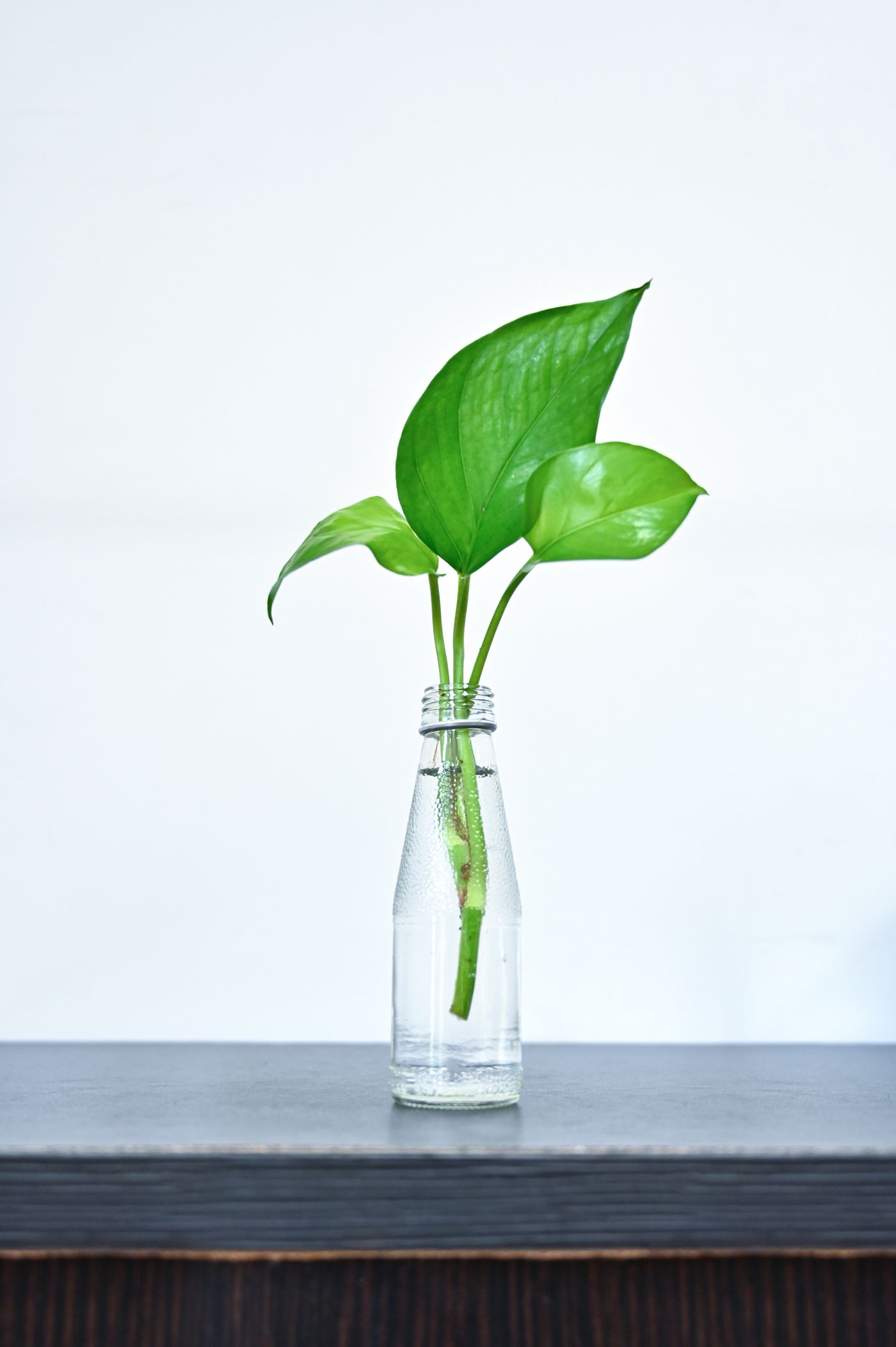
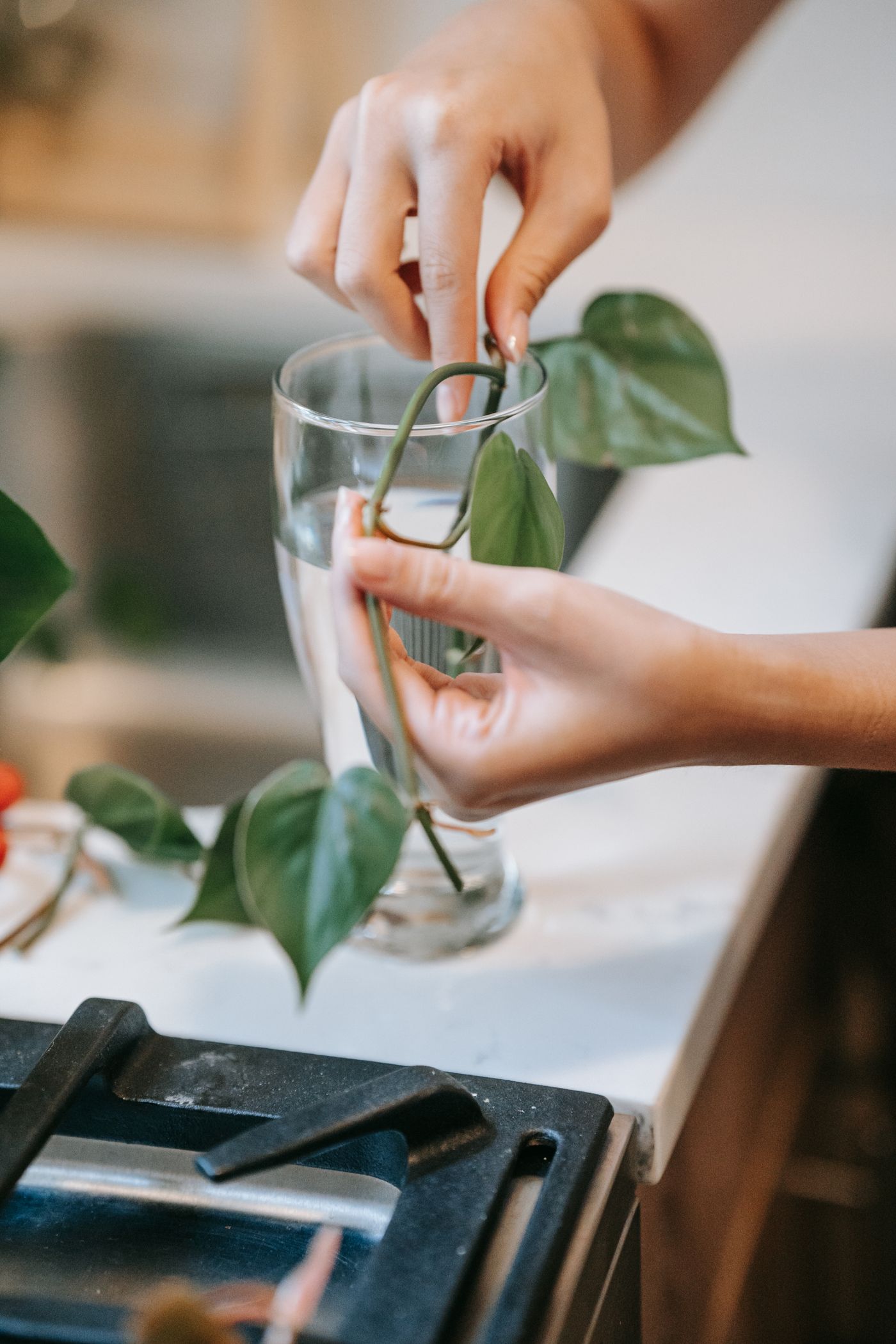
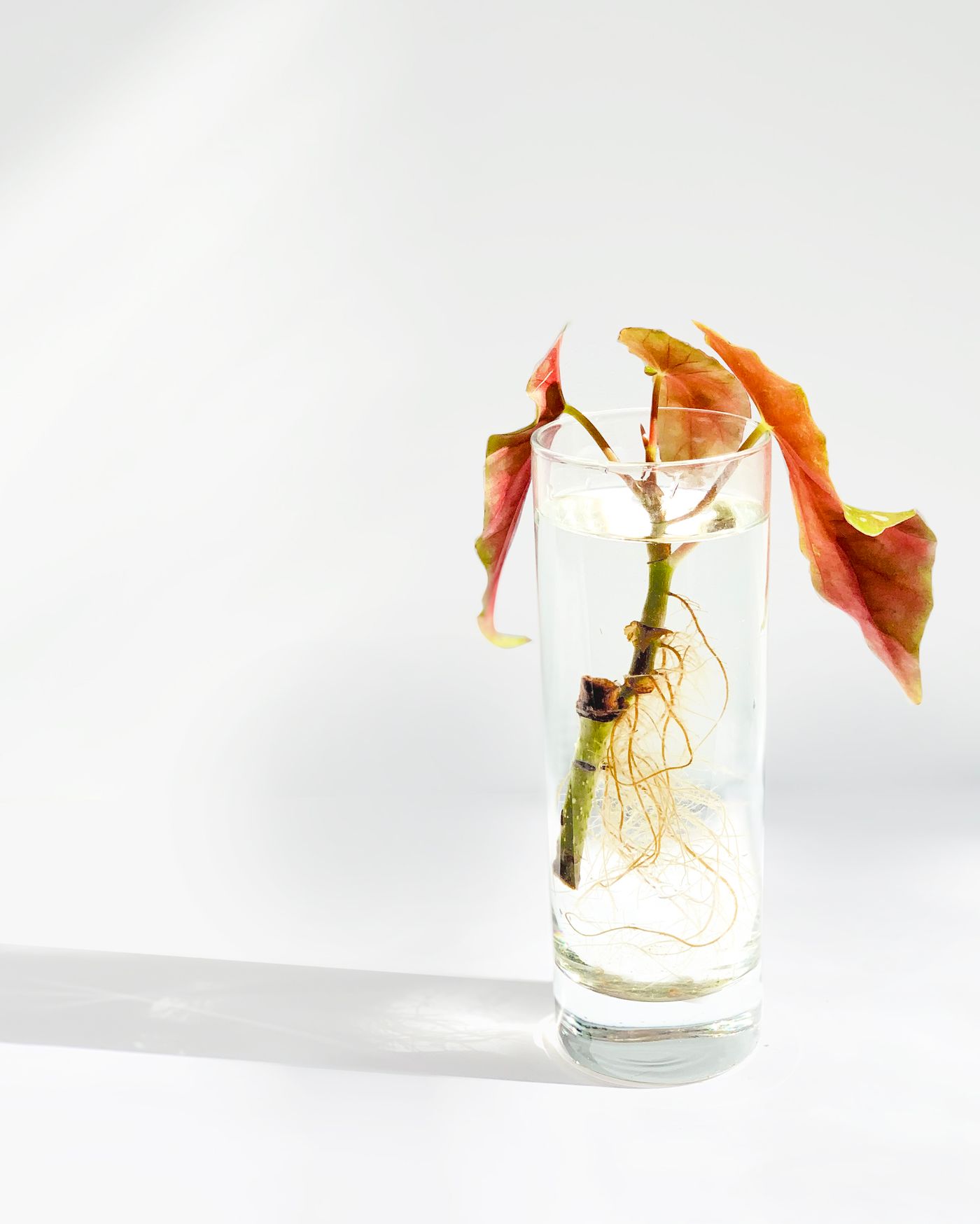
The photos accompanying this article show varied plants and conditions. They illustrate the kinds of details a record can preserve, rather than demonstrating that every pictured specimen is healthy or should be managed by the same method. Follow the needs of your identified plant, not the visual arrangement in a stock photograph.
Keep the working area separate from the office's ordinary jobs
Choose a suitable stable position according to the plant’s needs and the household’s access. Keep water and growing materials away from electronics, paperwork, and anything that cannot tolerate spills. Do not place containers on a narrow edge simply because that position gives the clearest view of the roots.
Leave a place to set down a vessel during an appropriate care task without clearing a laptop with one hand. Use a suitable protective surface where needed, and return the plant-care tools afterward. The collection should not spread across every usable work surface as the projects accumulate.
If two people use the desk, make the plant position part of the shared-desk handoff. The next user should know which objects may be moved, which need to stay in their planned conditions, and where the written care note can be found.
Plan changes of container and household handoffs
When a plant-specific source indicates a next stage, record the reference and what you did. Keep the same project identity through a container change. If several cuttings are separated into different pots, give each a related identifier so their shared history remains understandable.
Do not use a fixed calendar deadline as proof that a cutting is ready for a different growing method. The appropriate decision depends on the plant, condition, and guidance being followed. A date is useful evidence of elapsed time, not a substitute for the required assessment.
Before giving a plant to someone, confirm they want it and can provide a suitable home. Pass along its known identity, relevant care reference, and honest current status. A gift recipient should not have to infer whether the container holds an established plant or an unfinished propagation project.
If the original identity remains uncertain, say so. Avoid presenting the plant as pet-safe, edible, or suitable for a particular room without reliable supporting information. A pretty vessel and a confident handwritten label do not resolve an identification gap.
Limit the collection by the care you can actually maintain
Count the active projects, not only the containers that fit on the shelf. Each one needs an appropriate place, attention, and an eventual destination. Our capacity-ceiling method can help when the household keeps starting new cuttings faster than it can manage the existing ones.
Close a record when the plant is established in its intended arrangement, passed to an agreed recipient, or the project ends. Retain only the useful history and care identity. Reuse suitable containers after appropriate cleaning, rather than allowing empty coded glasses to remain as unfinished-looking office clutter.
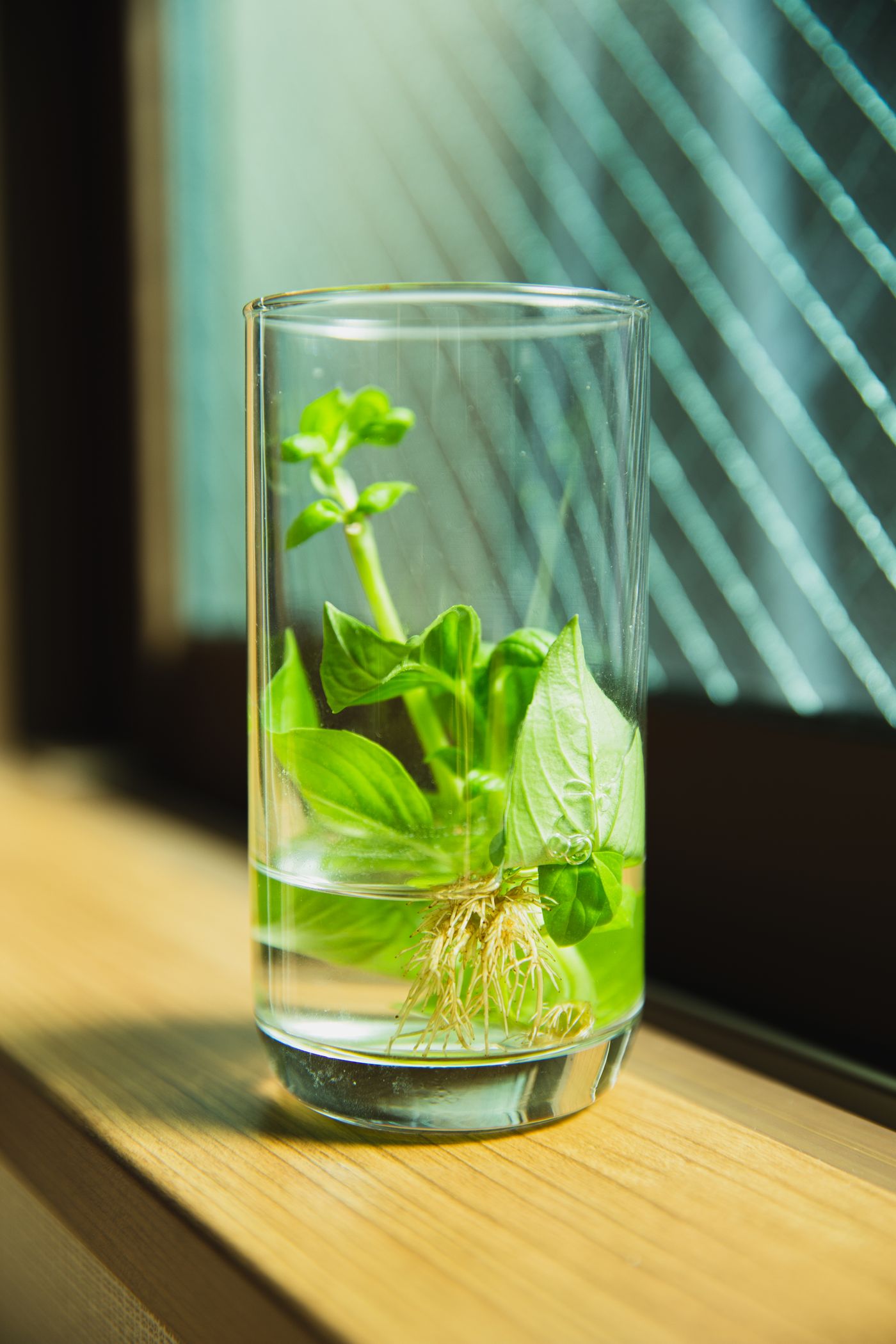
The system works when any retained container can be connected to a known project and a clear next check. A short, accurate note is enough. It lets the household enjoy the visible growth while preserving the information that makes a small plant collection manageable over time.
Explore related household decisions in our Home Organization hub.
Sources and editorial scope
Editorial research checked October 17, 2026. Trend-report dates and limitations are stated in the article; these are editorial applications of published signals, not verified October keyword rankings. Practical household guidance; illustrations do not document a tested household or authenticate a pictured material.
