
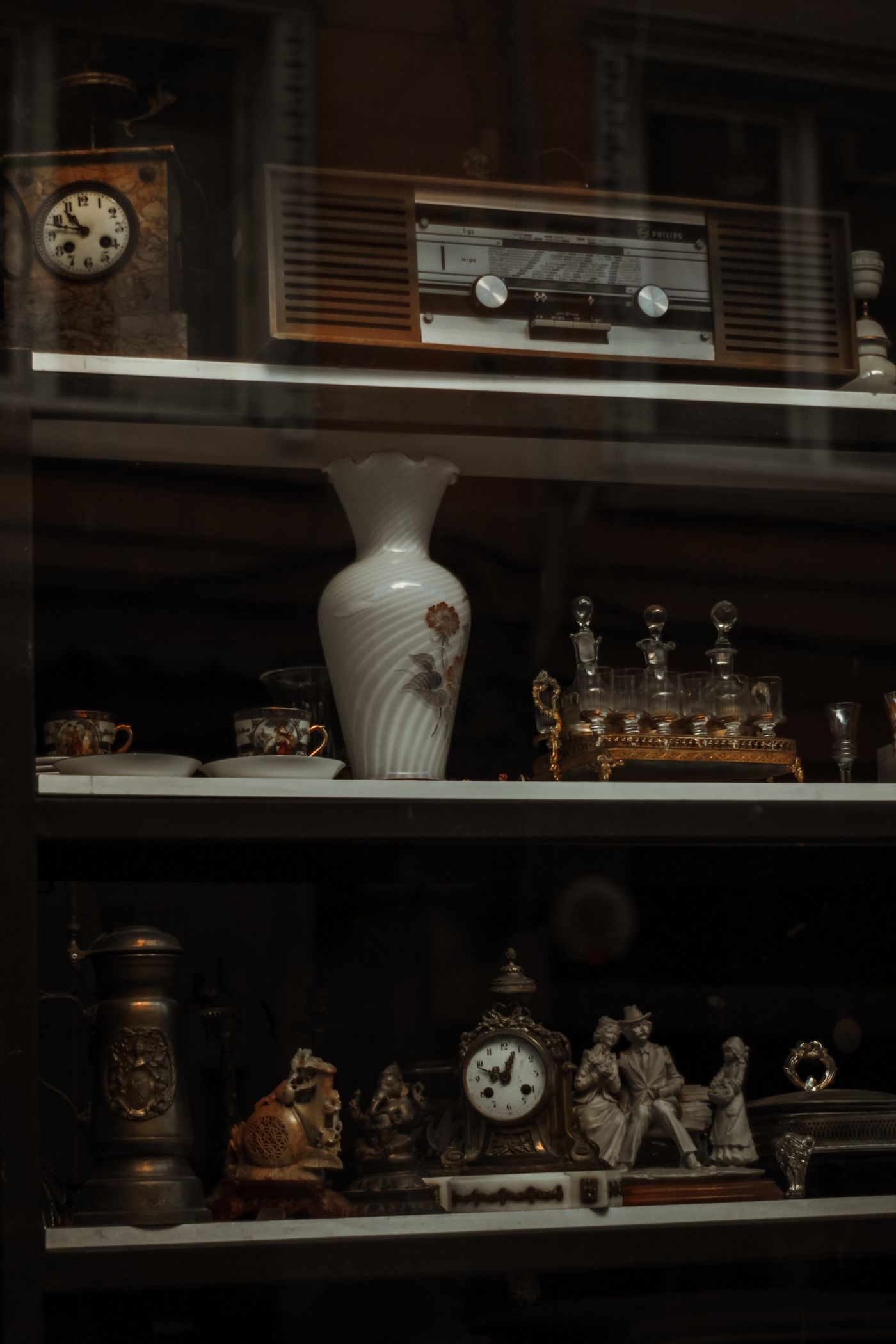
A collected room can feel personal because the objects have histories, but those histories are easily lost when receipts, repair notes, and family memories sit in different places. A small vintage-decor record gives each meaningful object a home for its information. The record is useful when you move it, clean it, repair it, lend it, or eventually pass it on.
Houzz’s September 2026 fall report highlights collected interiors and personal storytelling. This guide applies that design direction to a practical organizing task; it does not claim that vintage-record folders are themselves a measured search trend. Begin with a few objects you already own. You do not need to catalogue the whole home or buy antiques to use the method.
Choose objects whose information matters
Select three to five pieces for which a missing detail creates actual work. A lamp with a past repair, a family vase with an uncertain maker, or a small cabinet with special care instructions may qualify. An ordinary decorative object with no useful history can stay out of the file. The point is to recover information you will need, rather than produce paperwork for every item on a shelf.
Keep the record separate from how attractive or expensive the piece appears. Something modest may carry a family story worth preserving, while an expensive new accessory may already have a clear receipt and manual in the normal purchase file. This distinction keeps the vintage record bounded and prevents it from replacing the entire household filing system.
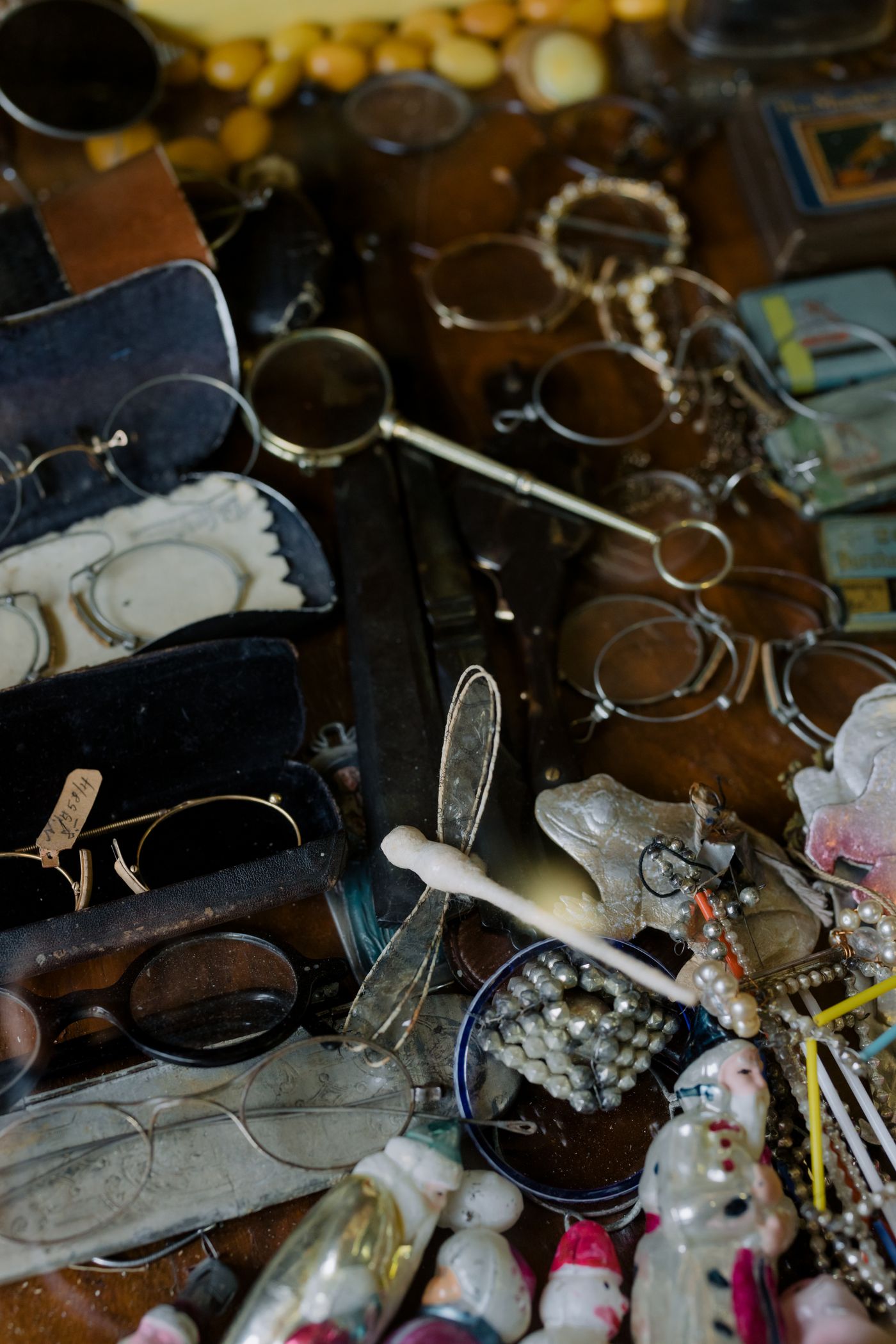
A displayed grouping can contain objects of several ages and origins. Record each piece individually rather than treating the arrangement as a single collectible. If you later separate the group, its information should still make sense. Give a plain description such as blue handled vase or small wooden box before adding any proposed maker, period, or style name.
Separate evidence from stories
Use three short sections: documented facts, reported history, and open questions. Documented facts include what is printed on an original receipt or written on a maker’s label. Reported history includes what a relative recalls. Open questions identify what you do not yet know, such as whether a fitting was replaced or whether a signature belongs to the original maker.
That distinction is particularly important for a family object. A story can be meaningful without being authenticated. Write who supplied the memory and approximately when they told you, rather than turning an uncertain recollection into a confident provenance statement. A seller’s description should also retain its source instead of silently becoming your own factual conclusion.
Do not infer an age from patina alone. Surface wear, repairs, reproductions, and styling can be misleading. This folder is a household information tool, not an appraisal. If value, authenticity, or ownership is genuinely uncertain and material to a decision, seek a suitably qualified specialist and retain that assessment as a dated document.
Photograph identity details before moving the object
Take a straightforward overall photograph and, where safe, a photograph of any mark, label, repair, or unique detail. You are trying to identify the piece later, so a clear neutral view is more useful than a beautifully styled room photograph. Avoid moving a fragile object just to find a hidden mark you cannot inspect safely.
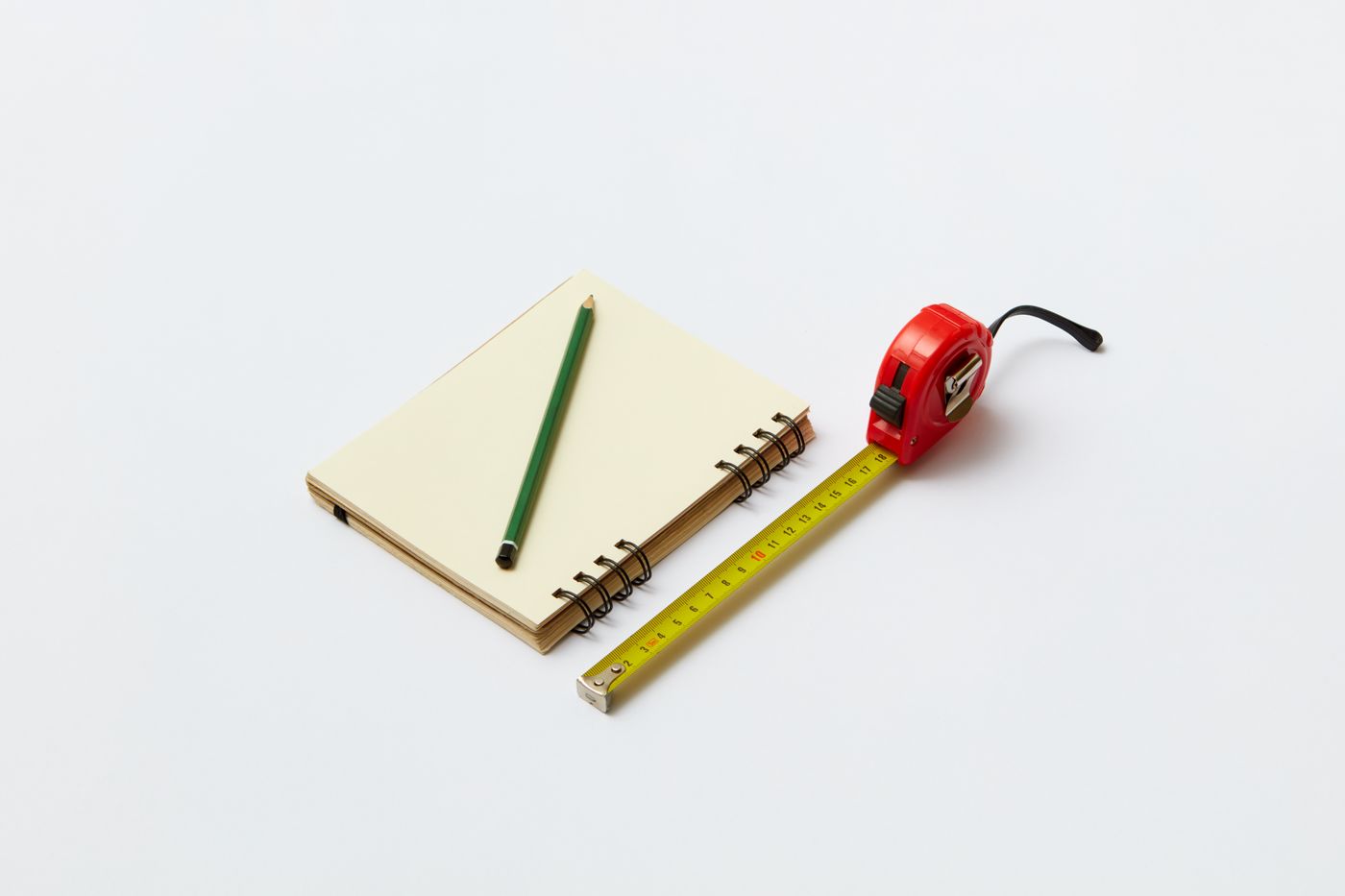
Record the dimensions that actually affect placement: overall height, widest projection, base or footprint, and any opening clearance. State which direction each number describes. A vase diameter and a cabinet-door swing are different constraints; recording only a single width can leave the practical question unanswered when the item moves to another room.
Use your own measurements as household estimates and note their units. Keep a distinction between a manufacturer dimension and what you measured. If a piece has detachable components, include those in the photograph and say whether the storage measurement includes them. That small clarification prevents a later packing plan from depending on an incomplete silhouette.
Connect repairs to the exact piece
Place dated repair information behind the object’s summary page. Include the problem addressed, who did the work, and any instructions supplied afterward. Keep original paperwork when it contains a useful technical or warranty detail. You do not need to transcribe an entire invoice if a short reference directs you to the retained document.
For an electrical item, a decorative appearance or old repair receipt does not establish present safety. Record the assessment without treating it as an unlimited approval for future use. If there is a current electrical concern, have the item assessed before operating it. The record should help you find the right information, rather than persuade you to ignore a new problem.
Our guide to organizing appliance manuals, warranties, and receipts covers the larger purchase-file system. Keep those routine documents where you normally find them and use a cross-reference in the vintage record when the same object belongs in both places. Duplicate stacks become harder to maintain than one original document with a clear pointer.
Attach care information to the material and finish
Write down a care source only when you can connect it to the particular object or finish. A general cleaning tip for wood is not automatically suitable for a painted, waxed, lacquered, or repaired surface. Retain the maker’s directions when known and label any unresolved finish identification as a question.
Avoid attaching new sticky labels directly to a collectible finish. A loose identification card in the folder can do the job without altering the object. If several similar pieces are stored together, identify them through photographs and their storage positions. A system that damages the item in order to organize it defeats its own purpose.
Record what happens after actual care: the date, method followed, and any issue you noticed. Keep this brief. A note that a foot felt loose or a repaired joint needs checking may be more useful than a paragraph about how shiny the object looked. Do not experiment on fragile or valuable materials merely to complete the record.
Choose a file small enough to keep current
Start with one ordinary folder or a small digital directory. Paper suits a household that reads a care sheet beside the object; digital suits photographs and documents that need to travel with you. Paper files versus digital records can help decide which format earns its space without creating two parallel systems that drift apart.
Name the file by the object, not only by the date. A date tells you when the record was made, but the object description tells you which one to open. For paper, place the summary first and supporting documents behind it. For digital, keep the overview photograph and summary together so a family member can recognize the piece quickly.

Store the folder with the household reference material, rather than inside a display cabinet where reaching it requires moving fragile decor. If the cabinet is the only available location, reserve a separate accessible pocket or compartment. Protect private addresses, payment details, and valuations from casual browsing even when the decorative history itself is something you enjoy sharing.
Maintain the record when something changes
Update the file after a repair, a move, a loan, or a confirmed new piece of information. It does not need a weekly review. A short reminder in your paper and bill reset is enough to catch loose supporting documents before they become anonymous scraps at the bottom of a drawer.
When an object leaves the home, decide what information should travel with it and what private documents should remain. A copied care summary and family story may be welcome; a payment statement or unrelated personal note may not. Retain only what still has a household purpose and mark the object as transferred so the catalogue does not become an imaginary inventory.
The finished system should answer a few practical questions quickly: which object is this, what do we know, what remains uncertain, and where are the care and repair records? That is enough. A collected room gains depth from meaningful pieces, while the small folder preserves the knowledge that makes those pieces easier to live with.
Explore related household decisions in our Home Organization hub.
Sources and editorial scope
Editorial research checked October 14, 2026. Trend-report dates and limitations are stated in the article; these are editorial applications of published signals, not verified October keyword rankings. Practical household guidance; illustrations do not document a tested household or authenticate a pictured material.
