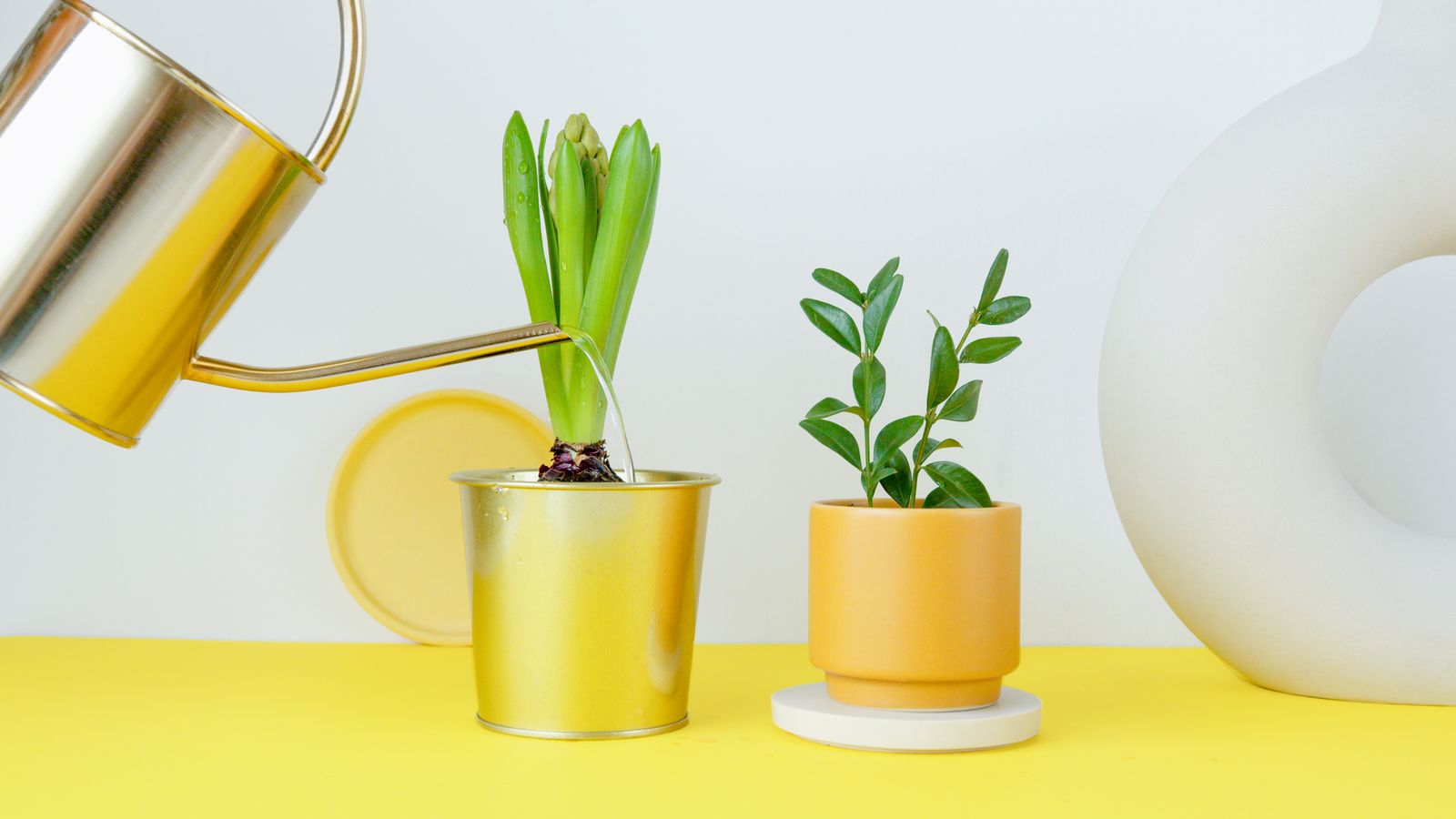
Indoor plants often arrive one at a time, while their supplies accumulate in several places. A watering can lives under the sink, an unopened pot sits beside the sofa, and the care label disappears when the plant moves to another room. The collection may be small, yet each ordinary care task begins with searching. If you are working on the same space, The One-Basket Toy Cleanup System for a Small Living Room covers the next decision in more detail.
A plant-care kit should connect the plants you own with the tools and information they need. It is an organizing system for a small home, rather than a watering schedule or growing guide. Plants have different requirements, and products have their own handling instructions. Give those differences a clear place in the system so nobody mistakes a tidy shelf for permission to treat every plant the same way.
Make a short record of the plants already in your home
Walk through the rooms and identify each plant as accurately as you can. Keep its original care information when available. If its identity is uncertain, record that uncertainty and seek a reliable identification before making care decisions. A photograph and a location such as “living-room window, left pot” can help you connect a note to the correct plant. You may also find How to Keep Books and Magazines From Taking Over a Small Living Room useful for a closely related small-home problem.
Give plants simple household labels when several look similar. The label is an address for the record, not a replacement for the plant’s proper identity. Include who normally handles care and where the relevant instructions live. Avoid filling the record with advice copied from an unrelated plant merely because the leaves look alike.
Review the care information before organizing products. You may discover that a bottle was purchased for a plant no longer in the home, or that an unused accessory belongs to a task you never perform. That is a better starting point than buying a larger basket to hold every gardening object together.
Separate everyday tools from occasional supplies
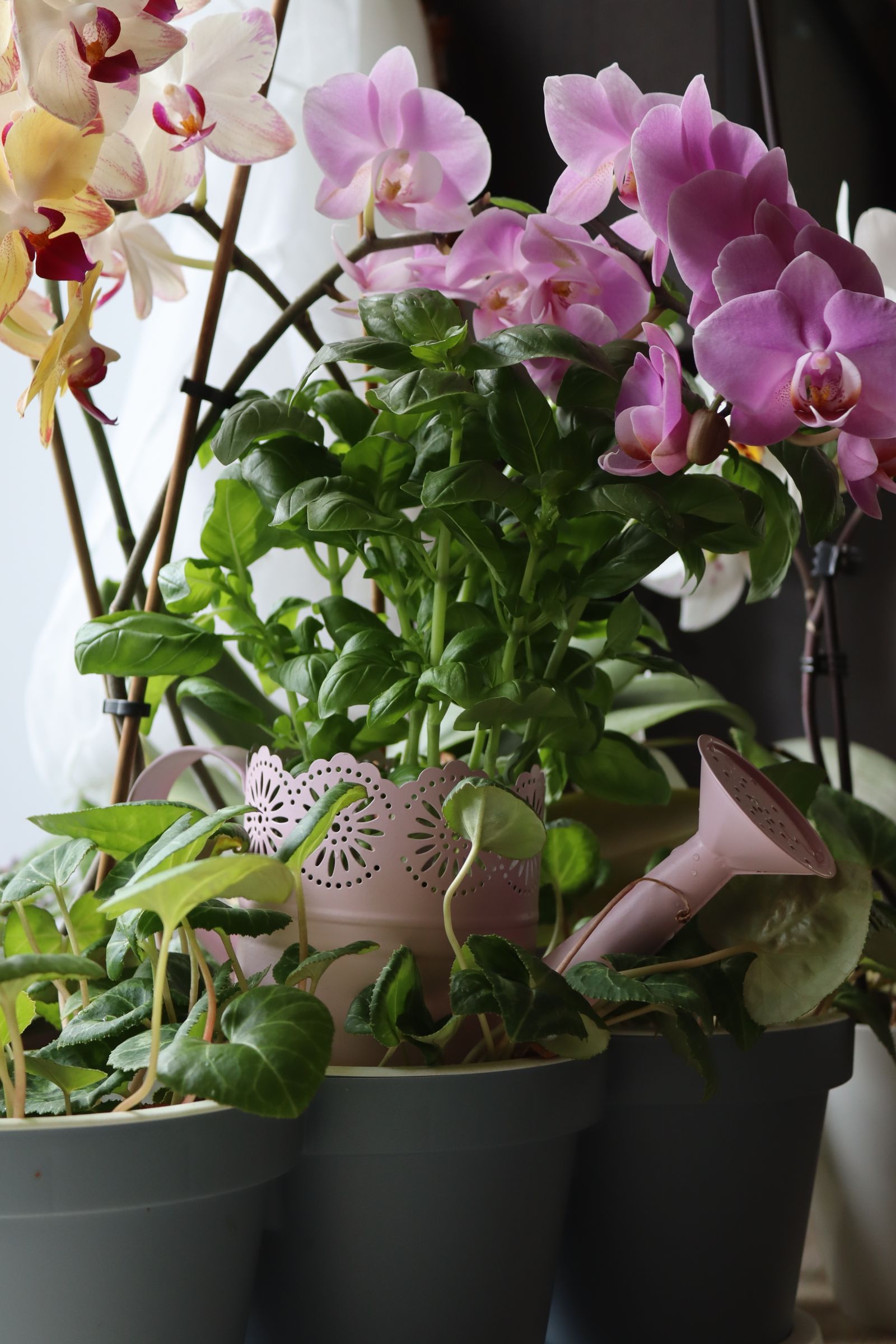
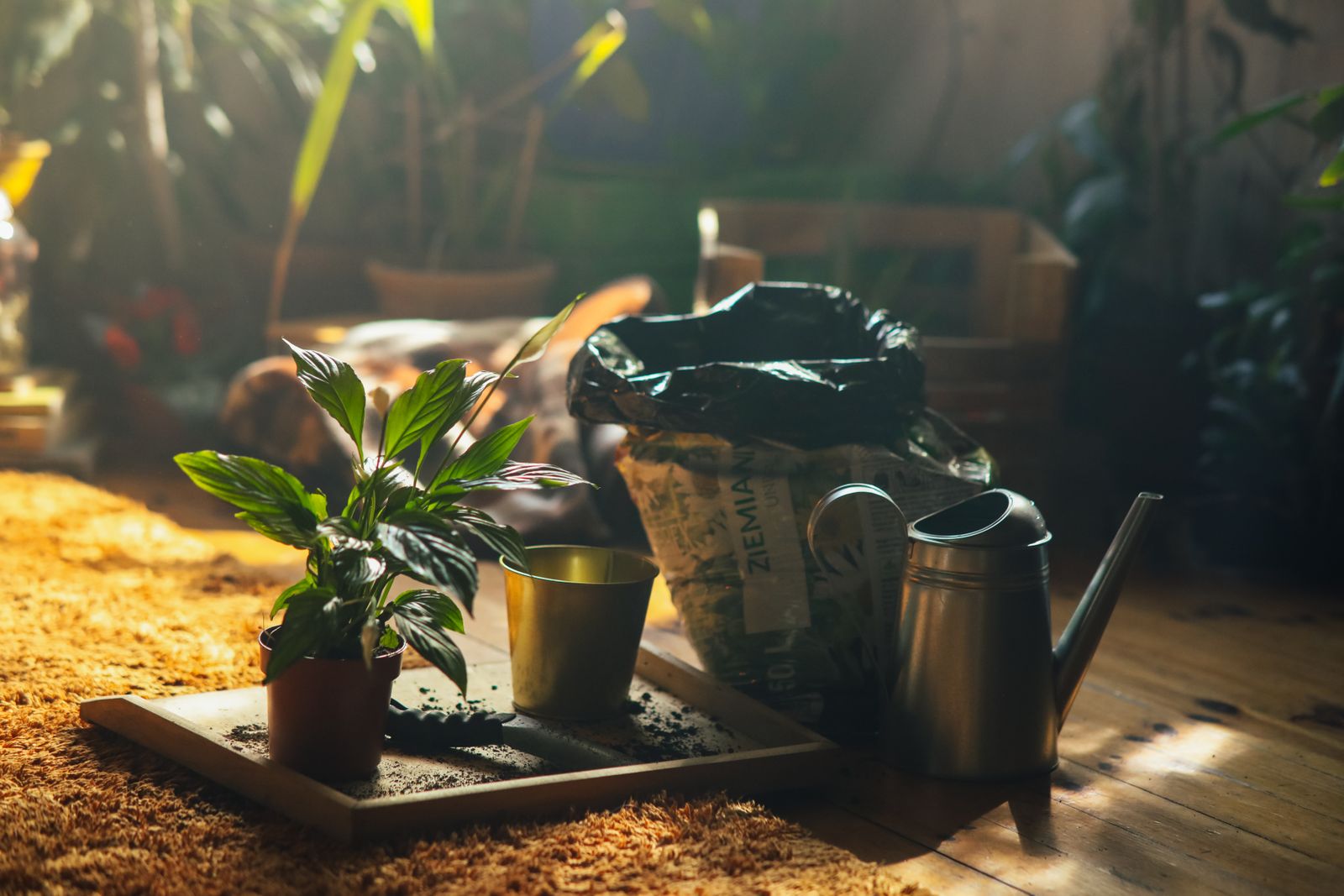
Put the items you regularly reach for in a small working kit. That might be a suitable watering vessel, a tray used during a care task, and the record you consult. Keep the number of tools tied to completed tasks. A collection of attractive accessories can occupy more room than the plants themselves while doing little to make their care easier.
Occasional supplies need a different location. Store potting materials, plant treatments, and similar products in accordance with their labels, including any requirements for temperature, moisture, access, or original packaging. Keep them clearly identified and appropriately secured for your household. Do not move a product into an unlabeled decorative jar to make the shelf look coordinated.
A separate tools container can work beside that labeled supply storage, but it should not conceal the instructions. Our guide to organizing household cleaning supplies uses the same useful principle: storage must preserve identification and access requirements. Plant-care products deserve their own clearly defined area.
Choose a kit location by the route you use
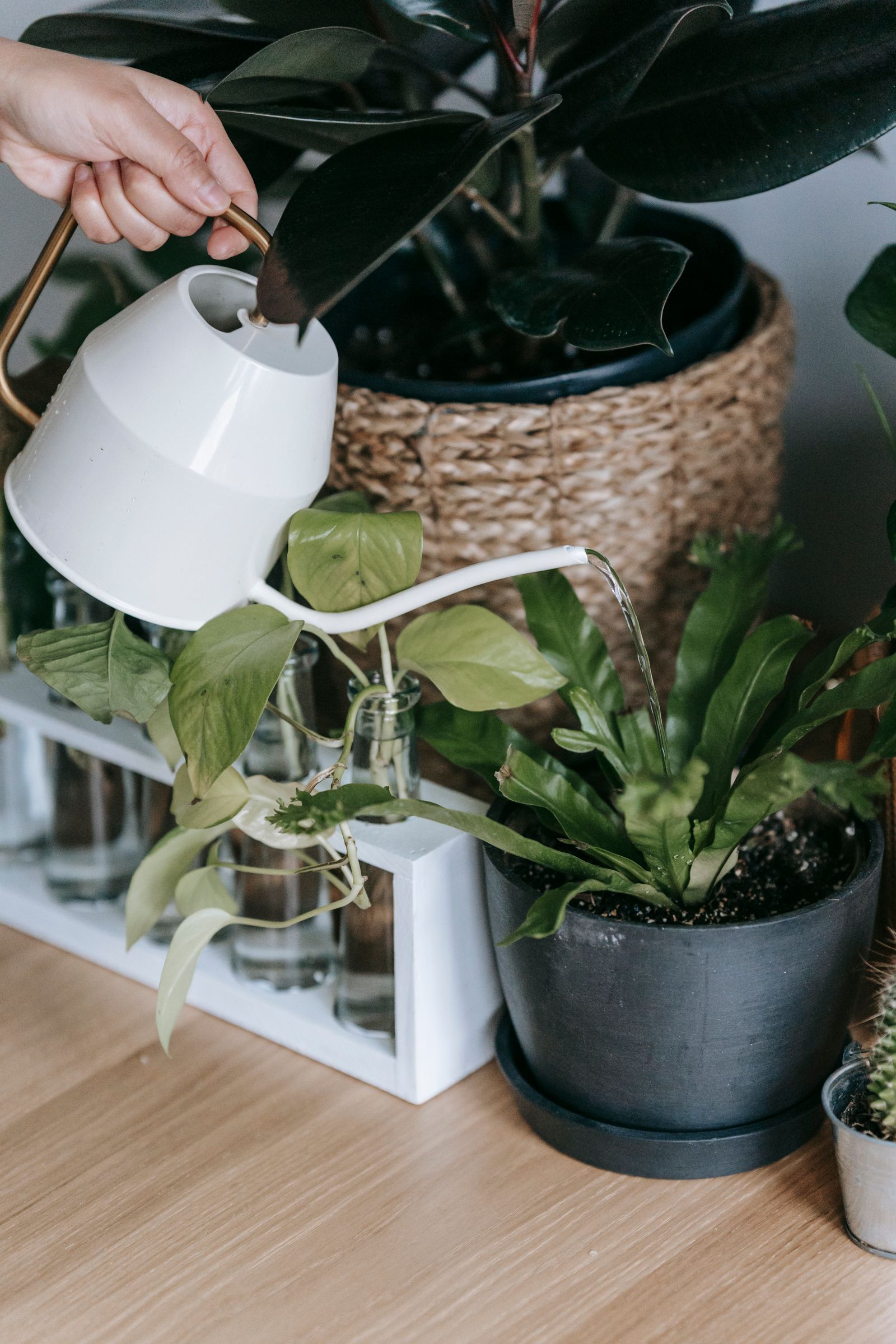
Trace a normal task from beginning to end. Where do you obtain the tool, where do you work, and where does the tool return? A cabinet near the work route may be more useful than the shelf closest to the largest plant. Consider carrying distance and whether you need both hands. The convenient location is the one that supports the complete task.
Check how the proposed container opens in its storage position. If you must remove three other objects to reach a watering vessel, it has a nominal address but poor access. Try the arrangement with the actual tool rather than an empty basket. Include space for its handle, spout, and any lid in your fit check.
Keep used tools out of closed storage until they are ready to be put away according to their care directions. Decide where a wet tray or vessel can be placed without damaging furniture or blocking a route. A cupboard should not become the place where unfinished cleanup disappears.
Give spare pots a capacity limit
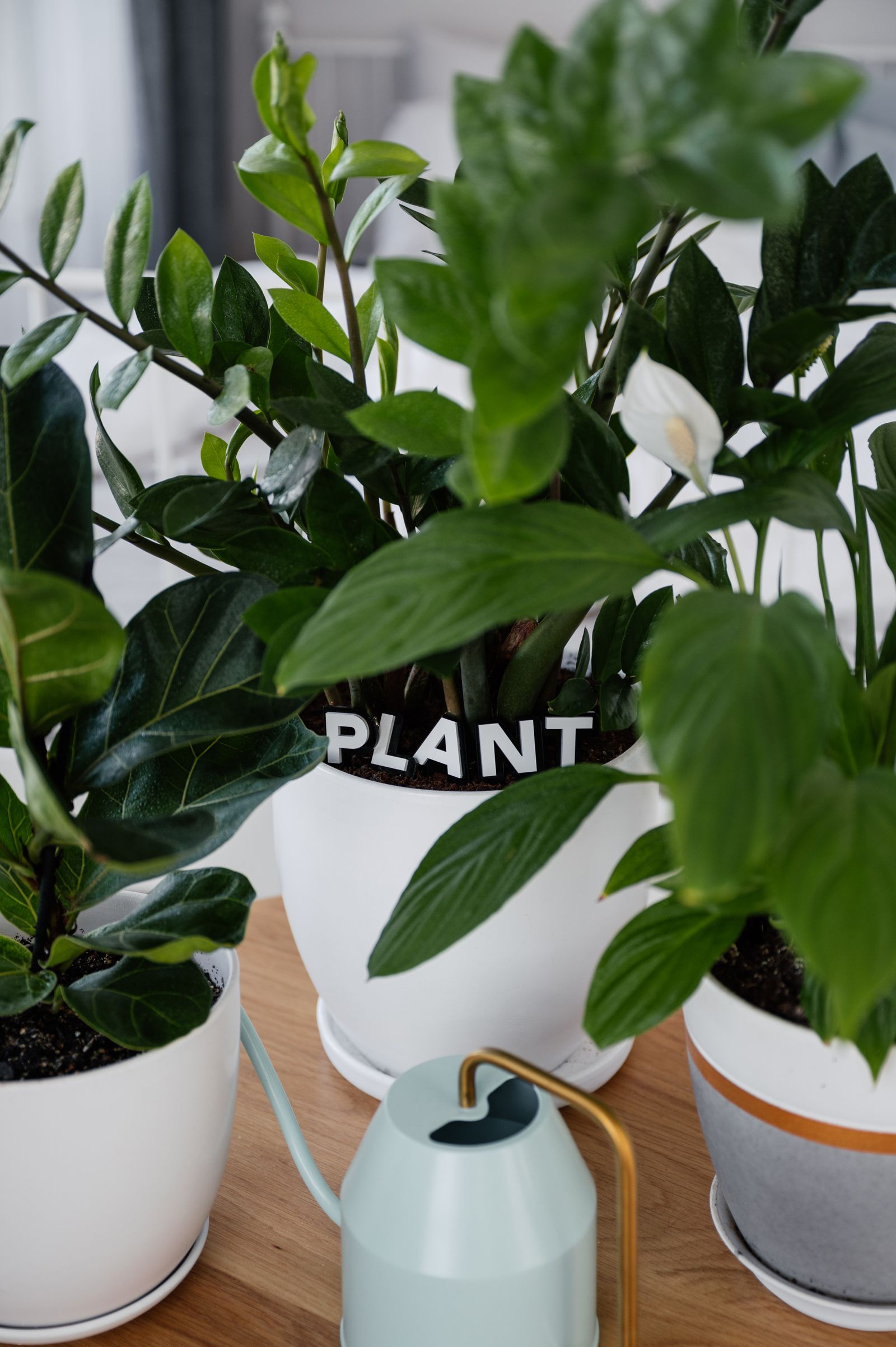
Gather the pots, saucers, decorative covers, and other containers you already own. Match items that genuinely work together, and note any missing part you actually need. Distinguish a usable spare from a container you keep because it once held a favorite plant. Sentimental ownership is a separate decision from readiness for the next care task.
Choose one measured storage area for useful spares. Protect fragile items and follow their care requirements rather than forcing every shape into a tight stack. A container that cannot be retrieved without scraping, tipping, or lifting an awkward pile is unlikely to be a convenient spare. Keep the practical retrieval order visible.
When that area is full, decide what leaves before adding another pot. The small-home storage audit helps identify tidy-looking collections that still consume useful space. A spare should have an expected job, not merely a place in an expanding nesting tower.
Make a shared-care handoff understandable
If another person helps while you are away, leave instructions for the specific plants and current arrangement. Use the plant labels to avoid an ambiguous note such as “water the big one.” Explain where the tools live, which tasks are agreed, and what to do when something is unclear. The helper should know how to contact you rather than improvise from a general internet tip.
A simple completion record can prevent duplicate effort. Choose a format everyone involved can use, such as a dated note for an agreed task. Recording completion does not decide whether that task is due again. Keep the distinction between the plant’s care needs and the household’s record of what was done.
For products with specific handling or access instructions, preserve the original label and keep the task with an appropriate adult. A helper’s willingness does not replace suitable knowledge. If the arrangement is too complicated to explain, reduce the agreed tasks or obtain suitable assistance rather than providing a long set of vague reminders.
Close the kit after each task
Try a short retrieval check before considering the arrangement finished. Ask someone to find the instructions for one named plant and locate its agreed tool without opening unrelated cupboards. They do not need to perform plant care for this test. Notice where the labels or locations leave them guessing, then correct that part of the system. A successful retrieval is more useful than a photograph of coordinated containers.
Review a new purchase against the record before bringing it home. Which existing plant or recurring task needs it, where will its directions live, and where will it be stored under the label’s conditions? If those questions have no answer, leave the purchase pending. For an item that replaces an older tool, decide what happens to the older one so the working kit does not quietly become a collection of duplicates.
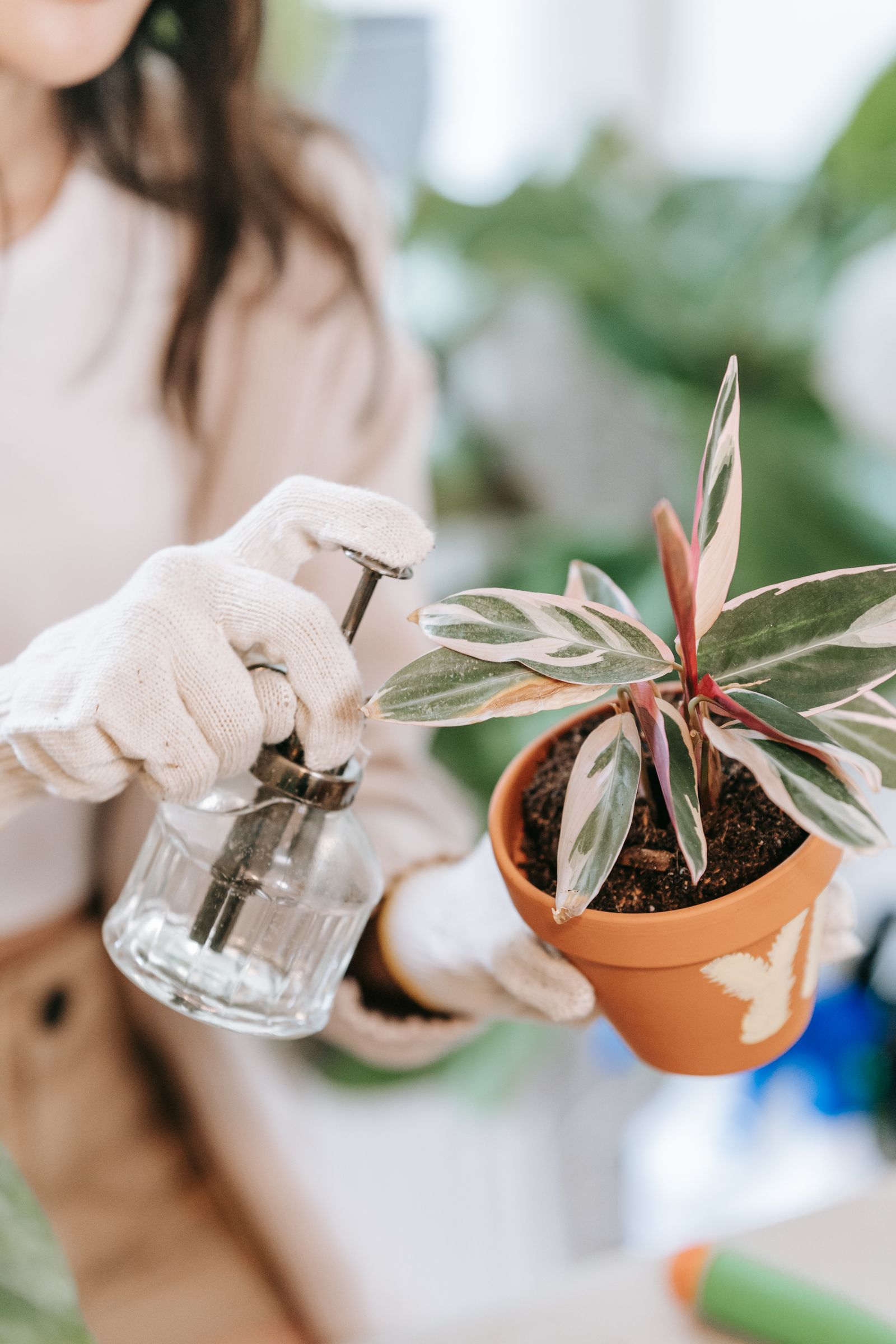
At the end of a care session, account for the tools and return them when they are ready for storage. Update the relevant record if a task was completed or a plant’s location changed. Remove scraps and packaging through the appropriate disposal route. The kit should reopen with identifiable contents and a clear work surface nearby.
Keep receipts or product information with the household’s reference system when useful. Our guide to keeping manuals and receipts accessible offers a structure you can adapt for durable plant-care equipment. Retain information because you expect to consult it, rather than saving every promotional leaflet.
After several completed tasks, review what the kit actually supports. Remove unneeded duplicates, improve an awkward return location, and leave room for the tools already in use. Explore Home Organization and our Living Room guides for other ways to give a household activity a workable address. A compact kit succeeds when the next person can identify the plant, find the right information, and complete the agreed task without searching through unrelated supplies.