Cleaning supplies are awkward to store because they are different shapes, used in different rooms, and often purchased one product at a time. In a home without a utility closet, they can spread under sinks, behind doors, beside the washer, and into random cabinets. If you are working on the same space, How to Store Extra Bedding in a Small Home With No Linen Closet covers the next decision in more detail.
A better system starts with one core kit, one long-tool zone, and a small number of specialty products.
Inventory by job, not by bottle
Group what you own into:
- everyday surface cleaning,
- bathroom,
- floors,
- laundry,
- specialty or occasional products.
This quickly reveals duplicates that were bought for the same job.
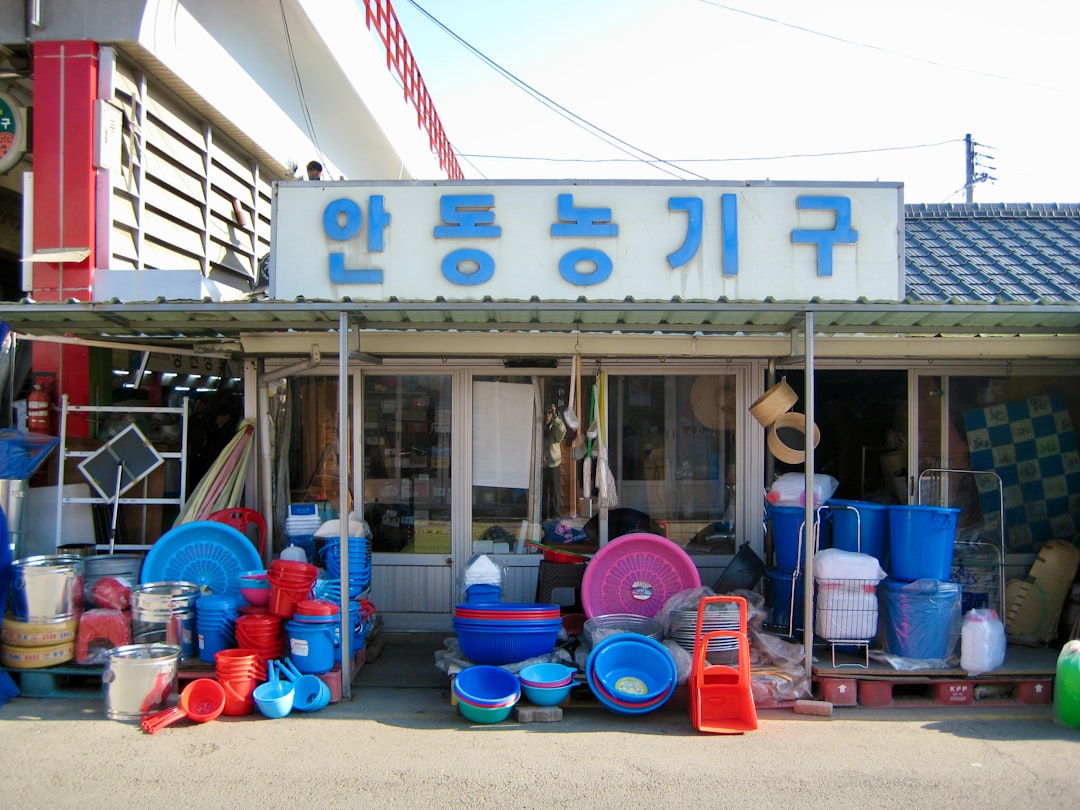
Create one portable core caddy
Keep the cloths, basic tools, and routine products you use across several rooms together. A portable caddy prevents duplicate bottles from multiplying under every sink.
Keep it light enough that you actually carry it.
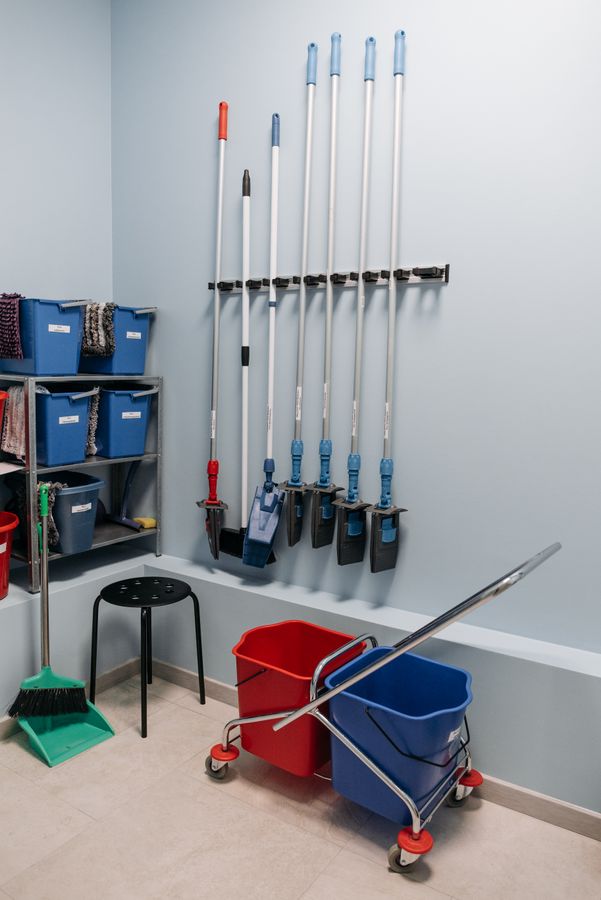
Give long-handled tools one parking zone
Mop, broom, duster, and stick vacuum need vertical storage or a narrow dedicated footprint. Choose a location where they can be returned without rearranging other household items. You may also find Where to Store a Vacuum, Mop, and Broom in a Small Apartment useful for a closely related small-home problem.
Store products close to the jobs that truly need them
Laundry products can stay near the washer. A toilet-specific product may stay in the bathroom if appropriate and safely stored. The core kit handles the rest.
The goal is not one-location purity; it is avoiding unnecessary duplication.
Do not use every under-sink cabinet as a cleaning cabinet
If kitchen, bathroom, and laundry areas each hold a pile of similar cleaners, consolidate. Reserve under-sink storage for the supplies that belong to that room or for one intentionally chosen household kit. For the broader setup, How to Make a Small Rental Kitchen Work When You Can’t Add More Cabinets is a useful next read.
Keep specialty products on probation
If a product solves one rare job, store it outside prime daily access. If it sits untouched for a year and you have another method that works, reconsider keeping it.
Use refill and backup limits
One backup may be useful for frequently used products. Multiple duplicates consume valuable hidden storage. Set a limit that fits the household’s shopping rhythm.
Keep labels and original containers intact
Follow product-label storage and safety instructions. Avoid transferring household chemicals into unlabeled food or drink containers.
Separate clean and dirty cloths
Give used cleaning cloths a specific laundry destination so they do not return to the caddy before washing.
Make the vacuum easy to retrieve
If the vacuum is used often, it should not live behind luggage, seasonal bins, and six other tools. Frequent use deserves easier access.
The 10-minute cleaning-supply reset
- return all bottles to assigned zones,
- remove empties,
- collect dirty cloths,
- check duplicate products,
- return long tools to parking spots,
- restock the core caddy only to its normal capacity.
What if you have children?
Store products according to label instructions and household safety needs. Accessibility for cleaning should never override safe storage.
Pair storage with a minimal tool kit
If your cleaning gear itself is taking over, use The Only Cleaning Tools a Small Home Really Needs to reduce the number of specialty tools.
A no-utility-closet checklist
- ☐ one portable core kit,
- ☐ one long-tool parking zone,
- ☐ room-specific products only where needed,
- ☐ specialty products outside prime access,
- ☐ backup limits,
- ☐ dirty-cloth destination,
- ☐ safe label-compliant storage.
Frequently asked questions
Should I keep cleaning products in every bathroom?
Only if room-specific storage genuinely improves your routine without creating duplicates. A portable household kit may be enough.
Where can I store a mop with no closet?
Use a narrow vertical parking zone appropriate to the tool and your home—such as beside a washer, in a utility corner, or on suitable wall storage where permitted.
How many cleaners do I really need?
That depends on your surfaces and manufacturer requirements. Start with the recurring jobs and avoid buying a separate product for every tiny task.
Cleaning supplies need a route back home
A small home does not need a dedicated utility closet to keep cleaning gear under control. Consolidate the everyday kit, give long tools a home, limit duplicates, and let specialty products earn the storage they consume. For the broader setup, How to Keep a Small Home Tidy When You Have Almost No Closet Space is a useful next read.
Sources
- U.S. Environmental Protection Agency — Safe Storage of Household Chemicals — https://www.epa.gov/saferchoice