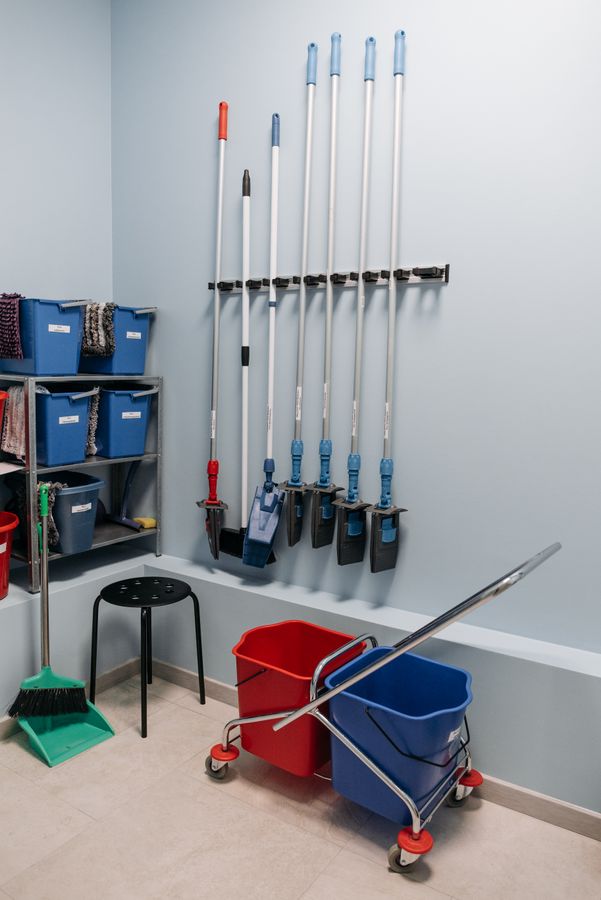
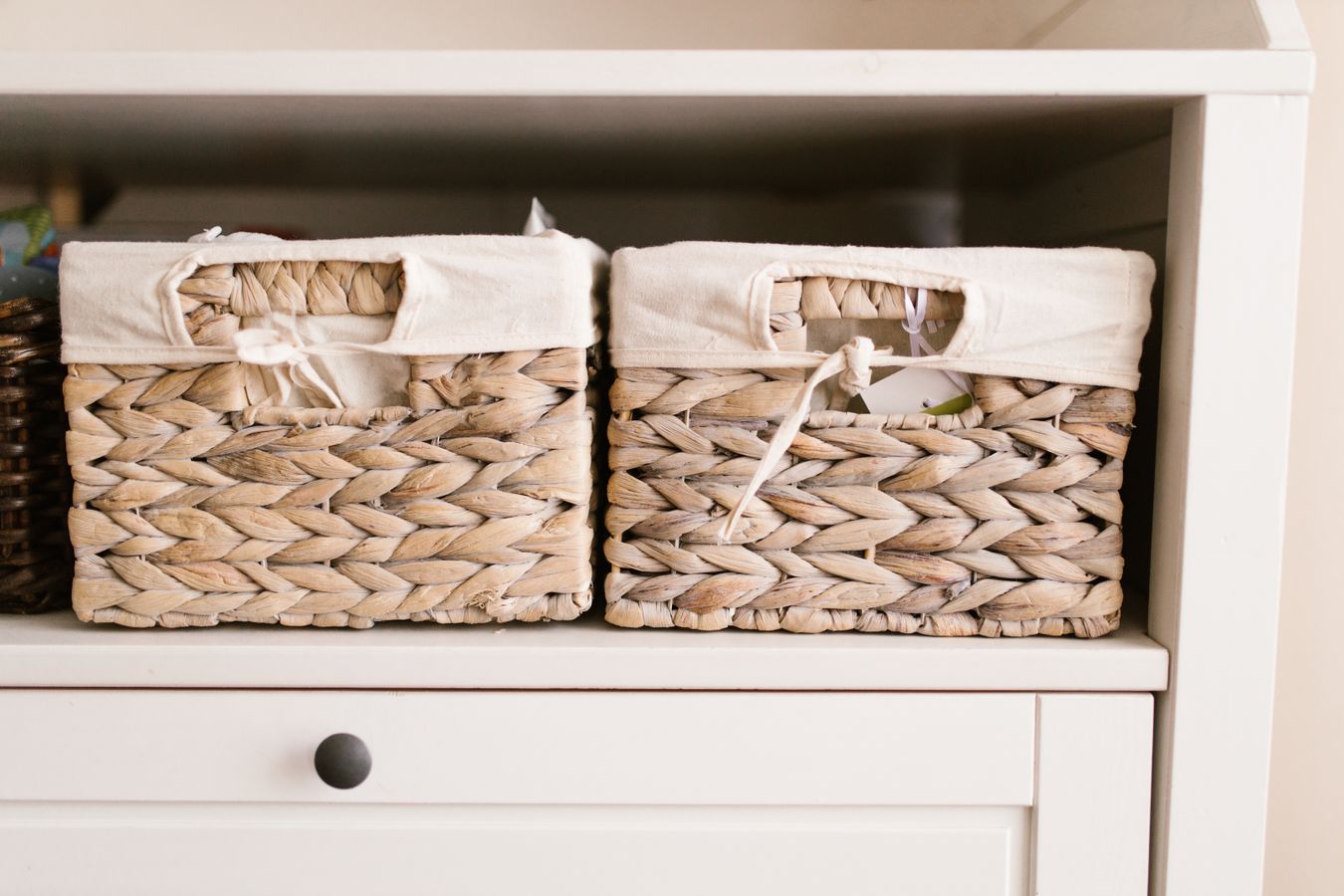
Large cleaning tools are easy to identify. Small accessories are where the system falls apart.
A crevice nozzle ends up in a bathroom cabinet. A spare filter stays in its shipping box. Mop pads mix with cleaning cloths. A brush attachment sits in a basket with cords because nobody remembers what it belongs to. You may also find How to Build a Portable Cleaning Caddy for a Small Home useful for a closely related small-home problem.
The fix is to organize accessories by parent tool and frequency.
Match every attachment to its tool
Start by identifying which vacuum, mop, steamer, or cleaning device each piece belongs to. Check the product manual when the purpose is unclear. If you are working on the same space, How to Store Cleaning Products in a Small Home With Kids covers the next decision in more detail.
Do not keep mystery accessories indefinitely.
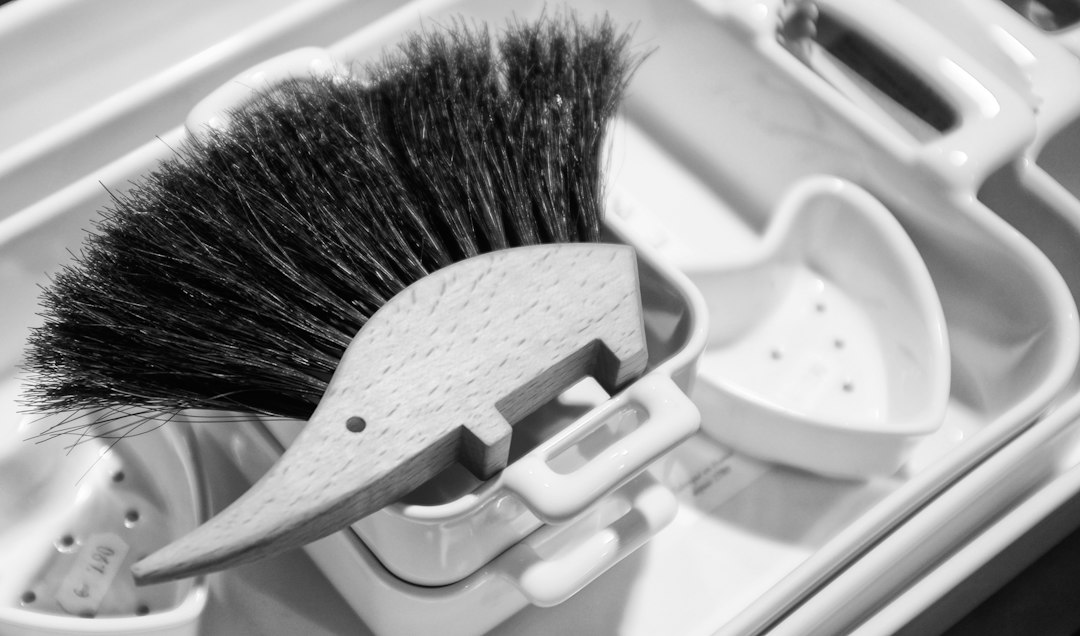
Keep frequent attachments closest
If you use the crevice tool and upholstery brush every week, they should live beside the vacuum or in one easy-access pouch. If you are working on the same space, How to Organize a Small Bedroom Nightstand Without Turning It Into a Catchall covers the next decision in more detail.
Specialty tools used twice a year can move to a labeled secondary container.
Use one accessory bin per parent tool when practical
Vacuum accessories should not share a giant miscellaneous cleaning bin with mop parts, window tools, and random replacement pieces.
One small bin or bag per main device keeps replacement parts understandable.
Label unusual parts
Write the appliance name or model family on bags containing filters, special nozzles, proprietary pads, or replacement hardware.
This prevents the “what is this for?” problem a year later.
Keep washable accessories in the laundry or drying loop
Reusable pads, washable filters where allowed, and cloth covers should follow the manufacturer’s cleaning and drying instructions before returning to storage.
Separate new filters from used filters
Keep replacement filters clean and clearly labeled. Do not put a dirty used filter beside unopened replacements.
Do not keep packaging longer than necessary
If the box contains important instructions or model information, save that information digitally or with the manual when practical. Empty packaging should not occupy cleaning storage forever. You may also find How to Organize Laundry Supplies When the Washer Is in the Kitchen or Bathroom useful for a closely related small-home problem.
Use wall or door storage selectively
Small attachment holders can work near the parent tool if mounting is appropriate. Avoid adding visible accessory storage to every wall just because the parts are small.
Keep consumables limited
Replacement pads, bags, filters, or brush heads can become backstock. Store enough for the household’s actual use and let one container set the limit.
The ten-minute accessory reset
- match loose parts to devices,
- discard packaging that no longer serves a purpose,
- label specialty parts,
- separate clean replacements from used pieces,
- return frequent attachments beside the parent tool,
- move low-frequency parts to labeled storage.
Pair it with the main cleaning-tool zone
For brooms, mops, and the vacuum itself, use Where to Store a Vacuum, Mop, and Broom in a Small Apartment.
Frequently asked questions
Should vacuum attachments stay with the vacuum?
Frequent attachments usually should. Rare accessories can live in a labeled secondary container nearby.
What do I do with attachments I never use?
Identify them first. Then decide whether they are required for maintenance or whether they can leave with the device when appropriate.
Where should spare filters go?
Keep them clean, dry, labeled, and near the parent appliance without mixing them with used filters.
Small parts need context more than containers
The best organization tells you what each accessory belongs to. Keep frequent parts beside the tool, label unusual replacements, and stop letting small cleaning pieces become a mystery category.