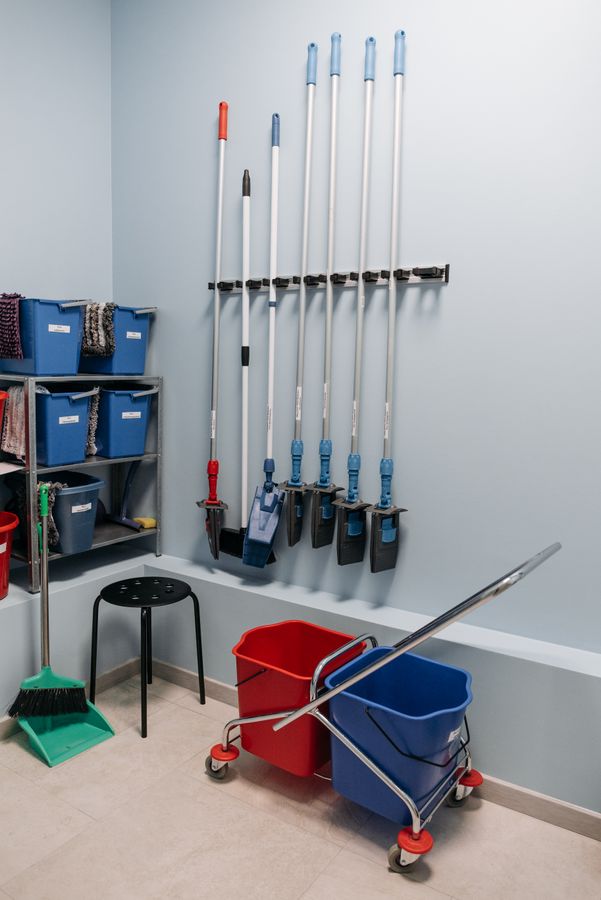
Reusable cleaning cloths are supposed to reduce waste and make everyday cleaning easier. In a small home, they can also become a confusing pile of damp rags, microfiber cloths, dish towels, mop pads, and mystery fabrics. For a related step-by-step approach, see How to Store Cleaning Products in a Small Home With Kids.
The most important part of the system is not folding. It is keeping clean textiles and used textiles on separate routes. For the broader setup, How to Store Strollers, Scooters, and Outdoor Kids’ Gear in a Small Home is a useful next read.
Create one clean-storage zone
Store washed, fully dry cleaning cloths together in a drawer, basket, shelf, or caddy near the cleaning supplies.
The zone should be small enough that you can see the inventory and avoid buying more because the clean cloths are scattered around the home.
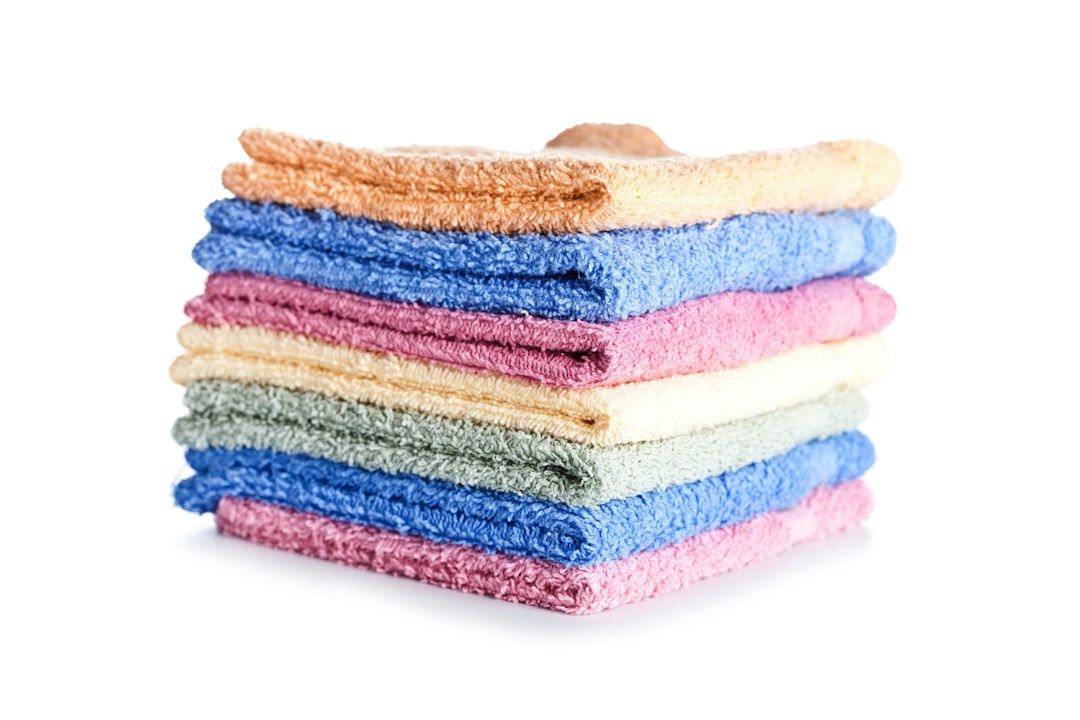
Use broad categories, not a complicated color system
If color coding already works for your household, keep it. But you do not need six colors to stay organized.
Simple categories can be:
- general surfaces,
- kitchen-only cloths if you prefer separation,
- bathroom/utility cloths,
- glass or specialty cloths,
- mop pads.
Choose only the distinctions you will actually maintain.
Create a used-cloth destination before you start cleaning
Damp or dirty cloths should not go back into the clean caddy. Give used textiles a ventilated or laundry-ready destination appropriate to your household until wash time.
Avoid sealing damp cloths into a closed container for long periods.
Keep mop pads with the laundry route
Reusable mop pads are often forgotten on the cleaning tool. Remove them after use according to the tool instructions and send them into the laundry system. For a related step-by-step approach, see Where to Store a Vacuum, Mop, and Broom in a Small Apartment.
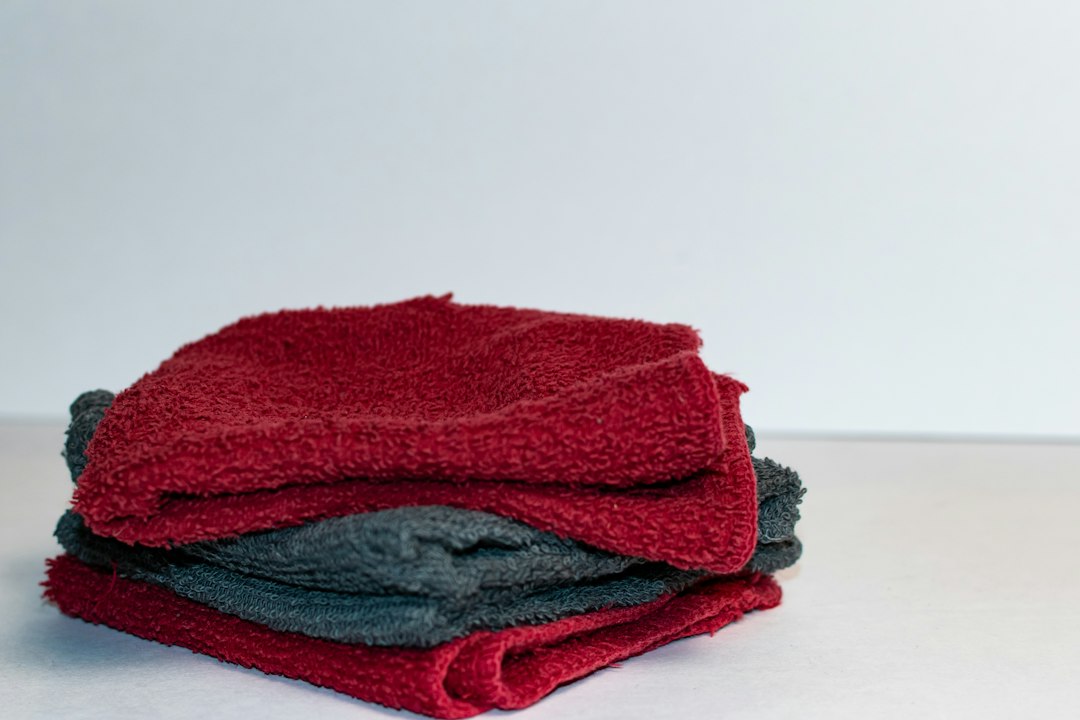
Do not store half-dry rags in the clean basket
A cloth is not clean-storage ready until it is washed as appropriate and fully dry.
If your normal laundry setup does not give cleaning textiles a clear drying step, fix that part of the loop first.
Limit the total inventory
Keep enough reusable cloths to get through your normal cleaning and wash rhythm. A huge pile makes it harder to notice which fabrics are worn out or which categories you never use.
Retire cloths by condition
Remove cloths that are falling apart, permanently contaminated, no longer suitable for their intended task, or too damaged to clean effectively.
Use disposal or textile-reuse options appropriate to the material and local rules.
Keep cleaning cloths separate from personal towels
Use different storage and laundry handling if that helps prevent mix-ups. The goal is to know immediately whether a textile belongs to household cleaning or personal use. For the broader setup, How to Organize Laundry Supplies When the Washer Is in the Kitchen or Bathroom is a useful next read.
The weekly cleaning-textile loop
- collect used cloths and mop pads,
- wash according to fabric/product instructions,
- dry fully,
- return them to the clean zone,
- remove worn-out pieces,
- restock only if the normal inventory is genuinely short.
Store the clean zone near the rest of the cleaning system
For cleaners, brushes, and tools, see How to Organize Cleaning Supplies in a Small Home Without a Utility Closet.
For very small laundry areas
Use one compact clean-cloth bin and one clearly separate used-cloth route rather than adding several hampers. The distinction matters more than the container size.
Frequently asked questions
Should I wash microfiber cloths separately?
Follow the manufacturer’s care instructions for the specific cloths, including washing and drying guidance.
How many cleaning cloths do I need?
Enough to support your usual cleaning routine between laundry cycles, without maintaining a large unused pile.
Where should dirty cleaning rags go?
Use a clearly separate laundry-ready destination that does not mix them back into clean storage, and handle damp textiles appropriately.
Make the clean/dirty boundary obvious
Reusable cleaning textiles are easy to manage when clean cloths have one home and used cloths have a different route. Keep the categories simple, the inventory limited, and the laundry loop closed.