Books make a living room feel personal. Magazines, catalogs, library books, school readers, and half-finished paperbacks can make it feel crowded just as quickly. For the broader setup, How to Store Blankets and Extra Pillows in a Small Living Room Without Making It Look Full is a useful next read.
The solution is not hiding every book. It is separating what you are reading now from what you are storing long term.
Create one current-reading zone
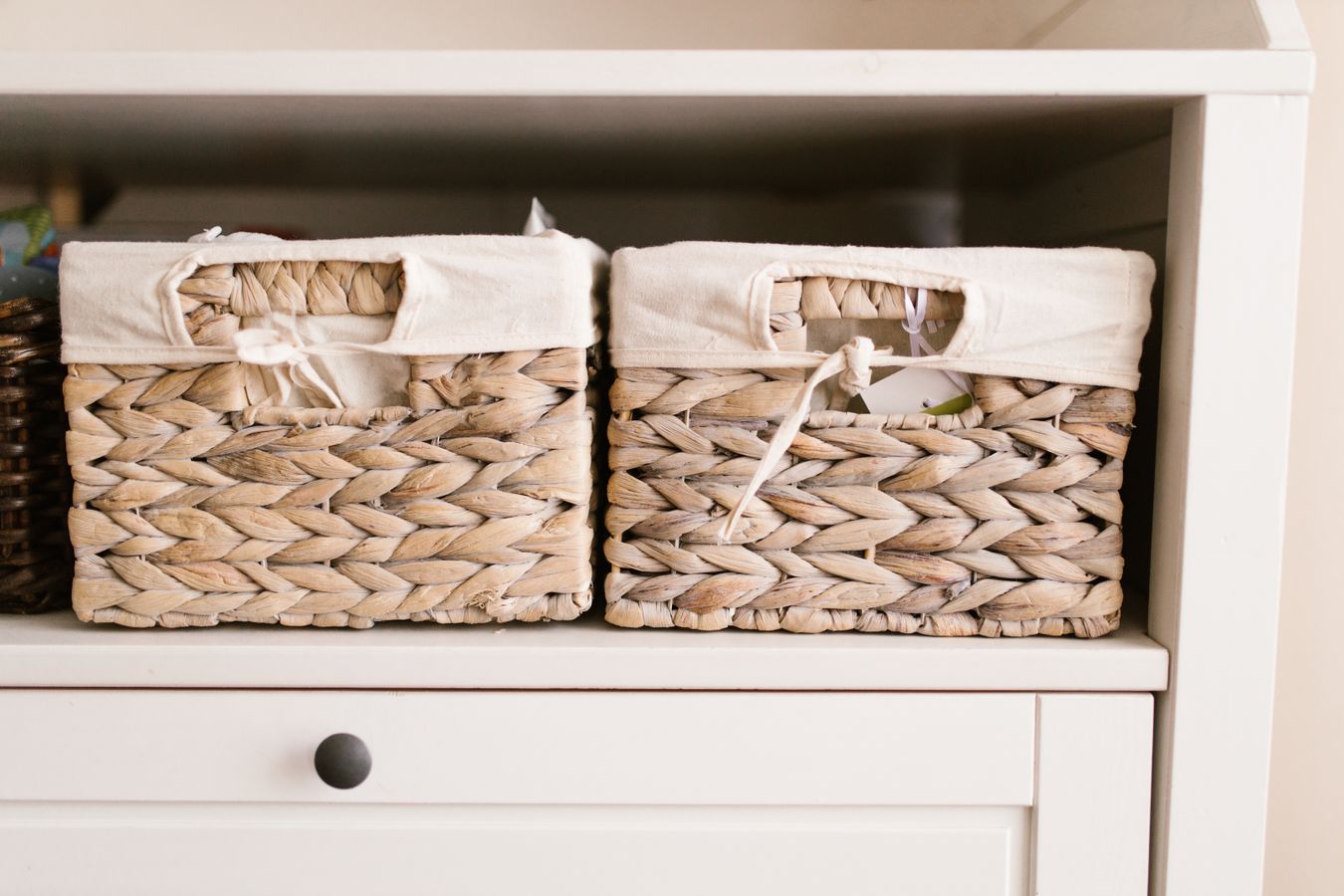
Keep the books and magazines people are actively reading near the sofa or favorite chair. Use one small basket, shelf, or side-table section. You may also find How to Do a Seasonal Closet Switch in a Small Home Without Making a Bigger Mess useful for a closely related small-home problem.
When the zone is full, finish, return, reshelve, or remove something before adding another current read.
Give permanent books real shelf capacity
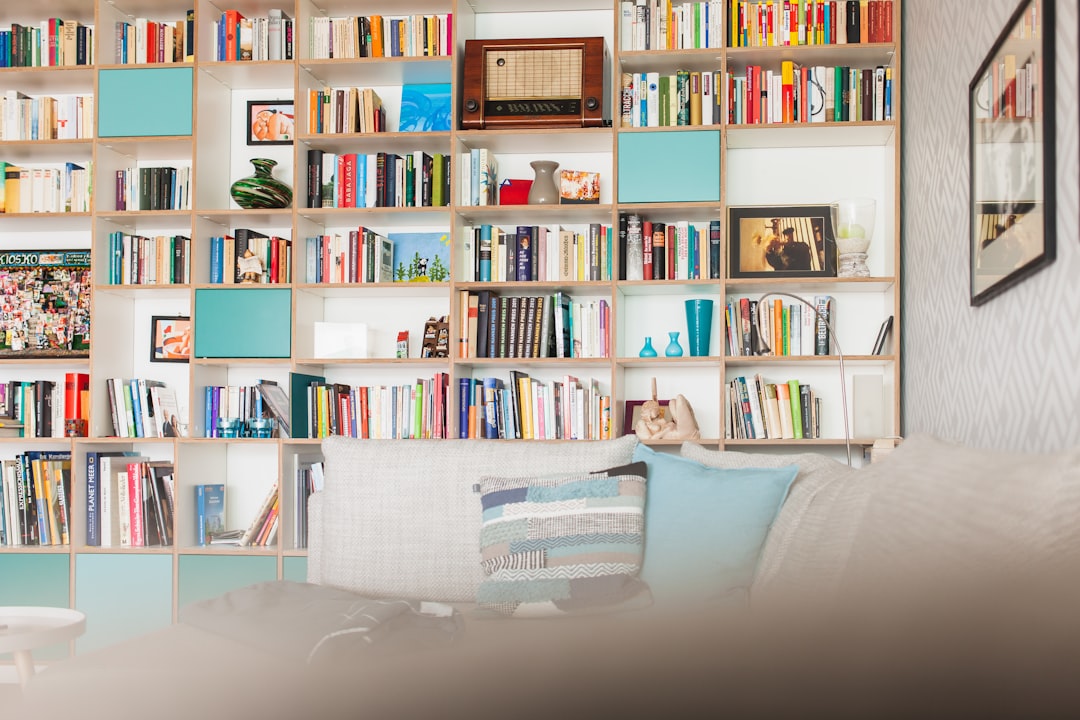
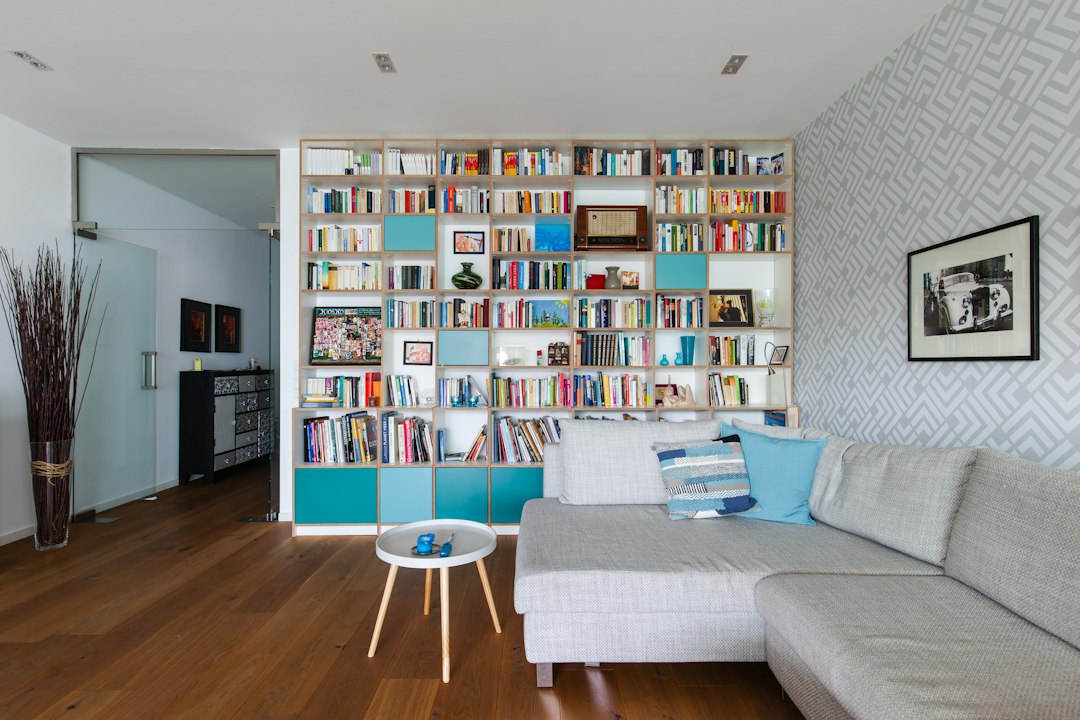
Books you intend to keep deserve a stable shelf. Avoid building horizontal piles on top of vertical rows simply because the shelf is full.
A full shelf is useful feedback: the collection has reached the furniture’s current capacity.
Separate library books from owned books
Use one visible return zone for borrowed books so they do not disappear into permanent shelves.
Keep due-date reminders in the family calendar or command center if helpful.
Give magazines a short life cycle
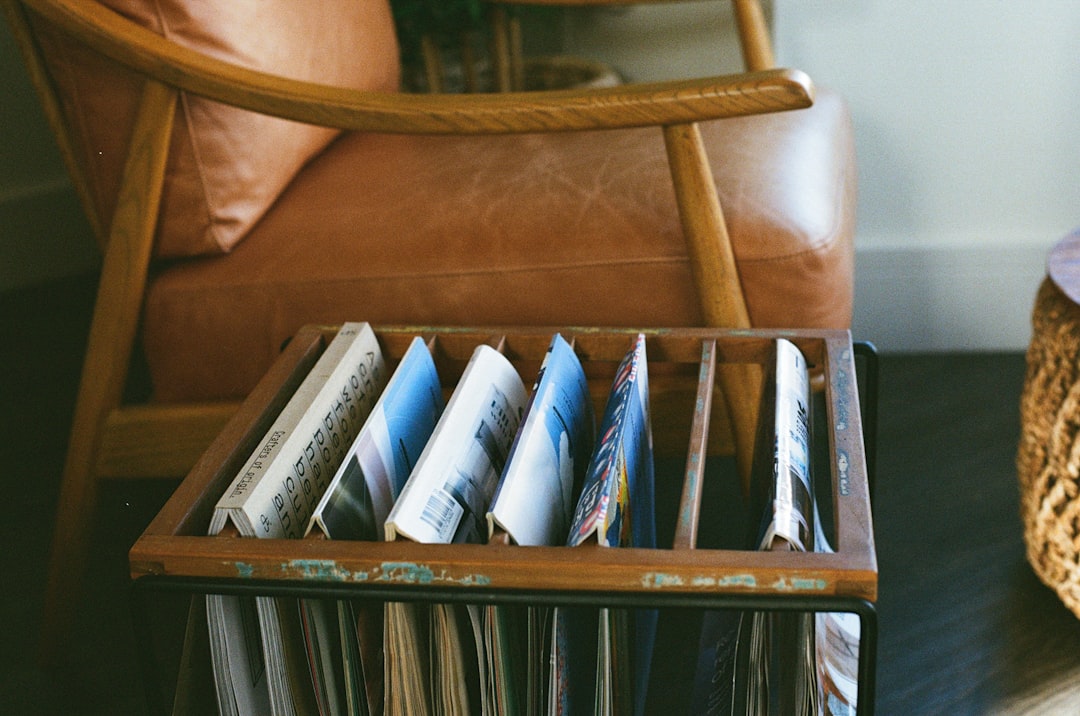
Magazines become clutter when “I might read this” has no deadline. Use one magazine holder or basket and review it weekly or monthly.
When the container is full, recycle or pass on older issues before adding more.
Keep catalogs out of the reading collection
Catalogs, flyers, and promotional booklets should not inherit permanent living-room status. Read them if useful, then recycle or discard appropriately. For the broader setup, How to Make a Small Living Room Guest-Ready Without a Guest Room is a useful next read.
Use horizontal stacks intentionally
A small stack on a coffee table can look intentional. Multiple stacks around the room usually signal overflow.
Set a height or item-count limit and return finished books to shelves.
Do not let kids’ books occupy every room
If children read in the living room, keep one basket or shelf of current favorites there and the larger collection in the kids’ room or another book zone. For the broader setup, How to Store School Projects, Poster Boards, and Oversized Kids’ Work in a Small Home is a useful next read.
Use lower shelves for family-access books
Where safe and practical, put frequently used family books on accessible shelves and low-frequency reference books higher or deeper.
Create a book exit route
When a book no longer earns shelf space, decide whether to donate, sell, gift, recycle where appropriate, or move it to another intentional collection.
A donation box should leave the home on a schedule.
The ten-minute reading-material reset
- return owned books to shelves,
- put current reads in the reading zone,
- collect library books,
- review magazines and catalogs,
- clear the coffee table,
- move outgoing books toward donation/return.
If the shelves are already packed
Do not automatically add another bookcase. Review the collection first. In a small living room, new furniture affects circulation and visual weight.
For no-buy space improvements, see How to Make a Small Living Room Feel Bigger Without Buying New Furniture.
Use digital reading selectively
E-books, digital subscriptions, and saved articles can reduce physical volume for some households, but they are optional. Keep physical formats that you genuinely enjoy and use.
Frequently asked questions
How many books should stay in the living room?
Keep the books the room’s shelving can hold comfortably plus a small current-reading zone.
Where should magazines go?
Use one limited holder or basket and review it on a regular schedule.
How do I organize family library books?
Keep borrowed books in a visible separate zone so they do not mix into the permanent collection.
Let books feel collected, not piled
A living room can hold plenty of reading material when every format has a different life cycle: current reads stay close, owned books stay on shelves, library books stay visible, and magazines keep moving.