School projects do not fit neatly into a filing drawer.
Poster boards lean behind doors. Tri-fold displays live on top of cabinets. Models sit on the dining table because nobody knows whether they can leave yet. Large artwork gets folded simply because there is nowhere else to put it. If you are working on the same space, How to Divide a Shared Kids’ Bedroom Into Sleep, Dress, and Play Zones covers the next decision in more detail.
The easiest system separates active, display, reference, and keepsake stages.
Stage 1: active project
While a project is being built, give it one board, tray, box lid, or portable base. That allows the project to move off the dining table without losing pieces. You may also find How to Organize a Small Kids’ Closet That Has to Hold Clothes, Shoes, and Gear useful for a closely related small-home problem.
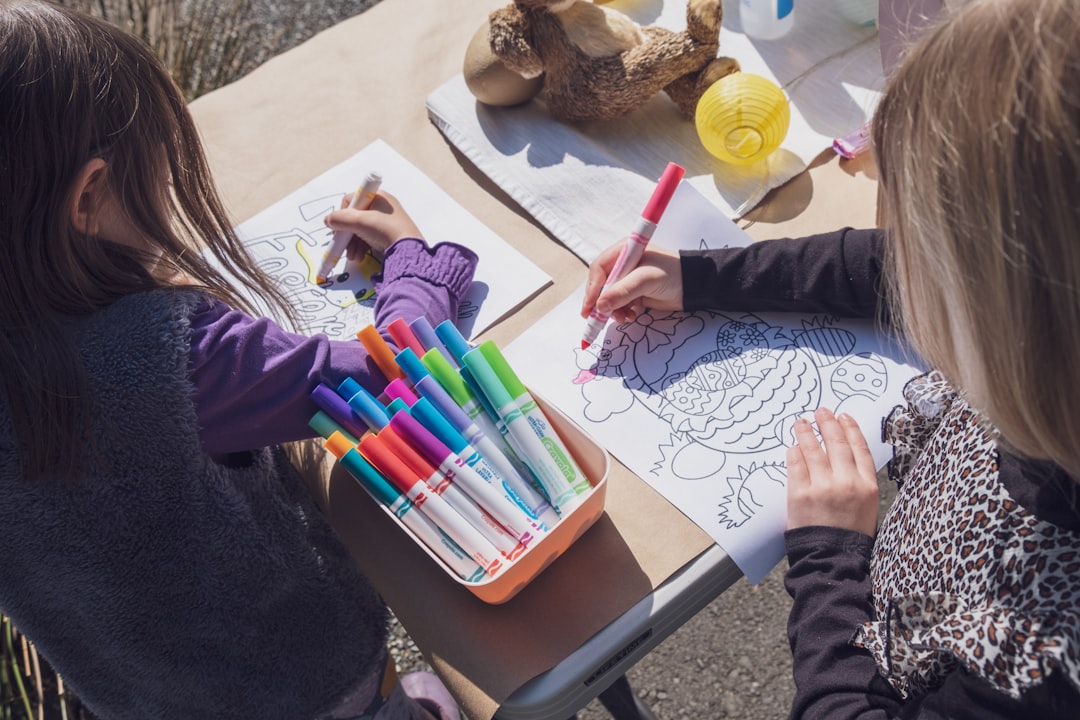
Keep supplies separate from the project itself
Markers, glue, scissors, and craft materials should return to the regular art or homework system after each session.
See How to Organize Kids’ Art Supplies in a Small Home Without Creating a Craft Explosion.
Stage 2: temporary display
After the project returns home, choose a short display period if the child wants to enjoy it. Use one shelf, wall area, or tabletop—not several rooms.
Stage 3: decide what information matters
Some projects contain research, writing, or photographs worth keeping even if the cardboard structure is not.
Photograph the project, save key papers, or scan a representative part before the bulky materials leave.
Stage 4: keepsake only when it earns the space
Keep a small number of projects that are genuinely meaningful. Use a defined memory box, portfolio, or oversized-art container. For the broader setup, How to Keep a Shared Kids’ Bedroom Tidy When the Kids Have Different Habits is a useful next read.
The storage boundary prevents every school year from becoming permanent volume.
Do not keep poster boards “for reuse” forever
Save reusable material only if it is clean, undamaged, and likely to be used soon. Offcuts and bent boards usually become awkward clutter. If you are working on the same space, How to Organize Foil, Food Wrap, and Reusable Bags in a Small Kitchen covers the next decision in more detail.
Use vertical storage for flat oversized pieces
A portfolio, large folder, poster sleeve, or narrow vertical gap can protect flat work better than leaning loose pieces behind furniture.
Give 3D models a deadline
Models are often the hardest to store. Decide in advance how long they will stay after grading or presentation. Take photos before disassembly if the memory matters.
Keep current schoolwork separate from memories
Active assignments belong with backpacks and school supplies. Keepsakes belong in archival family storage.
For regular paper flow, see How to Organize School Papers Without Keeping Everything.
The end-of-project reset
- return borrowed supplies,
- photograph the project if wanted,
- save important written pieces,
- choose display or keepsake status,
- recycle/discard materials as appropriate,
- clear the table and project tray.
Frequently asked questions
How long should I keep school projects?
Keep them long enough for grading, display, and a deliberate keepsake decision rather than storing everything indefinitely.
How do I store poster boards?
Use a flat portfolio, large folder, or vertical oversized-paper zone where the boards will not bend or block circulation.
What about sentimental projects?
Keep a limited number in a defined memory container and photograph additional pieces.
Preserve the memory without preserving every cubic inch
Oversized schoolwork becomes easier when projects move through stages. Active work gets a portable base, finished work gets a decision, and only the most meaningful pieces become long-term storage.