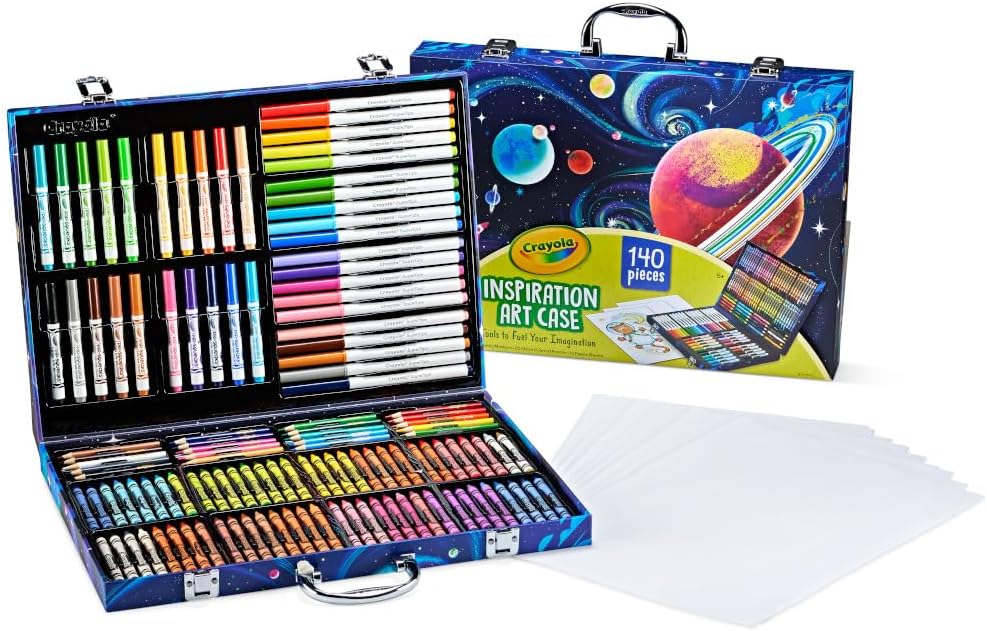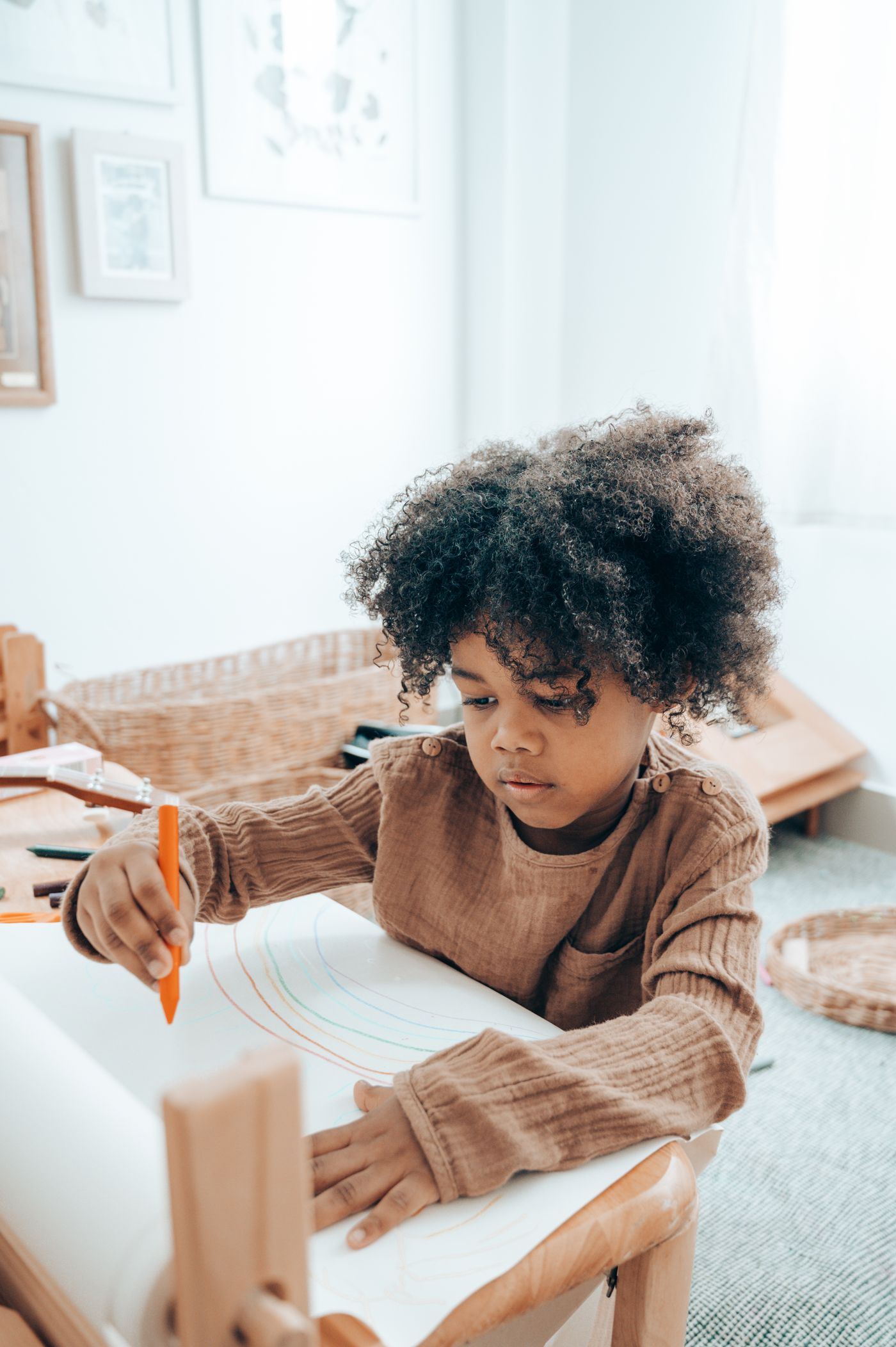
A child’s room can show who they are without displaying every piece they have ever made. A limited rotating display gives the child a real choice over what is visible, while giving new work somewhere to go. The system works best when display, private keeping, and letting go are treated as separate decisions.
Etsy’s spring and summer 2026 report points toward expressive personal displays and playful handmade interests. This guide applies that direction to family room use; it does not claim a measured October trend for children’s artwork rotation. The household task is clear: make a manageable display that belongs to the child, without allowing finished work to cover every useful surface.
Agree on the display area before choosing the work
Choose a bounded area suitable for the child’s age, the room, and the mounting method you can use. It might be a permitted wall section, an existing board, or part of a shelf. The area should not obstruct book access, dressing, sleeping, or movement. Avoid buying a display system before deciding where it can safely function.
Let the child see the available space. A defined area is easier to understand than a vague instruction to keep only a few things. You can say that the display has four places or that the shelf section has to remain within an agreed boundary. Adjust the amount to the actual work rather than assuming every picture or model has the same size.
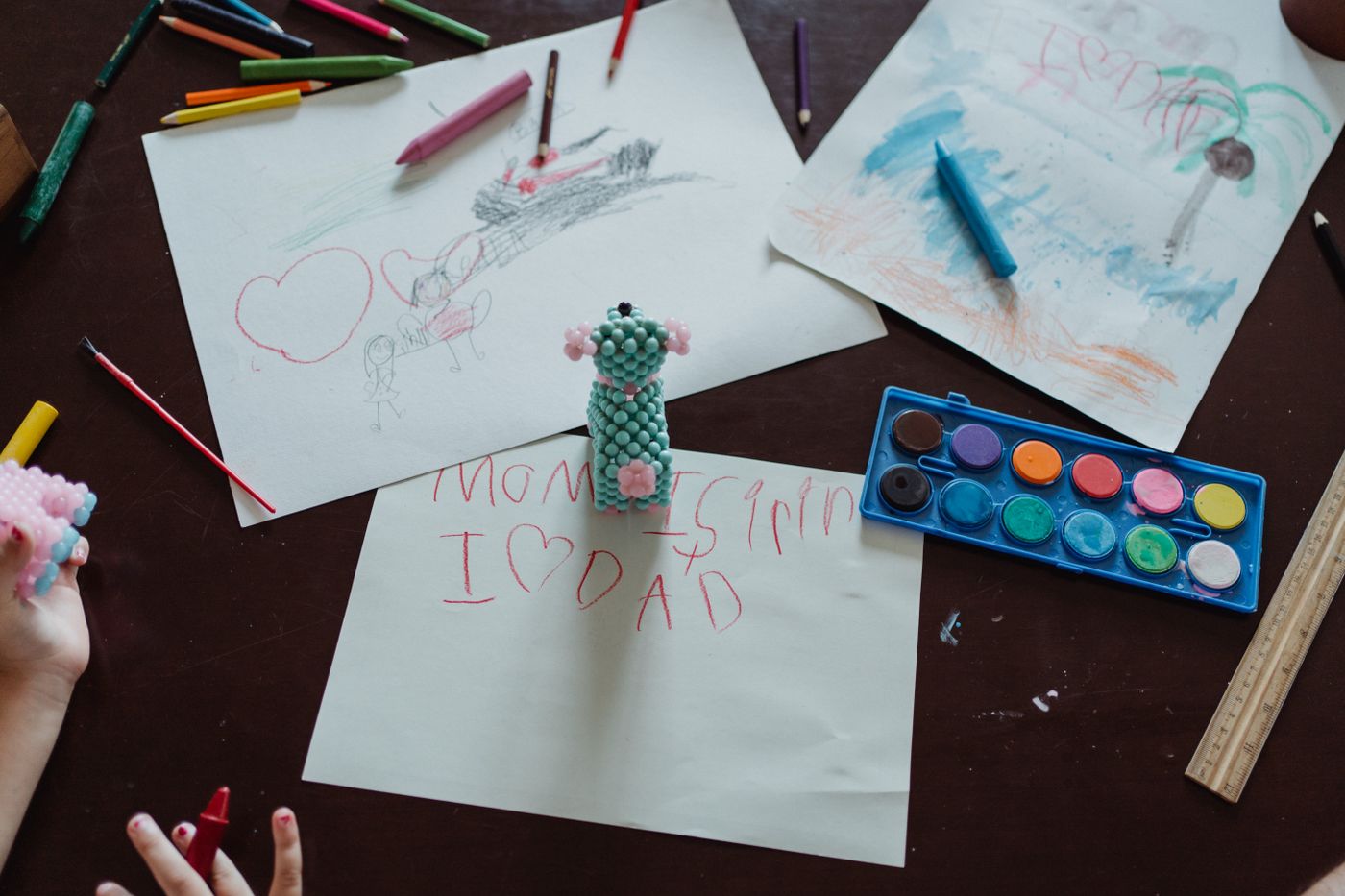
Do not promise a mount is suitable merely because an artwork is light. Follow the display system’s instructions, consider the wall or furniture material, and respect rental permissions where applicable. Loose cords, small pins, detachable clips, and heavy frames require age-appropriate handling. A child-controlled choice of art does not mean unsupervised control of every fitting.
Give the child a genuine first choice
Ask which piece they want to see first and what they like about it. You do not need to choose the most polished work or the one that matches the room’s colors. A current interest or a piece connected to a happy activity may matter more to the child than the picture an adult would frame.
If the available work exceeds the display area, select a small group together. Keep the remaining pieces in a temporary waiting position while deciding what should be privately kept. The waiting position is not a permanent overflow display; it is a short pause that allows the child to decide without everything becoming visible at once.
Avoid asking the child to select while you silently discard the unchosen pieces. Display selection and disposal are separate conversations. A piece can leave the wall and still be important. When those decisions remain separate, changing the display does not automatically feel like losing the work.
Make shared-room space fair
In a shared bedroom, give each child a clearly understood portion or a fair turn in a common area. Equal attention does not require identical objects or identical tastes. One child may prefer a model and another a drawing; the boundaries should accommodate both without one display slowly taking over the other’s space. Our shared-bedroom tidy-habit guide helps make the return routine understandable when the children use the space differently.
Our shared-bedroom zoning guide helps establish where sleep, dressing, and play need to remain usable. Place the display within that plan rather than using every spare patch between functional zones. A personal display should make the room feel more theirs while leaving both children’s daily activities comfortable.
Agree on what happens when a large school project arrives. It may need a temporary alternative position or a shorter display period. Do not allow size alone to give one child indefinite control of the shared area. Explain the temporary arrangement and identify when the normal boundaries will return.
Keep creation supplies apart from finished work
Pens, paint, scissors, and unfinished pieces belong in the activity system. Finished work chosen for display belongs in the display system. Mixing them turns a small personal exhibit into a craft station that remains open all week. Clear the tools after the activity even when the finished piece stays visible.
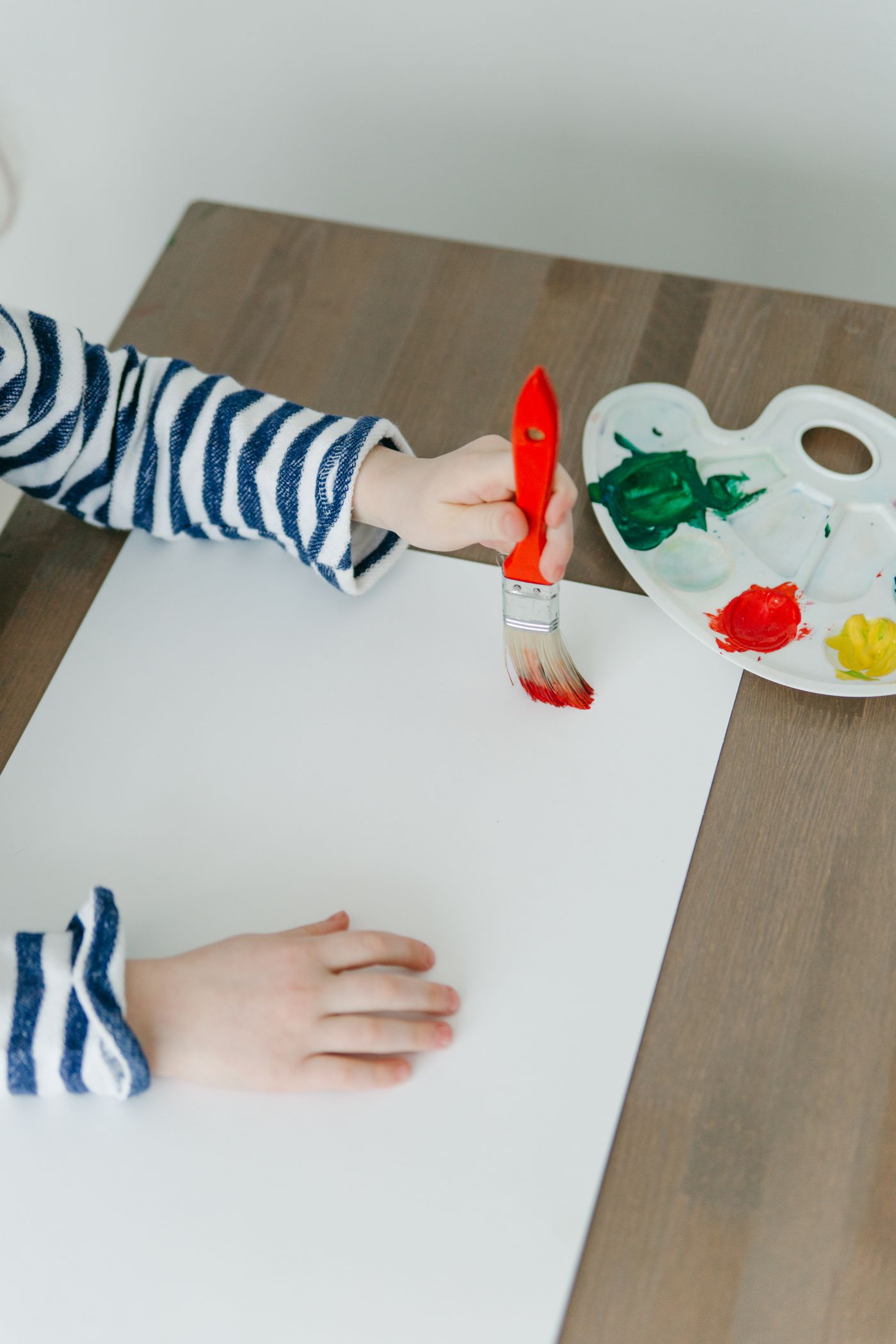
Our children’s art-supply guide covers the materials and their return locations. This guide concerns the later stage: what the child wants to show and for how long. Keeping the two stages distinct means a new display does not require leaving every supply out beside it.
Allow paint, glue, or other materials to reach the condition required by their instructions before mounting or storing the work. A rushed display can leave marks on another surface or damage the piece when it is removed. Choose a safe temporary drying position and keep it separate from the finished display area.
Choose a changeover cue the child can follow
Use a simple cue such as a new favorite piece, the end of a project, or an agreed monthly check. The cue should invite a choice rather than demand a perfectly refreshed display. If the child still wants the current work visible, it can remain within the boundary. Rotation is useful because space is limited, not because every room needs constant novelty.
At changeover, ask which piece stays, which moves to private keeping, and which can leave through the household’s agreed process. Make those options concrete. A work folder, one keepsake box, or a short-term holding tray can help, provided each has a stated role and does not become a hidden archive of everything.

Date or name a piece on the back only with a suitable method and the child’s agreement. A short context note can be meaningful later, but it does not need to turn each item into a formal museum label. Avoid attaching anything that damages a delicate surface simply to make the storage system look organized.
Keep personal information out of unintended view
Some work includes full names, school details, personal messages, or images of other people. Decide whether it belongs in a visible area before visitors arrive or a photograph is shared. A piece the child enjoys seeing in their room does not automatically belong in a public social-media post.
Ask before photographing or sharing work that feels personal to the child. A private folder can be an appropriate destination for something they want to retain but do not want displayed. Keep that choice independent of the piece’s quality; privacy is not an indication that the work is less worth keeping.
If another child contributed, consider their preference too. Collaborative work may need a shared agreement about where it is displayed and what happens afterward. The room system should respect the people whose work it contains, rather than making the adult’s decorating preference the only deciding factor.
Let photographs reduce bulk only when that suits the child
A photograph can record a large temporary creation, but it is not an automatic substitute for keeping the original. Ask whether the physical object matters: its texture, moving part, size, or the memory of making it may be the reason the child values it. Choose the record that fits the piece and the family’s actual space.
For work that is photographed, save the image in the ordinary family system with enough context to find it. Do not create an unsorted camera roll that is supposed to solve a sorted room problem. Organizing family photographs and printed keepsakes helps connect the record to a place where it can later be enjoyed.
Review the storage boundary without reopening every decision
Check the private keeping space when it reaches its agreed limit, rather than rejudging every piece each week. Let the child compare similar items or choose one example from a repeated activity if they are comfortable doing so. Keep the conversation manageable and avoid creating a large pile that occupies the whole bed.
If letting go is difficult, start with a small group and postpone the rest within a defined temporary place. The household boundary still matters, but it can be applied through a series of understandable choices. A system that repeatedly ends in a disagreement is unlikely to stay usable simply because its containers are attractive.
The finished display should show a few things the child actually wants to see. Its edges remain clear, the tools return to their own home, and a changeover has an agreed path. That is what makes the personal exhibit a working part of the room rather than another collection an adult has to manage alone.
Explore related household decisions in our Family Home hub.
Sources and editorial scope
Editorial research checked October 14, 2026. Trend-report dates and limitations are stated in the article; these are editorial applications of published signals, not verified October keyword rankings. Practical household guidance; illustrations do not document a tested household or authenticate a pictured material.