A first crochet session can stop after a short chain. That small goal gives a beginner something concrete to try without asking them to finish a scarf, follow a garment pattern, or keep pace with a more experienced relative. The family’s shared task is to make the starting movements understandable while each person keeps control of their own work.
Etsy’s fall and winter 2026 report provides context for hands-on making together. This guide applies that interest to a modest beginner session. Choose participants, tools, and supervision appropriate to the actual household; the activity does not need to include every age or ability in the same way.
Choose a simple starting combination
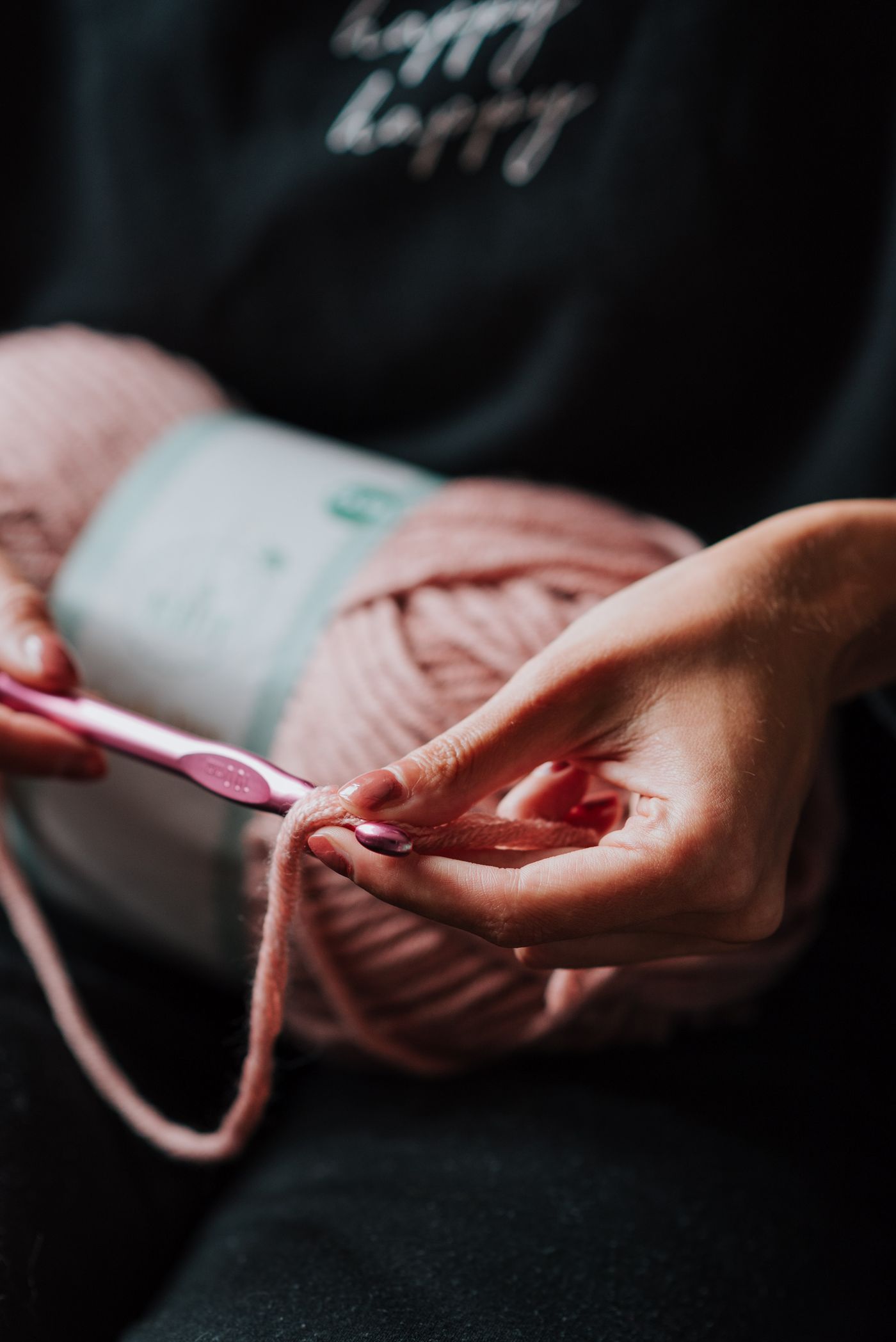
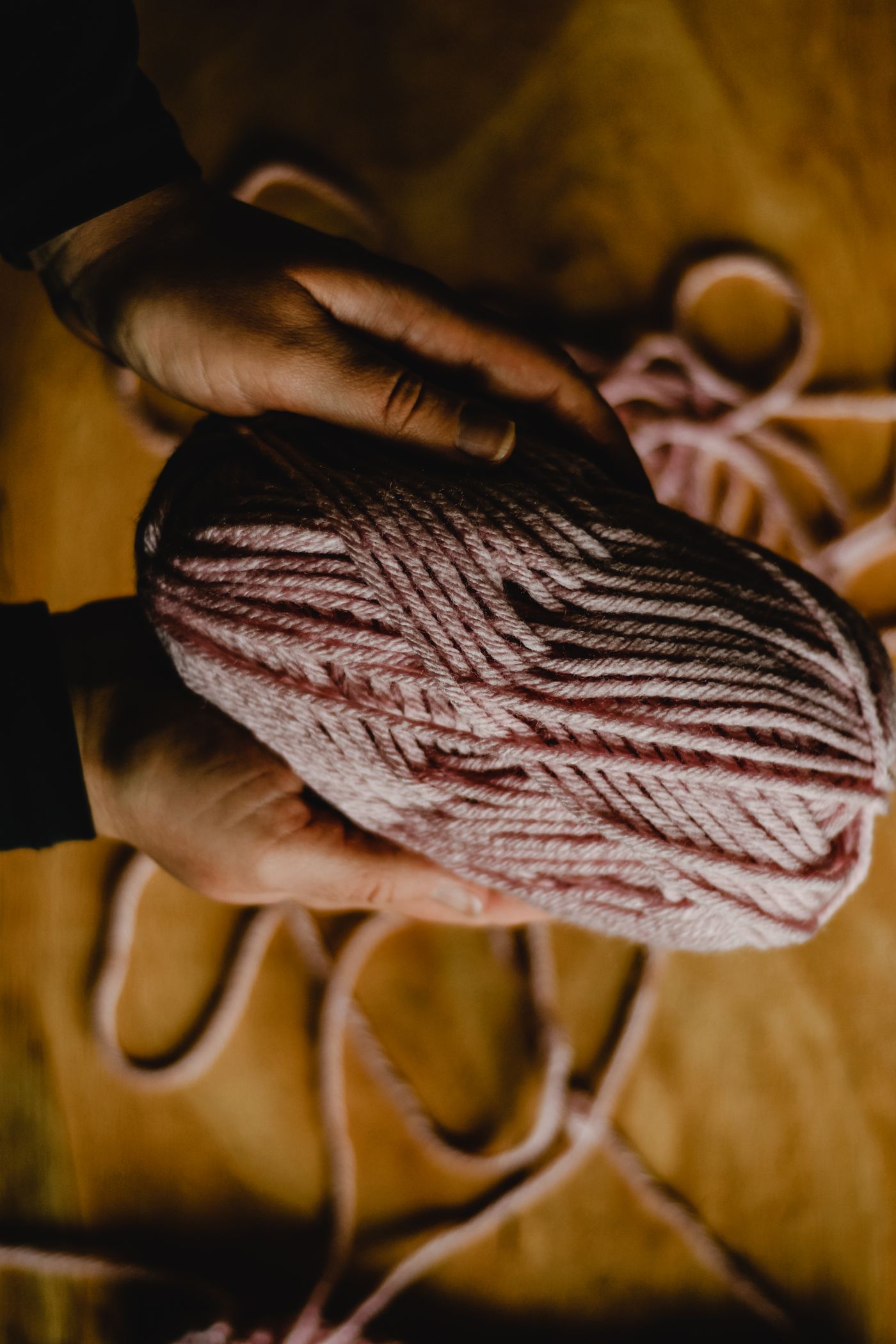
Use suitable yarn and a compatible crochet hook, following the yarn and tool makers’ information. A clearly visible, manageable yarn can make the structure easier to observe than a highly textured novelty yarn. Let the beginner see and handle the actual materials before deciding whether that combination feels useful.
Keep the yarn’s label and hook size identifiable. If someone changes equipment, note the change rather than assuming every hook with the same color handle is identical. An adult should manage cutting tools and any other equipment as appropriate. There is no need for a large starter kit before the family discovers whether the beginner enjoys this first movement.
Give the demonstration its own piece
The more experienced person should demonstrate with separate yarn and a separate suitable hook. Sit where the beginner can see the hands and ask which viewing position is easiest. Avoid repeatedly turning someone else’s work around to match your own position without their agreement.
Use one beginner reference consistently rather than switching between several videos with different terminology and pacing. Lion Brand’s chain-stitch guide provides a primary reference for this starting skill. Follow an appropriate demonstration for the participant’s handedness, and pause it when necessary instead of asking them to copy a continuous stream of movements.
Establish a manageable starting loop
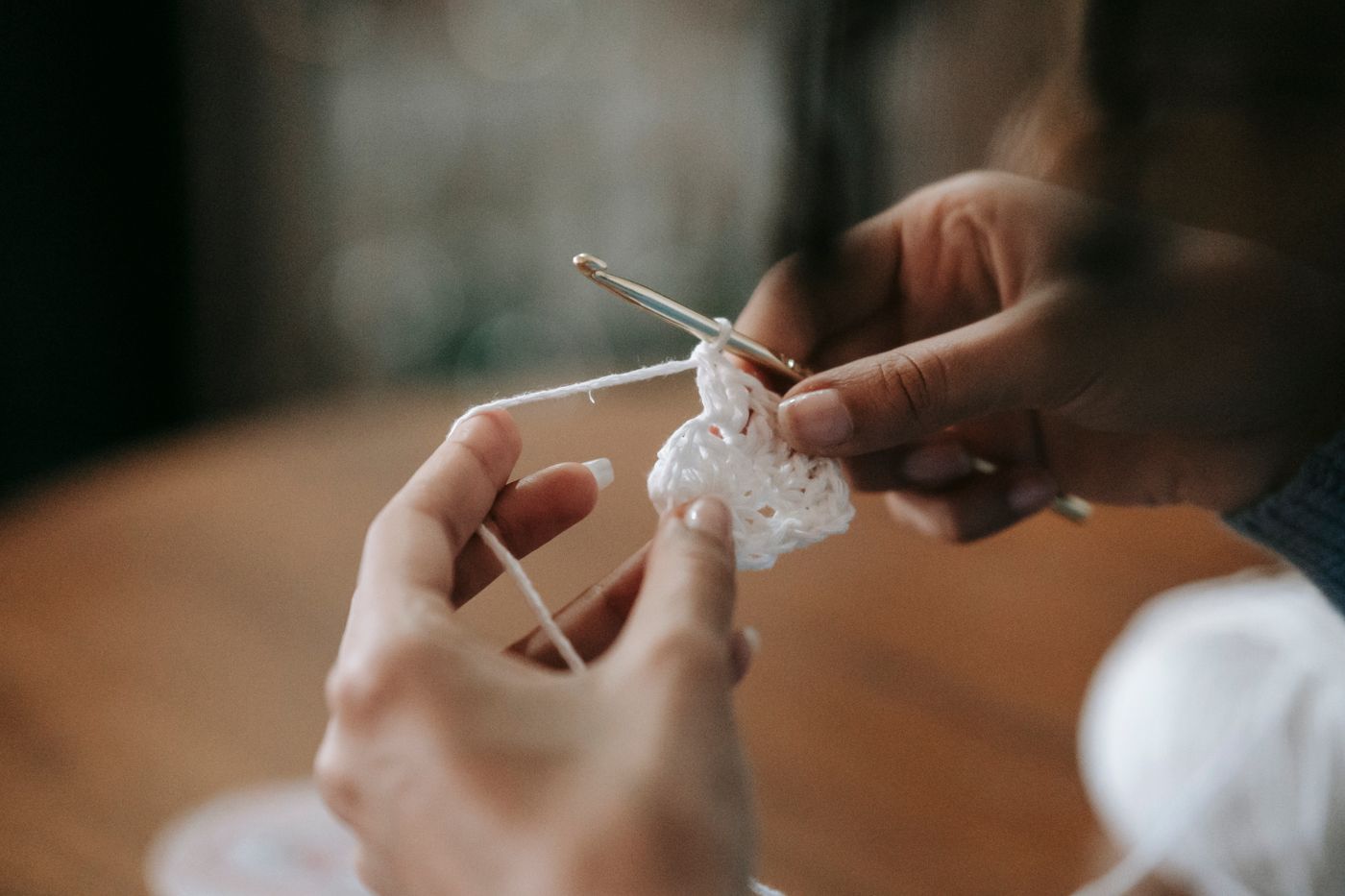
Follow the chosen beginner instructions to make the starting loop on the hook. Help the learner distinguish the working yarn connected to the ball from the short tail. Those identities matter when they try to manage the yarn and repeat the movement. Give the terms a concrete meaning using the yarn in front of them.
Check that the loop can move as required by the technique rather than being tightened firmly onto the hook. If the beginning feels awkward, demonstrate the setup again on your own piece. A short restart can be easier than trying to pull an excessively tight loop through a sequence the beginner does not yet understand.
Make one chain movement slowly
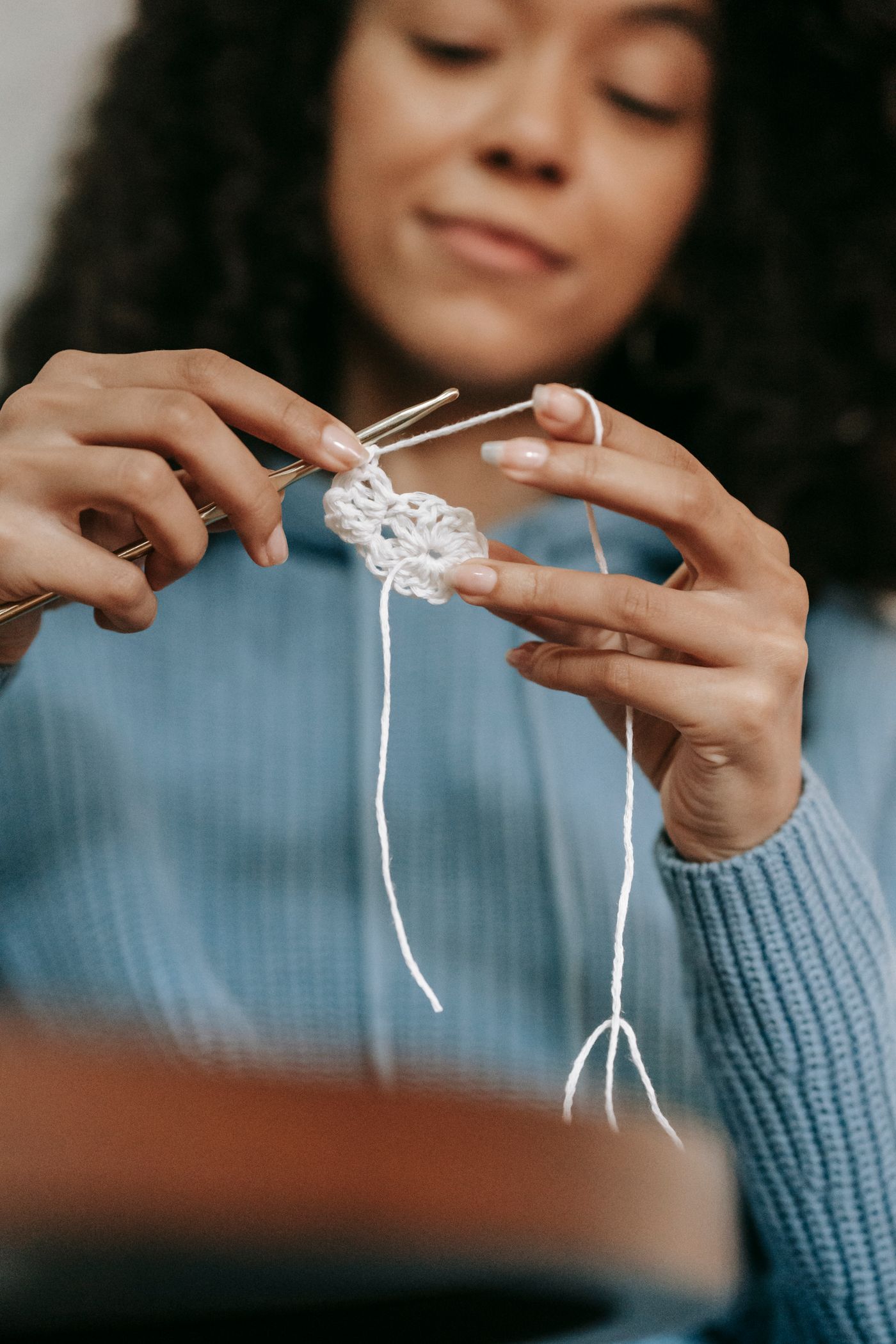
For an ordinary crochet chain, the working yarn is brought over the hook and drawn through the existing loop, leaving a new loop on the hook. Demonstrate that movement in accordance with the chosen reference. Then let the beginner try one movement before offering the next instruction.
Keep the explanation small. Naming every possible future stitch while someone is trying to draw yarn through one loop can obscure the task. A person who makes one recognizable chain movement has something useful to repeat. There is no need to compare their speed with another participant’s progress.
Find a comfortable way to manage the yarn
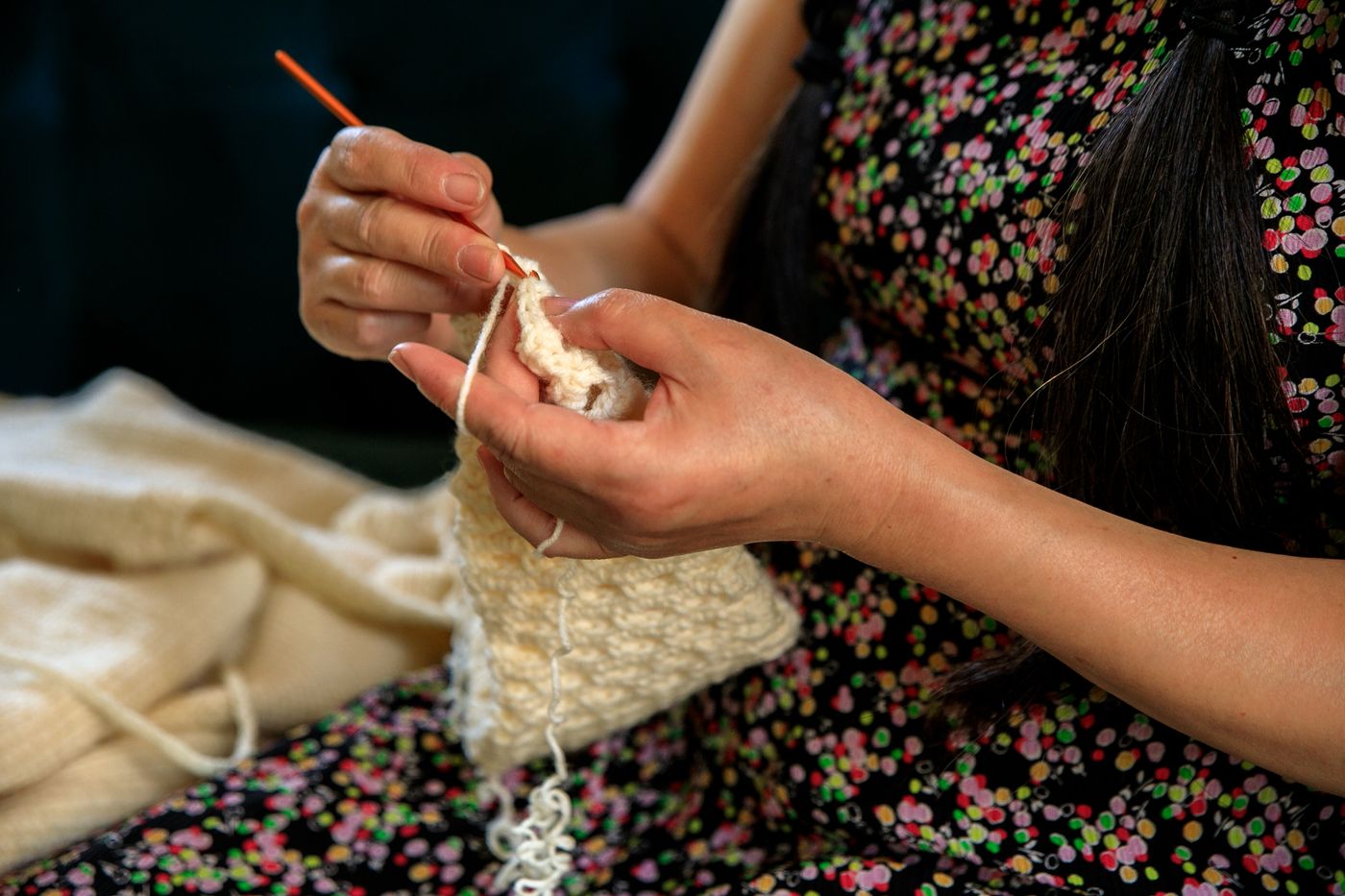
The learner may need time to coordinate the hand holding the hook with the hand managing the yarn. Use the reference to explain the necessary movement, while allowing appropriate comfortable hand placement. Do not insist that copying one adult’s exact finger position is the only acceptable route to the same stitch.
Watch for a practical obstacle rather than judging the whole attempt. If the yarn cannot move, check the loop and tension. If the hook loses the yarn, slow down the movement and demonstrate separately. Change one thing at a time so the beginner can connect the adjustment with what happens next.
Keep the first chain short and observable
After a few movements, pause and look at the piece together. Use the chosen reference to identify the completed chain structure and how it is counted; the active loop on the hook is not counted as a completed chain stitch. A small piece is easier to inspect than a long sequence made while the learner is already confused.
Avoid setting a long target number solely to make the activity seem substantial. The useful goal may be repeating the movement a few times and recognizing the result. Someone who wants to continue can do so, while another person can finish a shorter practice attempt without being described as behind.
Offer help without taking ownership
Ask what the beginner wants help with before touching their hook or yarn. They may want to see a movement again, understand which strand is active, or start over. An adult can point to an area or demonstrate on a separate sample. Taking the learner’s piece and completing it quickly can remove the very practice they came to try.
If the person asks you to undo a small section, explain and agree on that action first. Keep the piece’s owner involved in what changes. A successful family session preserves confidence in asking questions rather than teaching that a more experienced person will replace the work whenever progress slows.
Choose a clear stopping point
Before the session ends, decide whether the learner wants a finished practice chain or an appropriately paused piece for another attempt. Follow suitable instructions for finishing or retaining the active loop. Do not leave a vulnerable unfinished loop loose in a mixed supplies box and assume the beginner will recognize how to restart it.
Keep the hook size, yarn identity, and next intended action with any paused piece. The active crochet-project storage guide covers that separate return problem. A small identifiable practice sample can be easier to resume than a larger bag containing several anonymous beginnings.
Let another activity remain an acceptable choice
Someone may enjoy choosing yarn or watching the demonstration without wanting to crochet that day. Offer another suitable activity instead of turning the first chain into a test everyone must pass. The one-fold origami session provides a different short sequence, while the paper-collage guide supports a more open-ended material activity.
The photographs show crochet tools and work at several stages. Larger pieces in those photographs are context, not an expected outcome of this first session. Keep the visible comparison focused on the beginner’s own starting point, rather than a completed project made by an unknown experienced maker.
Preserve only what the learner wants to keep
Ask whether the practice piece should be retained, photographed for a personal record, or otherwise handled appropriately. Do not promise a permanent display for every attempt, and do not alter someone’s chosen sample during cleanup without agreement. The learner may value the first uneven chain precisely because it records the starting experience.
The rotating handmade-display guide can help with a small temporary selection. Keep the record light: the yarn, hook, approximate date, and what the person wants to try next may be sufficient. The session does not need an achievement chart or a comparison between family members.
Return the tools and leave a realistic next step
Store the actual tools and yarn according to their needs and the household’s access requirements. Keep unfinished material distinguishable from ready supplies. If someone wants another session, choose one small next step based on what they asked to learn, rather than automatically assigning a larger project.
The first chain is useful when the learner understands a repeatable movement and can ask for help while owning the result. A short shared session can provide that experience. Its success is better judged by a clear, comfortable stopping point and an interested next choice than by the length of yarn produced before the table is cleared.
Explore related decisions in our Family Home hub.
Sources and editorial scope
Editorial research checked October 24, 2026. Published trend reports are context for these editorial applications, not verified live keyword rankings. Practical household guidance; photographs do not document a tested household or authenticate pictured materials.