A short stop-motion scene can turn familiar toys into a small family film without requiring a permanent studio. Choose one simple movement, keep the camera position steady, and divide the work so moving the object and taking the next image do not happen at the same time. Finish a modest scene, watch it together, and return the room to ordinary use.
Pinterest’s 2026 hobbies report describes interest in miniature making and personal media projects. This activity combines those broader ideas as an editorial suggestion; the report does not establish this exact family project as a measured trend. Stop motion uses a camera and a playback process, so it should not be presented as a screen-free activity.
Choose one action that has a clear ending
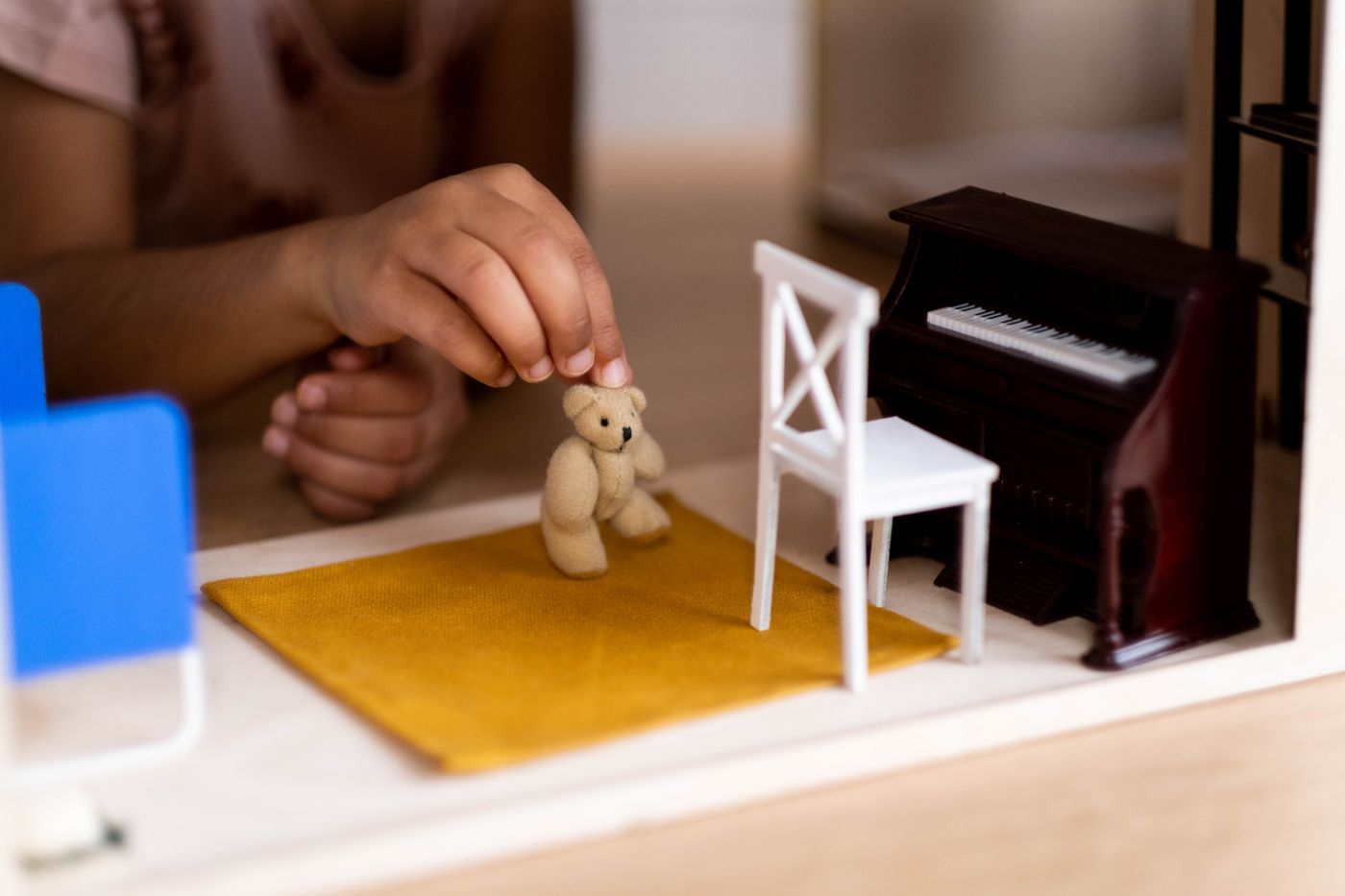
Begin with something small: a toy crosses a short space, a figure approaches a chair, or a few suitable objects arrive one at a time. A single action is easier to complete than a story with several sets and a large cast. The household can make another scene later without treating the first attempt as the beginning of an unfinished film series.
Use suitable toys and materials the family already owns, following their intended use and age guidance. Agree on any borrowed pieces before starting. Our borrowed-toy guide can help retain ownership and the complete set when the project uses somebody else’s miniature furniture or figures.
Let the children choose the meaning of the action where appropriate. The adult does not need to impose a complicated script to make the sequence worthwhile. Keep the plan simple enough that everybody can explain what will change between the first image and the last, including the person helping with the camera.
Understand the movement between the images
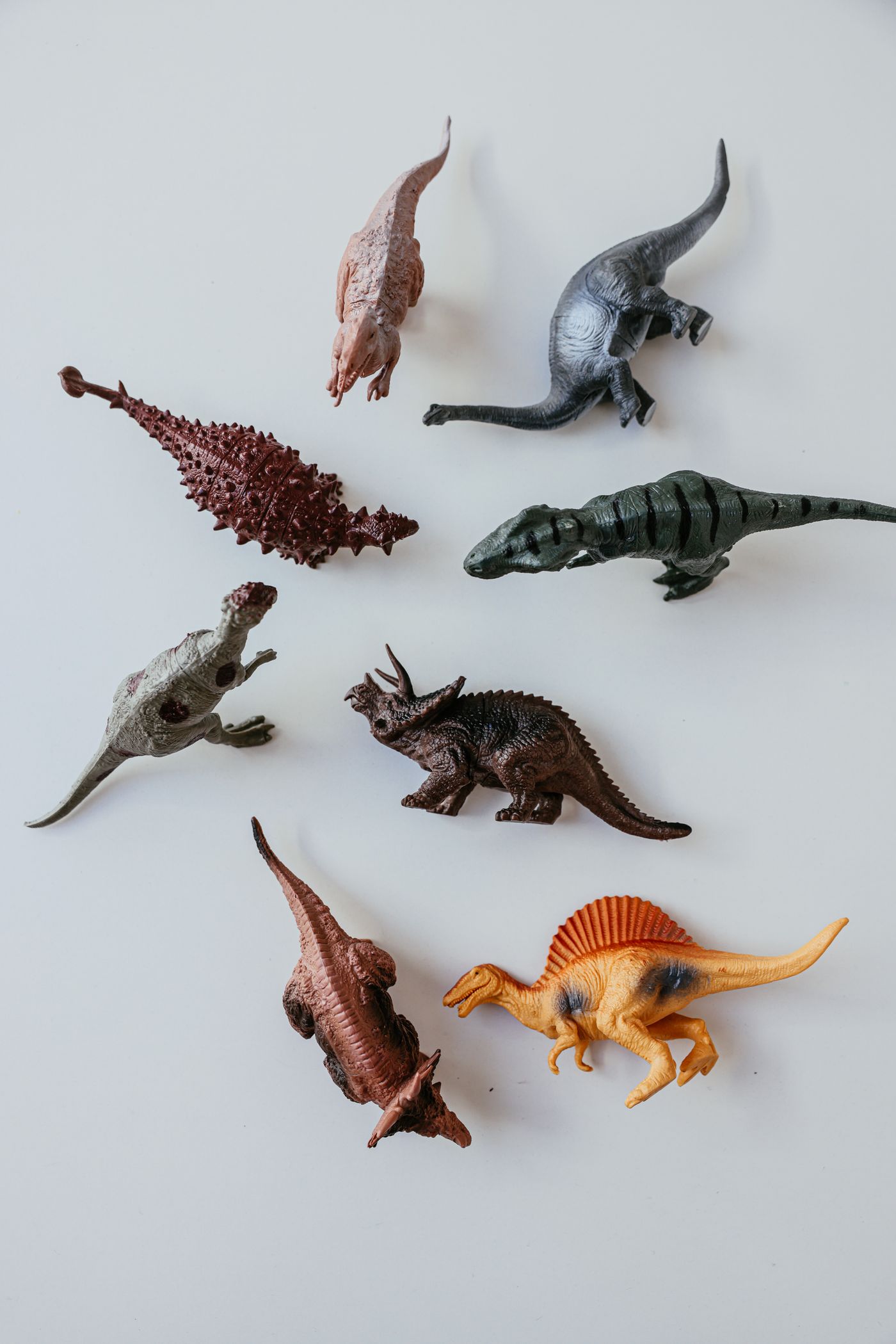
Adobe’s stop-motion overview explains the basic technique: photograph an object, change its position, then photograph it again. Playing the images in order creates the appearance of movement. This is different from filming a continuous video while a hand moves a toy across the set.
Try a tiny sequence before building the full scene. Keep the camera still, move the object a little, and take another image after the mover’s hand is out of the frame. Review the sequence using a method you understand. The purpose of the trial is to confirm that the household can complete the process with the actual equipment available.
You do not need to promise a professional frame rate or a precise running time. More images create more work, and a smoother result is not always the family’s main goal. Choose a manageable sequence and judge the first attempt by whether the intended movement is recognizable, rather than comparing it with a feature-length animated film.
Borrow a small part of the room
Choose a suitable surface and a defined area for the scene. Keep the household’s normal passage and other people’s belongings available. A miniature room does not need a life-size rearrangement around it. If the toys can complete their action on one small surface, resist expanding the set simply because more props are nearby.

Our shared-table transition guide can help agree on an interval and clear the surface before starting. Include the temporary camera position and the people working, not just the toy footprint. The group needs enough room to take turns without repeatedly bumping the set or stretching over another person.
Use appropriate camera support and equipment as instructed. Do not balance a device on an unstable stack to imitate a studio photograph. Keep cables and accessories manageable, and avoid adding equipment solely because it appears in an illustrative image. A familiar device and a suitable small setup may already support the modest scene you planned.
Check the actual picture before taking many frames
Look at the frame to see what the camera includes. Remove unrelated personal information or background objects you do not want in the project. A family film about toys does not need faces, addresses, or private paperwork to become part of the scene. Make those choices before taking a long sequence that would be difficult to redo.
Keep the background and ordinary lighting reasonably consistent for the brief task, without turning that goal into an equipment project. Watch for a hand, sleeve, or extra object entering the picture unintentionally. If somebody bumps the setup, review the next step together rather than insisting that the entire scene has been ruined.
Our temporary family photo-corner guide considers another activity where the camera sees only part of the room. Apply the idea of choosing the view deliberately, while keeping this project’s toys and movement distinct from a family portrait session. A small intentional frame is often enough.
Give moving and camera work separate turns
Agree who positions the objects and who takes the next image. A simple spoken handoff can help: the mover finishes, checks that hands are clear, and tells the camera person the frame is ready. This avoids a sequence in which the toy changes position while the next image is being taken.

Rotate roles if the participants want that, using a clear point in the scene so the setup remains understandable. Someone who prefers not to handle the camera can suggest the next small movement or check the planned ending. Listening, observing, and helping restore the set can all be useful contributions without making every child perform the same task.
If two people have different story ideas, finish the agreed small action first or make separate short attempts. The room does not need two competing sets spreading across the table. Our quiet-time zone guide can help balance this project with a household member who needs a different activity nearby.
Make one viewable sequence before adding extras
Use an appropriate familiar app or editing process and follow its current instructions to arrange the images in order. Check its saving and sharing settings rather than assuming every project remains only on the device. This article does not require a particular paid app, account, or public upload to complete the activity.
Watch the draft together before adding music, titles, or another scene. The basic movement may already tell the whole small story. If you want additional material, use content you have the right to include and keep that decision within the project’s agreed purpose. A soundtrack is optional, not proof that the film is finished properly.
Choose one version as the completed project and give it a recognizable name. Keep or remove extra attempts through a deliberate household decision rather than leaving several indistinguishable copies. Our family movie-night guide can support a brief private viewing without turning the playback into a second large event.
Return the miniature room to its normal home
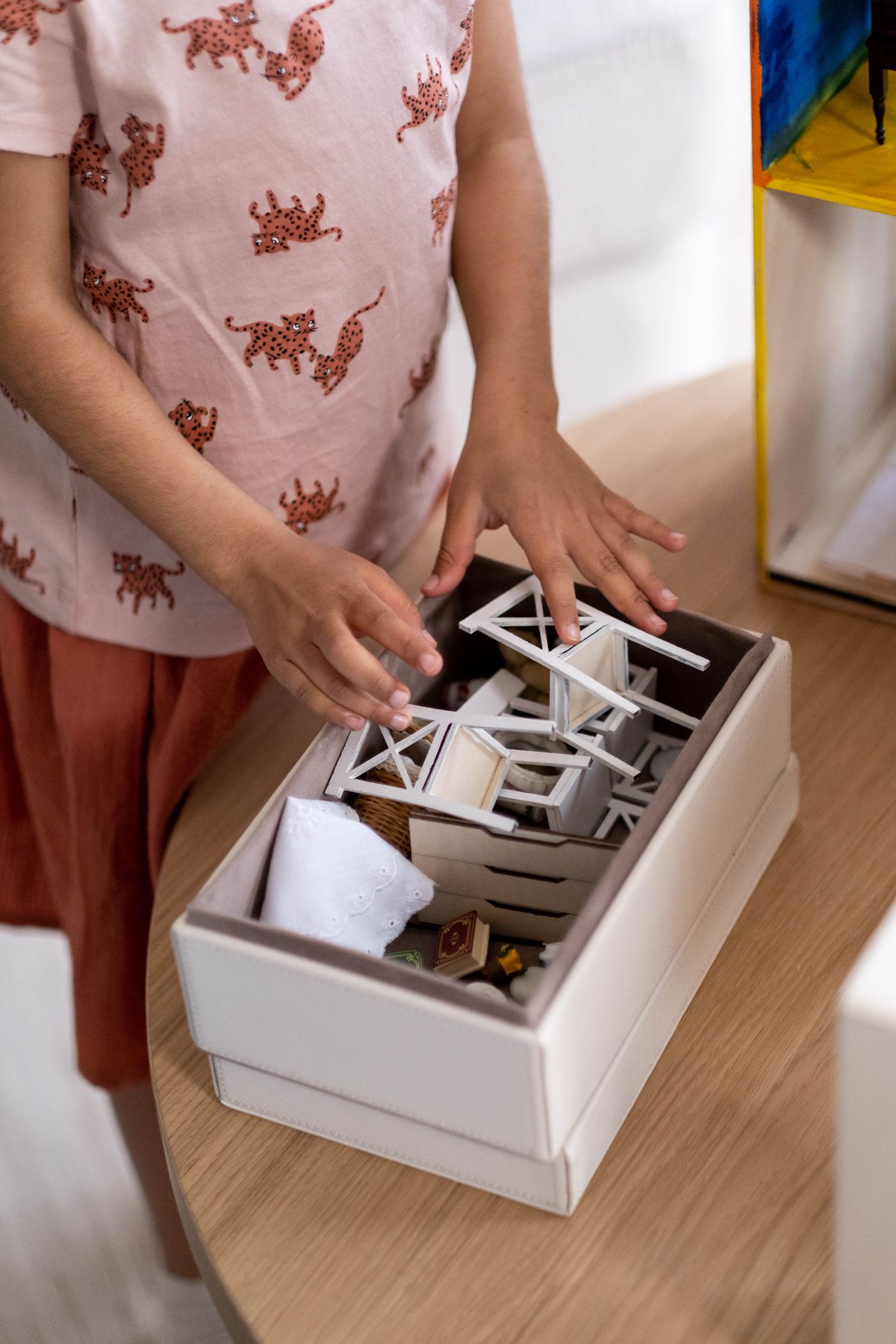
Reunite toys and miniature furniture with their actual sets, following appropriate care and storage. Return borrowed items and put camera equipment away as directed. Keep a scene assembled only when the household genuinely wants to continue and has an appropriate place for it; otherwise, the finished clip can preserve the result while the physical set is cleared.
Ask before sharing the film beyond the agreed viewers, particularly if it contains people’s voices or personal details. A successful first scene may remain a private family project. The useful finish is a short viewable action, clear choices about its use, and a multipurpose room ready for the next part of everyday life.
Explore related decisions in our Family Home hub.
Sources and editorial scope
Editorial research checked October 21, 2026. Published trend reports are context for these editorial applications, not verified live keyword rankings. Practical household guidance; photographs do not document a tested household or authenticate pictured materials.