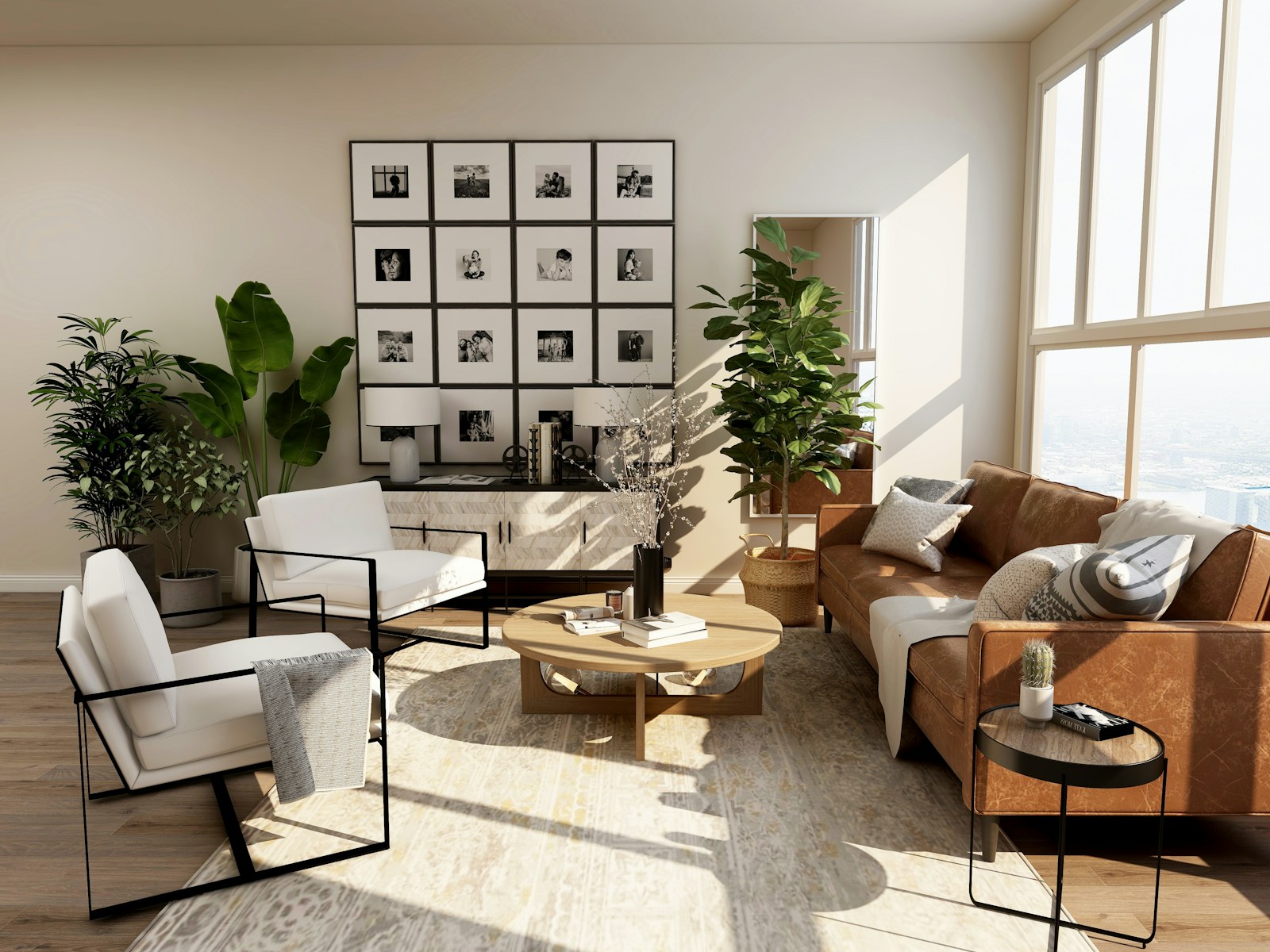
In a small home, a dining table often has more job titles than anyone else in the family. It is a breakfast table, homework desk, remote office, craft station, mail-processing surface, gift-wrapping zone, and occasional project bench. Then at 6:30 p.m., everyone expects it to become a dining table again. If you are working on the same space, How to Organize a Small Home Office When Your Desk Has No Drawers covers the next decision in more detail.
The problem is not that the table has multiple uses. Multipurpose furniture is one of the strengths of a small home. The problem is when each use leaves behind a residue of objects that the next use must work around. If you are working on the same space, Over-the-Door Organizers in Small Apartments: Where They Work—and Where They Don’t covers the next decision in more detail.
Define the table’s default state
The table needs a baseline. For most homes, I would make that baseline “ready for a meal” rather than “available for storage.” This does not mean it must always be styled. It simply means the surface can be cleared quickly enough to eat.
Once the default is clear, every other activity becomes temporary.
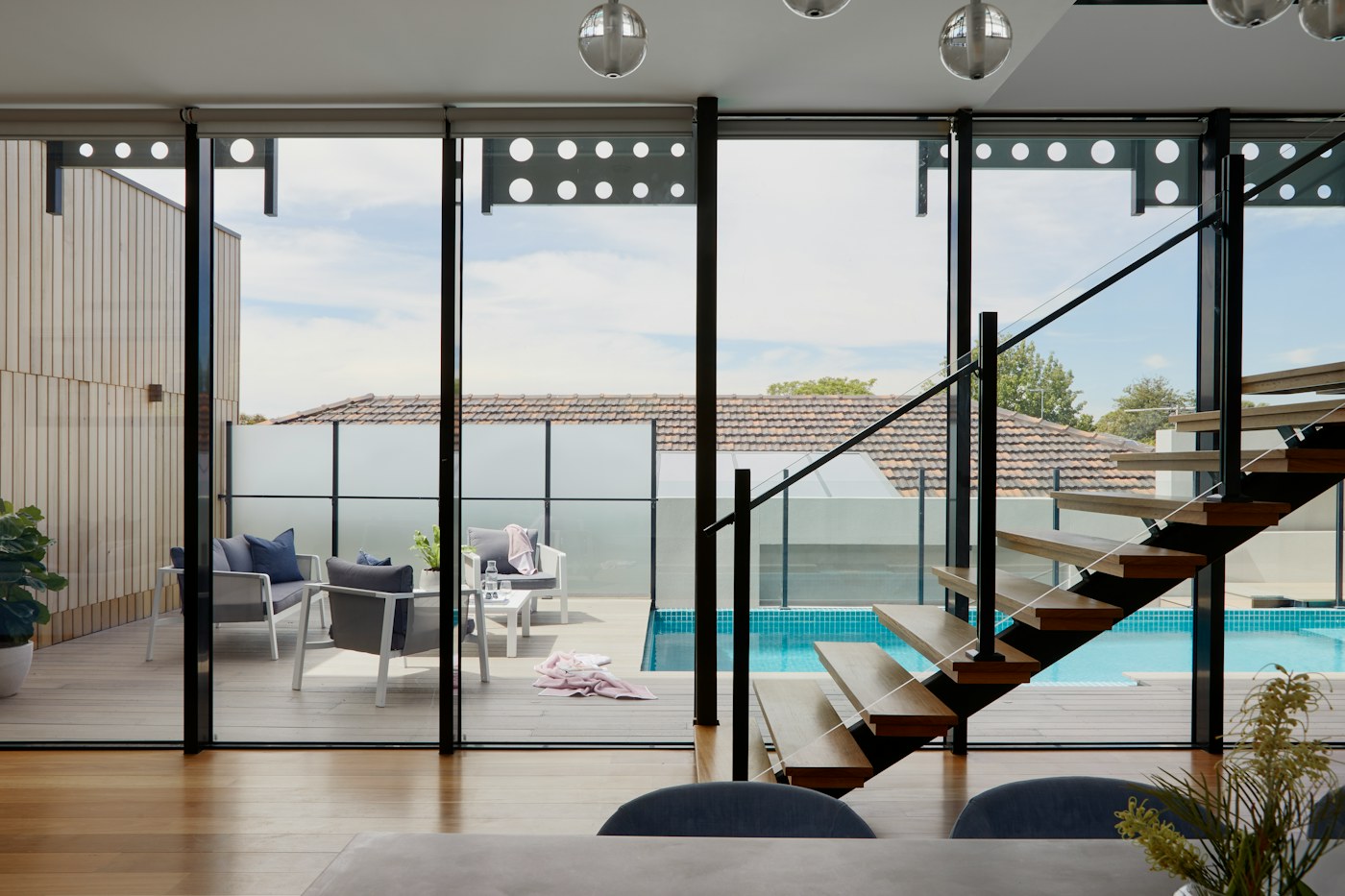
Give each recurring activity a portable kit
Remote work gets a laptop, notebook, charger, and perhaps headset in one bag or basket. Homework gets a school-supply caddy. Crafts get their own kit. Paperwork gets one folder or box.
The kit does not have to contain every related object in the house. It contains what is needed to operate that activity at the table.
The table itself should not store the kit
A pile at one end of the table is not portable storage. Give kits a nearby offstage home: a cabinet, shelf, rolling cart, sideboard, or closet section.
The distance matters. If the work kit lives two rooms away behind other objects, it will stay on the table.
Use transitions instead of expecting constant tidiness
At 3:00 p.m., the table may legitimately be covered in homework. At 5:30, that same setup becomes dinner clutter. Build a transition time rather than policing the table throughout the whole activity.
A five-minute alarm before dinner can signal that homework materials need to return to bags and caddies.
Homework should end with packing the bag
The assignment is not complete when the worksheet is finished. It is complete when papers return to the folder, supplies go back into the kit, device charges, and the bag is ready for tomorrow.
This is the same principle as a portable homework station: the station must be able to disappear.
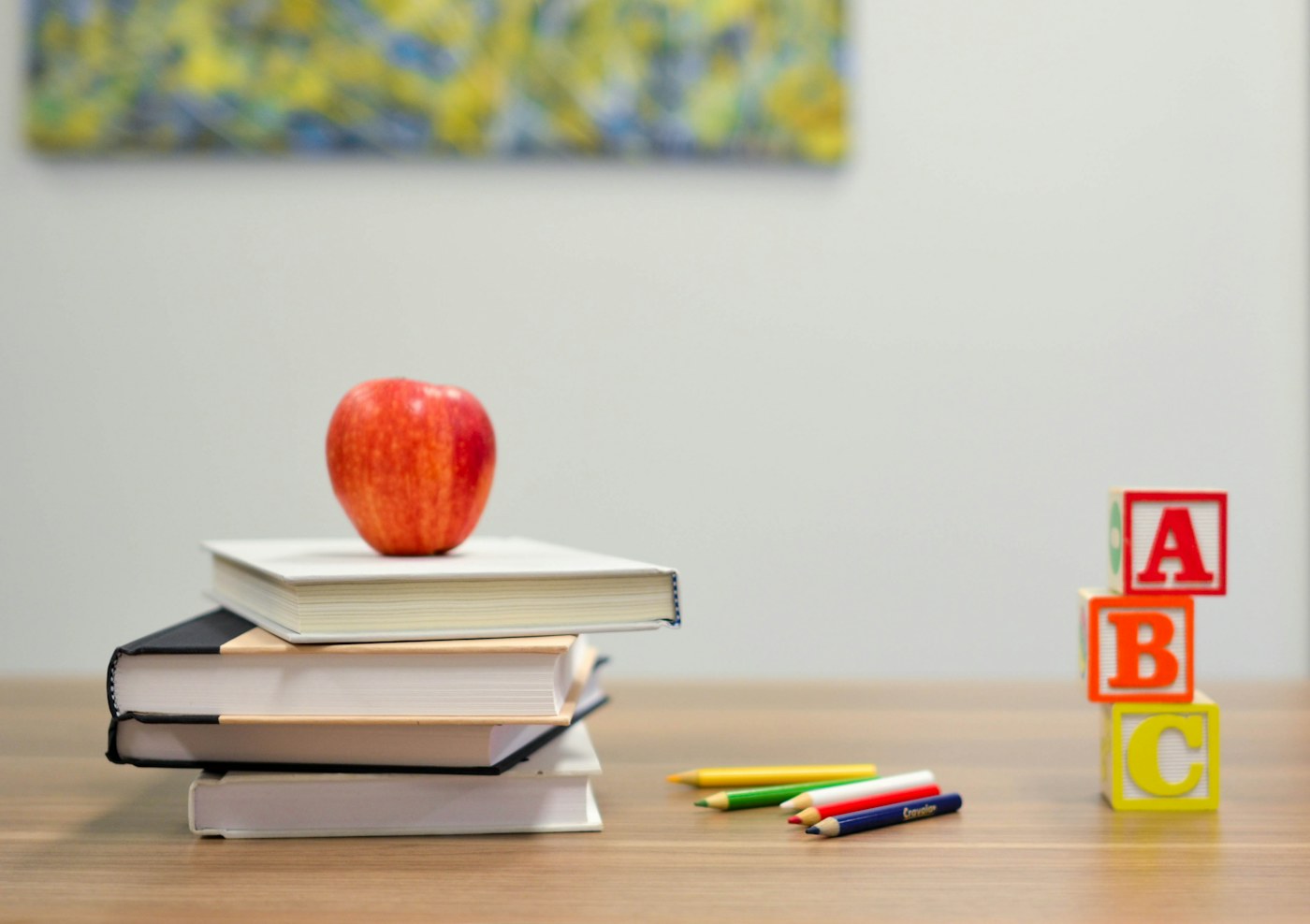
Craft projects need a “pause” container
Some projects cannot be completed before dinner. Use one flat tray or project board that can lift the entire work-in-progress off the table without dismantling it.
The tray has a size limit. A project larger than the tray needs a deliberate temporary location rather than automatic possession of the dining surface.
Protect the table appropriately
If children paint, glue, or build at the dining table, use a protective surface suited to the activity. The easier it is to protect and clean the table, the less resistance adults will have to letting the table serve creative purposes.
Protection should also pack away with the craft kit.

Remote work needs a hard stop
When the dining table is also an office, work can remain visually present after work hours. Shut down the laptop, put papers in the work kit, and move the kit to its storage spot. You may also find How to Keep a Small Bedroom Calm When It Also Has to Be a Workspace useful for a closely related small-home problem.
The physical reset becomes a boundary between work and family time.
Do not leave chargers permanently threaded across the room
If the table has no nearby outlet, use a charging plan that does not create trip hazards. Charge devices elsewhere before the work session or use an appropriate safely placed solution.
The table should not require a permanent web of extension cords to perform temporary jobs.
Meals deserve a complete surface reset
Do not merely push laptops, crayons, and paper into a pile at the edge. A complete reset changes the experience of the meal and prevents food from mixing with paperwork or devices.
This is one reason the five-minute transition is worth protecting.

Keep table decor intentionally small
A large centerpiece may look beautiful but becomes one more object to move every time the table changes jobs. Choose a small tray, vase, or nothing at all if the table switches functions frequently.
Decor should respect the table’s workload.
Create one transition basket for objects that belong elsewhere
If someone leaves sunglasses, mail, a toy, and a sweater on the table, use one small basket to collect those items during reset. Carry the basket through the house once rather than making four separate trips.
Empty the basket the same day so it does not become mixed-category storage.
Use chairs as chairs, not secondary tables
When the table is busy, chairs often become holding surfaces for bags, jackets, craft bins, and folded laundry. Then nobody can sit down even after the tabletop is clear.
Include chair seats in the reset baseline.

A nearby sideboard can be more valuable than a second desk
If there is room for one narrow storage piece, a sideboard or cabinet can hold several activity kits while preserving the table as flexible space. That may serve the household better than adding a separate desk that performs only one job. For the broader setup, How to Turn a Small Living Room Into a Guest Sleeping Area for One Night is a useful next read.
Choose depth carefully so the furniture does not narrow circulation.
Set activity-specific end rules
- Work: laptop closed, papers in kit.
- Homework: assignment back in bag.
- Crafts: project in pause tray, scraps removed.
- Paperwork: action items filed or assigned.
- Meals: dishes leave, table wiped.
Different uses can share one surface because each use knows how to leave.
Explore this topic
Browse more practical guidance in the Small-Space Living hub. Room focus: Dining Room.
Related published guides
- How to Set Up a Shared Homework and Work Station in a Small Home
- How to Reset a Multipurpose Room Between Work, Play, and Guests
Frequently asked questions
Can a dining table really work as a home office?
Yes, especially for part-time work, if equipment can be packed away and the seating/height arrangement is comfortable enough for the work being done.
How do I stop family members from leaving things on the table?
Define the table’s default state, give recurring activities nearby storage, and schedule short resets at natural transition times such as before meals.
Should I buy a rolling cart?
A cart can be useful if it has a parking location and serves multiple activity kits. It is less useful if it becomes a mobile pile with no defined categories.
The table earns its space by changing jobs well
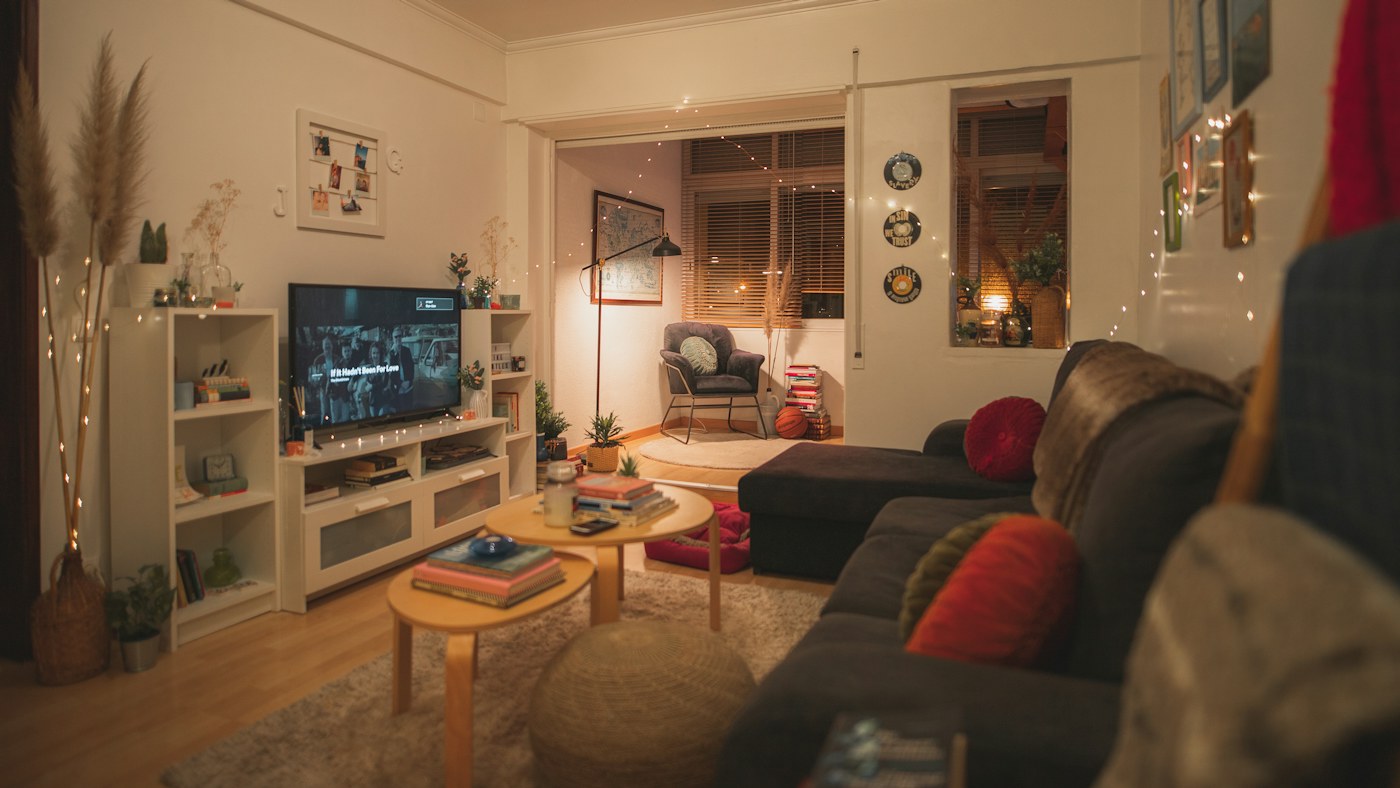
A multipurpose table is not a compromise. It is one of the most efficient pieces of furniture in a small home—if each activity can arrive and leave cleanly. Build portable kits, protect transitions, and restore the baseline completely. One table can do five jobs without looking like all five jobs are happening at once.
