Over-the-door organizers are appealing because they seem to create storage from nothing. No new cabinet. No extra floor footprint. Often no drilling. Hang the organizer and a blank door suddenly holds shoes, toiletries, cleaning tools, accessories, or pantry items. You may also find Where to Store a Vacuum, Mop, and Cleaning Tools in a Small Apartment useful for a closely related small-home problem.
But the door is not a wall. It moves. It has hinges, clearance, a frame, a handle, and a job. When storage makes the door noisy, heavy, difficult to close, or visually overwhelming, the space was not truly free.
My first rule: protect the door’s primary function
Before choosing an organizer, open and close the door fully. Note the gap above the door, the clearance behind it, the handle position, wall contact, and whether the door already rubs the frame.
An organizer should not make an ordinary door operation feel like moving furniture.
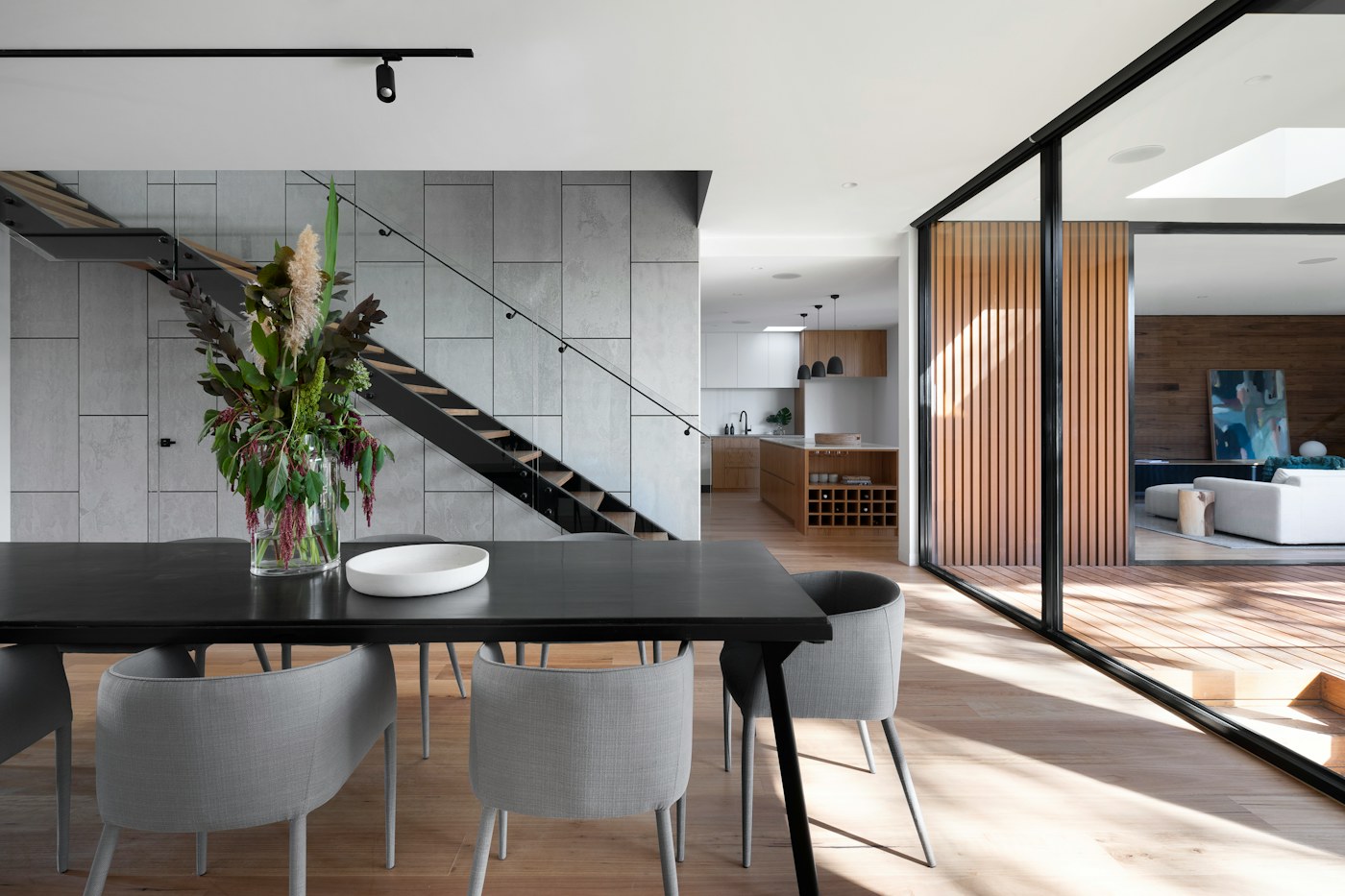
Bathroom doors: one of the strongest use cases
Bathrooms often have small categories and limited cabinet space. An over-door organizer can hold hair tools when cool and appropriate, extra toiletries, towels, or personal caddies depending on the design.
The best categories are shallow and relatively light. Avoid making the door carry a dense collection of large bottles.
If the bathroom’s real problem is morning traffic, the guide to a small bathroom morning routine can help determine which products actually need to live in the room.
Bedroom doors: useful for accessories, risky for visual clutter
Scarves, hats, bags, belts, or a small number of shoes can work behind a bedroom door. The organizer is close to dressing routines and can reduce pressure on a small closet.
But if the door remains open most of the day, everything becomes visible from the room. In a bedroom that already feels busy, opaque pockets or a more limited category may be better. You may also find Top-to-Bottom vs. Room-by-Room vs. Task Batching: Which Cleaning Method Fits a Small Home? useful for a closely related small-home problem.
Closet doors: excellent when the door type cooperates
A hinged closet door can support shallow accessory storage. Sliding and bifold doors are different; many over-door products are not appropriate because they interfere with movement or do not fit the geometry.
Always match the organizer to the door type and manufacturer guidance rather than assuming “over-the-door” is universal.

Pantry or kitchen doors: good for light packages, not heavy inventory
Spice packets, reusable bags, wraps, snack pouches, or lightweight supplies can benefit from vertical pockets. Large jars, canned goods, and heavy bottles can place unnecessary stress on the door and make it swing differently.
If pantry volume is already high, do not use the door simply to postpone a capacity decision. The article on organizing a small pantry when food shares cabinets with dishes is a better starting point.
Entry doors: I am much more cautious
The main entrance has security, clearance, and high-frequency movement. I generally avoid turning it into dense storage.
A lightweight hook system for one or two active items may be reasonable where appropriate. A full shoe organizer or bulky pocket system can make the entrance feel crowded and interfere with the door’s primary role. For a related step-by-step approach, see Where to Store Important Documents in a Small Apartment.

The hinge-load question
The weight is not only the organizer. It is the organizer plus every item after six months of accumulation. Small pockets invite one more bottle, one more pair of shoes, one more tool.
Use the product within its stated limits and pay attention to changes in how the door closes. A storage system should not rely on overloading hardware.
The noise question
Metal hooks can tap against doors. Bottles can knock together. Shoe pockets can shift. In bedrooms and bathrooms used early or late, this can matter more than storage capacity.
Test the loaded organizer, not the empty product.
The door-clearance question
Some doors have almost no gap above the frame. Thick metal hangers can prevent closure or scrape trim. Protective pads may reduce marks, but they do not create clearance that is not there.
Measure before buying.
Renter considerations
Over-door systems are attractive for renters precisely because they can avoid drilling. Still, check lease rules where relevant and protect doors from rubbing, paint damage, or excessive load.
For more reversible options, see small apartment storage ideas that do not require drilling.

Where I think over-door storage is overrated
I would not use it simply because every closet feels full. Door storage is not a substitute for decluttering or assigning categories correctly.
I am also skeptical when the organizer holds many unrelated objects. If one pocket contains sunscreen, another cables, another receipts, and another cleaning cloths, the door has become a vertical junk drawer.
Where I think it is genuinely excellent
It performs best when one coherent category is shallow, light, frequently used, and naturally located near that door.
Examples:
- hair accessories behind a bathroom or bedroom door,
- children’s lightweight accessories inside a closet,
- cleaning cloths on a utility-closet door,
- small pantry packets on an appropriate pantry door,
- gift-wrap tools inside a storage closet.
Visual impact matters
Because the organizer uses a vertical plane, it can dominate the room visually. Opaque fabric pockets are calmer than transparent plastic loaded with colorful products. Hooks with only three items look different from twelve.
In a tiny apartment, visual calm is part of usable space.

A five-question purchase test
- Does the door still open and close freely?
- Is the category shallow and light?
- Does it belong near this door?
- Will the loaded organizer remain visually acceptable?
- Does the organizer replace another storage problem rather than add capacity for overflow?
Explore this topic
Browse more practical guidance in the Small-Space Living hub. Room focus: Apartments & Rentals.
Expert conclusion
Over-the-door storage is one of the better small-apartment tools when it solves a shallow, specific category without compromising the door. If you are working on the same space, How to Dry Laundry in a Small Apartment Without Letting Clothes Take Over the Room covers the next decision in more detail.
Use it selectively. Measure clearance. Limit weight. Give the organizer one job. And remember that a moving surface is not the same as an empty wall.
The best over-door organizer should make the room easier to use without making the door itself harder to use.