Indoor laundry drying is one of those routines that looks simple until you live in a small apartment. A drying rack opens in the living room, shirts hang from chair backs, towels occupy doors, and one slow-drying load overlaps with the next load. After a few days, the home begins to feel as if laundry is part of the furniture. For a related step-by-step approach, see How to Store Suitcases and Travel Gear in a Small Apartment.
The solution is not necessarily a more elaborate rack. The real issue is matching washing volume to drying capacity and making sure dry clothes leave the system quickly.
Start with the bottleneck, not the washing machine
A washer may hold a large load, but if your rack can comfortably dry only half that amount, the washer’s capacity is irrelevant. The slowest stage determines the size of the whole laundry cycle.
For small apartments, smaller loads often move faster. Clothes have more space between them, dry more evenly, and come off the rack sooner.

Choose a drying location based on airflow
The visually hidden corner is not always the best drying corner. Clothes need appropriate airflow and conditions. A cramped closed space may keep the living room prettier for a few hours but extend drying time enough that the rack remains open much longer.
Choose a location that is permitted, safe, and suitable for indoor drying in your home. Use ventilation and dehumidification strategies appropriate to your climate and building conditions.
Do not crowd the rack
When every bar has multiple garments folded over it, fabric layers stay in contact and drying slows. Spread clothing as much as the rack allows.
If a load does not fit without significant overlap, the load is too large for that drying cycle.
Sort by drying speed
Lightweight shirts, underwear, and children’s clothing may dry much faster than jeans, hoodies, and towels. Grouping similar items can help you remove a portion of the load earlier and create new space. For the broader setup, How to Store Seasonal Items in a Small Apartment Without Losing Everyday Space is a useful next read.
Do not wait for the slowest towel before taking every dry T-shirt off the rack.

Use hangers strategically
Shirts, dresses, and some lightweight garments can dry on hangers, which may reduce the need for rack bars and make putting clothes away faster. Use a stable, appropriate hanging location that does not damage doors, rails, or fixtures.
The benefit is not just space. A garment that dries on its regular hanger can move directly into the closet.
A folding rack is useful only if it actually folds away
Many households buy a foldable rack but leave it open all week because there is no storage spot for it. Before choosing a rack, decide where it lives when closed.
A narrow gap beside a wardrobe, behind a suitable door, or along a utility wall may work. If there is no realistic offstage location, choose a rack design that occupies less permanent volume.
Wall-mounted and ceiling systems trade installation for floor space
In some homes, a wall-mounted or ceiling-mounted drying solution can free the floor. Renters should confirm lease rules and mounting requirements before drilling. Owners should still consider load limits, ventilation, and whether the system interferes with windows or circulation.
Saving floor area is useful, but not if the installation makes the room awkward every day.
Do not use every door as a towel bar
Hanging laundry on doors and furniture spreads the routine across the home. One rack or defined drying zone is usually easier to live with than ten improvised locations.
Contain the process geographically whenever possible.

Time laundry so the rack can work uninterrupted
If you know a load takes most of a day to dry indoors, starting another wash two hours later creates a traffic jam. Plan the next load after enough rack capacity will become available.
This may mean one load each evening, a morning load on work-from-home days, or a concentrated weekend sequence. The correct rhythm is the one that matches drying time.
Heavy towels and bedding need a separate plan
Towels and sheets consume large amounts of drying area. Wash them when you can give them the space they need rather than squeezing them into an already crowded rack.
For sheets, a larger temporary setup may be better than trying to fold thick wet fabric over several small bars.
Pay attention to indoor moisture
Drying laundry releases moisture into indoor air. How much this matters depends on climate, ventilation, building conditions, and load volume. If you notice persistent condensation, dampness, or slow drying, improve ventilation or use appropriate moisture-management measures.
This is not just an organizing issue. The environment needs to support the routine.
Keep the rack out of critical circulation
Do not place wet laundry where people must squeeze around it to reach an exit, bathroom, or kitchen. This matters especially in households with children, pets, or anyone with limited mobility.
The rack should occupy temporary space, not block essential movement.
Create a “dry means leave” rule
The most common failure is not slow drying. It is dry clothing sitting on the rack for another two days. At that point the rack is functioning as an open wardrobe.
When an item is dry, move it toward its final home. Fold it, hang it, or place it in the correct person’s put-away basket.

Split responsibility by stage
One person does not need to own washing, hanging, checking, folding, and putting away every load. A family can divide the loop. Someone starts the load; someone else hangs; each person puts away their own clean clothes when appropriate. For a related step-by-step approach, see How to Organize a Small Fridge for a Family Without Overstuffing Every Shelf.
This connects well with A Family Chore System for Small Homes: share the complete household outcome, not only symbolic tasks.
Keep clips, hangers, and laundry tools with the rack
A small pouch or basket attached to the laundry zone can hold clothespins, delicate bags, and spare hangers. Do not store these in three separate rooms.
Reducing setup friction makes it more likely that clothes get hung promptly rather than sitting wet in a basket.
When the weather allows outdoor drying
If your building and local conditions permit outdoor drying, use it strategically. A balcony or outdoor line can dramatically reduce the amount of indoor space occupied by laundry.
Follow building rules, weather conditions, and appropriate safety considerations rather than assuming every balcony can be used the same way.
A practical apartment laundry rhythm
- Check whether the drying zone is empty.
- Wash only the amount that fits.
- Hang with space between items.
- Remove quick-drying pieces early.
- Put away dry clothes the same day.
- Fold the rack and restore the room.
Explore this topic
Browse more practical guidance in the Cleaning hub. Room focus: Apartments & Rentals.
Related published guides
- Where to Store a Vacuum, Mop, and Cleaning Tools in a Small Apartment
- A Simple Laundry Routine for Families in Small Homes
Frequently asked questions
How can I dry clothes faster indoors?
Avoid overloading the rack, increase appropriate airflow, separate thick items, and manage indoor humidity according to your home’s conditions.
Where should I put a drying rack in a tiny apartment?
Choose a safe area with reasonable airflow that does not block critical circulation. The best place may change by time of day.
How many drying racks do I need?
More racks increase capacity but also consume more space. It is often better to reduce load size and improve turnover before adding permanent equipment.
The laundry cycle ends when the room comes back
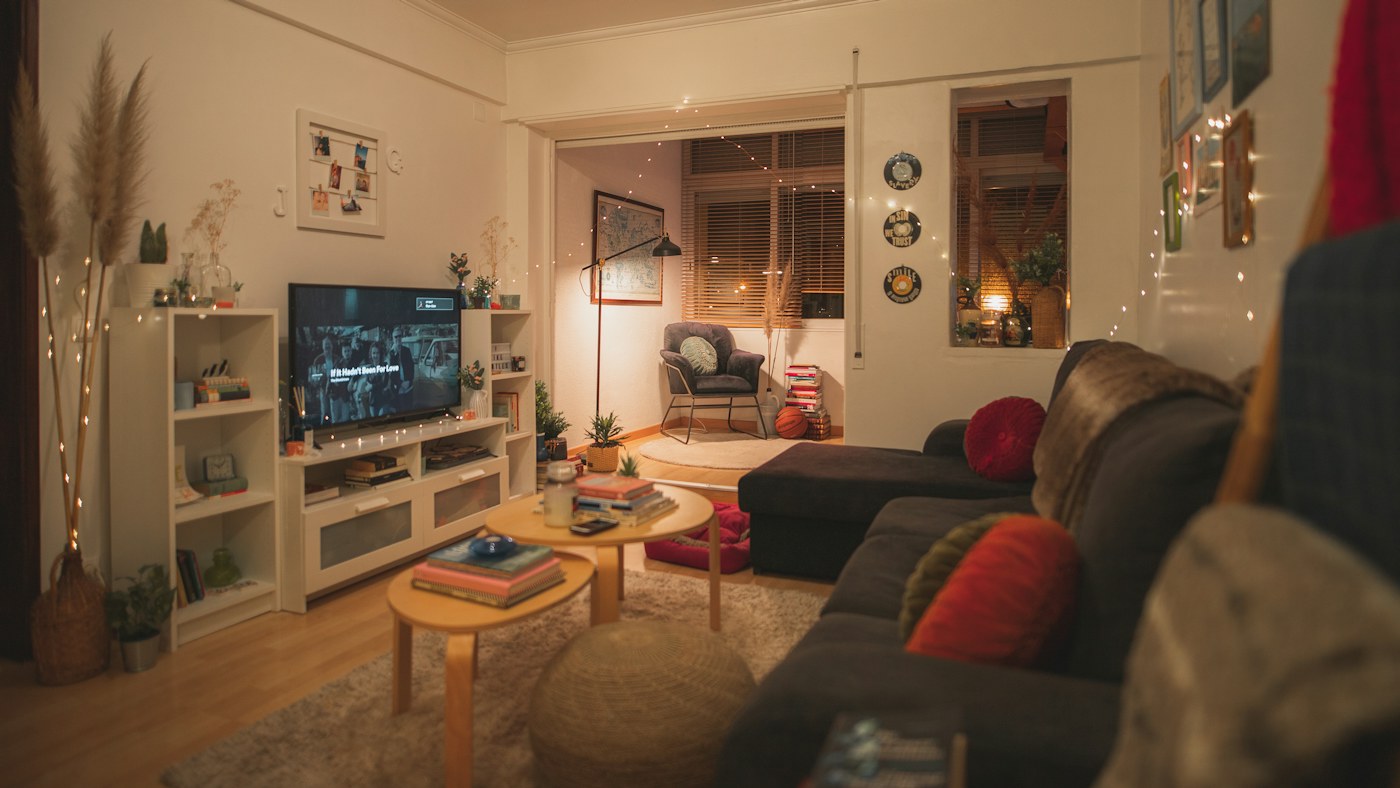
In a small apartment, laundry is not finished when the clothes are dry. It is finished when the clothes are put away and the drying equipment disappears. That final step is what allows one room to be a laundry room for part of the day and a living room again at night. You may also find How to Reset a Small Apartment After a Trip Without Living Out of a Suitcase for a Week useful for a closely related small-home problem.