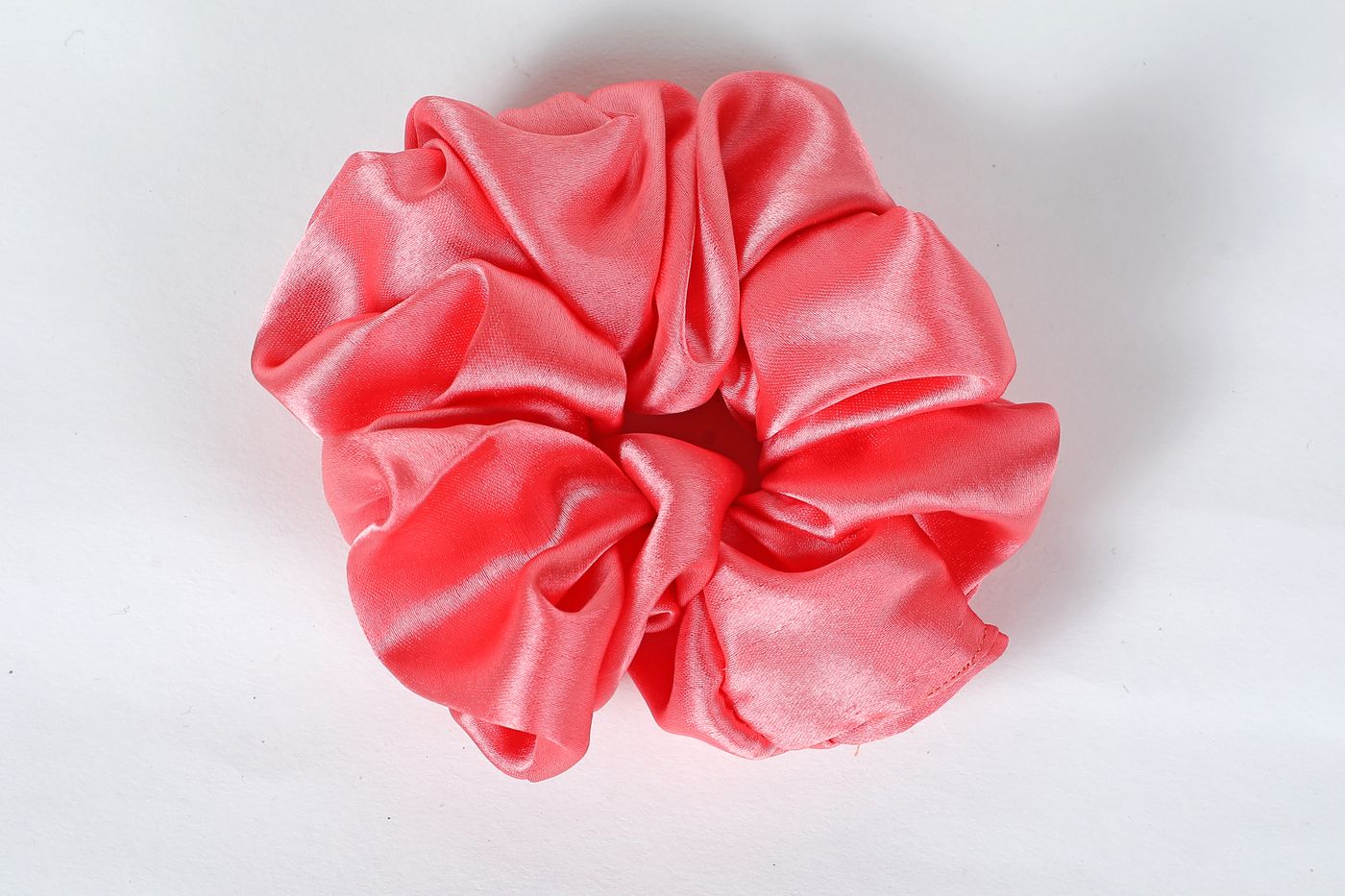
Choose a scrunchie’s washing method from the maker’s directions for its fabric, elastic and decoration. A mesh bag can contain a washable item; it cannot make an unsuitable wash cycle appropriate. Finish by checking the gathered interior, not only the outside.
Start with one identified accessory or a small compatible group so similar colors and detachable details do not become mixed up.
Find the care information for the actual accessory
Start with the label, original packaging, or the maker’s page for the exact version you own. If the information describes a range, check that your particular fabric and trim are included. A plain fabric scrunchie and one decorated with glued beads may share a brand name without sharing every washing instruction. Keep the care details with a photograph or product record if the accessory itself has no tag.
Do not infer fiber content from the word satin. Satin describes a weave or fabric structure, not a single fiber identity. A satin-looking accessory might involve different fibers with different care requirements. Nor should a soft sheen be treated as proof of silk. Where the information is uncertain, mark it as uncertain rather than choosing a silk or polyester routine on appearance alone.
Inspect the elastic and construction before washing
Check whether the outer seam is open, the elastic has lost useful recovery, or a decoration is coming away. Washing is not a repair for those problems. If a scrunchie is already stretched beyond its useful job, decide whether a realistic repair is worthwhile before spending time cleaning it. Avoid returning a known failed item to the ready-to-use group.
Look at attached bows and removable decorations without pulling them apart unnecessarily. If the maker expects a component to be detached for care, retain it with the accessory’s identity and follow its separate instructions. Do not remove a glued or stitched feature merely because it resembles a removable one. A small laundry task should not require reconstructing an accessory afterward.
Sort by the care decision, not the color of the hair tie
| Condition or instruction | Next step | Do not assume |
|---|---|---|
| Machine washing is explicitly permitted | Follow the specified cycle and any containment instruction | A protective bag permits hotter or harsher treatment |
| Hand care is specified | Prepare the permitted wash and drying route before wetting it | A quick machine cycle is equivalent |
| Glued trim or construction is uncertain | Confirm finished-item care with the maker | The outer fabric settles the decision for the whole accessory |
| Elastic or stitching no longer works | Decide on realistic repair or retirement | Washing restores useful tension or closes a seam |
Manufacturer example: the Kitsch collection’s care FAQ specifies a cold gentle cycle in a mesh bag and flat air drying for its scrunchies. Keep that advice within the manufacturer’s stated scope and check your exact accessory; it is not a recipe for an unknown silk, decorated or glued item.
Plan containment before a machine wash
When machine washing is permitted, choose a suitable mesh laundry bag if directed. Check that its closure is sound and that small accessories cannot escape through an opening. Do not pack the bag so tightly that the contents remain a compressed bundle. Follow the accessory’s directions for the cycle, temperature, detergent, and compatible load rather than borrowing a routine from towels.
Count or otherwise identify the items entering the bag. This is useful when several household members own similar colors, and when a small piece could remain caught inside a larger textile. Keep accessories that require different care out of that load. A laundry bag is containment; it does not make an otherwise unsuitable machine cycle safe for the contents.
Handle permitted hand washing as its own process
If hand washing is specified, use the method and products the manufacturer permits. Keep water and any cleaning agent appropriate to the entire accessory, including trim and elastic. Avoid aggressive twisting or stretching that treats the elastic loop as a handle. Do not assume a longer soak will improve the result; it may exceed the care instructions without solving the actual mark.
After the permitted wash and rinse, remove excess water in the prescribed way. If the maker allows gentle pressing, support the fabric rather than wringing the loop. A thick gathered section can hold water differently from a flat cloth. Handle removable parts separately where required, and keep their identities together while each completes its own care process.
Treat stains and styling-product residue cautiously
First identify what is known about the residue and the accessory. Do not reach immediately for an aggressive spot treatment intended for a different fabric. Follow the product’s stain-care guidance and any permitted test instruction. An old discoloration that remains after appropriate care may be preferable to a damaged finish or weakened elastic from unsupported treatment.
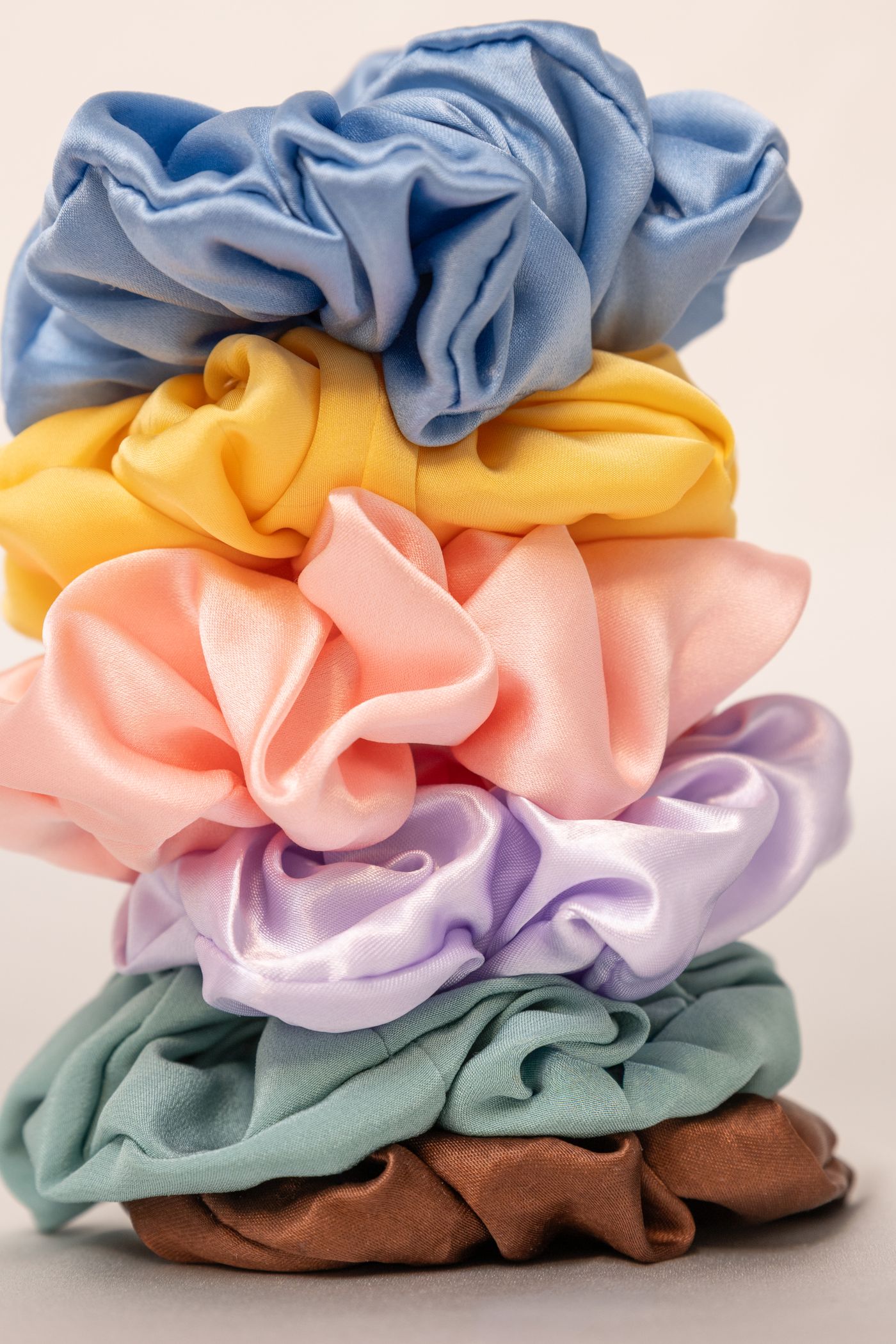
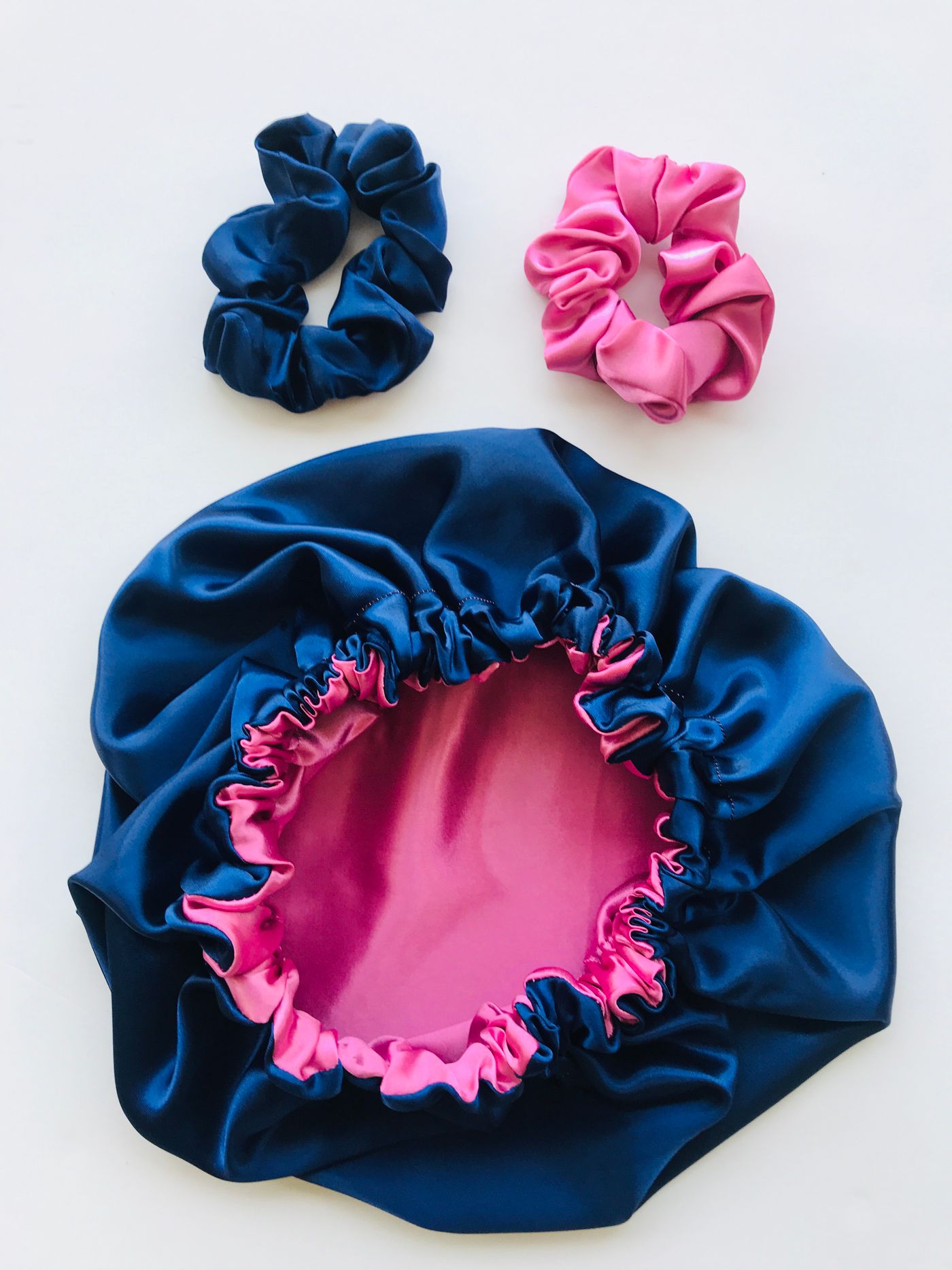
Keep the purpose modest: ordinary accessory cleaning. Washing a hair tie at home should not be described as a verified disinfecting process, and the appearance of a clean accessory does not establish a health claim. The photographs illustrate different fabric accessories; they do not authenticate the fibers, finishes, or washing instructions of the photographed pieces.
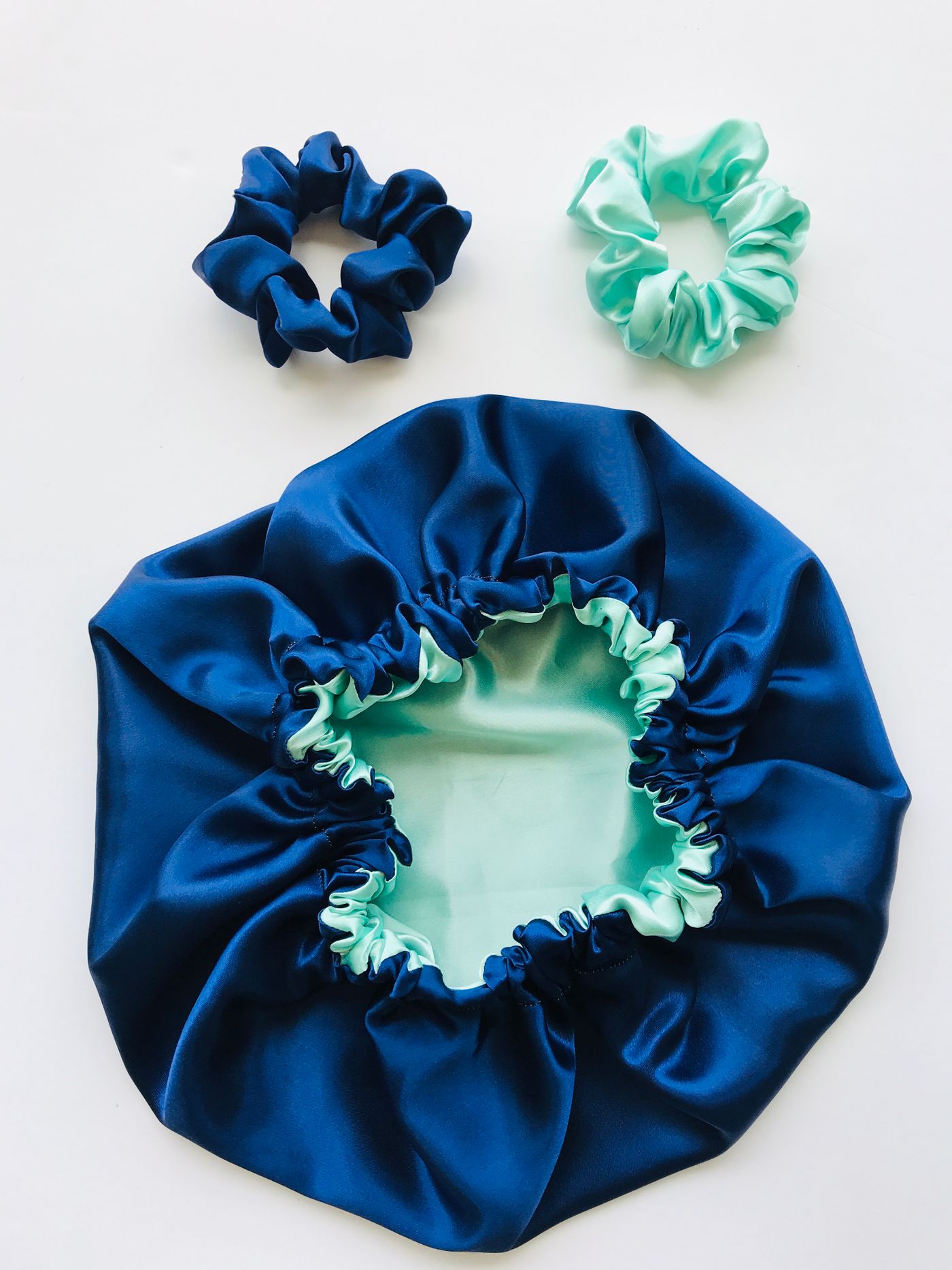
Allow the gathered interior to dry completely
Use the drying method permitted for your item and give it an appropriate surface and space. Do not place it on a heater or tumble dry it just because it is small. Where flat drying is specified, arrange it without unnecessary tension. Keep it away from a wet sink edge or another damp item that could prolong the return process.
Check the thickest gathered area and any attached bow before putting the accessory in a closed container. If it still feels damp, it remains in the drying group. The same distinction matters when washing soft house slippers: finishing a wash is only part of the task, and the storage destination should not become the drying place by accident.
Return ready items to a clearly defined place
Reunite an accessory only with components that have completed their own care. Check that the elastic and seam remain usable before placing it with the ready hair ties. If a piece needs repair, keep it out of that group and make the next action explicit. Otherwise the next person simply rediscovers the same problem while getting ready.
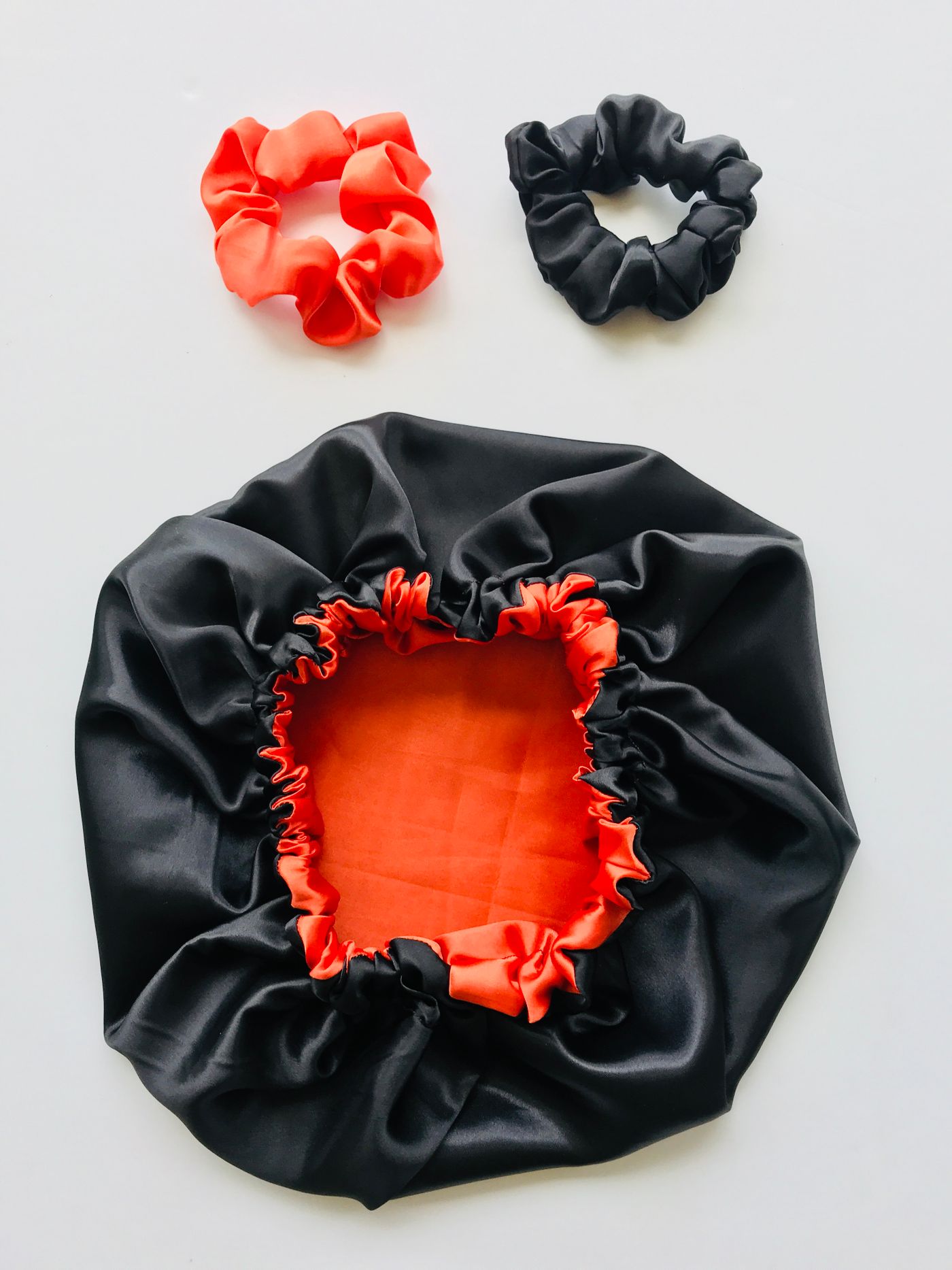
Maintain a practical collection size. If the ready group is already larger than anyone uses, buying another matching storage basket will not simplify washing. Use your normal laundry space thoughtfully, as in choosing a household folding surface, and keep the drying rack itself ready for use when it forms part of the permitted routine.
Close the small-item laundry loop
Count the accessories out of their permitted washing container, check thicker gathered sections for remaining dampness, then return ready items to their owner. Keep an unresolved seam or drying issue visible rather than putting the item back among ready hair ties.
If accessories repeatedly wait on the bathroom counter, assign their next step within the family laundry handoff. Separate care tasks for brushes or combs; sharing a drawer does not make them part of a textile wash.