
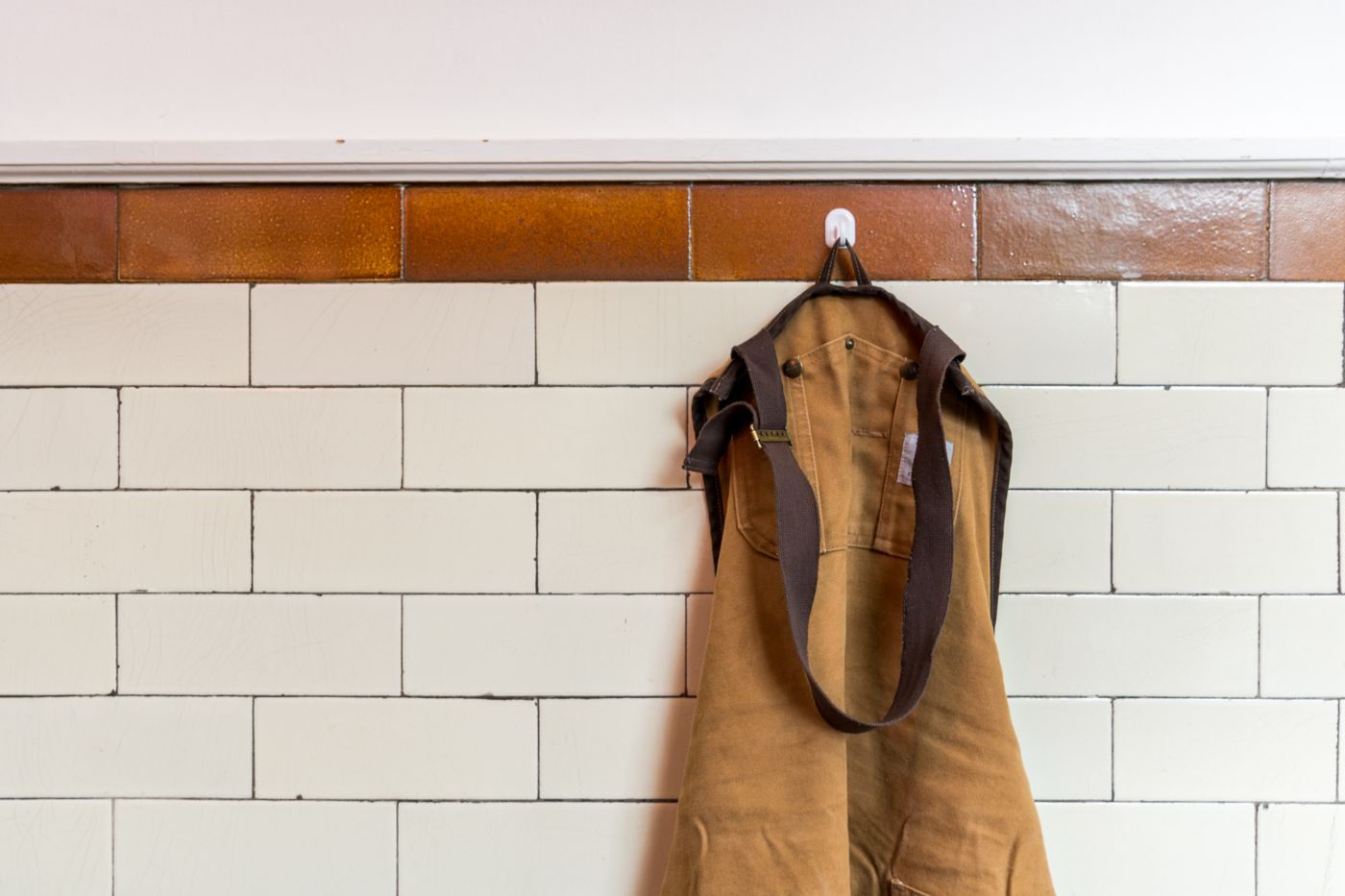
Empty the apron pockets, identify what it was used for and check the care of the whole item before selecting a wash. The fabric face, backing, ties and trim may not all tolerate the same treatment.
This is for ordinary reusable household aprons. An apron with unknown craft residue or specialist protective requirements needs its own handling decision before it enters family laundry.
Check the construction and the residue separately
| Check | Record | Why it changes the route |
|---|---|---|
| Construction | Fabric, backing, attached details and complete care directions | A washable face can share the item with a heat-sensitive backing |
| Use | Known food mark, known craft product or unidentified residue | Substance instructions may affect treatment or disposal |
| Condition | Seams, straps, fastenings and any unresolved damage | Cleaning does not repair a failed attachment |
Verified example: IKEA’s RINNIG apron 006.098.99 combines polyester fabric with polyurethane backing. IKEA permits a warm normal machine wash but excludes bleach, tumble drying, ironing and dry cleaning. Those restrictions apply to that model; another apron needs its own instructions.
Write a short handoff if someone else washes it: which apron, what the known residue is, where its care is recorded and what still needs a decision. Keep unknown chemical residues out of the ordinary load until the relevant product guidance is established.
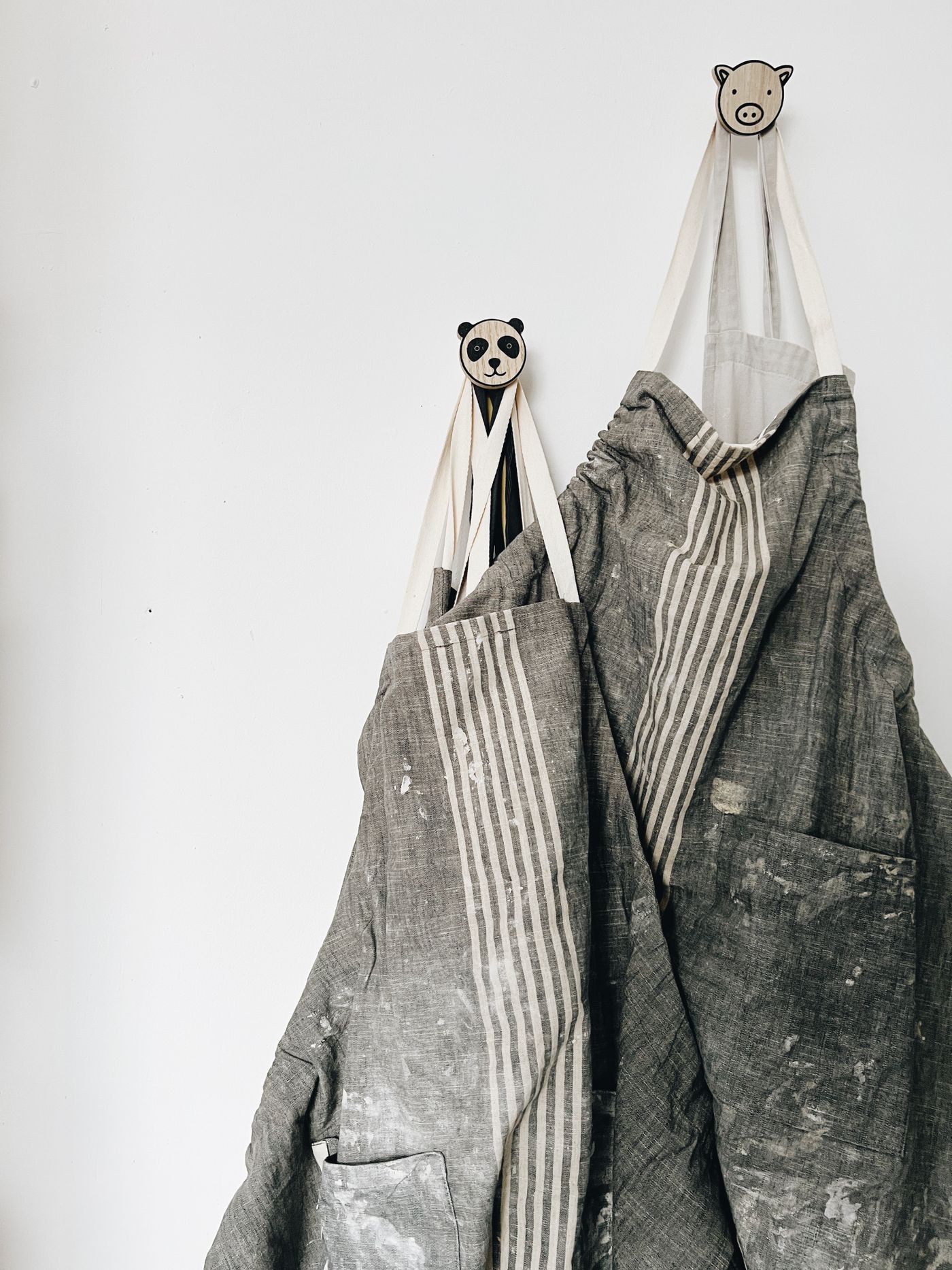
Empty pockets and identify what happened
Check every pocket before washing. Remove paper notes, clips, small tools, wrappers, and other contents appropriately. Do not assume a deep pocket is empty after patting only the outside, especially when the apron was shared or used for a different activity than usual.
Record the likely cause of a mark when known. A food splash and a craft product may require different advice, and an unknown mark should remain unknown rather than being confidently classified by its color. Check the substance’s instructions as well as the apron’s label before selecting a treatment.
If the apron carries material that needs special handling, keep it out of ordinary household laundry until that handling is established. Do not brush, scrape, dissolve, or wash an unfamiliar substance away just to make the textile look less marked. A clear description is more useful than an improvised treatment that changes the evidence.
Prepare ties and closures as instructed
Look at the neck strap, waist ties, buckles, and other fastenings. Follow the maker’s directions about how they should be arranged for washing. Long ties should not inherit an invented knotting method that could stress the fabric or become difficult to undo.
Check for damage before beginning. A torn attachment or failing closure may need repair or replacement through an appropriate route. Washing does not establish that the fastening will safely support its intended use afterward, and a temporary clip should not be mistaken for a verified repair.
If a laundry bag is appropriate under the apron and equipment instructions, choose one that suits the item’s size and process. The mesh laundry-bag review concerns a specific accessory, not universal permission to wash an otherwise unsuitable textile. A bag cannot make a prohibited temperature, product, or machine treatment acceptable.
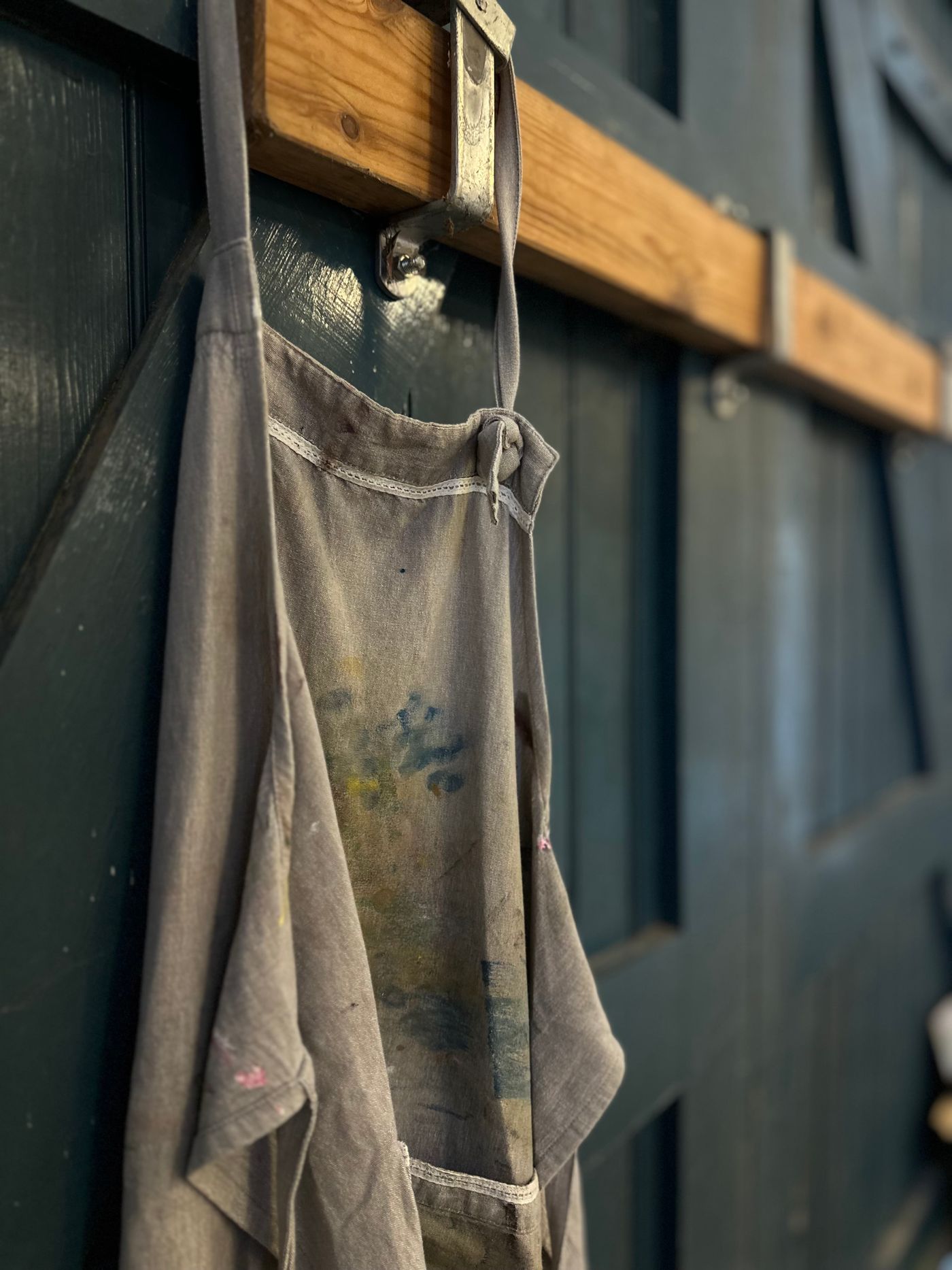
Choose the load around verified compatibility
Use the apron label, cleaning-product directions, and machine guidance together. Consider whether the item belongs in that load at all before selecting a convenient cycle. Being a kitchen textile does not automatically make it compatible with every towel or cloth collected from the same room.
Avoid overloading the machine to include one bulky or heavily gathered apron. Check what the equipment permits and whether the apron’s construction can be handled appropriately. If the verified home-care route is impractical, choose suitable help rather than treating a compressed fit through the door as a successful capacity check.
The hamper-versus-washer sorting guide can help move these decisions earlier in the routine. Identify aprons awaiting care so another person does not unknowingly add them to a different load. A short label or handoff note can prevent a shared laundry area from relying on one person’s memory.
Use only supported stain and wash treatments
Choose treatments compatible with both the apron and the substance being removed. Follow the relevant directions, including any required testing. Do not increase concentration, combine cleaning products, or add heat because a mark remains visible after an initial permitted step.
Follow the actual wash route: machine, hand, professional, or another specified method. Keep the complete instructions available rather than simplifying them to “gentle” or “washable.” Those words do not capture every restriction that can matter to a coating, printed design, strap, or lining.
Treat leftover discoloration as a separate assessment rather than proof that the process failed or that stronger treatment is required. A visible mark does not by itself establish cleanliness, material damage, or suitability for continued use. Seek appropriate product advice when the condition raises a question the verified routine cannot answer.
Reserve the right drying arrangement
Read the drying directions before wetting the apron. Arrange a suitable permitted location that can hold the actual item without blocking necessary room use. Hanging on a kitchen hook for ordinary storage is not automatically the same as a suitable wet-drying arrangement.
Complete the specified process, paying attention to pockets, hems, straps, and layered sections. Check that the item is ready before folding it into storage. Do not accelerate drying with a heat source, ironing treatment, or tumble setting that the care instructions exclude.
The comparison of temporary laundry surfaces can help plan shared space, but it does not override the apron’s drying method. A folding spot and a wet-drying support are different jobs. If the planned location repeatedly creates a problem, adjust the timing or equipment appropriately rather than leaving the apron halfway through care.
Return it according to actual condition
Inspect the completed item before calling it ready. Keep an unresolved tear, closure issue, or questionable residue visible. If a repair is appropriate, connect it with the real problem and keep the apron out of the ready group until the next step is completed.
The small mending-kit routine addresses returning repaired clothes to use. An apron can follow the same clear handoff without being mixed into a pile of unrelated repairs. Record what was actually done rather than adding a general “fixed” label to a component nobody has assessed.
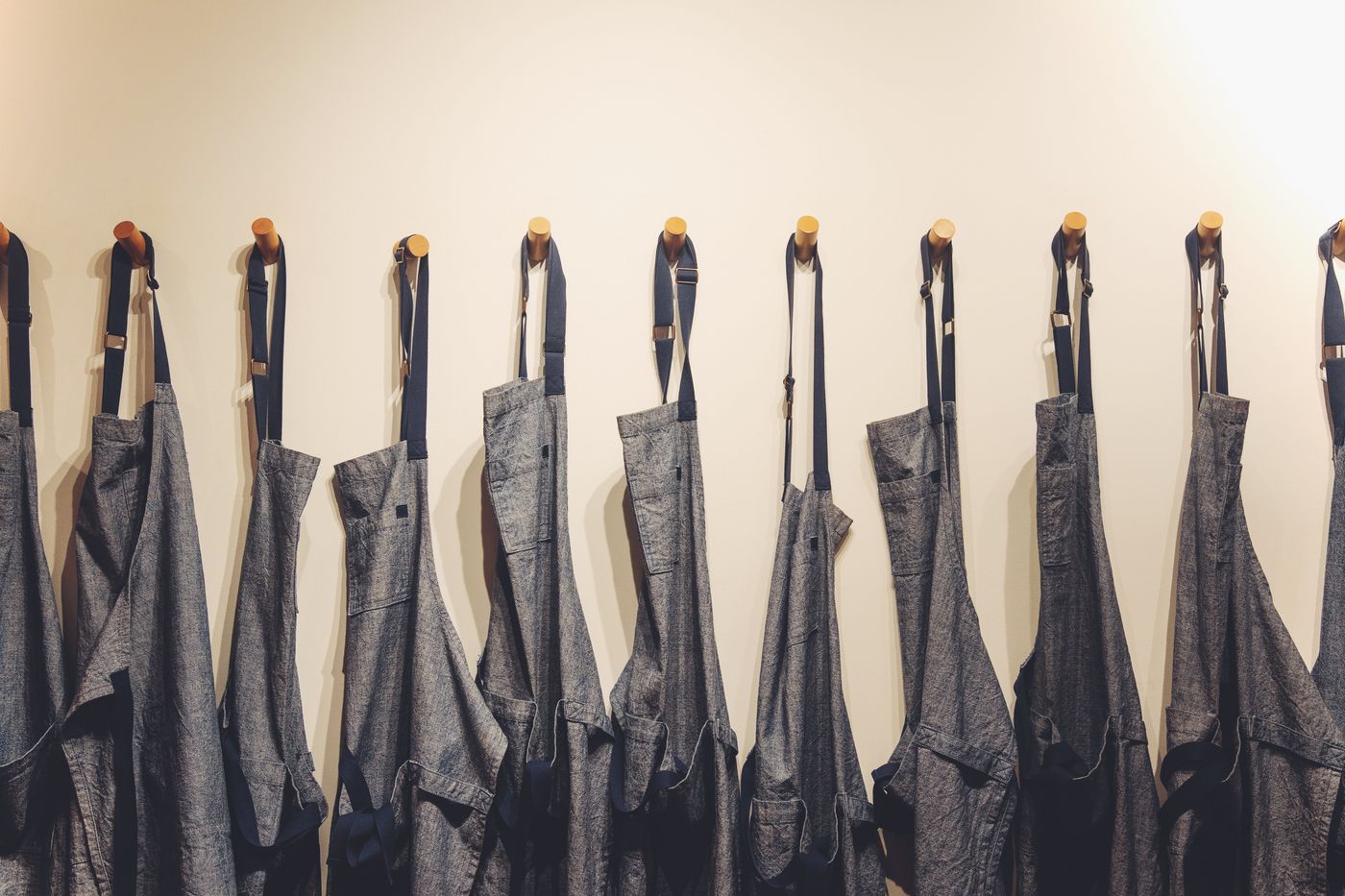
Store the apron appropriately clean and fully dry, according to its requirements, where the next user can find it. Keep kitchen and craft uses identifiable if that distinction matters to the household. A decorative row of identical aprons is less useful than a smaller set whose purpose and condition are clear.

Let care effort inform the next purchase
Before replacing an apron, identify the real issue: fit, pocket arrangement, condition, or a care process that does not suit the home. Check the next candidate’s full label and construction rather than buying another version of the same unresolved problem in a more appealing pattern.
Keep a working apron when it still serves its purpose and its care is manageable. The useful routine connects a specific item with the substance, process, drying arrangement, and return it actually needs. It leaves the next cooking or making session a ready tool instead of another uncertain textile at the bottom of the hamper.
Explore related decisions in our Cleaning hub.
