Laundry sorting systems often look efficient before anyone uses them. Three labeled hampers promise that lights, darks, and colors will arrive at the washer ready to go. In real family life, however, one section fills faster, damp towels land in the wrong bag, children ignore the labels, and a “ready” load still needs checking. For a related step-by-step approach, see Laundry Storage Review: Shelves, Carts, Wall Racks, or Cabinets for a Small Home?.
The alternative is simpler: collect dirty clothes together and sort when you are ready to wash.
Neither approach is automatically better. The right choice depends on space, load patterns, who handles laundry, and whether the sorting categories actually change how you wash. For the broader setup, Kitchen Zones by Task vs. by Category: Which Organizing Logic Works Better? is a useful next read.
Start with the loads you really run
Do not choose hamper sections based on laundry advice in the abstract. Look at the loads your household actually runs.
You may separate:
- lights and darks,
- everyday clothes and towels,
- delicates and regular wash,
- children’s clothes and adult clothes,
- work or sports clothing from ordinary items.
If your washing decisions depend more on fabric care than color, a three-color sorter may not match the routine at all.

Option 1: sort at the hamper
Pre-sorting asks the household to make the laundry decision when clothing comes off.
Advantages
- load readiness is visible,
- less sorting on wash day,
- some household members can contribute without operating the washer,
- the fullest section can trigger the next load.
This can work very well when the categories are obvious and stable.

Where pre-sorting fails
The system requires more container capacity. Three streams need three sections, and uneven fill rates waste space.
It also relies on everyone making the same decision correctly. If users are uncertain where something belongs, the hamper becomes a guessing system rather than a sorting system.
If dirty clothes are already moving from room to room, start with the broader laundry hamper system for small homes before adding more sorting categories.
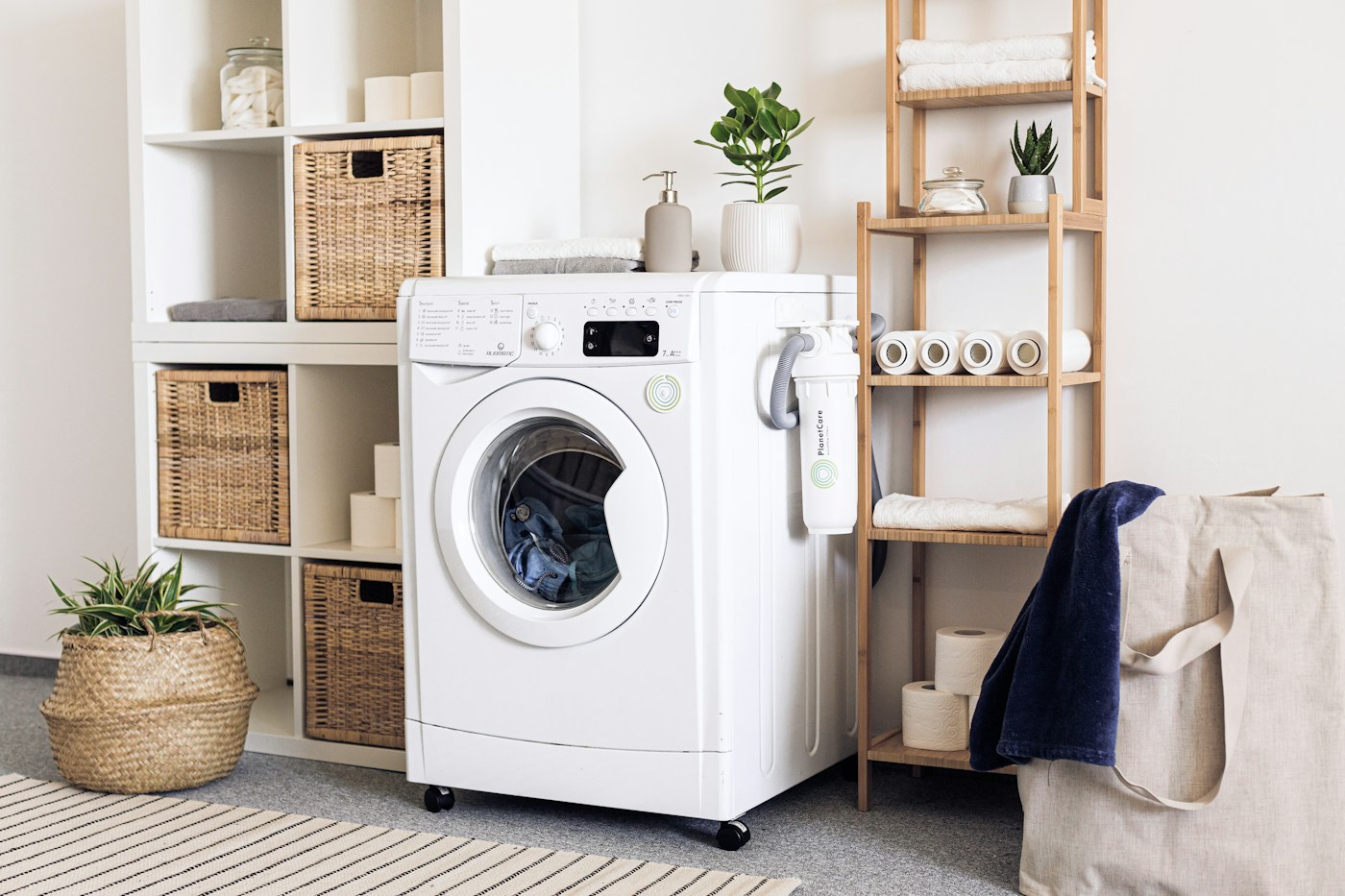
Option 2: sort at the washer
This method uses one main dirty-laundry stream per person or zone, then makes the wash decision when enough laundry exists.
Advantages
- fewer hampers,
- less floor space,
- loads can adapt to the actual mix of fabrics and colors,
- one person makes the final decision consistently.
Where washer-side sorting fails
The person doing laundry absorbs all the decision work. If the load is large, sorting on the floor or bed can create a temporary mess. In homes where the washer is far from bedrooms, dirty laundry may also need to travel before the load is defined.
Kids usually need broader categories
Young children are more likely to succeed with “dirty clothes here” than with multiple nuanced laundry streams. If independence is the goal, simplify the first step.
Older children can handle a two-way sort if the distinction is obvious and stable.

Damp items are a separate problem
Wet towels, sweaty sports gear, swimsuits, and damp cloths should not be treated exactly like dry laundry. They may need airflow or temporary drying before entering the main hamper, depending on the item and care needs.
The sorting method does not solve moisture. Give damp items a separate handling rule.
Load size matters more than labels
A presorted section is only helpful if it fills into a practical load. If one category takes two weeks to fill while another overflows every three days, the sorter is not balanced to household behavior.
In that case, broader categories or washer-side sorting may be more efficient.

Apartment laundry changes the answer
If laundry must travel to a shared laundry room or laundromat, pre-sorting can be useful because the decision happens before transport. Portable bags by load type may reduce sorting in a public space.
But permanent multi-section furniture may still be excessive in a tiny apartment. A flexible bag system can provide sorting without claiming floor space all week.
Stairs change the answer too
In multi-level homes, transport is a major part of laundry friction. A beautifully sorted hamper upstairs is less useful if the containers are awkward to carry.
Choose the system around the route from clothes to washer, not just the bedroom corner.

Family laundry needs one accountable trigger
Whether clothes are presorted or not, decide what starts a load. A hamper reaching a fill line, a specific day, or a recurring routine can work.
The simple laundry routine for families in small homes is useful because sorting is only one step in the larger cycle.
Do not add sorting categories that do not change washing
If two categories always get washed together, they probably do not need separate permanent hampers. The point of sorting is to change the treatment, not to create satisfying labels.
The hybrid system I prefer
For many families:
- one general dry-clothes hamper per bedroom or family zone,
- one separate rule for damp items,
- sorting at the washer based on the load being run,
- optional pre-sort only for a category with clearly different care needs.
This uses fewer containers while preserving the categories that actually matter.

How this affects folding
Pre-sorted loads can make folding easier if each load belongs largely to one person or category. Mixed loads may require more distribution afterward.
But folding location is a separate decision. The comparison of bed, dining table, countertop, or no dedicated folding station addresses the next stage of the workflow.
A one-week test
Before buying a multi-section hamper, use temporary bags or baskets for one week. See whether the categories fill evenly, whether family members sort correctly, and whether wash day actually becomes easier.
If you still re-sort every load, the permanent sorter is unlikely to solve the problem.

What changes when one person does all the laundry?
If one person consistently handles washing, pre-sorting may provide less value than it appears to. The same person still evaluates fabrics, checks pockets, handles stains, and decides load size. In that case, a simpler collection system can reduce floor footprint without adding meaningful work later.
If several people share laundry responsibility, pre-sorting can transfer some of the decision-making earlier—provided the categories are obvious enough that everyone uses them correctly.
What changes with sports clothes or uniforms?
High-turnover categories that need frequent washing may deserve their own small stream even if the rest of the household sorts at the washer. Sports uniforms, workwear, or school items with strict turnaround times can justify a dedicated bag because urgency—not color—is the real category.
Use the fill line as a trigger
A hamper works best when the household knows what “full enough for a load” looks like. Marking a practical fill line or using a container sized to one ordinary load can reduce both overstuffing and half-empty washes.
This is a storage-capacity decision as much as a laundry decision.
Do not let clean laundry compete with dirty-laundry containers
Multi-section sorters take floor area even after the dirty clothes leave. In very small homes, that permanent footprint may be more expensive than the time saved on sorting. If clean laundry already has nowhere to wait, simplify dirty-laundry furniture before adding another section. If you are working on the same space, How to Organize Cleaning Cloths, Rags, and Mop Pads Without Mixing Clean and Dirty covers the next decision in more detail.
Review the system when household size changes
A couple, family with young children, and family with teenagers generate very different volumes. The best sorting method should evolve with the household rather than becoming permanent furniture that no longer matches the load pattern.
My expert conclusion
Sort at the hamper when the categories are simple, stable, and produce practical loads. Sort at the washer when floor space is tight, load composition changes, or one person already makes most laundry decisions. For the broader setup, How to Organize Laundry Supplies When the Washer Is in the Kitchen or Bathroom is a useful next read.
For many small families, a hybrid system is strongest: simple collection, separate damp-item handling, and final sorting at the washer.
The best laundry system is the one that removes decisions from the busiest part of the routine—not the one with the most labeled sections.