
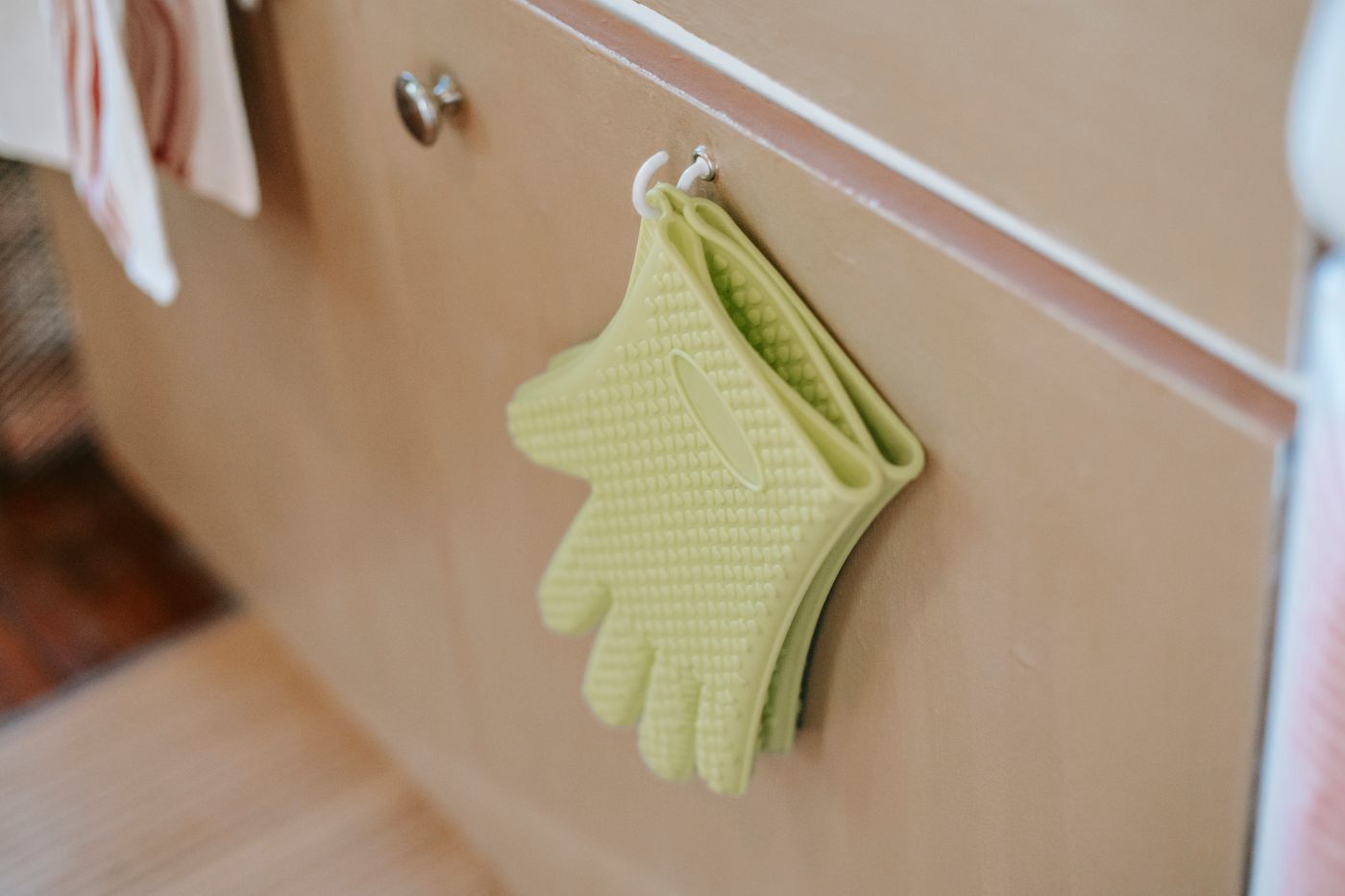
An oven mitt can look like an ordinary washable textile while containing several materials that need different care. The outer fabric, lining, insulation, grip surface, hanging loop, and decorative trim may not share the same washing or drying requirements. Before a holiday baking session, check the actual pieces you rely on rather than putting every mitt and pot holder into one general laundry load.
Start with condition and instructions. Clean only through a permitted method, plan how the item will dry, and return it to the kitchen only when it is suitable and ready for its intended use. A tidy hanging loop is not evidence that the inside is dry or that a worn mitt is still serviceable.
Make a ready set before planning the wash
Gather the mitts and pot holders used in your household, keeping pairs or familiar combinations recognizable. Look at their labels and identify which instructions belong to which piece. Similar colors or a matching kitchen theme do not prove that two items have the same construction.
Etsy’s fall and winter 2026 report includes decorative tables and shared holiday making. A practical baking preparation routine is our editorial application of that seasonal context. It does not establish a recommended mitt brand or suggest that a decorative textile can provide the same protection as purpose-made equipment.
Inspect for visible damage before deciding that washing is the next step. Look at worn areas, seams, lining condition, and any damaged grip material. If the item is no longer suitable according to its maker, cleaning will not restore a missing protective layer or repair a structural fault.
Separate pieces needing a decision from those ready to be cleaned. Do not allow a damaged mitt to count as part of the available set simply because it is about to go through the laundry. The household needs an honest view of what remains usable.
Read the complete care instructions
Follow the actual label for washing, detergent, temperature, drying, and any prohibited treatment. A cotton component does not make the whole mitt equivalent to a cotton towel. Silicone grip sections and internal layers can change what the complete product permits.
For a clear example of that variation, Le Creuset's 45037 oven-mitt page gives a cold hand-wash or wipe-clean instruction and flat drying. That is guidance for that specific product, not a washing rule for every mitt pictured here or stored in your kitchen.
If a label is unreadable, use a reliable model reference to find the correct maker information. Do not select a method solely because the product resembles another one. If its identity or care remains unclear, resolve that uncertainty before returning it to a ready-for-hot-use collection.
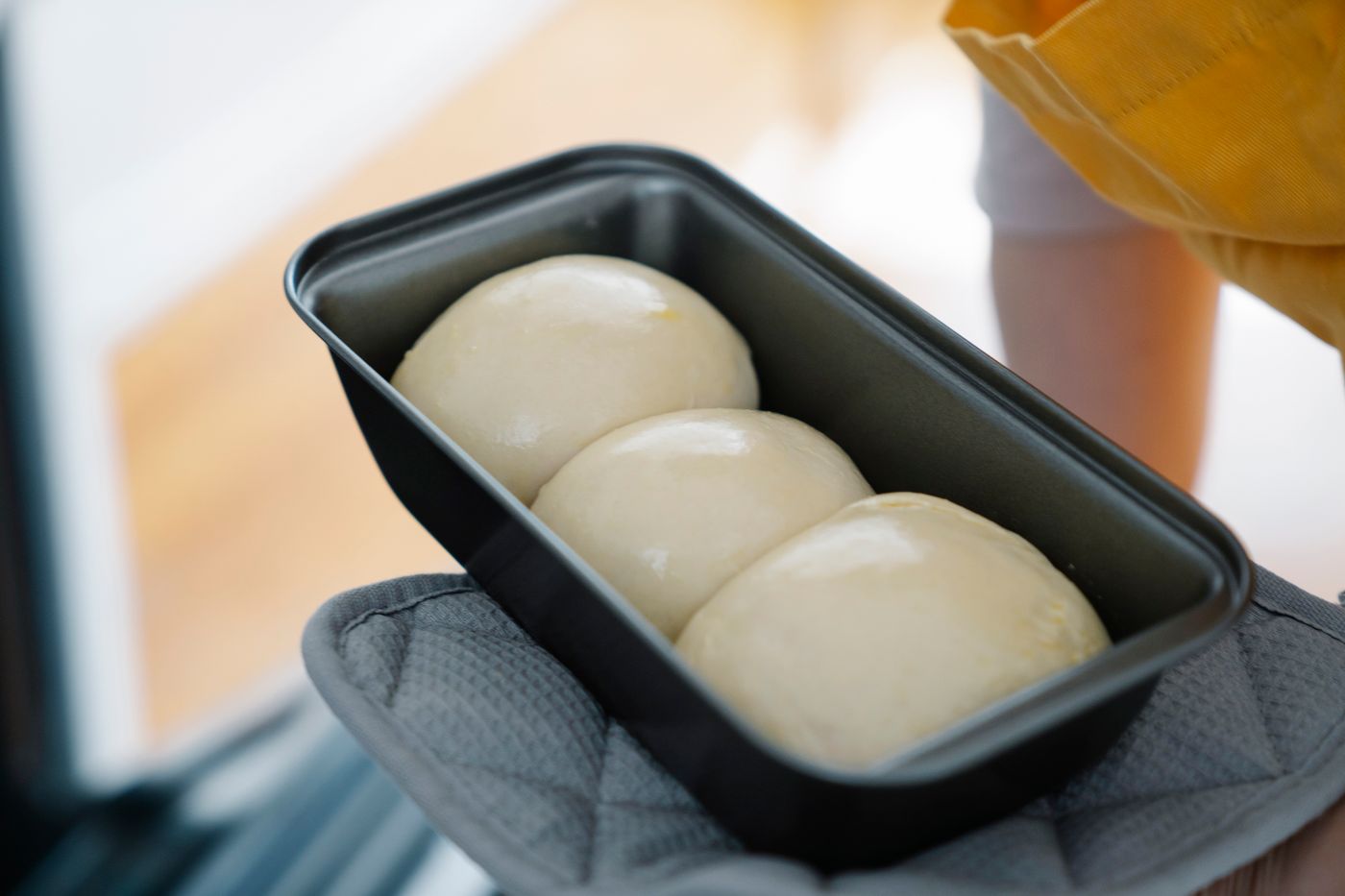
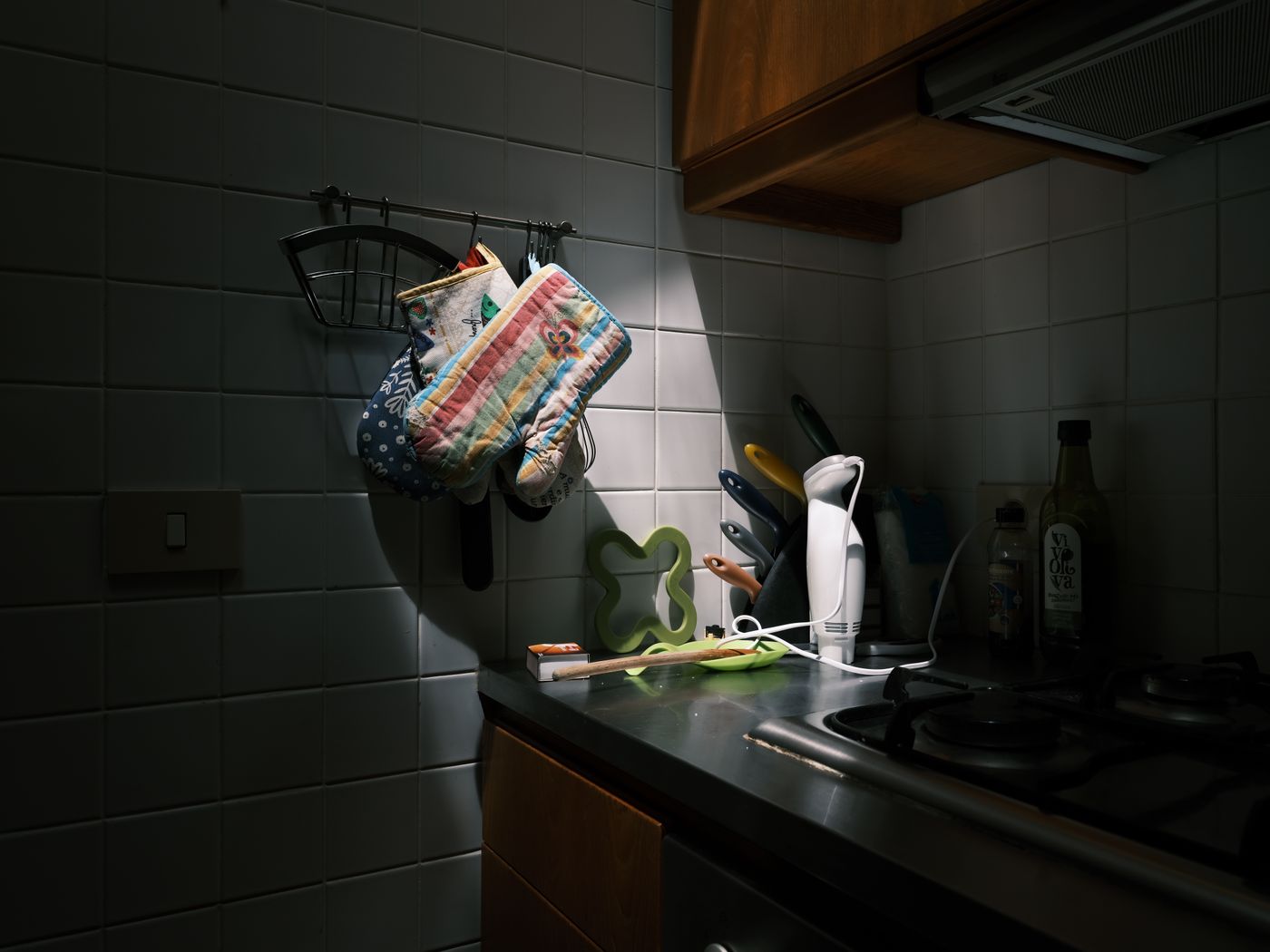
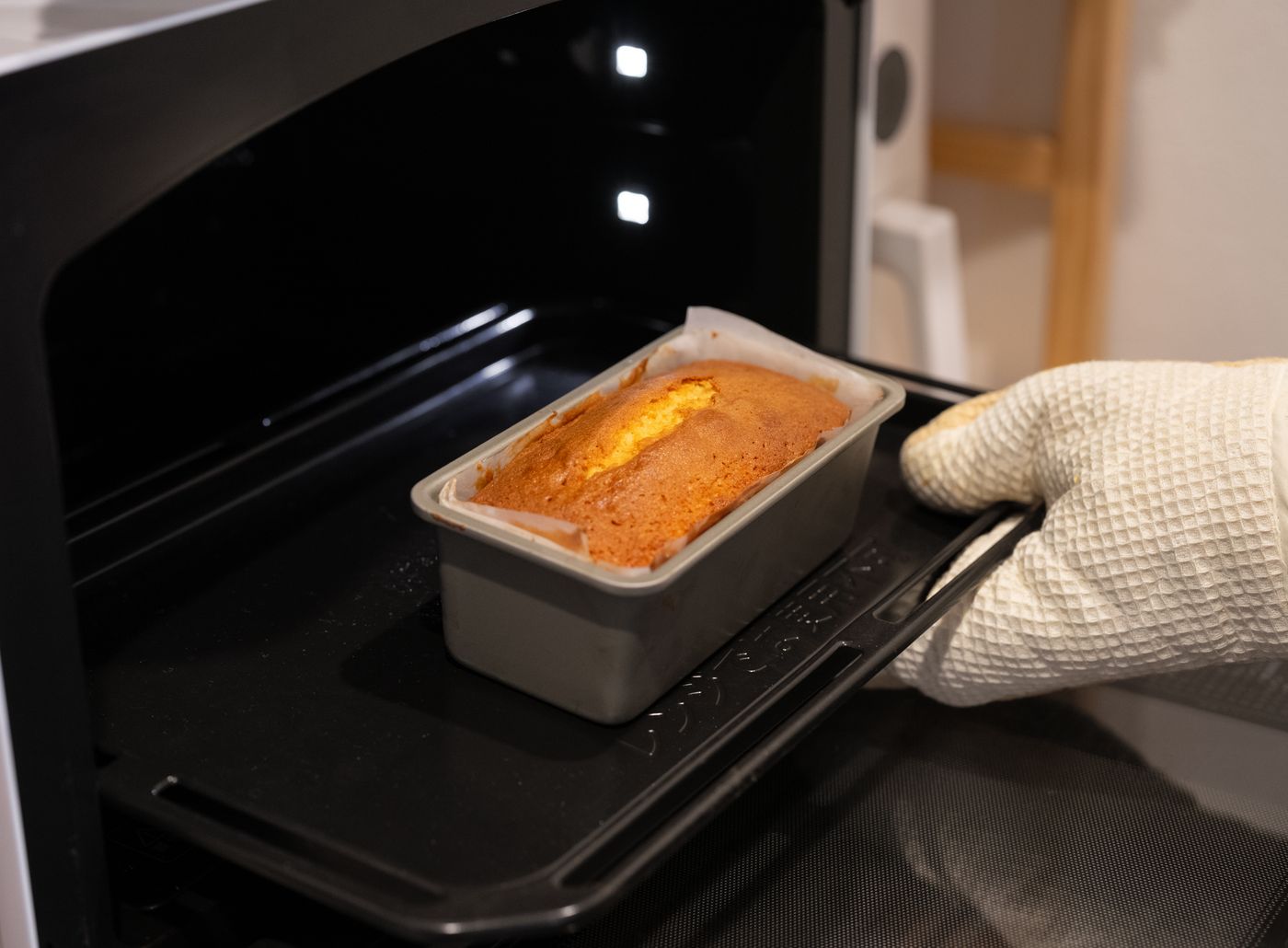
The photographs illustrate mitt forms and household contexts. They do not authenticate heat ratings, materials, or washing suitability. Do not borrow a care instruction from an image caption or assume a staged use proves a product’s condition.
Separate cleaning from the question of safe use
A stain and a damaged area require different judgments. Food residue may need an appropriate cleaning process; a hole, failed seam, or altered insulating layer may need a replacement or a decision from the maker. Do not scrub until a fault becomes harder to see and call the piece restored.
Avoid conducting an improvised heat test on a cleaned mitt. Holding a hot pan to see whether it feels acceptable does not establish a reliable condition assessment. Follow the product’s inspection and use directions instead.
Consider the whole set available during laundering. If every suitable mitt is being washed, schedule the task so you are not pushed into using a damp, damaged, or unsuitable substitute while baking continues. Clean equipment needs time to become ready again.
Our reusable-apron care guide addresses another kitchen textile. An apron and a mitt may share a color scheme, but their protective roles and construction differ. Use each item’s actual instructions instead of combining the care routines by appearance.
Work on ordinary residue through a permitted method
Remove only accessible loose residue in a way consistent with the instructions. Do not use sharp tools to scrape a grip surface or force material out of a seam. Take care around folded sections and internal areas whose construction may be difficult to see.
Where spot treatment is permitted, follow the relevant product directions and the textile maker’s limits. Do not assume that a stain-removal mixture appropriate to a different household fabric is suitable for a mitt’s lining or finish. More cleaning products do not necessarily improve the result.
For a hand-wash-only item, follow the indicated process without introducing a machine cycle to save time. For an item explicitly permitted in a machine, use the specified settings and any relevant precautions. This guide does not assign a universal wash temperature or spin speed.
Keep pairs identifiable as they move through the process. If two pieces have different labels, care for them separately even when they normally hang together. Matching can be restored afterward; compatibility should be decided before the wash.
Plan drying around the actual construction
Set aside an appropriate drying location before washing begins. Follow the label on flat drying, hanging, machine drying, or other permitted methods. Do not choose a faster heat setting simply because a baking plan is approaching.
Thick layers and enclosed sections need particular attention to the maker’s readiness directions. A dry-feeling outer surface does not, by itself, establish that every inner area is dry. Avoid returning the item to a hook or drawer based only on how its most exposed panel feels.
Do not twist, stretch, or press the mitt into a shape contrary to its care instructions. Likewise, avoid stuffing it with an improvised support that interferes with drying or leaves material inside. Use only a method appropriate to the product.
An appropriately clean folding laundry rack may provide space for compatible drying methods, but the rack does not decide which position the mitt needs. Start with the care instruction and select a suitable support afterward.
Keep four equipment states visible during laundry
A matching pair can split during care: one piece may be ready while the other is still drying or awaiting a condition decision. Keep that distinction visible to anyone preparing to bake. Count suitable equipment actually available, rather than the number of mitt-shaped items in the drawer.
| State | Where it belongs | Next action |
|---|---|---|
| Ready | The usual kitchen home, consistent with product directions | Use only for the product’s intended role and instructions |
| Awaiting permitted care | A clearly separate collection group | Follow this specific item’s label |
| Care or drying unfinished | The appropriate care or drying location | Complete the manufacturer’s process before reassessment |
| Condition or identity unresolved | Outside the ready group | Resolve the maker information or replacement decision |
Keep a small care note if labels are difficult to compare: product identity, source of its instructions, permitted process and current state. For example, the linked Le Creuset 45037 has its own hand-wash or wipe-clean and flat-dry guidance. That example does not set a washing method for the rest of the household’s mitts.
Before restoring each piece, complete its care and inspect it according to the maker’s directions. Do not use an improvised hot-pan test to settle uncertainty. Tell other household members which familiar pieces remain unavailable.
Connect the return to the baking-supply setup: the usable equipment should have an obvious home, while care still in progress has an obvious next step. This is a scheduling and organization aid, not a substitute for product inspection or use instructions.

Keep seasonal preparation manageable
Review what you actually use before buying a large matching pack. The useful number depends on the cooking routine, compatible tasks, and how pieces move through care. A pile of uncertain or decorative items should not make the household believe it has more suitable mitts than it does.
Do not replace everything simply because one piece needs attention. Equally, do not keep an unsuitable piece because it completes a holiday color scheme. Make the decision around its actual condition and intended role.
Our removable cushion-cover guide is another example of checking construction before choosing textile care. It is relevant as a decision habit, not as a method for washing oven equipment.
A useful preparation session ends with suitable pieces clearly ready, other pieces clearly unavailable, and enough drying time built into the plan. That makes the laundry task support the baking you intend to do rather than creating a last-minute search for something to hold a hot pan.
Explore related decisions in our Cleaning hub.
Sources and editorial scope
Editorial research checked October 28, 2026. Published trend reports are context for these editorial applications, not verified live keyword rankings. Practical household guidance; photographs do not document a tested household or authenticate pictured materials.
