Before cleaning a baseball cap, identify its care instructions and check the brim, crown, closure and decoration. Use only the method permitted for the complete cap. A stiff brim does not reliably identify its inner material, and a washable-looking fabric panel does not establish that the whole cap can be soaked.
This guide helps you decide whether to spot clean, use a permitted wash or pause for advice, then plan the space to finish drying without crushing the cap.
Read the whole cap before choosing a method
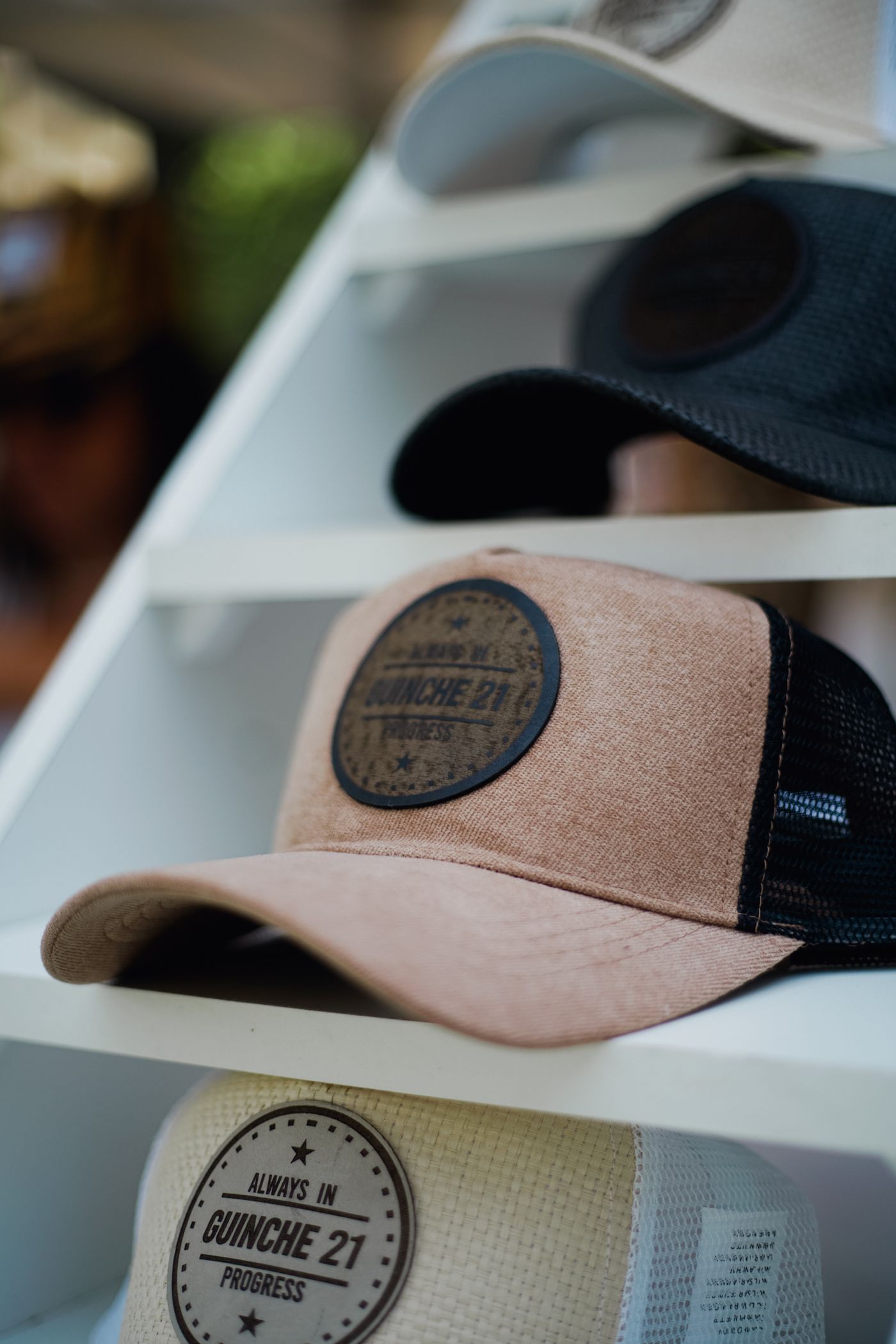
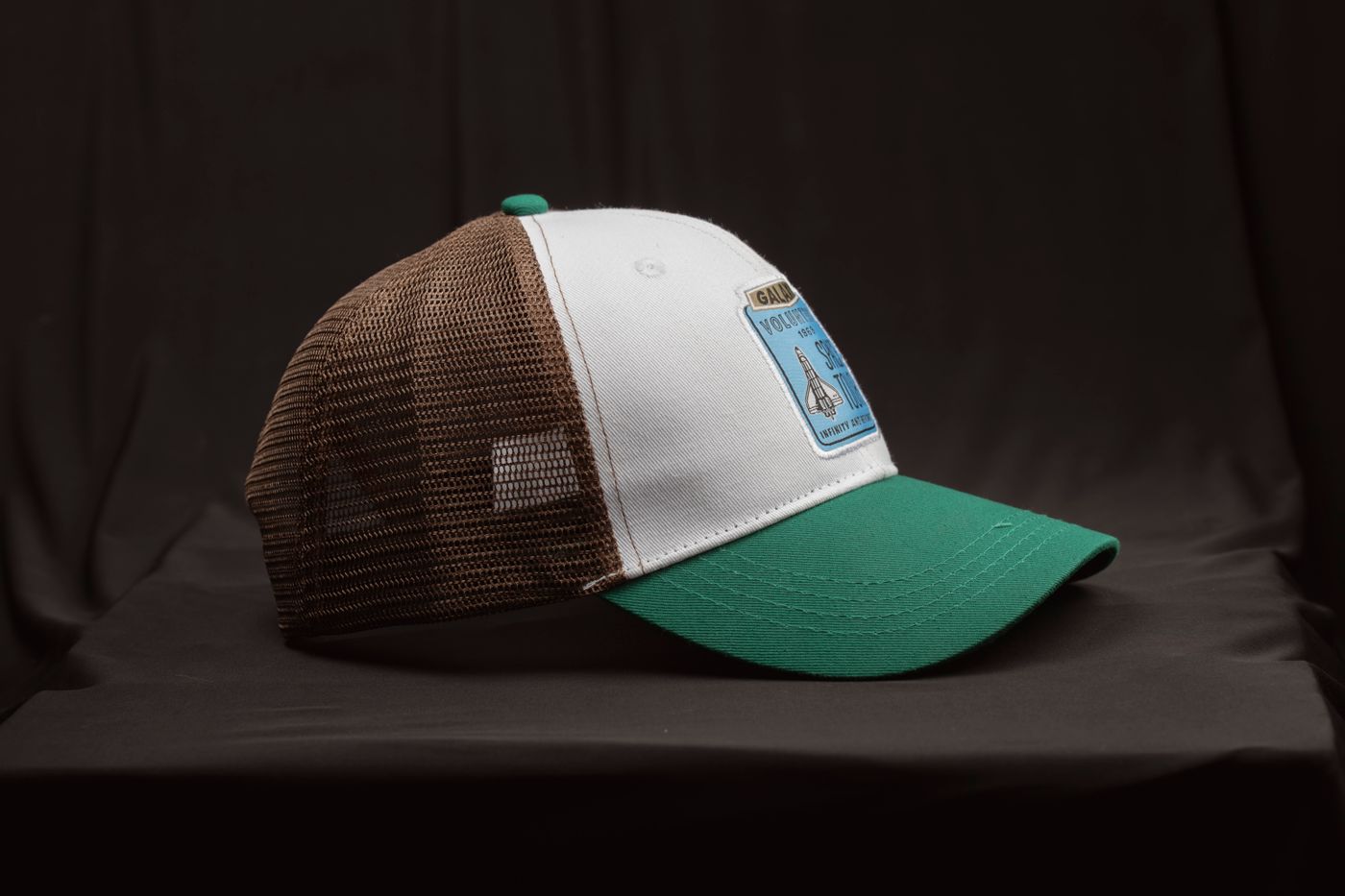
Find the care label, maker information, and any instructions supplied with the item. Look at the crown, brim, fastening, lining, and applied decoration. The main fabric is only one part of the object. A washable-looking crown does not establish how the cap’s other components will respond to water, detergent, agitation, or heat.
Check for tears, loose stitching, damaged closures, and already distorted areas. Make a note of those conditions before cleaning so you do not confuse an old problem with a new one. If the cap is borrowed, sentimental, vintage, or otherwise difficult to replace, the value of confirming appropriate care may be greater than the convenience of trying a generic method.
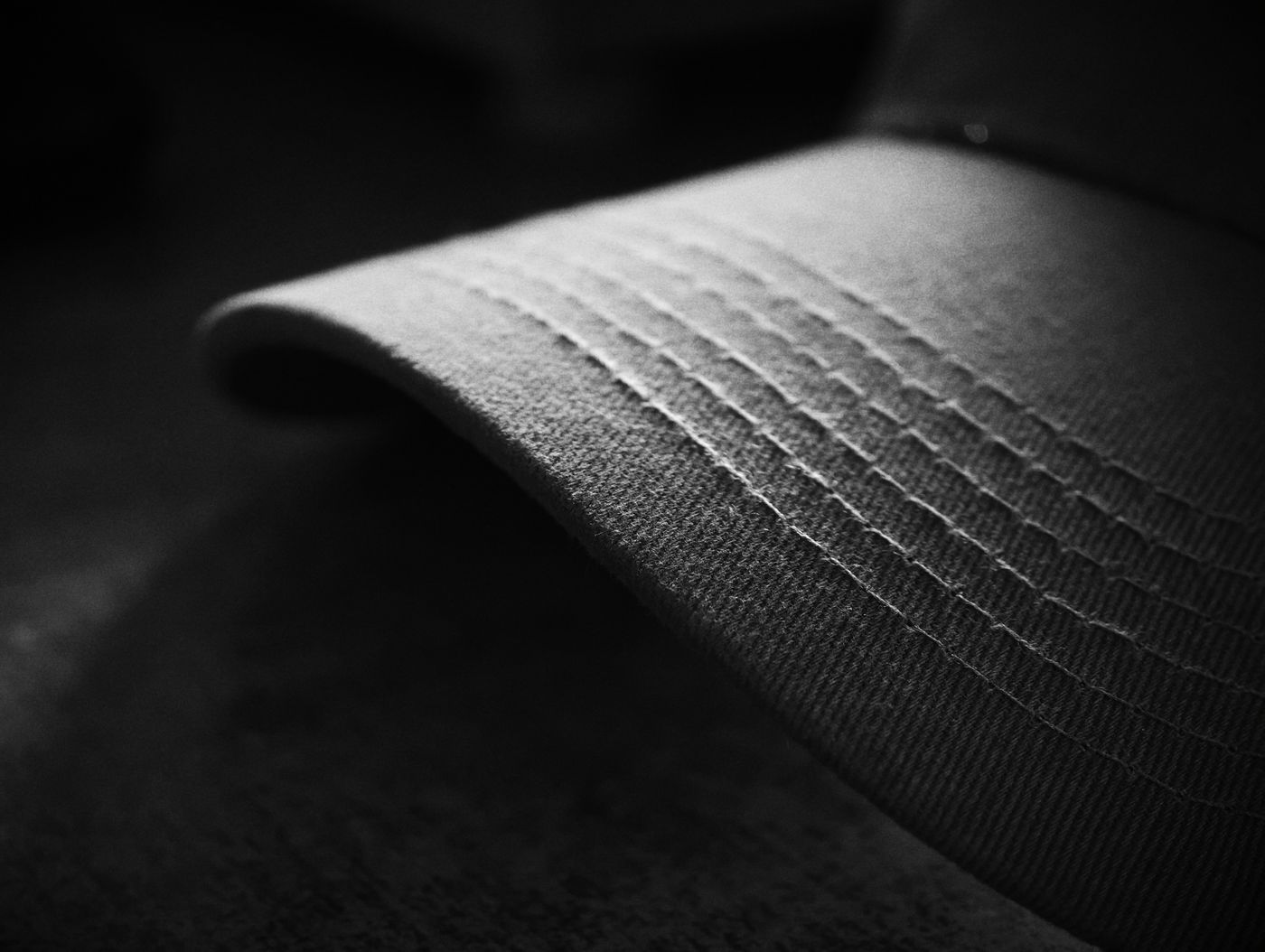
Do not use the brim’s stiffness as proof of its internal material. Older and newer caps can look similar while needing different handling. If you cannot establish suitable care, ask the maker or an appropriate specialist before soaking or machine washing. A dry observation is reversible; a full wash based on a guess may not be.
Choose among spot care, a full wash and a pause
| What is established | Workable next step | What still needs care |
|---|---|---|
| Spot cleaning is permitted for the marked area | Follow that method and its product directions | Keep neighboring trim and uncertain components within their limits |
| A complete wash method is confirmed | Prepare the stated wash, water-removal and drying sequence | Confirm the support and shape instructions before wetting |
| The care label or brim construction is unclear | Ask the maker or a suitable specialist before wet care | A similar cap online does not identify this one |
| The closure, seam or shape is already damaged | Separate the repair decision from the cleaning decision | A successful wash does not establish a successful repair |
General manufacturer articles, such as Nike’s baseball-cap care guide, are background reading rather than permission for every cap. Do not combine settings or treatments from several guides into a new method. Check the actual maker’s care for the exact item.
Prepare a place for the cap to finish drying
Before beginning a permitted wet-cleaning task, identify where the cap will dry according to its instructions. The available spot should let it rest without being repeatedly moved for the next load of laundry. Avoid starting the wash and then discovering that every suitable surface is occupied by towels or that the cap would have to balance on a detergent bottle.
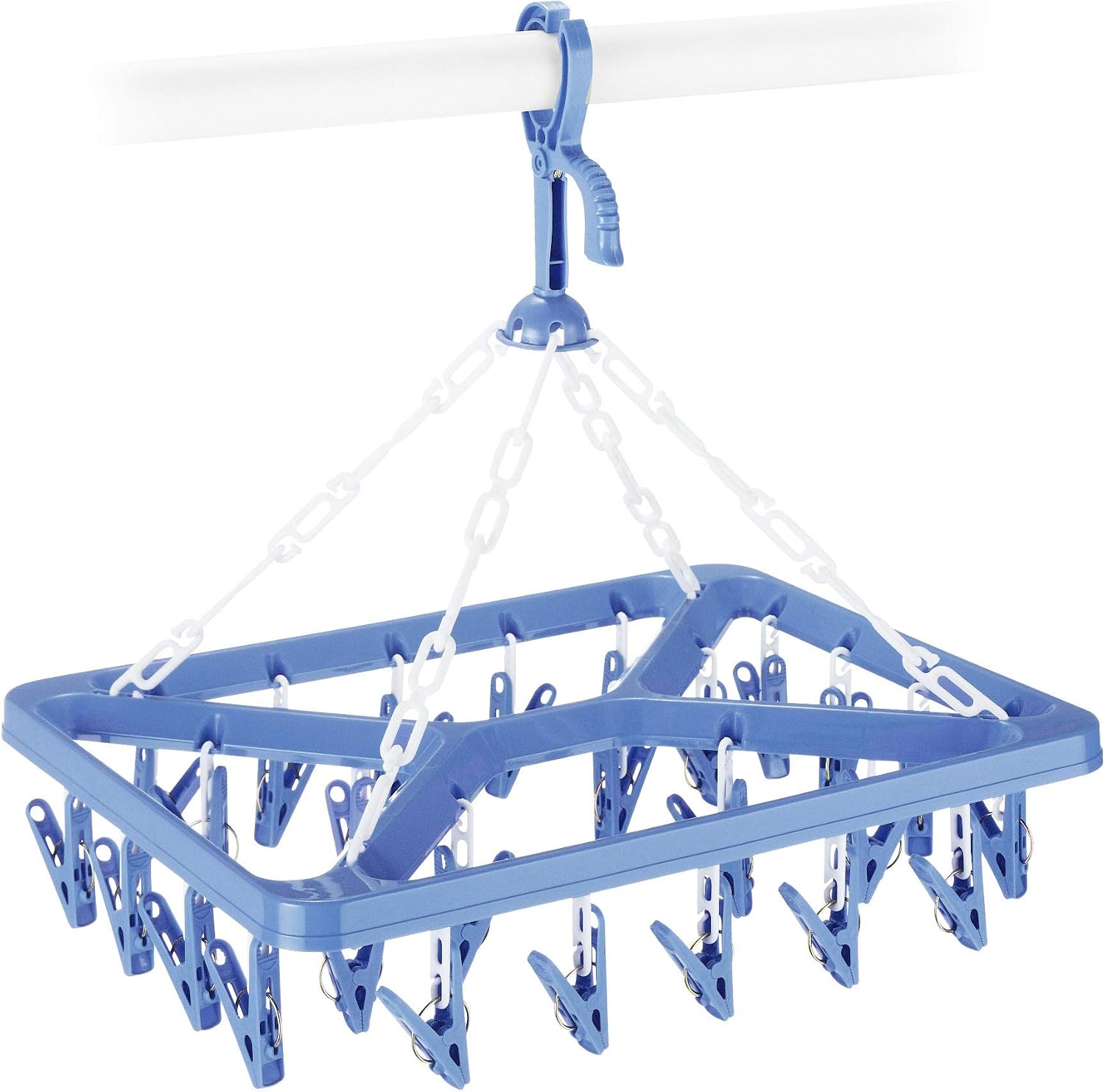
Use our folding-rack care guide if a suitable drying rack needs attention first. Check that the actual support and contact surface suit the cap. A rack that works for a flat towel does not automatically provide the shape or support a structured cap requires. Follow the item’s instructions for any shaping or support during drying.
Plan enough time that you do not have to accelerate drying with an unapproved heat source. The cap should be ready because its permitted care has finished, not because someone needs it in ten minutes. If another cap is available for the day, making that substitution before washing can remove the pressure to rush the process.
Handle a permitted spot-cleaning task conservatively
If the care information permits spot cleaning, follow that method for the actual material and decoration. Use a suitable product as directed and avoid saturating a component whose wet care is uncertain. A small area of visible soil does not necessarily justify washing the complete cap, especially when the rest of the object is already in acceptable condition.
Treat the sweatband, crown, and decorative areas as parts whose instructions may differ. Do not scrub a printed emblem simply because the fabric beside it tolerates gentle cleaning. Stop if you see color movement, surface change, or another sign that the method is not working as expected. Continuing harder is not a reliable way to correct uncertainty.
Keep the cap separate from other items while an appropriate colorfastness or cleaning decision is unresolved. Our laundry-sorting comparison can help you choose where that decision happens in your routine. The purpose is to keep an uncertain item out of an automatic load, not to create a permanent pile of special-care clothing beside the washer.
Wash only when the complete method is established
Where washing is permitted, prepare the clean working space and follow the exact instructions for product, water, handling, and rinsing. Use any protective bag or shaping support only if appropriate for the cap and the selected method. A protective accessory does not override a care label that rules out the method itself.

Avoid twisting or forcing a cap into a smaller shape merely to fit a basin. If the permitted task cannot be carried out comfortably in the available space, postpone it until a suitable setup is available. A small laundry area can support occasional shaped items without making every item conform to the same sink and load routine.
After cleaning, check what the directions say about removing excess water and arranging the shape. Do not improvise a hot finish because it is familiar from another garment. Retain the care note with a photograph or short record if the label is difficult to read; next time, you should not need to reconstruct the decision from memory.
Return a fully ready cap to everyday use
Check the cap after the permitted drying process has finished. Look at the shape, fastening, trim, and areas that were cleaned. If a stain remains but the item is otherwise ready, decide whether the remaining mark matters. Repeating increasingly aggressive treatments can turn an acceptable everyday cap into a longer repair project.
Choose storage that does not undo the care you just completed. Keep the brim from being crushed under heavy objects and the cap from becoming a temporary container for loose laundry. Store it where the wearer can retrieve it without disturbing a pile of other shaped accessories. The best arrangement may be a modest existing shelf rather than a specialized display rack.

Our comparison of laundry finishing surfaces is useful when clean items keep waiting on the only available counter. Give this cap one clear finishing step: inspect, return, and clear the work area. Leaving it indefinitely on a drying support makes the next wash harder and obscures whether the job is complete.
Keep the result realistic
Ordinary cleaning does not authenticate an unknown fabric, replace a broken fastening, or reverse every old mark. Separate those decisions from the washing task. If the cap no longer suits its wearer or needs work beyond appropriate routine care, make a deliberate repair, specialist-care, or retirement decision instead of repeating the same uncertain wash.
A successful cap-care routine is easy to describe afterward: you identified the item, followed its directions, provided suitable drying space, and returned it in a known condition. That is more useful than choosing a dramatic cleaning trick whose result depends on a brim construction you never established.
Explore related decisions in our Cleaning hub.