Baking supplies create a special kind of clutter. Ingredients live in the pantry, pans in a low cabinet, measuring cups in a drawer, decorating tips in a mystery box, and mixer attachments wherever they fit. For a related step-by-step approach, see How to Create a Recycling and Trash Station in a Small Kitchen Without Losing a Cabinet.
A better system does not force everything into one cabinet. It creates a short route between supplies used in the same baking session.
Organize around real frequency
List what you baked in the last two or three months. Bread, cookies, birthday cakes, and holiday projects require different tools. Keep routine items near the work surface and move once-a-year equipment to secondary storage. For a related step-by-step approach, see How to Organize a Small Freezer for a Family So Food Doesn’t Disappear for Six Months.
Do not reserve prime space for the baker you hope to become while daily cookware is crowded.
Create three levels
Level one holds weekly ingredients and tools; level two holds monthly pans and attachments; level three holds seasonal cutters and specialty equipment.
Frequency is more useful than object type alone because it matches retrieval effort to use.
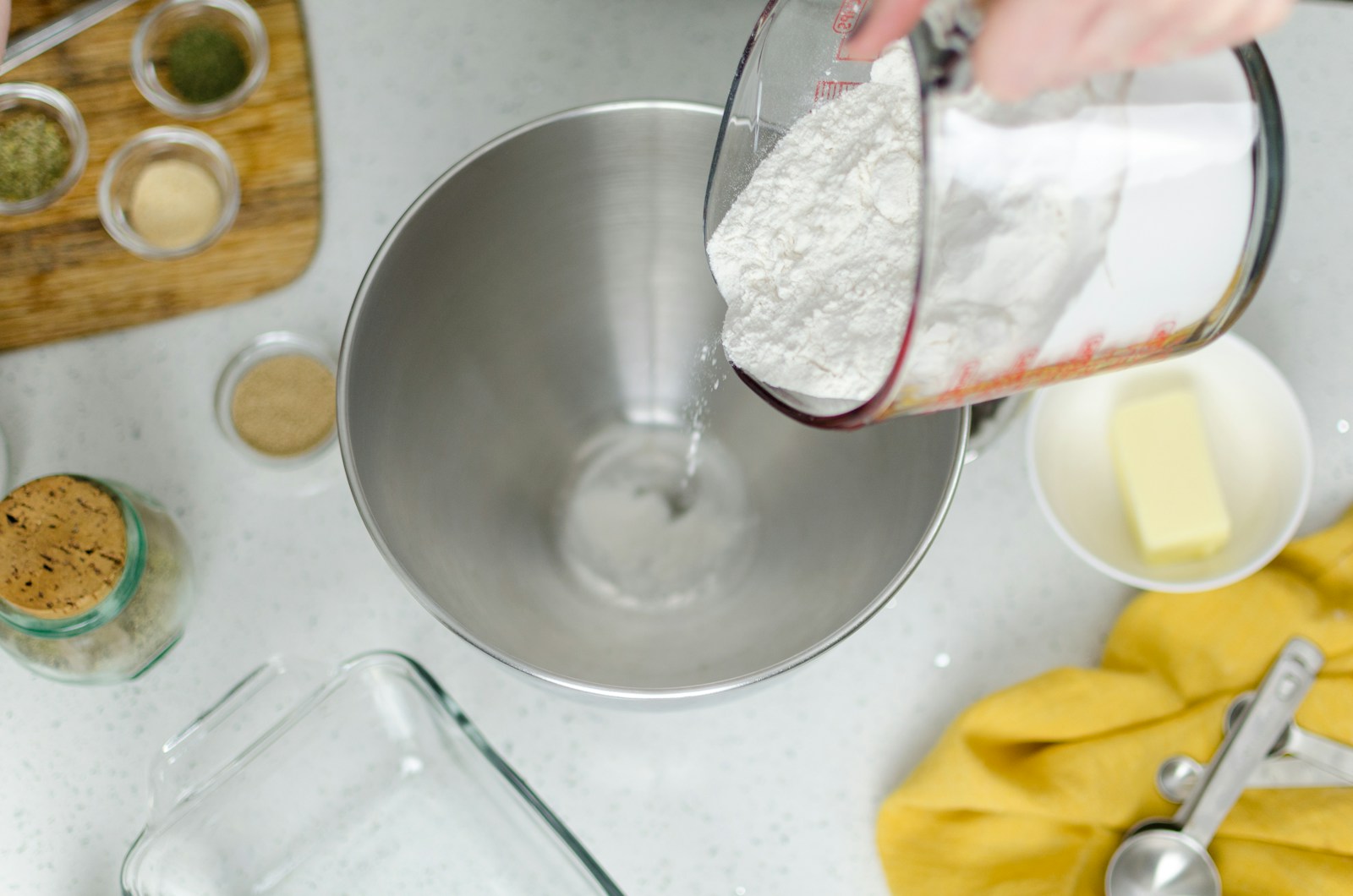
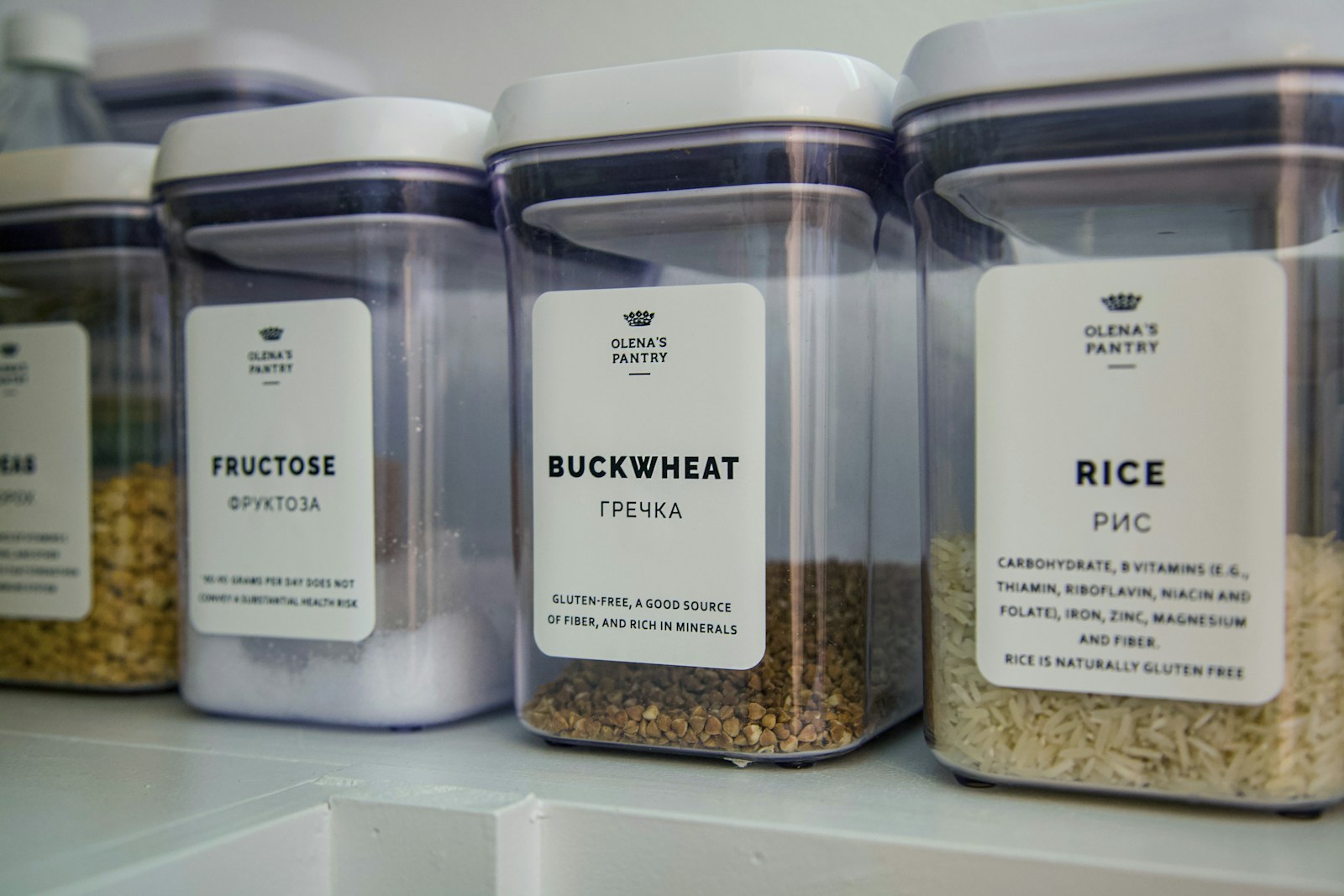
Store ingredients safely and visibly
Use food-safe containers appropriate to each ingredient and keep identity, allergens, dates, and directions accessible. Do not decant only for appearance if information disappears.
Keep heavy flour and sugar at a comfortable lifting height. Watch for spills, damaged packages, and pest signs.
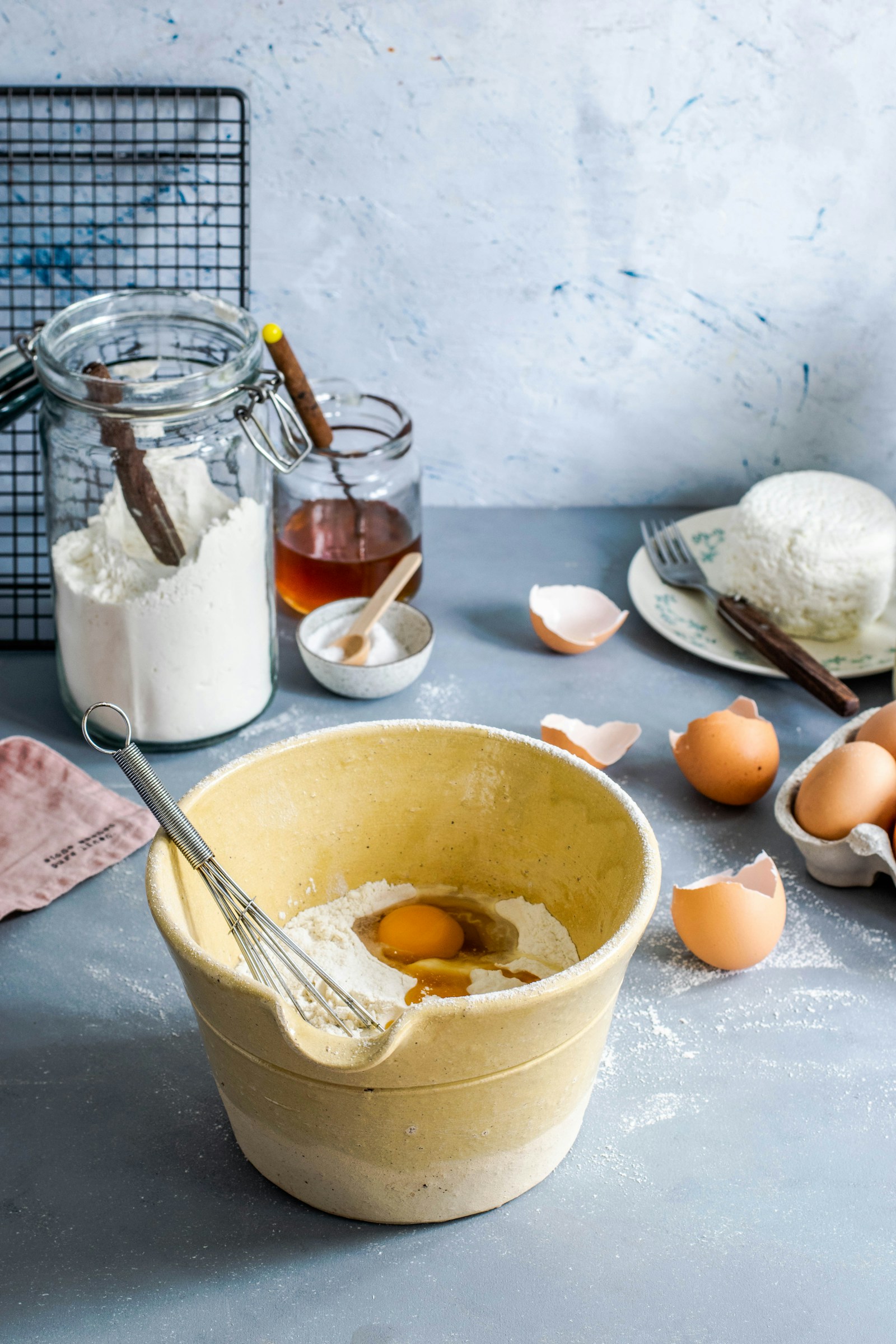
Build a measuring-tool kit
Keep cups, spoons, scale, scraper, and frequently used thermometer together or within one drawer span. Duplicates must earn their space. For the broader setup, How to Organize a Small Kitchen Utensil Drawer Without Buying a Giant Organizer is a useful next read.
Nest only when pieces remain easy to separate. A perfect stack that jams during every recipe is poor storage.
Store pans by shape and weight
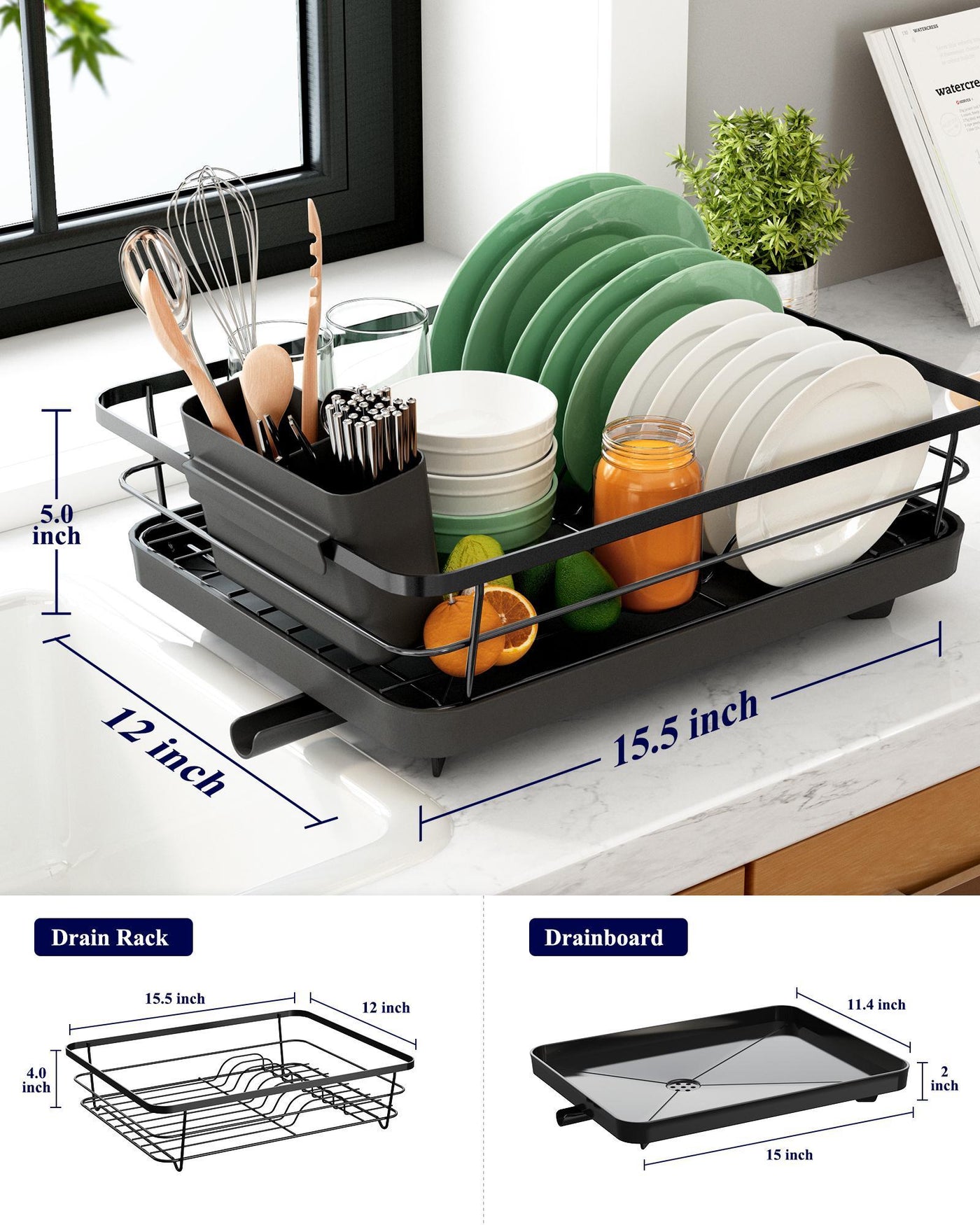
Sheet pans and cooling racks often work vertically in a stable divider. Round pans may nest. Heavy stoneware needs low support, and nonstick surfaces need care. If you are working on the same space, Best compact dish drying racks for small kitchens covers the next decision in more detail.
Avoid a tall stack that requires lifting six pans to reach one.
Give attachments a complete home
Use a bin beside the mixer, a deep drawer section, or one cabinet shelf. If the appliance is rarely used, reconsider permanent counter space with the clear-counter guide.
Loose attachments collect dust and separate from their appliance.
Limit decorating supplies
Food colors, piping tips, sprinkles, candles, toppers, and cutters multiply quickly. Give them one box or drawer section and separate opened consumables from reusable tools.
When the container is full, edit before expanding. This category easily becomes a second pantry.
Plan for children
Offer a small set of age-appropriate tools while sharp items, electrical equipment, breakables, and ingredients requiring supervision remain controlled.
Manage common allergens and household restrictions clearly.
Reset in kitchen order
Return cold items, close dry goods, wash the largest tools before they block the sink, dry pans fully, and wipe ingredient shelves after spills.
A setup tray can keep the recipe, scale, and first ingredients together during use.
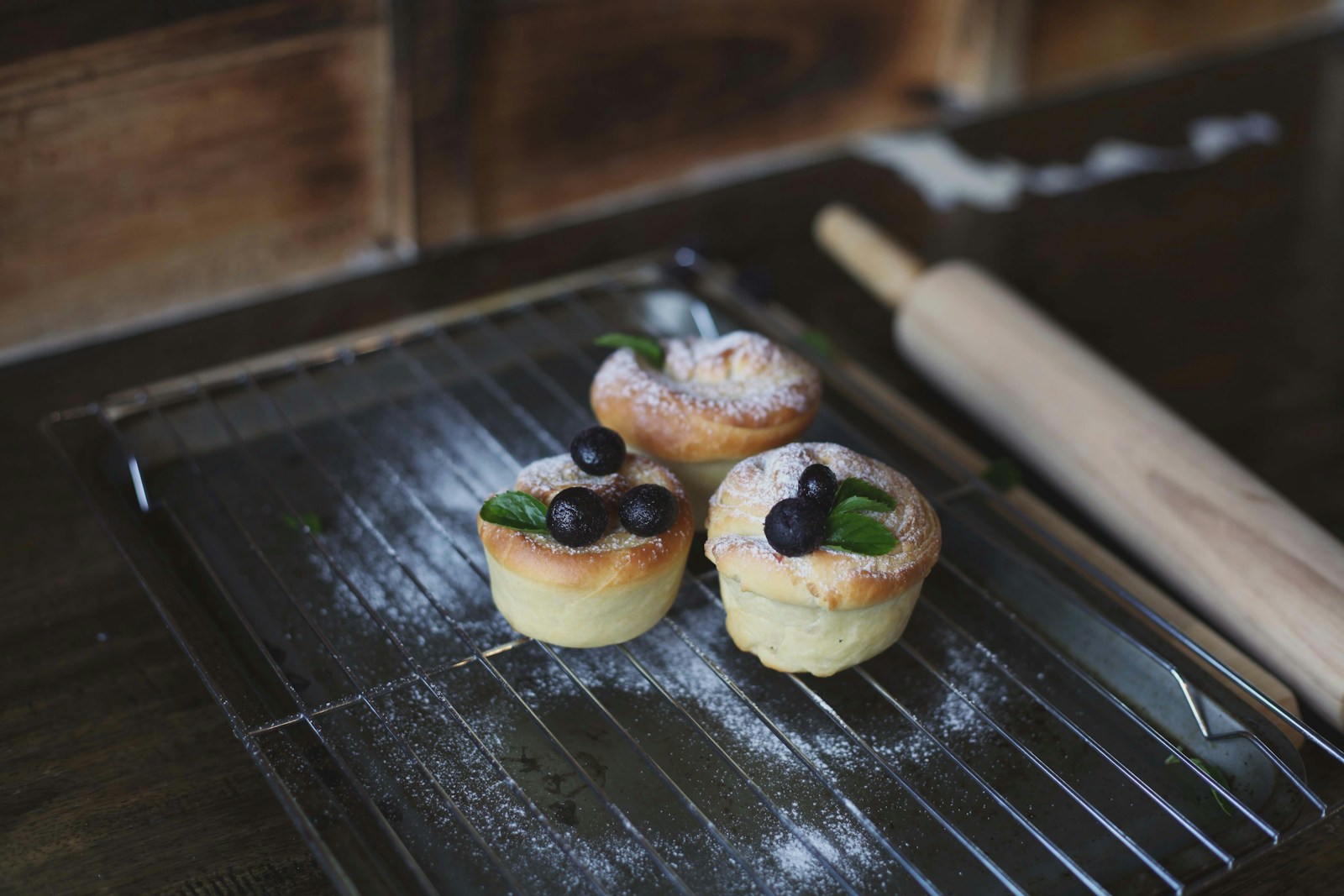
Design the bake-day sequence
Bring out ingredients in recipe order instead of covering the counter with the entire baking category. Return each ingredient once its final measurement is complete and safe to put away. This keeps the work zone readable and makes missing ingredients visible early.
Reserve one small “used but still needed” area for tools between steps. Without that boundary, clean and dirty utensils mix and the counter fills faster.
Watch dates, freshness, and pests
Mark opening dates when useful, rotate older packages forward, and check rarely used flour, nuts, chocolate, leaveners, and decorating ingredients before planning a recipe. Store food according to package guidance and local conditions.
Organization should make inspection easier. Deep opaque bins that hide spills, damaged packaging, or insects are not an upgrade.
Decide which appliances earn permanent space
A stand mixer may deserve the counter for weekly use but not for two holidays a year. A hand mixer may cover the routine with far less footprint. Count the bowl, cord, beaters, and attachments—not just the appliance base—when comparing storage cost.
Continue through the right silos
Browse Home Organization and the verified Kitchen hub.
My conclusion
A small kitchen needs a compact route for recipes the household actually makes. Keep routine ingredients close, pans retrievable, specialty supplies limited, and occasional equipment outside prime storage.
Frequently asked questions
Should flour and sugar be decanted?
Only when food-safe containers improve protection without losing important information.
How should sheet pans be stored?
Vertical storage in a stable, correctly sized divider often improves access.
Where do seasonal cutters go?
Use labeled secondary storage and bring only the current set into the baking zone.