
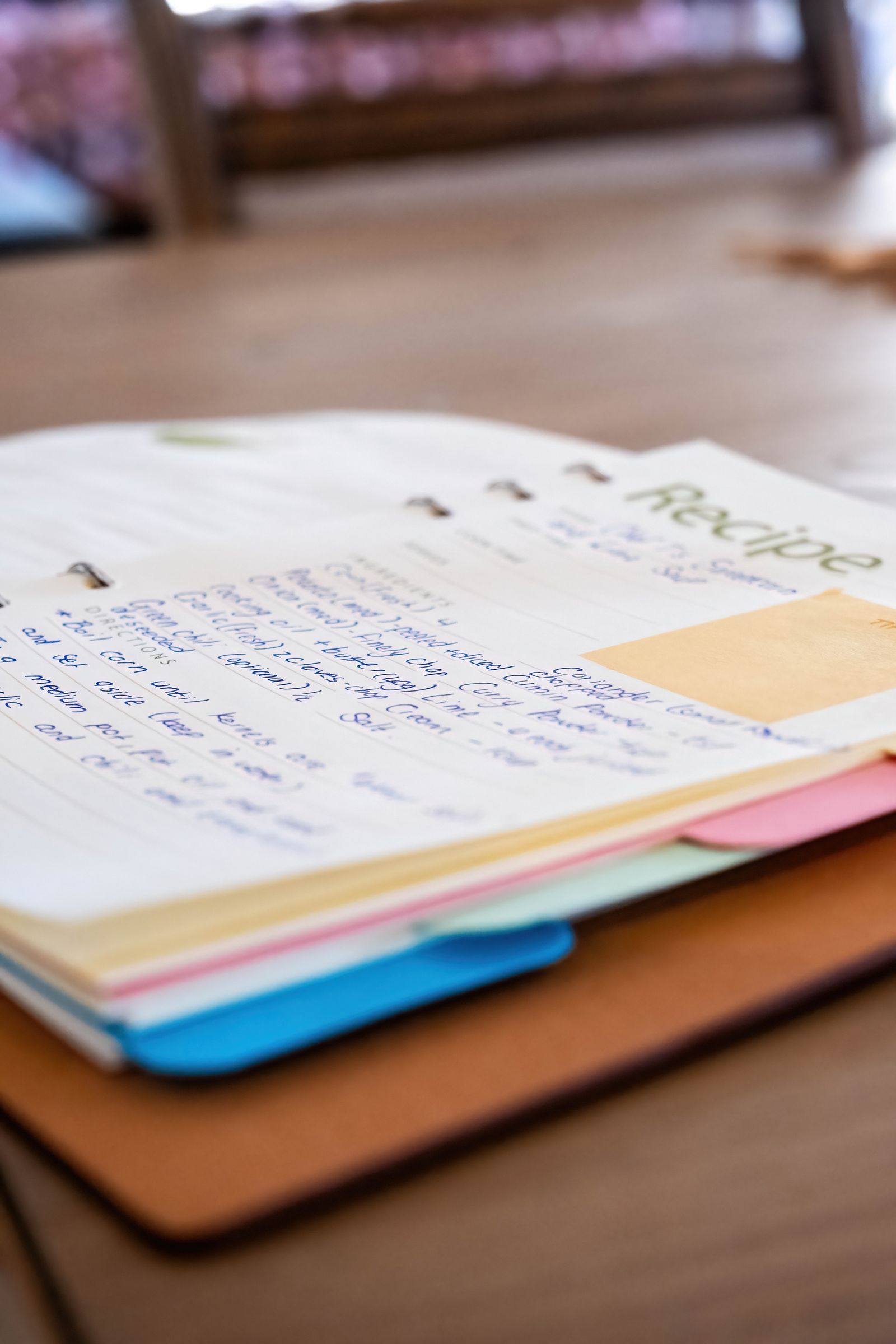
You remember a weeknight dinner that worked, but not whether the recipe came from a printed page, a cookbook, or a note on your phone. Meanwhile, several binders hold recipes you intended to try, and the kitchen counter carries a stack of pages nobody has cooked. A useful recipe system solves retrieval before it solves collection.
In a small kitchen, the best arrangement usually has a short active set, a place for experiments, and a separate archive for recipes with personal value. This is a practical information system, not a meal plan or a prescription for what your family should eat. Keep the food choices that suit your household and organize the instructions so you can actually find and use them.
Separate recipes you cook from recipes you save
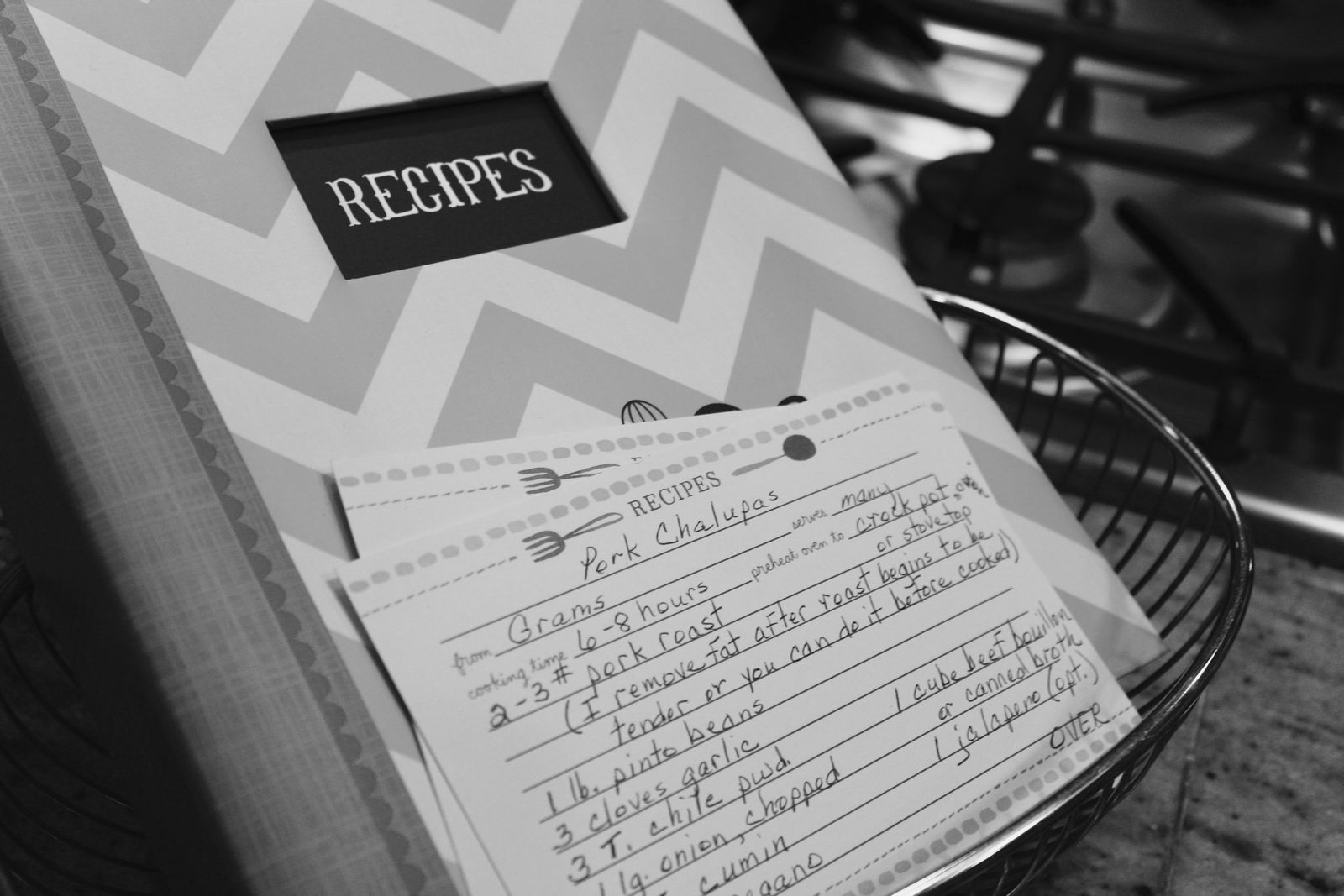
Gather loose pages and identify the recipes you have cooked successfully enough to want again. These become the active set. They should not have to compete with dozens of promising ideas. Place untried recipes in a small trial section, and give inherited or sentimental recipes their own archive. A handwritten family card can matter even if it is not part of this week’s cooking.
Use these three purposes as labels rather than purchasing three containers immediately. One binder with clearly divided sections may work. A notebook and a digital folder may work just as well. What matters is whether the person preparing dinner can distinguish a reliable household favorite from something that still needs a first attempt.
Choose one index that points to every format
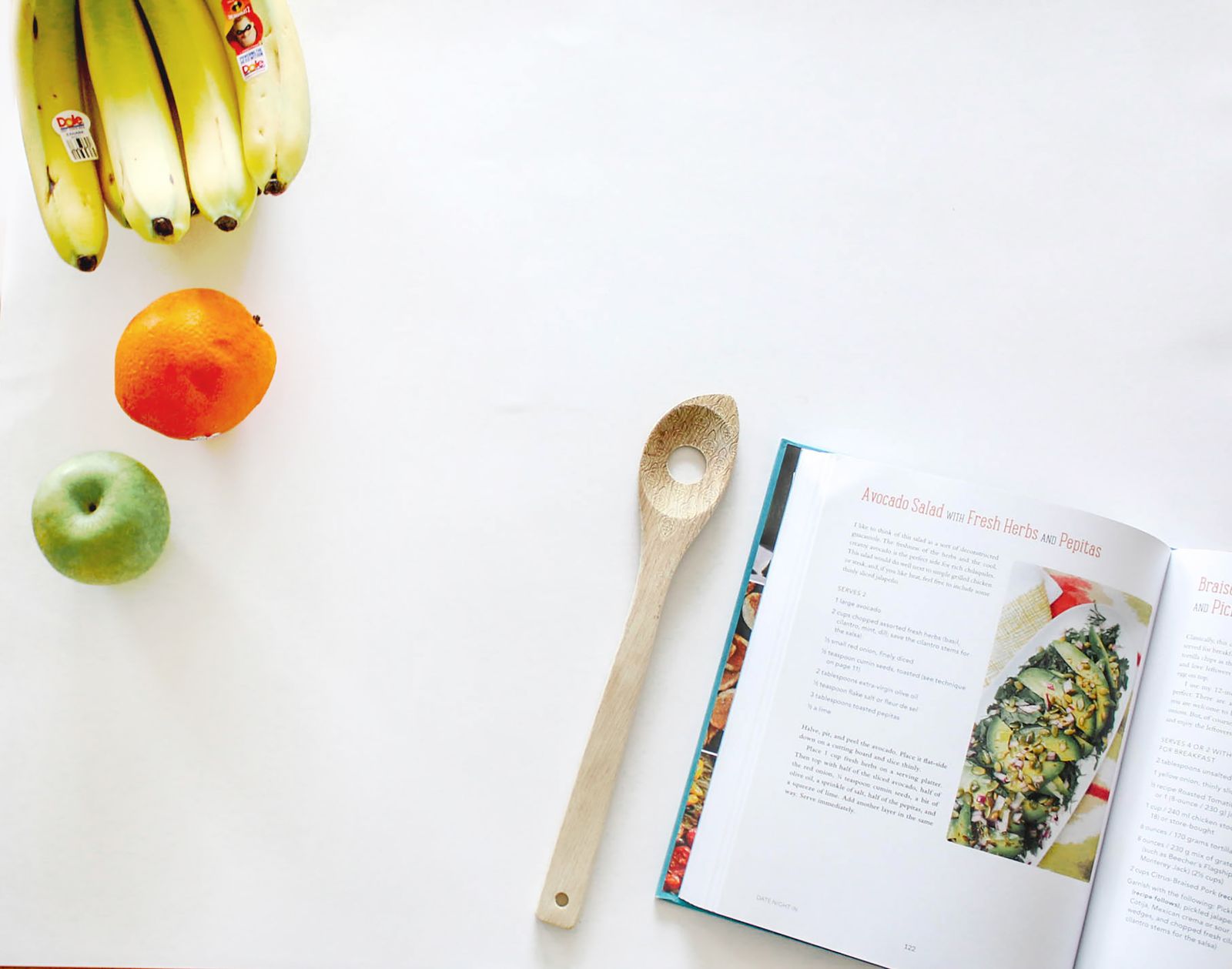
Some recipes will stay in books because copying them adds unnecessary work. Others exist as a web page or an original card. An index can connect these formats without forcing everything into one medium. Record the recipe name, where it lives, and one useful retrieval clue. For a cookbook, include its title and page. For a web recipe, save the actual source address.
Name the recipe in the language your household uses. If everybody calls it the quick bean dinner, an index under a formal recipe title alone will slow retrieval. You can record both. Avoid making the index depend on a single person’s memory of a cover color or the month when a magazine arrived.
A digital index should live somewhere the cooks can access with appropriate permission. A paper index should remain near the recipes, not disappear into a general household filing system. The existing guide to paper and digital records offers broader tradeoffs, but recipes need their own short, cooking-focused route.
Use categories that help with an actual dinner decision
Alphabetical order is simple, but it may not answer the question you ask when standing in the kitchen. You might start with the ingredient already available, the equipment free that evening, or the kind of meal you need. Pick one main arrangement and keep the others as small index notes. Multiple complete filing systems create multiple places to update.
For example, a household could file active recipes under main meals, sides, breakfasts, and baking. A brief note might identify a recipe as one-pot or uses leftover cooked rice. Treat these as retrieval cues, not verified nutrition or food-safety claims. Follow the original recipe’s instructions and current food handling guidance when preparing it.
Do not create a divider for a category that contains one recipe unless it helps someone find that recipe. A long row of nearly empty tabs makes a compact collection look more complicated than it is. Start broad and divide only where searching repeatedly becomes slow.
Give an experiment a small, bounded place
Keep a limited number of recipes to try next. Choose them deliberately from the larger saved collection, then make one accessible for the intended meal. The trial section should be a queue you use, not a second permanent archive. If you keep adding pages without cooking any of them, reduce the queue rather than buying another binder.
After cooking, decide whether to keep the recipe, try it once more with a specific change, or remove it. Record only an observation you actually made, such as the pan you used or whether the family wanted the meal again. Do not label a recipe foolproof because one attempt went well.
Keep the original source identifiable. For a web recipe, saving the page title, creator, and link protects you from an anonymous screenshot whose ingredients or steps may have been cut off. Where you make a personal adaptation, distinguish your note from the original instructions. A small clarification can prevent someone else from following an outdated version.
A recipe index is a small reference system, rather than an archive of every paper you encounter. Apply the distinction between active and retained information in our guide to organizing family paperwork when deciding which clipped recipes deserve a permanent entry.
Store the active set where paper stays usable
Choose a dry, accessible location away from heat, sink splashes, and the immediate food-preparation surface. The kitchen’s most convenient drawer may already hold utensils that need it more. Try a shelf or adjacent room storage before allocating prime kitchen space to a large archive.
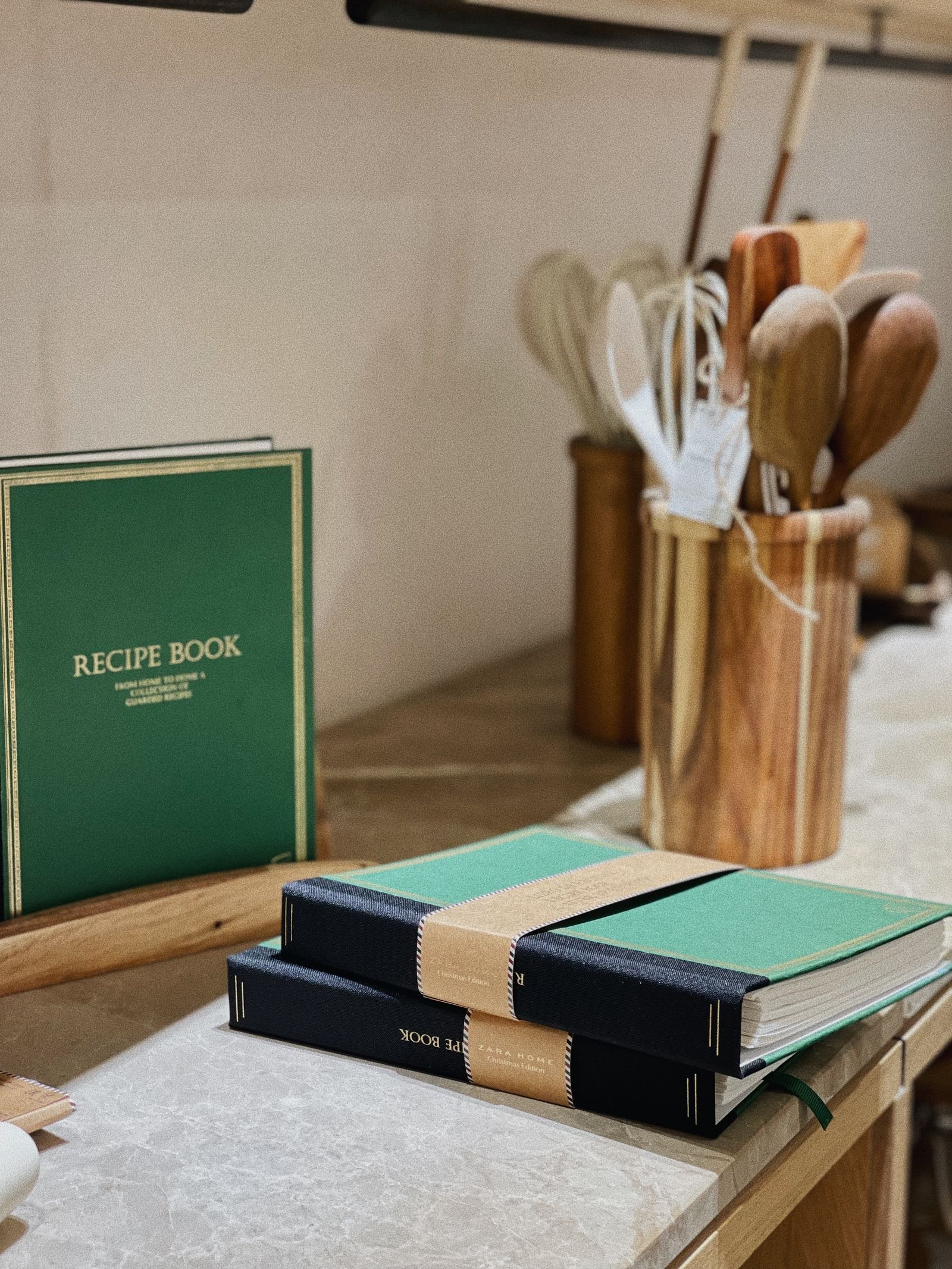
A binder should fit the shelf without squeezing neighboring items and open comfortably where you cook. If you use protective page sleeves, consider glare and whether you can turn the pages easily. If you use cards, keep them contained so a single card can be removed and returned without tipping the entire collection onto the counter.
Cookbooks you use often deserve easier access than books kept mainly for inspiration. Store sentimental cards in conditions appropriate to preserving them, and use a working copy when the original is fragile. Do not assume a kitchen is the best home for irreplaceable paper simply because the paper contains recipes.
Make reading the recipe part of the setup
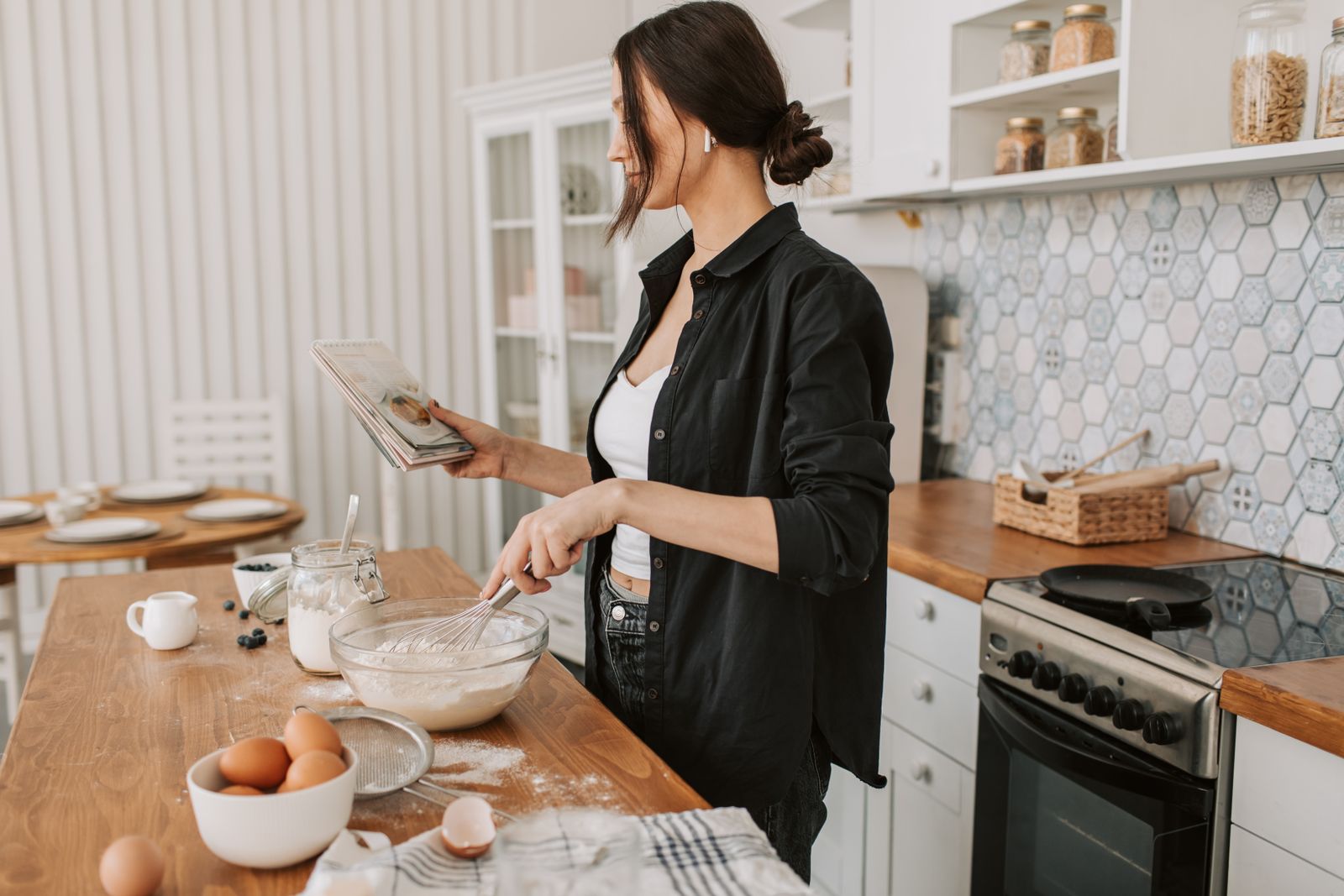
Before preparing ingredients, locate the complete instructions and read them through. Identify any equipment or preparation mentioned later in the method. Put the recipe where it can be read without balancing it on a sink edge or reaching across hot cookware. A stable stand can help, but an existing safe arrangement may already work.
If the recipe is on a phone, decide how you will view it while handling food. Keep the device away from wet areas and choose a position that does not require repeated moving around utensils. Avoid switching between multiple nearly identical tabs: open the version your index identifies.
Connect this setup to the kitchen’s task zones. Recipe reading belongs close enough to preparation to be useful while keeping the actual work surface available. A page that covers your only chopping area creates a new obstacle instead of removing one.
Write notes that another cook can understand
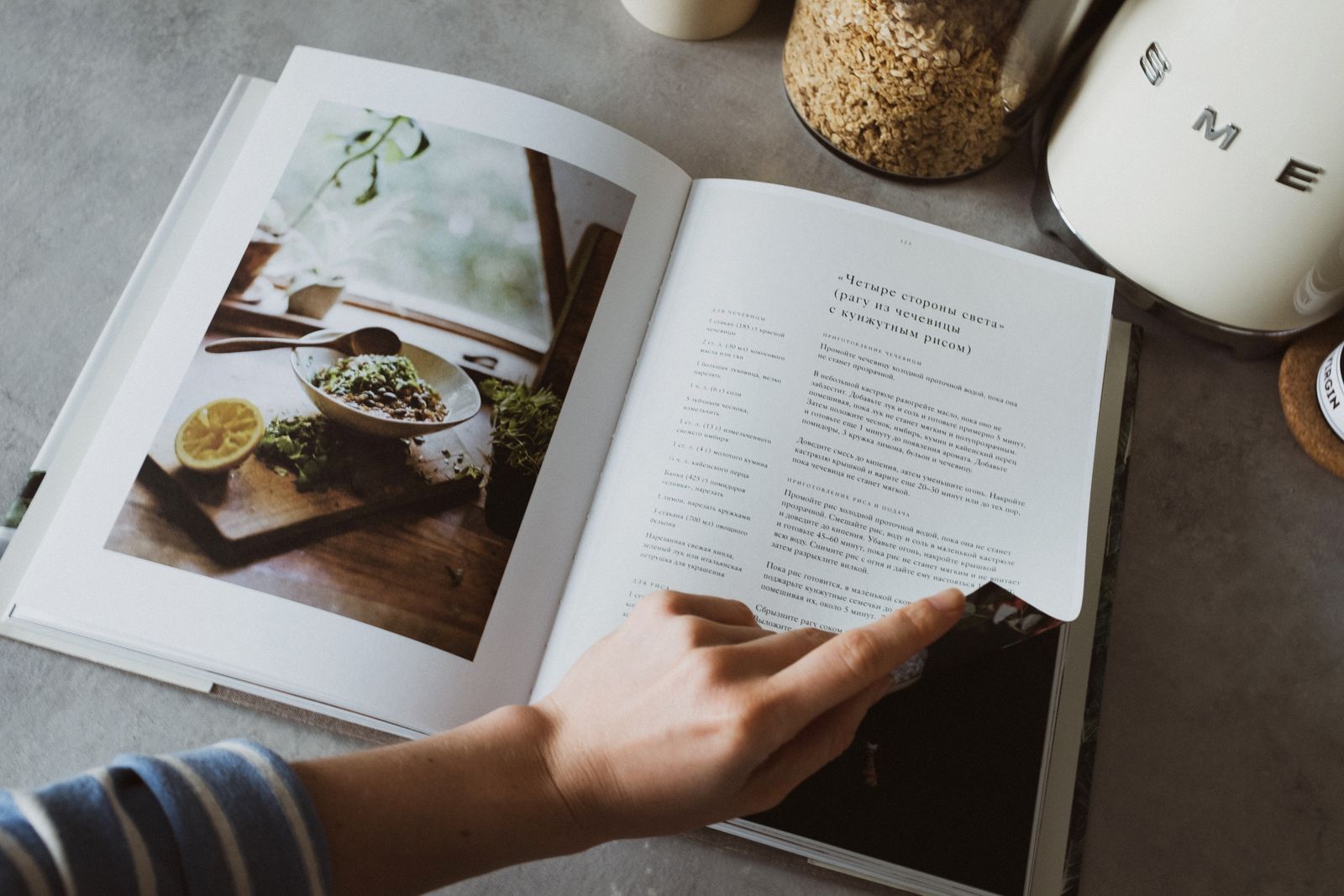
Useful notes identify an actual result or a decision for next time. Write used the smaller casserole and check fit before making again, rather than a vague good or bad. Include the date when a change matters to your memory, but avoid turning every meal into a detailed report.
If two people cook, agree where the current notes live. Crossing out ingredients on one printout while the other person follows a saved original creates confusion. Keep one working version and put retired versions in the archive only if there is a reason to retain them. The recipe index should point to the current version.
Use separate household notes for shopping and meal planning. A recipe collection helps you retrieve instructions; it does not need to contain every grocery receipt, pantry list, and calendar entry. Link the systems at the point where you choose meals rather than stuffing them into the same binder.
Review the collection when retrieval starts to slow
You do not need to reorganize recipes on a fixed elaborate schedule. Review the active section when you repeatedly skip entries, cannot find a favorite, or struggle to return pages. Move genuinely unused recipes out of the active set. Keep an archived family recipe for its meaning without pretending it is a current cooking staple.
Check broken web links when you discover them and replace the index entry with an accessible original source when possible. For a recipe you rely on, keep an authorized personal copy if the source permits it. Do not assume that a search result with the same dish name is the same recipe.
Finish the cooking sequence by returning the recipe to its address. A quick surface reset keeps stray pages from joining food packaging and school paperwork. Our after-dinner kitchen reset can hold that final step. Find broader organization ideas and Kitchen guides when you want to improve the surrounding setup. The collection has done its job when a cook can find the right instructions, use them, and put them back without a search.
