Most kitchens are organized by category because categories are easy to understand: mugs with mugs, pans with pans, spices with spices. But many households do not use the kitchen one category at a time. They make coffee, pack lunches, bake, unload groceries, cook dinner, and clean up.
That difference creates an important design question: should storage follow what an object is, or what the household does with it? For the broader setup, How Much Storage Is Enough? The Capacity Ceiling Method for Small Homes is a useful next read.
Category-based organization: the default
Category systems group similar objects together. All food-storage containers live in one cabinet. All baking tools live in one drawer. All mugs live on one shelf. If you are working on the same space, How to Organize a Small Freezer for a Family So Food Doesn’t Disappear for Six Months covers the next decision in more detail.
This approach is predictable and easy to teach. It also makes inventory visible because duplicates appear in the same place.
Where category storage performs best
- stable categories used for several different tasks,
- items shared across multiple cooks,
- backup or low-frequency equipment,
- households that value simple rules.
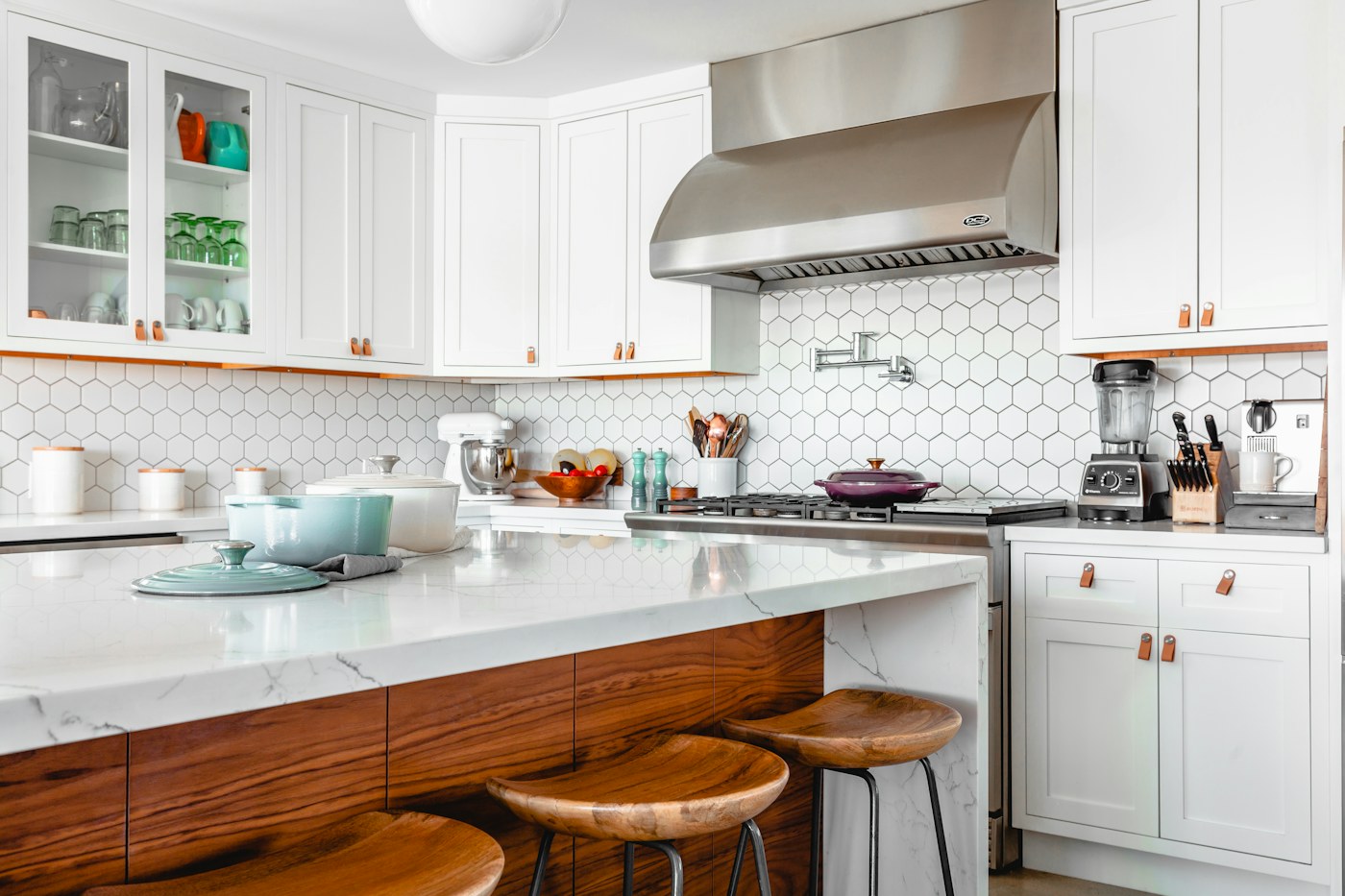
Task zones: storage around a repeated action
A task zone groups different categories because they are always used together.
A coffee zone may include mugs, filters, beans, spoons, and sweeteners. A lunch-packing zone may include containers, reusable bags, bottles, napkins, and snack bins.
This reduces movement because the user can complete a routine in one area.
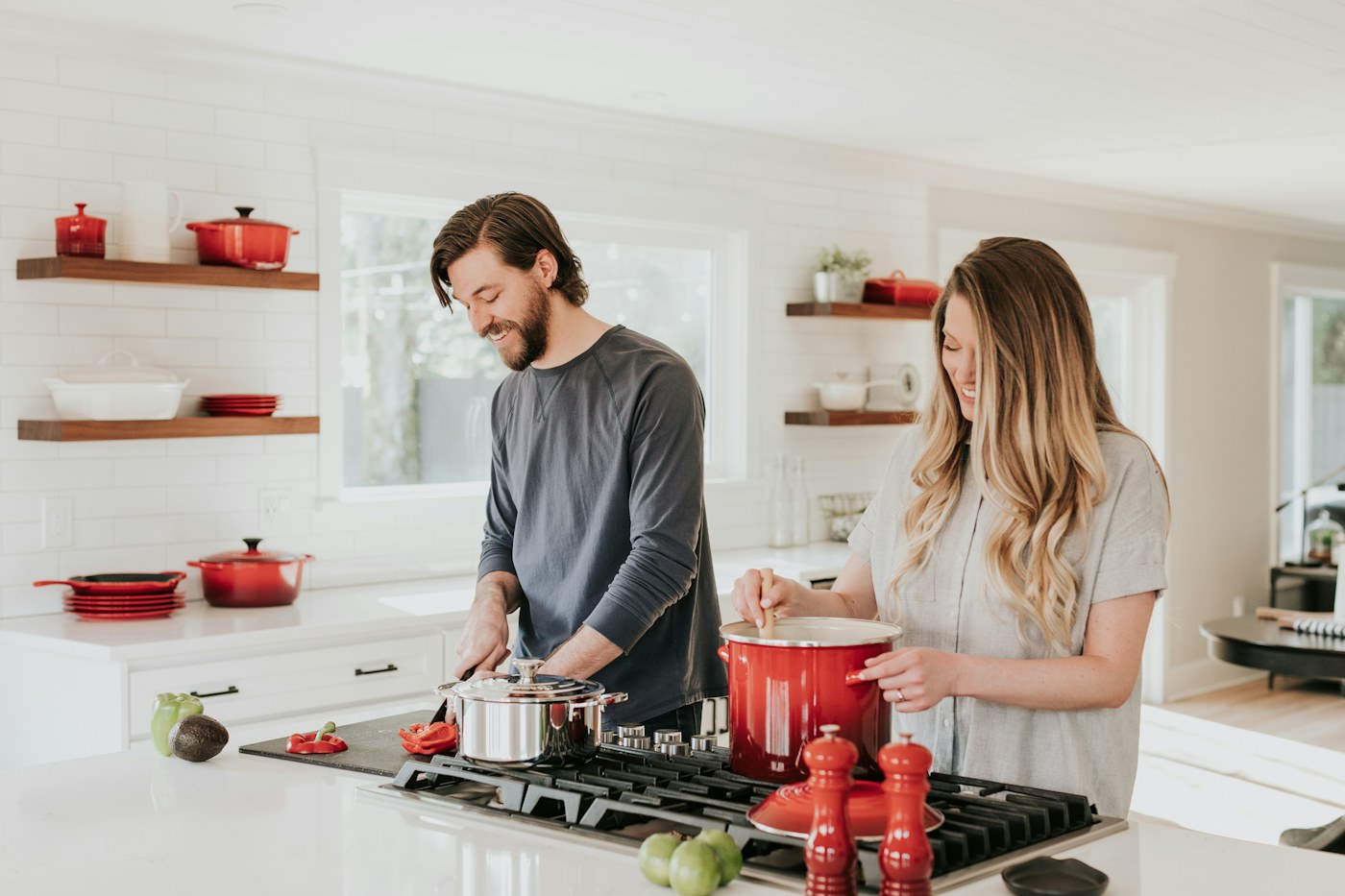
The efficiency advantage of task zones
Task zones are strongest when a routine happens frequently and uses several objects from different categories.
If every weekday morning requires walking between four cabinets to make coffee and pack lunches, moving those items closer together can remove dozens of repeated steps each week.
This is why the countertop appliance system should not be decided only by appliance type; frequency and task matter.
The hidden cost: duplication
Task zones can create duplicate inventory. One pair of scissors lives in the lunch zone, another in baking, another near packages. Two sets of measuring spoons appear because baking and cooking were separated.
Some duplication is reasonable when it removes major friction. Too much duplication means the zones have become mini-kitchens inside the kitchen.
Breakfast zone example
Breakfast is an ideal task zone when the household repeats the same pattern: coffee, cereal, toast, vitamins, lunch prep, or a few daily dishes.
Keep only the active breakfast layer there. Bulk cereal, backup coffee, and rarely used mugs should not consume the zone simply because they are related.

Lunch-packing zone example
A family lunch zone can bring together reusable containers, water bottles, snack bags, napkins, and shelf-stable snacks. For the broader setup, How to Organize a Small Fridge for a Family Without Overstuffing Every Shelf is a useful next read.
The benefit is not prettier storage. It is reducing morning decisions.
If these objects are already spreading across counters, the guide to storing lunchboxes, bottles, and reusable bags without kitchen clutter is a useful related system.
Baking zone example
Baking can justify a task zone if it happens regularly. Flour, sugar, measuring tools, mixer accessories, and baking sheets can be grouped by workflow.
If baking happens twice a year, giving it prime kitchen space is less compelling. Frequency should determine whether the zone deserves easy access.
Cooking zone example
Cooking zones benefit from proximity to the stove and main prep surface. Frequently used pans, utensils, oils, and spices should require minimal movement.
This does not mean storing everything beside the stove. Heat, safety, and available cabinetry still matter.

Cleanup zone example
Dishwasher tablets, dish soap, brushes, towels, and food-scrap tools belong near the cleanup sequence if safely and appropriately stored.
The zone should not become general cleaning-product storage. Kitchen cleanup is a task; the household’s entire chemical inventory is a different category.
Deep cabinets favor category logic
Deep storage is more difficult to manage as a complex task zone because unrelated items hide behind one another. Broad categories with pull-forward access are often stronger.
If depth is the main constraint, organizing deep kitchen cabinets so nothing gets lost should shape the system before task zoning.
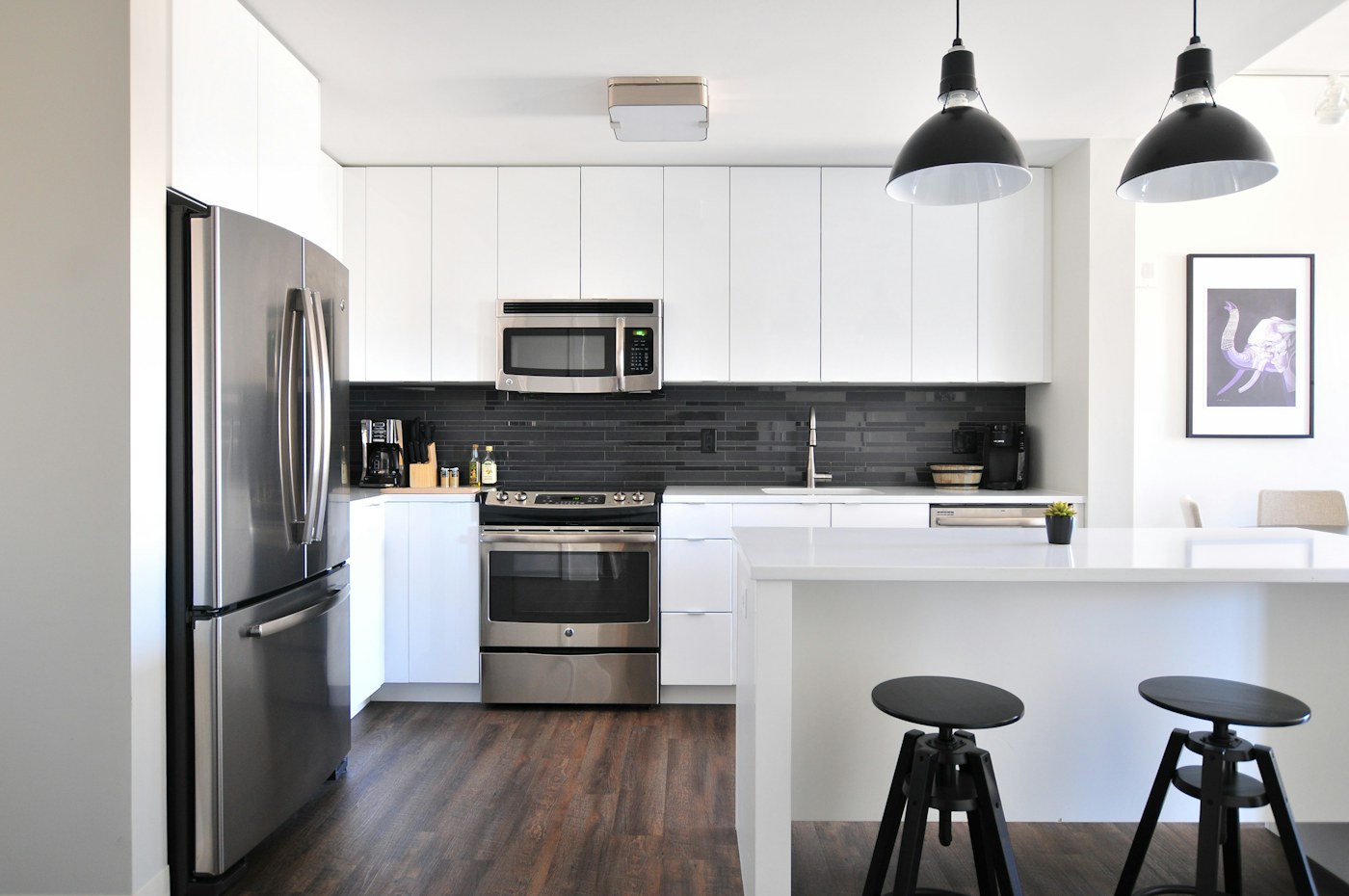
Countertops should not become permanent task zones by default
A task zone can exist inside a cabinet or drawer. Do not assume every repeated routine deserves countertop real estate.
The counter is shared work space. If the coffee machine, lunch station, bread basket, knife block, fruit bowl, supplements, and mail all claim permanent zones, there is no prep area left.
The existing guide to keeping kitchen counters clear is relevant because zones should protect work surfaces, not consume them.

Family kitchens need visible logic
A zoning system only works if several people understand it. Adults may appreciate a precise baking drawer, while children need a broad snack or lunch area they can reset independently.
Use zone names that describe the task plainly. “Lunch,” “Breakfast,” and “Baking” are more useful than decorative labels that require interpretation.
The hybrid method I recommend
Use task zones for routines that happen several times a week. Use traditional categories for everything else.
A small kitchen might have:
- one breakfast zone,
- one lunch-packing zone,
- one cooking zone,
- one cleanup zone,
- category storage for bakeware, serving pieces, backup food, and specialty tools.
This keeps the kitchen understandable without forcing every object into a workflow.
How to know a task zone is too large
Warning signs:
- the zone contains backups rather than active supplies,
- multiple tools are duplicated across zones,
- the zone occupies more counter than the task requires,
- other household members cannot explain where items return,
- the task happens too rarely to justify prime space.
A one-week test
Before buying organizers, move the repeated tools for one routine into a temporary box or shelf section. Use it for a week.
If the routine becomes noticeably faster and the items return easily, formalize the zone. If the box becomes mixed clutter, return to category storage.
This temporary test follows the same principle as the 20-minute organizer test: diagnose the workflow before buying a permanent solution.
Map the kitchen before moving anything
Stand in the kitchen and trace the path for three ordinary routines: make breakfast, cook dinner, and unload groceries. Note every unnecessary turn, cabinet crossing, or item carried across the room. Those repeated movements reveal where task zoning may help. If you are working on the same space, How to Create a Recycling and Trash Station in a Small Kitchen Without Losing a Cabinet covers the next decision in more detail.
This is more useful than reorganizing one cabinet at a time because a cabinet can look perfect while the room-level workflow remains inefficient.
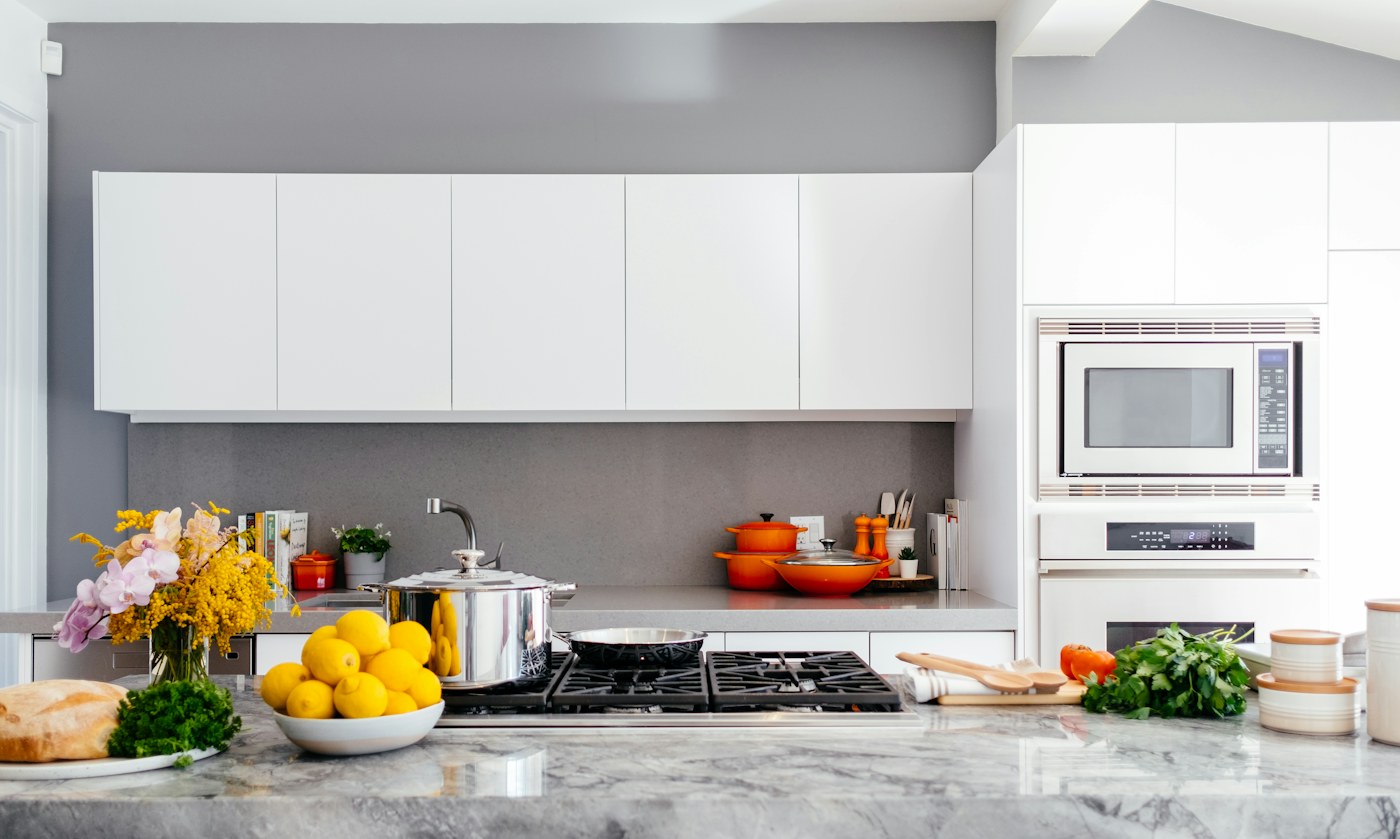
What changes in a galley kitchen?
Galley kitchens have strong linear movement and little spare counter depth. I prefer fewer, more obvious zones so two people can understand which side of the kitchen handles prep, cooking, cleanup, and storage.
Too many micro-zones make a narrow kitchen feel fragmented.
What changes in an open-plan kitchen?
Open-plan kitchens are more visually exposed. Task zones need to reset cleanly because the breakfast station or lunch zone may be visible from the living room all day. I would keep active items close but hide backstock and irregular packaging.
Use duplication as a diagnostic
If task zoning causes you to buy a second whisk, second scissors, second measuring set, and second roll of foil, pause. One duplicated tool may be justified; many duplicates suggest the zones are too isolated.
The kitchen should reduce movement without turning every routine into a self-contained kit.
Seasonal routines should not become permanent zones
Holiday baking, summer canning, school-lunch season, or frequent entertaining may temporarily change the kitchen. Use temporary baskets or shelf assignments for seasonal tasks instead of giving them permanent prime storage all year.
My expert conclusion
Category organization is the stronger default because it is simple, stable, and limits duplication. Task zones are a powerful exception when a repeated routine requires several categories together.
Use zones where they remove meaningful steps—breakfast, lunch packing, cooking, cleanup. Use categories for low-frequency and multi-purpose inventory. Keep counters protected, and review duplicated tools.
The best small-kitchen system does not force one organizing philosophy onto every cabinet. It uses the logic that makes each routine easiest to perform and easiest to reset.