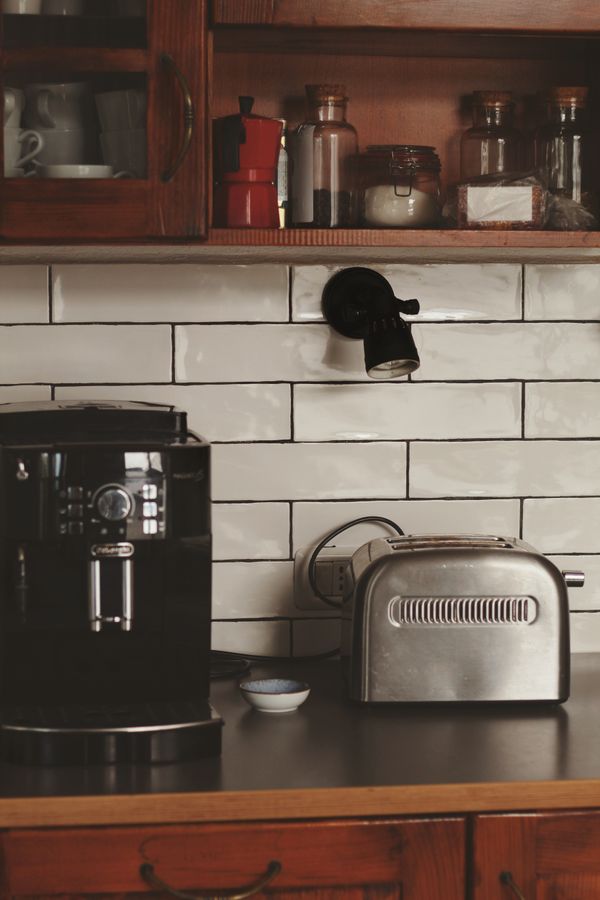
Small kitchens lose working space quickly when appliances become permanent residents.
A coffee maker, toaster, air fryer, blender, kettle, mixer, and rice cooker can each be useful. Together, they can leave almost no room to chop, plate, or pack lunches. If you are working on the same space, How to Set Up a Backpack Station for Two or More Kids in a Small Home covers the next decision in more detail.
The solution is to make appliances earn counter space by frequency and function.
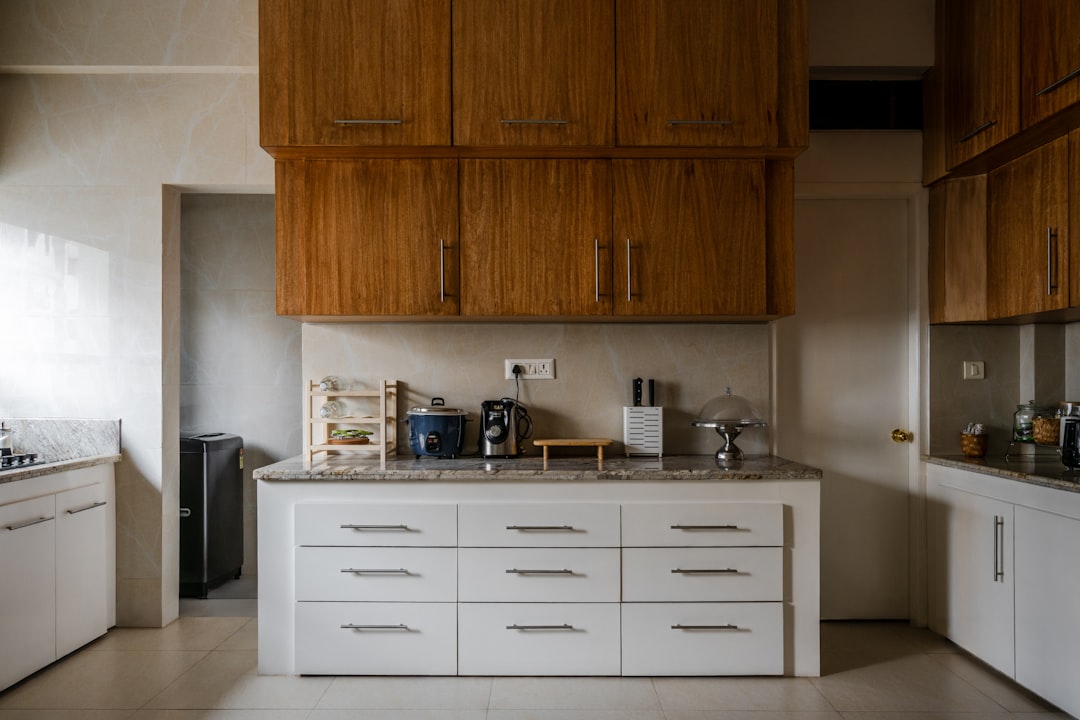
Choose the primary prep zone first
Before arranging appliances, protect the section of counter used for actual food prep. That surface should stay clearer than the rest. For the broader setup, How to Organize a Small Fridge for a Busy Family Without Losing Food in the Back is a useful next read.
Classify appliances by frequency
- Daily: candidates for permanent counter space.
- Weekly: keep nearby but not necessarily visible.
- Occasional: store in a cabinet, pantry, or low-frequency zone.
Keep related appliances together only when it helps
A coffee setup may benefit from grouping kettle, mugs, and coffee. A blender does not need to live there simply because there is an outlet.
Use appliance depth, not just width
Some appliances are narrow but very deep. Make sure doors, lids, and vents can operate according to manufacturer guidance without blocking the prep path.
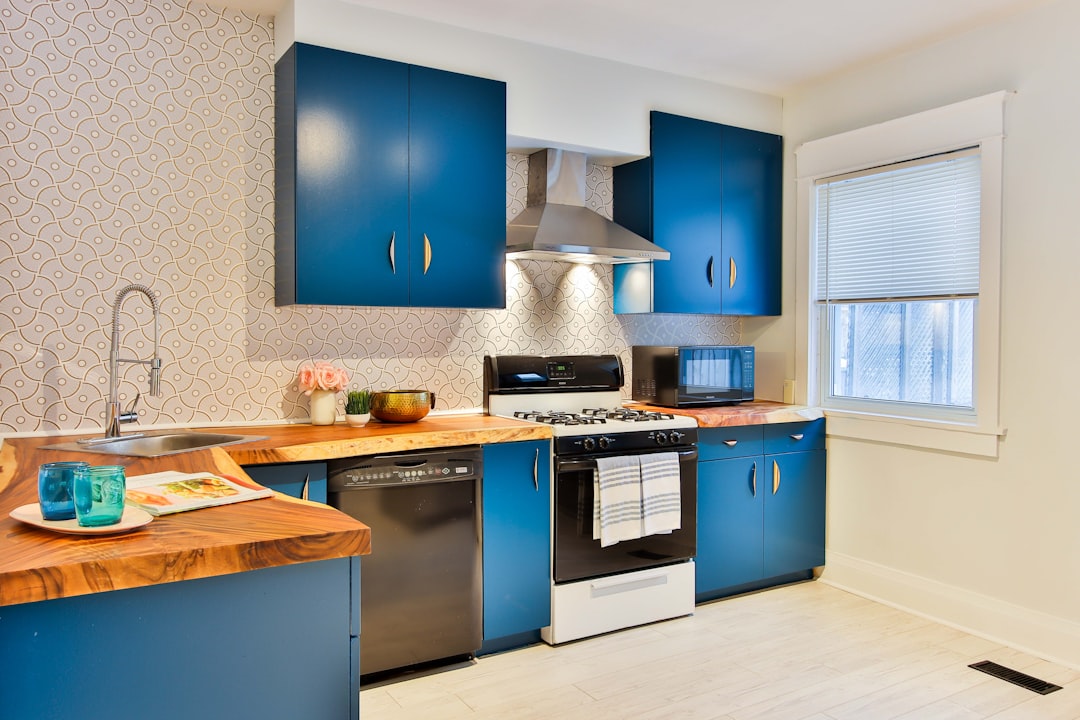
Do not stack unrelated tools around the appliances
Utensil crocks, cutting boards, mail, vitamins, and food packaging can make one appliance zone look like general counter storage. You may also find How to Organize Food Storage Containers and Lids in a Small Kitchen useful for a closely related small-home problem.
Give cords a controlled route
Keep only the active cords needed on the counter and follow appliance/electrical guidance. Avoid creating a tangle behind several machines.
Store low-frequency appliances where retrieval is realistic
A heavy mixer on a very high shelf may be technically stored but difficult to use. Match storage height to weight and frequency.
Use a one-out, one-review rule for new appliances
Before adding a new countertop machine, decide which existing appliance or tool loses space.
The 10-minute appliance reset
- clear the prep zone,
- return weekly appliances to storage,
- wipe appliance exteriors as appropriate,
- remove unrelated counter items,
- check that cords and vents are unobstructed.
Compare appliances by real use
For broader buying decisions, see Small-Space Appliances Worth Buying—and Which Ones Just Create Clutter.
Frequently asked questions
What appliances should stay on the counter?
Keep the ones used often enough to justify permanent space and that can be operated safely in that location.
Where should weekly appliances go?
Use an accessible cabinet, shelf, pantry, or nearby storage location.
What if I have almost no cabinets?
Reduce appliance count first, then consider one appropriate freestanding or renter-friendly storage solution if needed.
The counter is a workspace first
When appliances are sorted by frequency and the prep zone stays protected, a small kitchen can keep useful machines without becoming an appliance showroom. For a related step-by-step approach, see How to Make a Small Rental Kitchen Work When You Can’t Add More Cabinets.