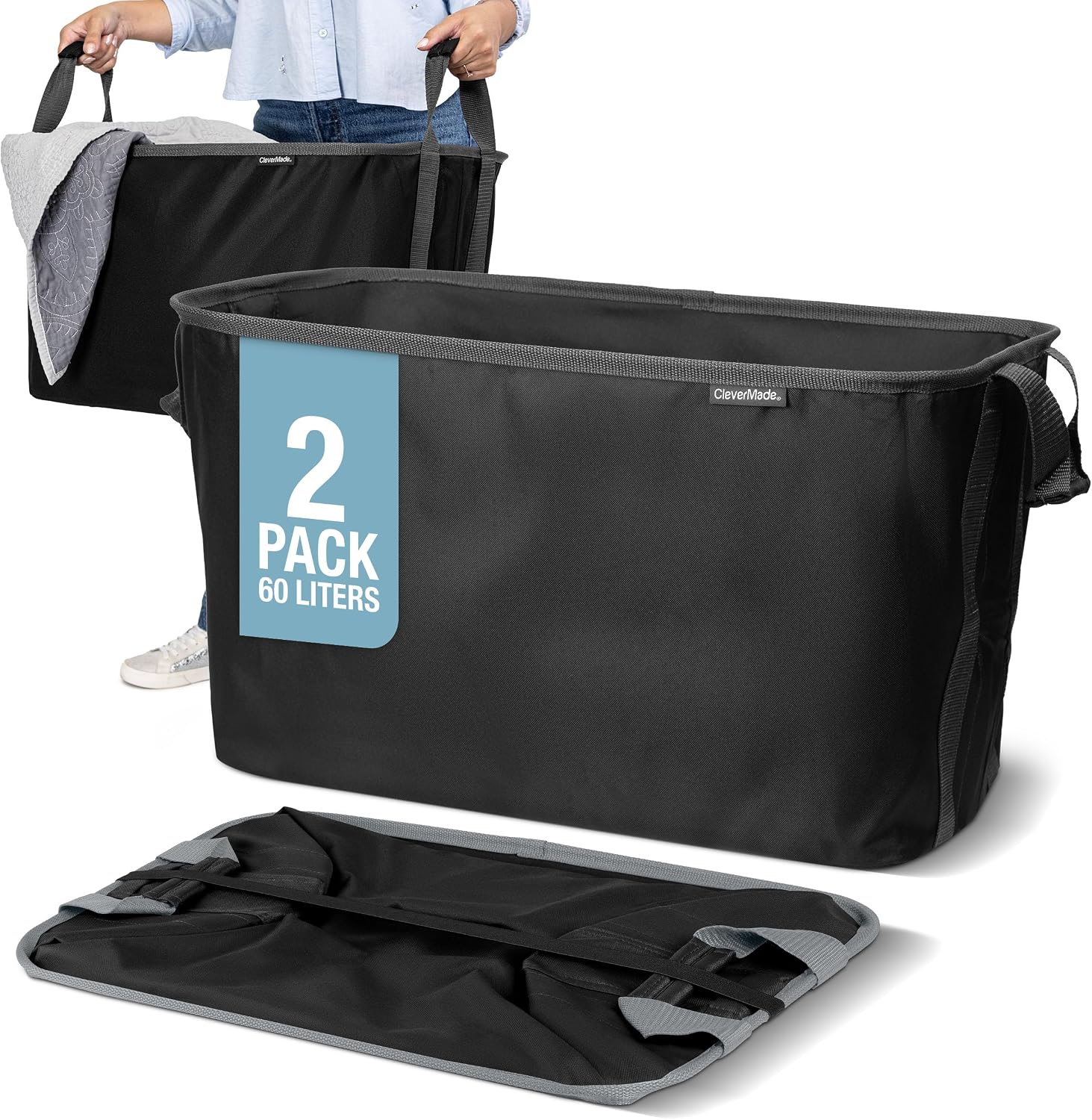
A laundry basket can help a small bedroom—or become one more piece of furniture filled with clothes.
The real issue is usually that clothes exist in several states: dirty, clean but not put away, and worn once but still usable. One basket cannot handle all three.
The system works when each state has a different destination.
Give each clothing state a destination, not another basket
| Clothing state | Destination | Exit rule |
|---|---|---|
| Ready for washing | The accessible dirty-clothes hamper | Check it at the next planned laundry window |
| Dry and suitable to wear again | One small hook, rail section or open zone | Wear it again or move it into the appropriate laundry route before overflow |
| Washed and fully dry | Its usual drawer or hanging space | Empty the transport basket rather than making it another dresser |
Place the dirty collection point near changing, but keep the bed access and door swing clear. Try the footprint with an existing container first. For a shared bedroom, assign each person a rewear boundary; sharing a dirty hamper does not require mixing everyone’s lightly worn clothes.
Use the rewear-zone guide for dry clothing worn once. If clean items cannot fit back into storage, start with the bedroom clothing reset. Only compare hamper designs after the destinations work.
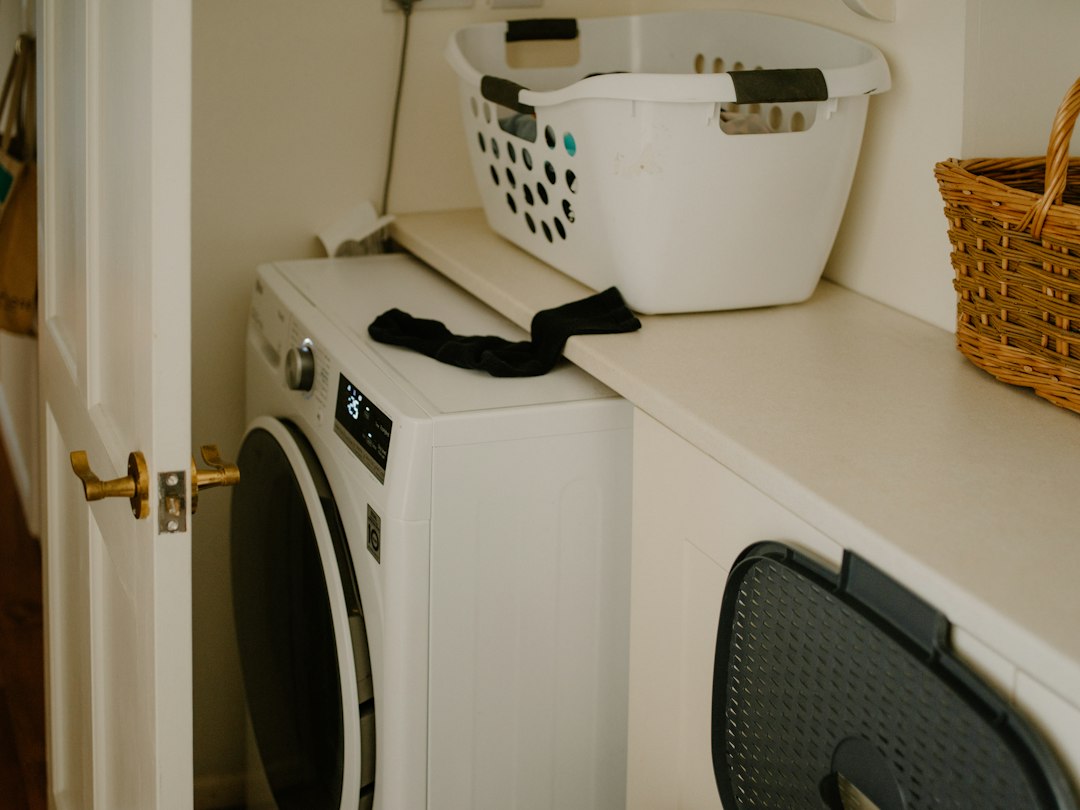
Dirty clothes need the easiest destination
Put the hamper where clothes actually come off, not where it looks best in a photo.
Wear-again clothes need their own small zone
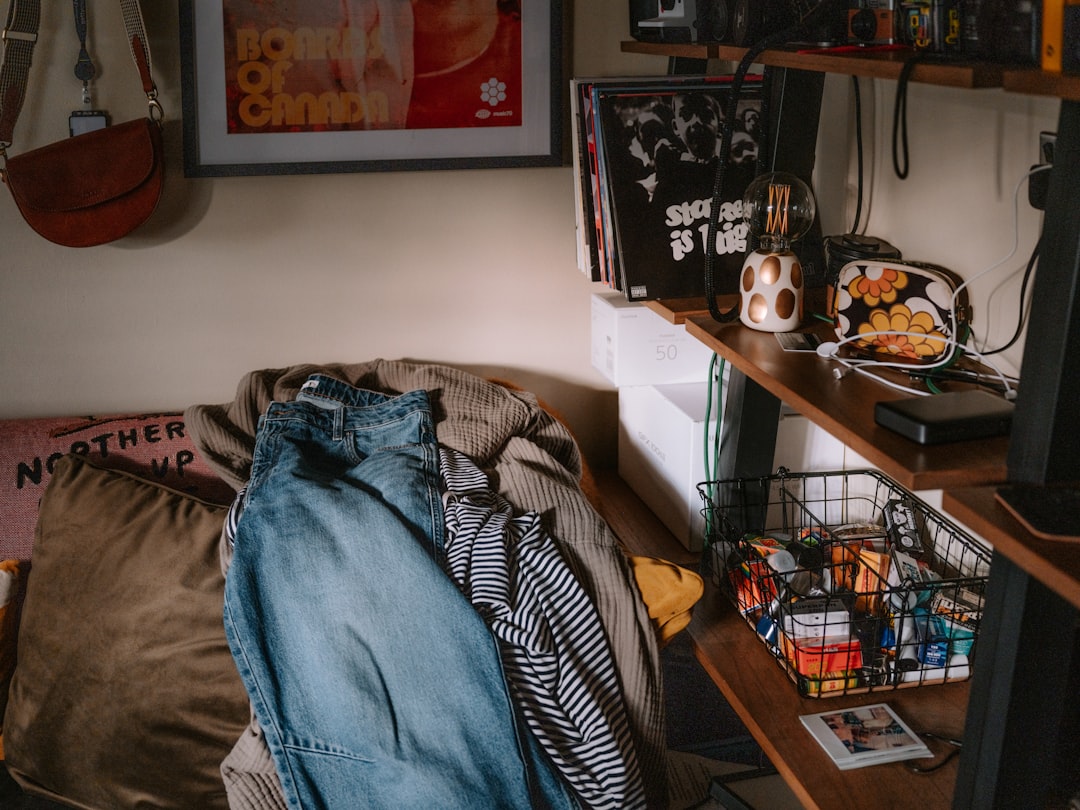
Use one hook, rail section, chair limit, or narrow basket. Keep the zone small enough that it cannot become a second wardrobe.
Clean laundry should not live in the bedroom basket
Once laundry is dry, it should either be put away or contained in one temporary clean basket with a clear put-away deadline.
Do not use multiple hampers unless sorting happens before wash day
Two or three hampers only help if the household genuinely sorts laundry that way. Otherwise they consume floor space.
Protect the walking path
The hamper should not sit where it must be stepped around every morning. Use a closet edge, wall-side footprint, or another predictable spot.
Use the collection limit as a planning cue
A marked level can remind you to check laundry before the basket overflows. It is not a washer-load measure. Select compatible items using care labels and the machine instructions, then check drying space and time to finish the load. Do not put the whole hamper in the drum just because it reached the line.
Use a portable basket if laundry happens elsewhere
If the washer is far from the bedroom, choose a basket that is easy to carry and has a parking spot when empty.
The three-state clothing reset
- dirty → hamper,
- wear again → small zone,
- clean → drawer/closet or temporary clean basket.
Connect it to the wider laundry system
Use How to Keep Laundry From Taking Over a Small Home.
Frequently asked questions
Should I keep a hamper in the bedroom?
Yes if that is where dirty clothes naturally accumulate.
What about clothes worn once?
Give them a separate, limited wear-again zone rather than mixing them with clean or dirty clothes.
How many laundry baskets do I need?
Use the fewest baskets that support your actual sorting and transport routine.
A good hamper system makes clothing states obvious
When dirty, clean, and wear-again clothes each have a clear route, the bedroom floor and chair stop doing the sorting for you.