There is one clothing category that defeats otherwise tidy bedrooms: clothes you have worn once but plan to wear again. They are not truly clean, so putting them back beside fresh clothes feels wrong. They are not ready for the hamper either. The result is predictable: a chair, bench, bed corner, or dresser top becomes a temporary wardrobe.
In a small bedroom, that “temporary” pile costs more than visual calm. It takes away one of the few useful surfaces in the room. My approach is to stop treating the pile as a bad habit and give the category a deliberately small home. For a related step-by-step approach, see How to Keep a Small Bedroom Nightstand From Becoming the Room’s Junk Drawer.
The problem is not the chair—it is the missing category
Most clothing systems have only two destinations: closet or laundry. Real life has a third state. Jeans worn for a few hours, a cardigan used at dinner, pajamas, a sweatshirt, or tomorrow’s school uniform may all be worn again before washing.
If the system does not acknowledge that state, people invent one. The chair pile is simply the most convenient unplanned container.
Step 1: decide what qualifies as “wear again”
The first rule is that this zone is not a second closet. It is a short holding area for a few items with a clear next use. Clothing that is visibly soiled, damp, sweaty, smoky, or strongly scented belongs in the laundry process rather than an in-between zone. You may also find How to Organize Baking Supplies in a Small Kitchen Without Creating a Second Pantry useful for a closely related small-home problem.
I like a simple question: Would I comfortably put this on again tomorrow? If yes, it may enter the rewear zone. If no, it leaves the bedroom workflow and goes to the hamper.
Step 2: choose one container based on how you dress
The best rewear system depends on the clothes you repeat. A household that reworns mostly sweaters needs a different solution from someone who repeats jeans, workout layers, or office clothes.
- Two or three wall hooks: best for jeans, hoodies, bras, robes, and tomorrow’s outfit.
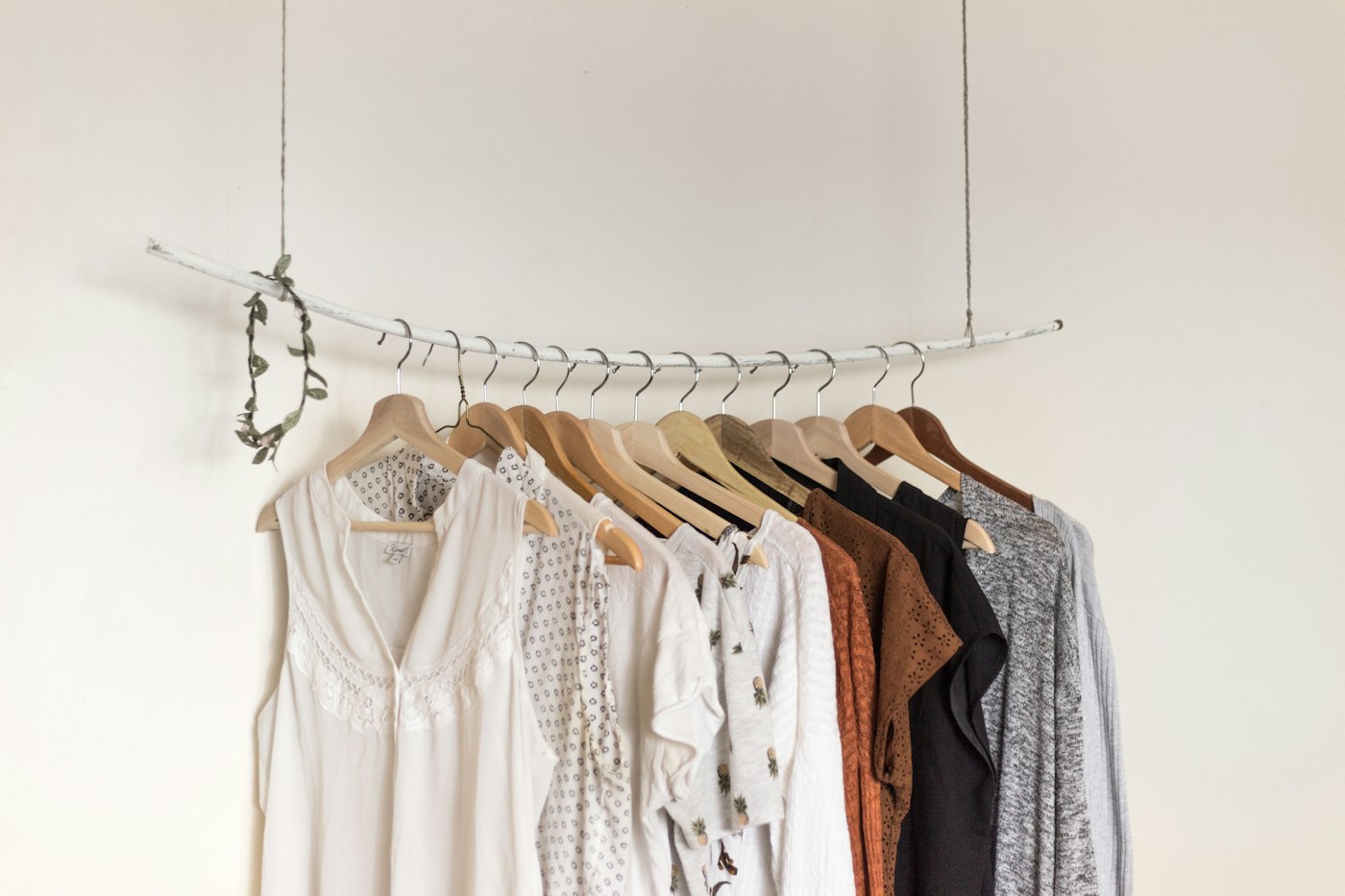
- A short valet rail: best when shirts or trousers should hang rather than fold.
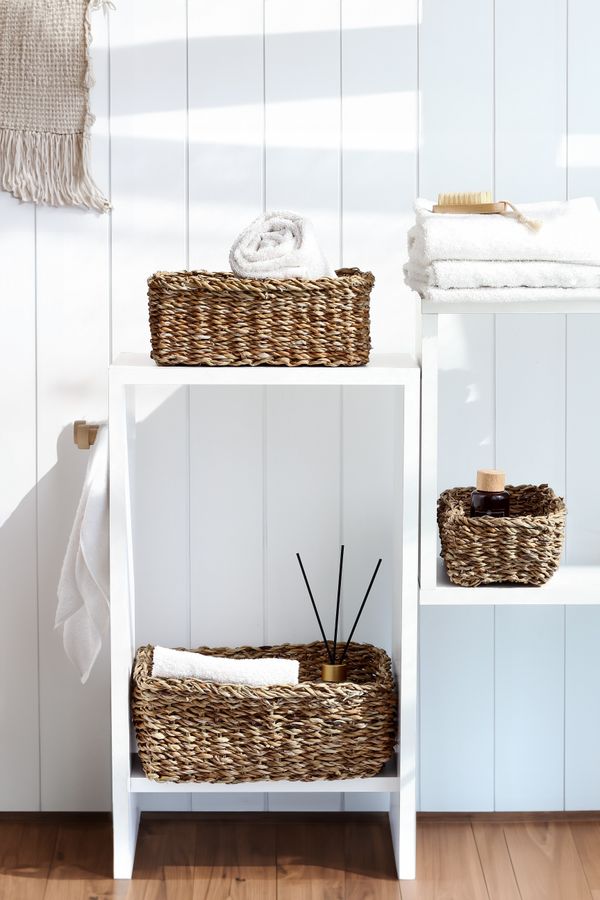
- One shallow open basket: best for soft casual layers that do not need to stay wrinkle-free.
- One designated shelf: useful if an existing closet already has a little breathing room.
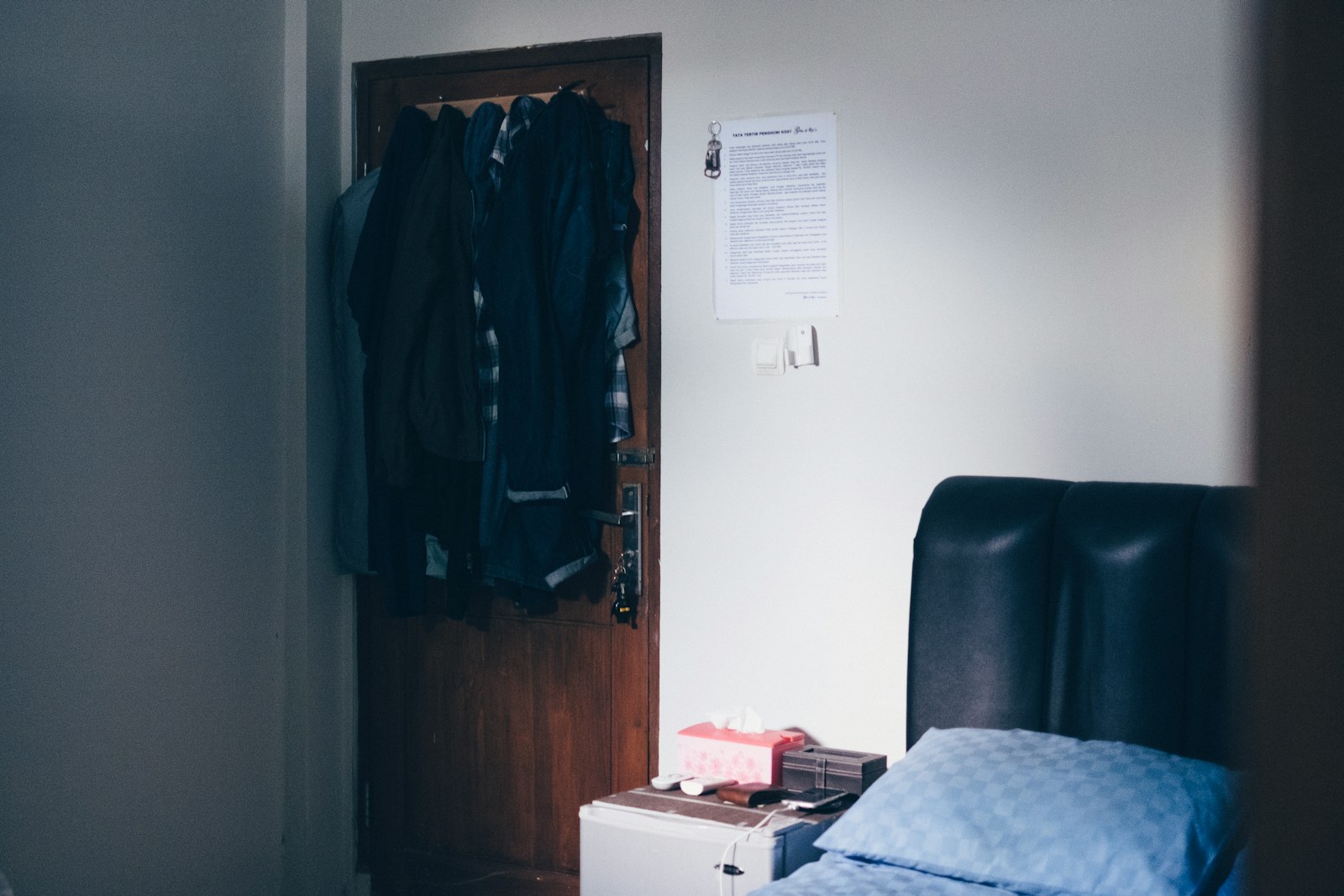
- A door-back hook: useful for renters only when it does not interfere with the door, trim, or hardware.
The key is choosing one, not installing every option.
Why I prefer open storage for this category
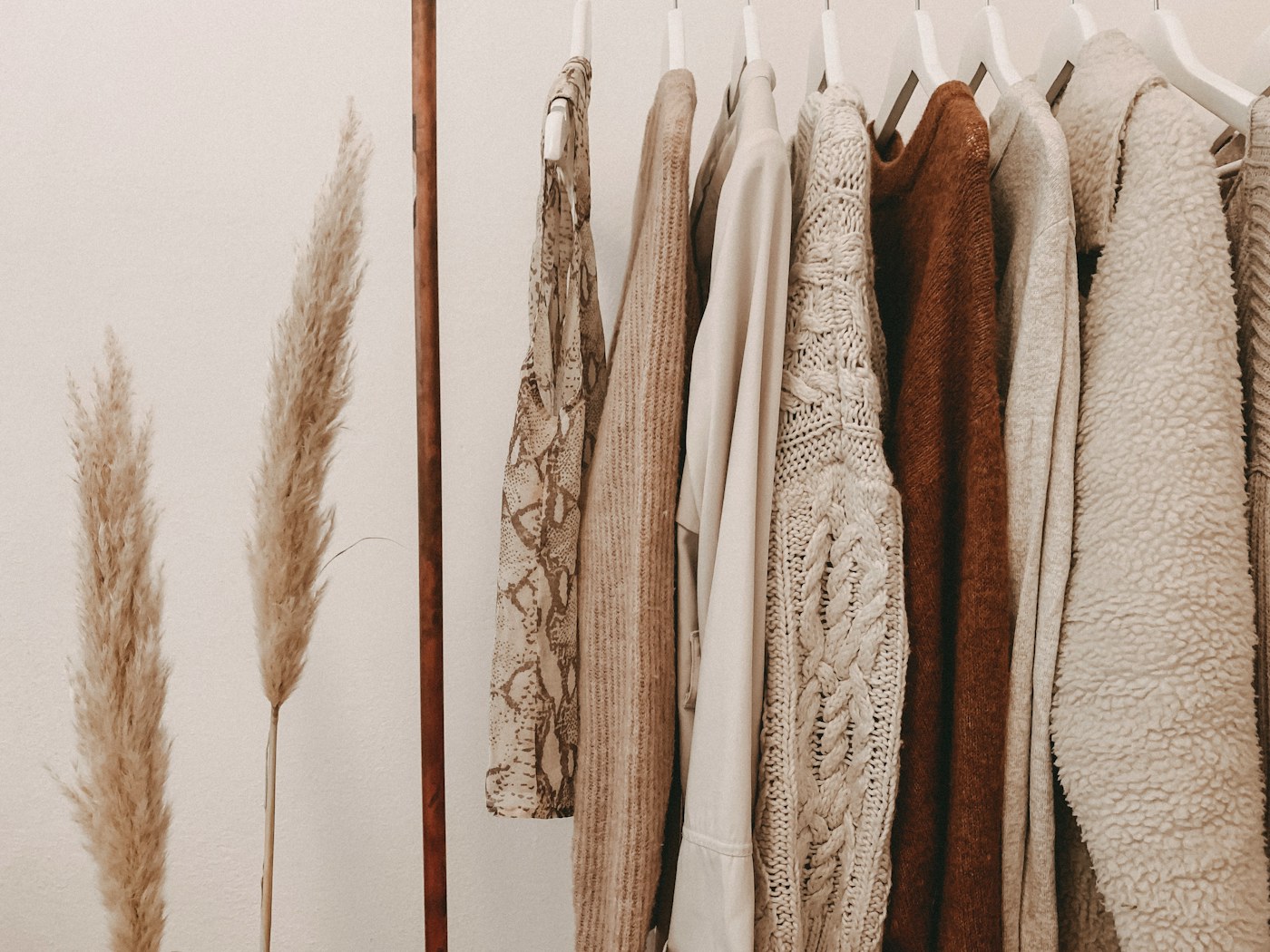
Rewear clothes are temporary. Closed drawers make temporary items easy to forget and can blur the line between fresh and worn clothing. An open hook, rail, or basket keeps the category visible enough to be used and small enough to reset.
Open storage also makes it easier to let garments air out before they are worn again. Avoid tightly packing damp items into a basket or closed bin.
The capacity limit matters more than the organizer
A rewear zone should have a hard ceiling. For many adults, that may be three to five pieces; for a child, perhaps tomorrow’s outfit plus one repeat layer. The exact number is less important than the physical limit.
When the hooks are full, something must move: wear it, wash it, or return it to normal storage if your household is comfortable doing so after airing. Do not add another hook to accommodate overflow. That turns a useful buffer into permanent inventory.
Use a “one-night reset,” not a weekly rescue
At the end of the day, give every worn item one of three destinations: laundry, rewear zone, or back to clean storage according to your household’s preference. This takes less than a minute when the destinations are obvious.
The longer you let the category accumulate, the harder it becomes to remember what was worn, when, and why it is still sitting there.
What to do with pajamas
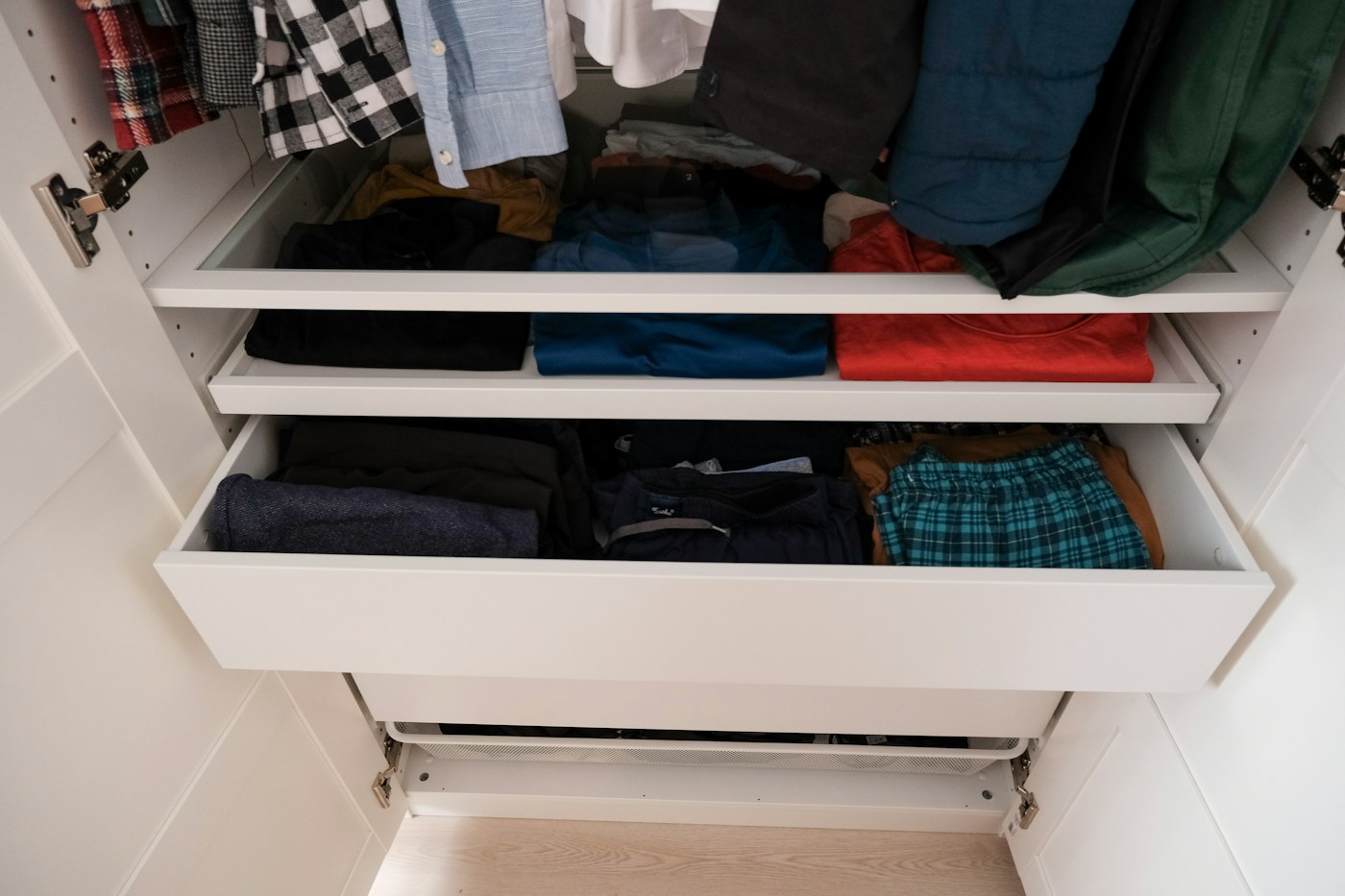
Pajamas are a special case because they are often reworn several nights and can easily become bed clutter. Give them one tiny location: a hook inside the closet, a bedside hook, or one section of the rewear basket. You may also find How to Organize a Small Nightstand So Bedtime Clutter Doesn’t Build Up useful for a closely related small-home problem.
Do not make the bed itself their storage location. In a small room, keeping the sleep surface clear has an outsized effect on how calm the entire space feels.
What to do with tomorrow’s outfit
If choosing clothes in the morning creates friction, let the same system double as an outfit staging zone. One hook can hold tomorrow’s outfit while the remaining hooks hold rewear items.
This works especially well for school mornings or early commutes because the organizer is serving a real routine rather than merely “storing clothes.”
For couples sharing a small bedroom
Do not create one large communal basket. Give each person a clearly bounded share: two hooks each, half a rail, or one small basket per person. Shared piles create ambiguity about whose clothing is blocking the system. For a related step-by-step approach, see How to Set Up a Laundry Basket System for a Small Bedroom.
If the closet itself is the bigger problem, see How to Organize a Shared Small Closet for Two People.
For children and teens
Place the system where the child can actually reach it. A beautiful high hook is useless if an adult must hang every sweatshirt. For young children, an open basket or low peg can be easier than hangers.
For teens, the rewear zone can reduce the common “floor wardrobe” only if it is faster than the floor. Keep the rule simple and capacity small.
Should worn clothes go back in the closet?
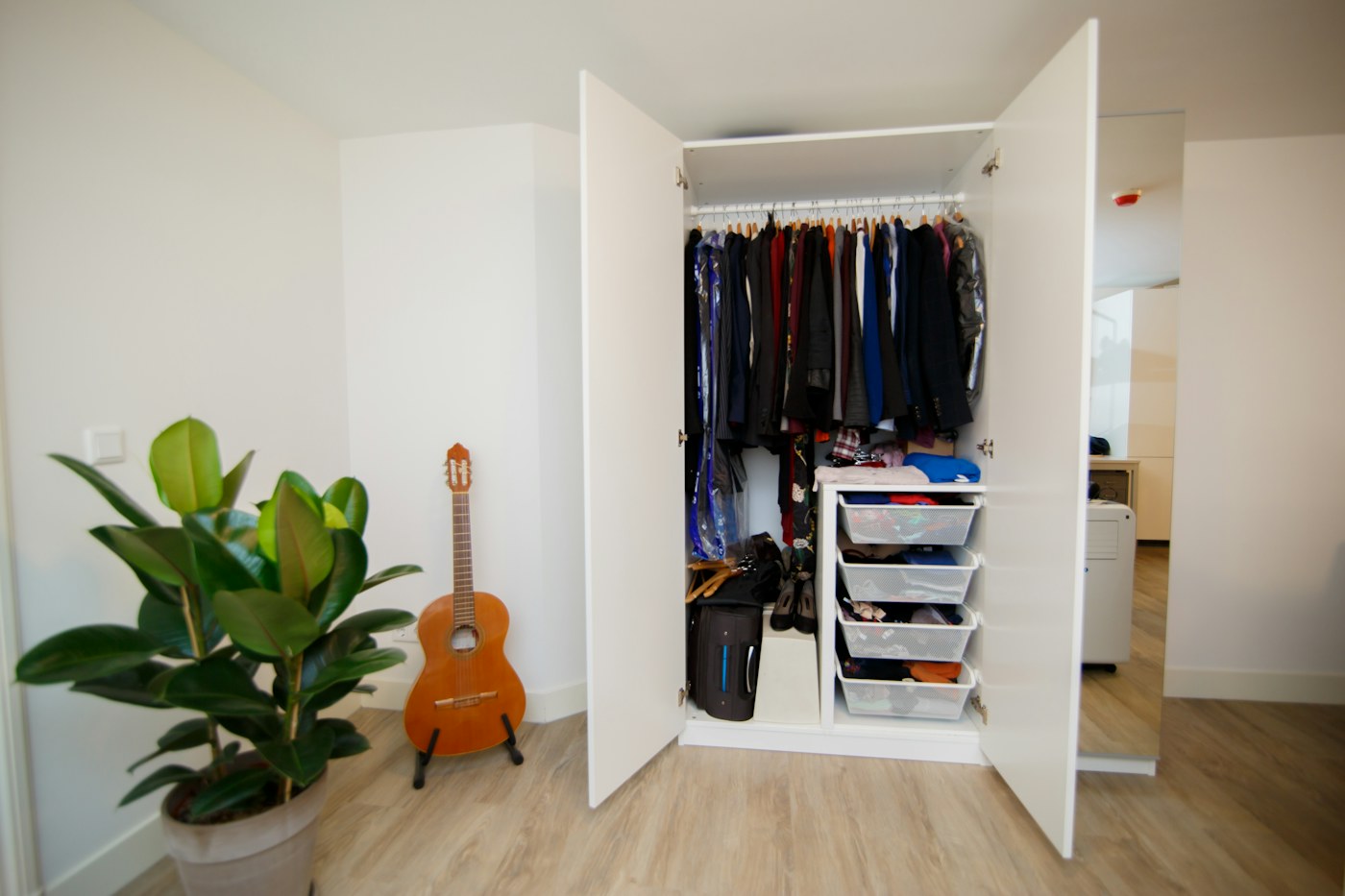
There is no single universal household rule. Some people are comfortable returning lightly worn items after airing; others prefer to keep all worn clothing separate from freshly laundered pieces. The important thing is consistency.
If you do return items to the closet, consider grouping them at one end of the rail or using the same hangers facing a consistent direction. If you keep them separate, a compact rewear station works better than a vague chair pile.
Do not solve a five-item problem with furniture
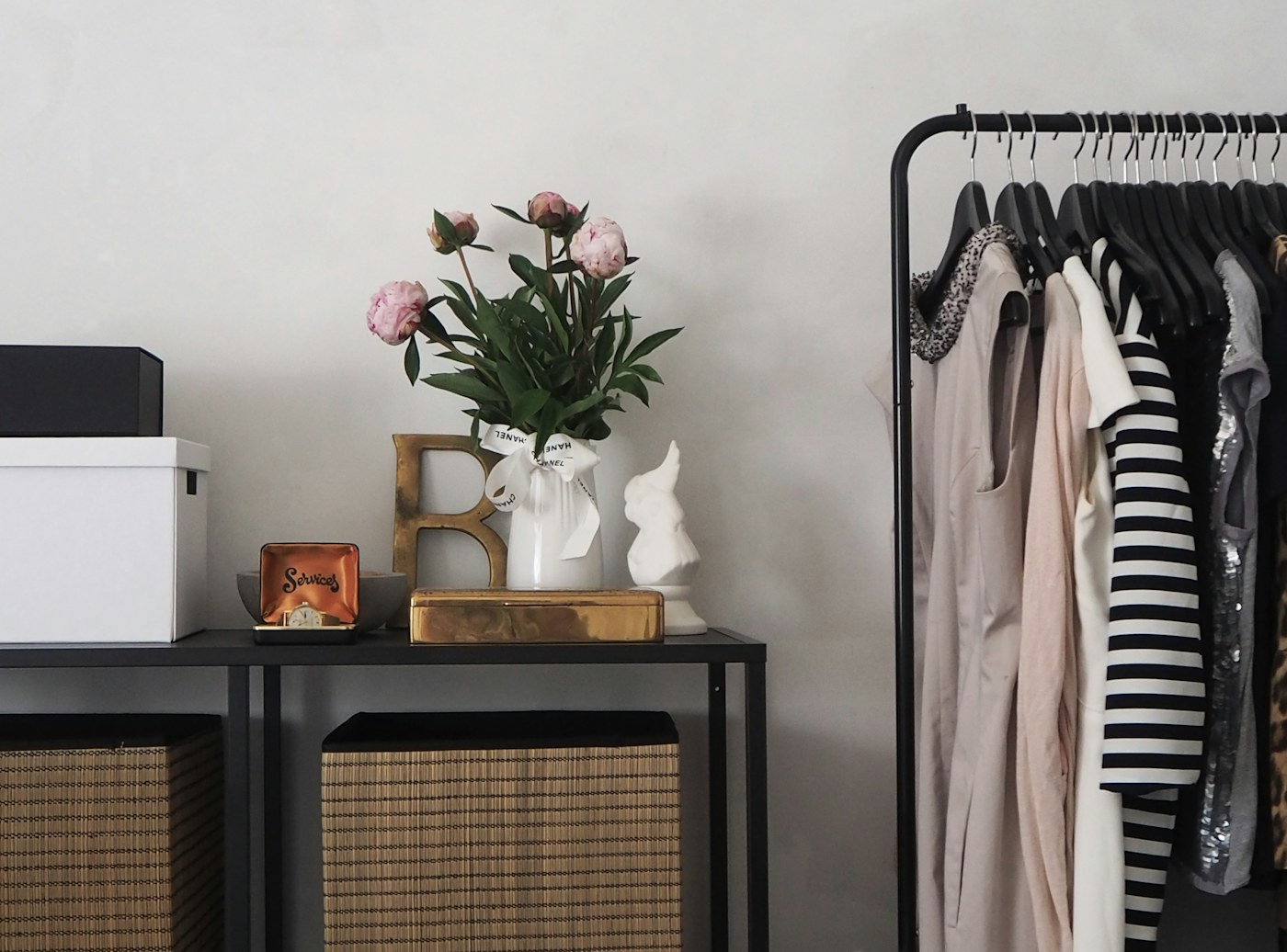
A clothes ladder, valet stand, bedroom bench, or extra rack can look attractive online, but each consumes floor area. In a small bedroom, I would add freestanding furniture only if it replaces another function too.
Start with existing vertical space: the side of a wardrobe, inside of a closet door where appropriate, a safe wall location, or one shelf you already own.
Fold or hang? Match the method to the garment
Jeans and hoodies tolerate hooks well. Knitwear may stretch on a hook and is often better folded loosely. Shirts that wrinkle need a hanger or rail. Bras and sleepwear can work in a shallow basket.
For the broader closet decision, compare the trade-offs in Fold vs. Hang Clothes in a Small Closet.
What if the chair pile returns?
Do not immediately blame the household. Diagnose the failure:
- If clothes are beside the rewear hooks, the hooks may be too high or inconvenient.
- If the zone is always full, the capacity rule is not being enforced.
- If clean and worn clothes mix, the destinations are too visually similar.
- If clothes land on the bed, the system may be too far from where people undress.
- If everything becomes “wear again,” laundry frequency or clothing volume may be the real issue.
A five-minute reset when the pile is already out of control
- Pick up one item at a time.
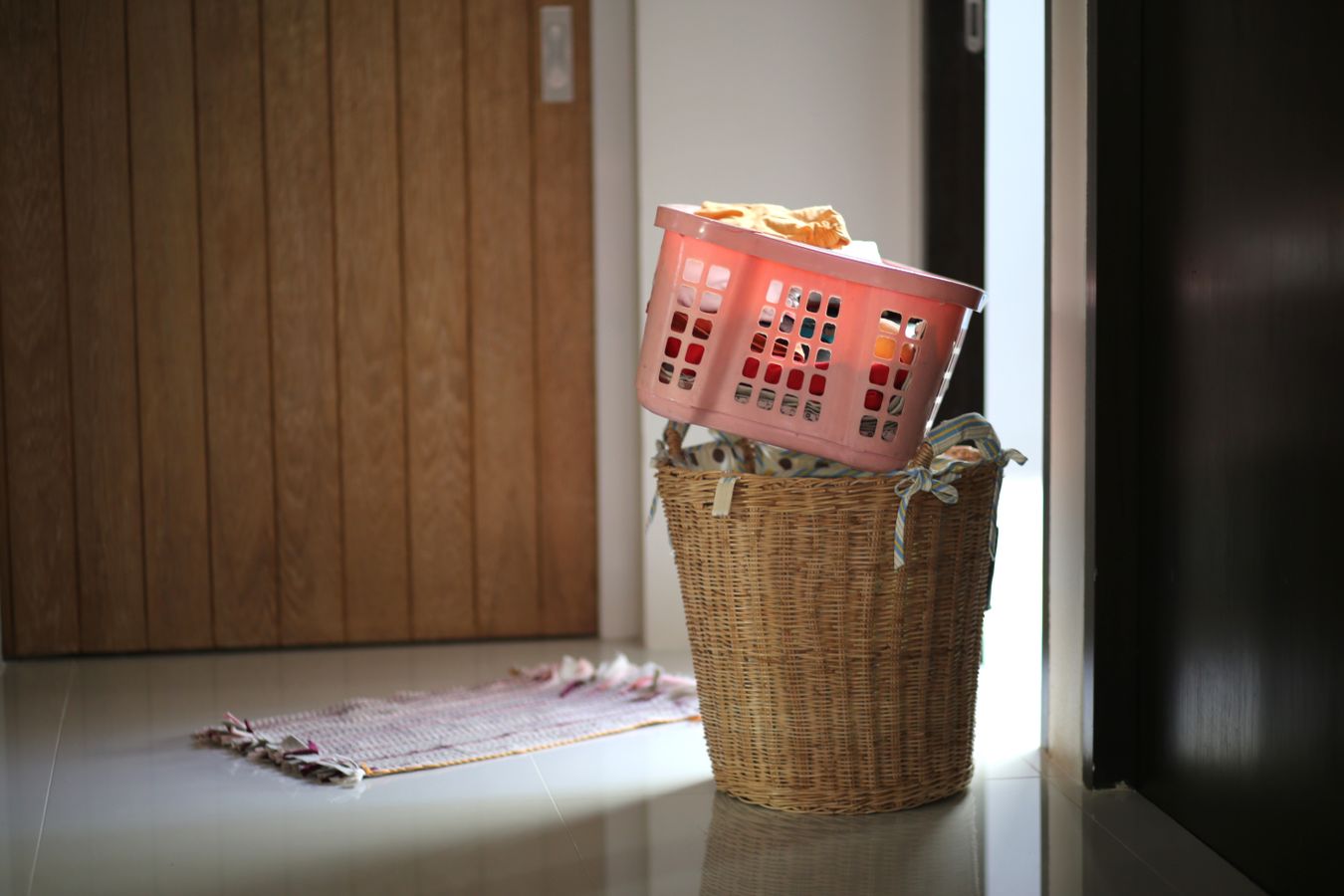
- Send obvious laundry directly to the hamper.
- Return truly clean items to normal storage.
- Choose only the few pieces you realistically expect to wear again soon.
- Put those pieces in the rewear zone.
- Clear the chair completely and restore its real job.
If bedroom laundry is the recurring bottleneck, the bedroom laundry basket system addresses the dirty-clothes side of the workflow.
My small-bedroom rule
The rewear zone should be smaller than you think you need. Its job is not to store a week of clothing. It is a pressure-release valve between closet and hamper.
When it works, the chair becomes a chair again, the bed stays clear, and the bedroom no longer needs a nightly archaeology session to identify what is clean, dirty, or somewhere in between.
Frequently asked questions
Can I use a basket for worn-but-not-dirty clothes?
Yes, if the clothing is dry and the basket stays shallow enough that items do not disappear at the bottom. Open baskets are generally easier for this temporary category than deep lidded bins.
How many rewear items should I keep?
Use the smallest capacity that matches your real routine. A few hooks or one small basket is usually more useful than an open-ended pile.
What is the best option for renters?
Use existing furniture, a freestanding hook solution, or renter-appropriate hardware that complies with your lease and manufacturer instructions. Avoid assuming an adhesive product is safe for every painted surface.