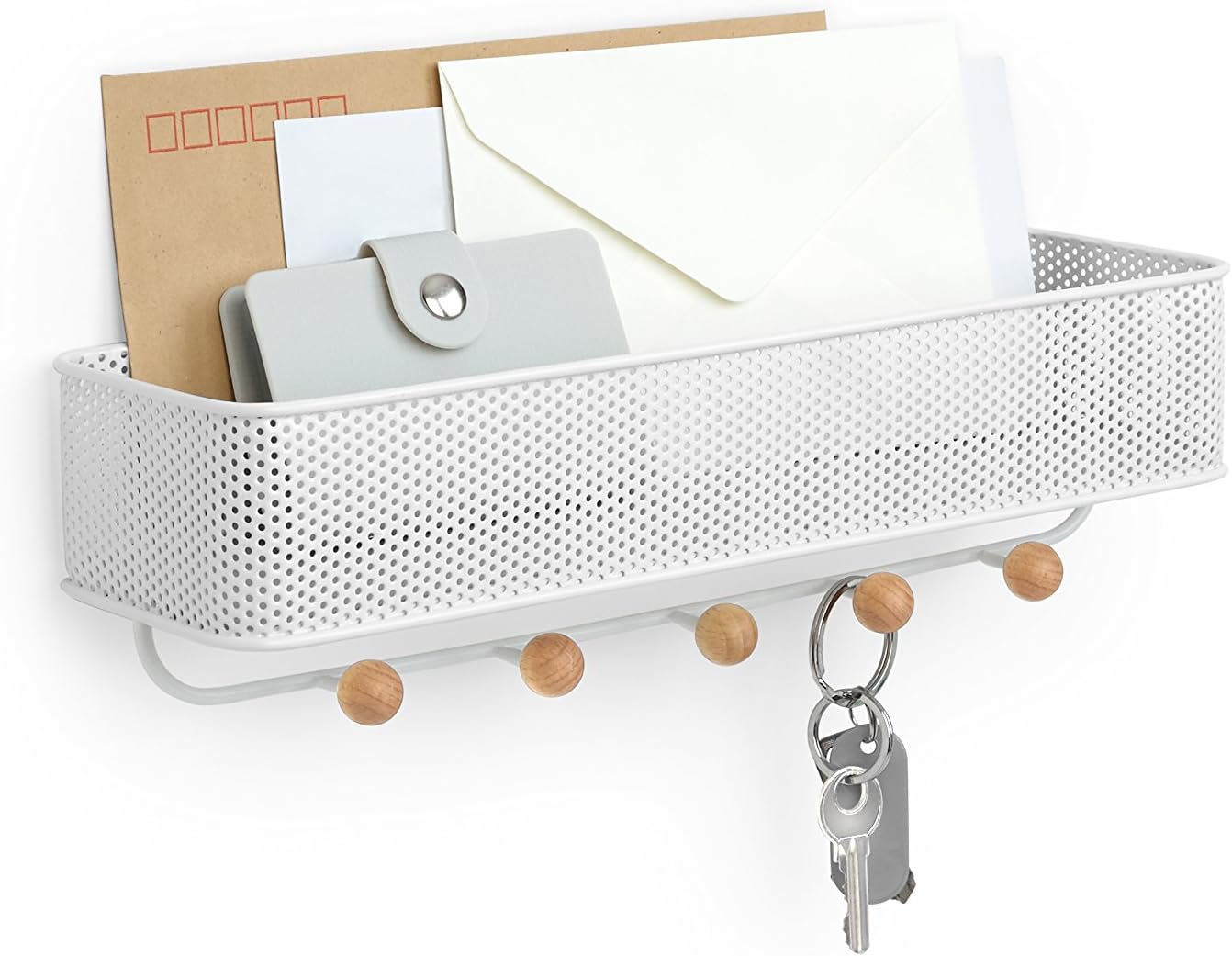
An unfamiliar key can remain in a household drawer for years because nobody wants to discard something that might still be needed. Meanwhile, the spare that actually opens the current front door may be borrowed from the daily keyring whenever someone asks for it. The useful distinction is between a verified spare, a key with an unresolved purpose, and a key that belongs somewhere else.
Make that distinction before buying a key organizer. Identify only locks and keys you are authorized to use, keep the everyday set available throughout the task, and record the result in language the household understands. This is an identification and return routine, not a guide to copying keys or working on locks.
Separate today's keys from the collection being reviewed
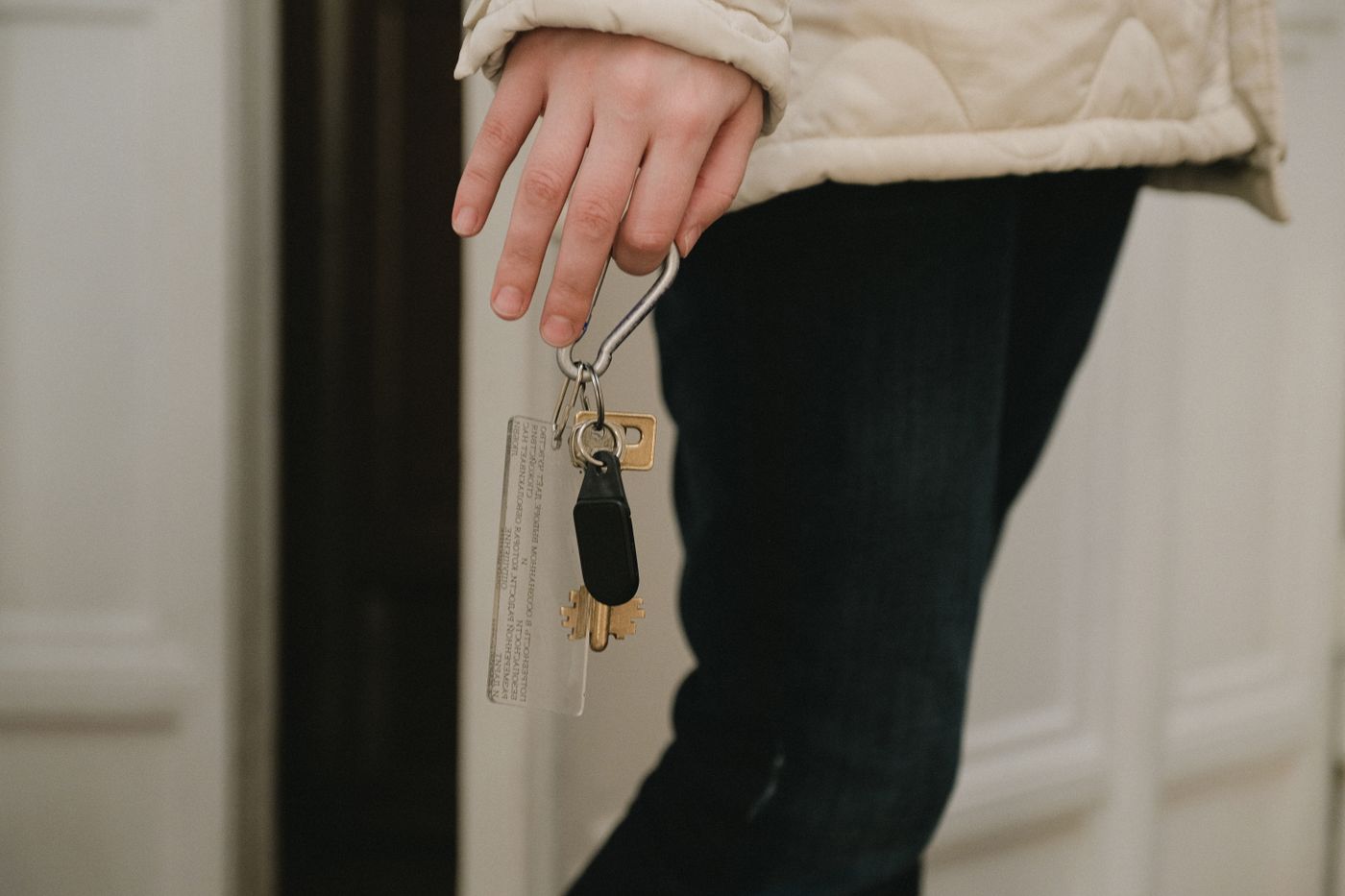
Keep each person’s current daily keyring intact unless they agree to a change. A working ring can contain several access items with different owners and purposes. Removing everything at once creates avoidable confusion and can leave someone without their normal set.
Gather the loose keys you reasonably believe belong to your household. Do not add keys from another person’s private belongings or treat a visitor’s forgotten key as a new spare. An unclear ownership question should be resolved before a lock-identification task begins.
Choose a small temporary work area where the collection can remain separated. Use distinct positions or suitable containers for confirmed spares, unresolved keys, and items awaiting return. Keep the groups identifiable if you have to stop halfway through.
The Houzz fall 2026 report describes homes arranged for continued use. Making an existing spare-key collection understandable is our practical application of that longer-term perspective. The report does not identify spare-key organization as a measured search trend or establish a security standard for your home.

Start with what the household already knows
Ask the people responsible for the current locks which spares are known to work. Keep the answer attached to the actual key rather than remembering that the small silver one was probably for a cabinet. Similar appearance is not a reliable substitute for an established identity.
Record the purpose in plain language appropriate to your household, such as a particular interior cabinet or the current entry-door lock. Distinguish a building entrance from an apartment entrance when those are separate locks. Avoid recording sensitive identifying information on something that may be carried outside.
A decorative charm can help someone recognize a ring, but it does not verify the keys attached to it. Likewise, a color cover or printed number should be treated as an existing clue rather than proof. The same cover may have been moved from an older key.
If you keep appliance and household records, a concise reference to the relevant current lock information can live with those records. There is no need to expose a detailed access inventory in a public-facing display simply to make the drawer look organized.
Verify a permitted key without forcing an uncertain lock
Use the lock maker’s directions and your normal authorized access process if a working check is appropriate. Keep an established means of access available and avoid a situation in which the check could lock someone out. Do not dismantle, modify, or force a lock as part of identifying a spare.
A key that does not operate normally should not be repeatedly pushed or turned harder. Its purpose may be wrong, it may be damaged, or the lock may need professional attention. Leave the result unresolved and ask the responsible person or an appropriate locksmith when needed.
For a rented or shared property, clarify any ownership or management question with the person responsible for access. Do not assume that finding a loose key authorizes duplication, distribution, or changes to a building’s access arrangements. This guide does not interpret lease terms or local rules.
Record only what was established. “Purpose not confirmed” is more useful than a confident label based on one partial movement in a lock. Uncertainty belongs in its own group until someone can resolve it appropriately.

Give each confirmed spare an understandable identity
Choose a suitable tag, packet, or other identification method that does not interfere with normal operation or damage the key. The label should connect the key to its purpose without requiring someone to remember an elaborate color code. Keep the wording consistent with the household’s own names for doors or storage.
If several identical spares are retained, record how many are present in that storage location. Do not count a key already entrusted to someone else as though it is available in the drawer. An inventory is useful only when it describes where the items actually are.
Separate the spare set from the daily set. That does not require two new organizers; it requires two distinct roles. A daily keyring should stay manageable, while a spare needs an agreed, appropriate storage location accessible to the people permitted to use it.
A magnetic key-rack review considers one possible everyday return point. It does not decide where a household should store spares or establish a secure arrangement for every home. Choose the spare location according to the actual access needs and existing household arrangements.
Keep an unresolved group small and purposeful
An unidentified key needs a next step rather than permanent membership in a mystery jar. Write down the reason it remains uncertain and who might be able to identify it. A key from a previous property, an old cabinet, or a borrowed lock may need a different conversation.
Keep those keys separate from the ready collection while you investigate. Otherwise, someone looking for a verified spare may take an unresolved key simply because it is nearest. The point of separation is to preserve the meaning of ready.
Do not discard, pass on, or alter another person’s key merely to finish the sort. Resolve ownership first. For keys genuinely no longer needed, follow the relevant owner’s or issuer’s instructions for return or disposal.

Our borrowed-book return system concerns a different object, but its ownership principle is useful: something awaiting return needs a named destination and a real handoff. A container marked miscellaneous does not make that return happen.
Track availability separately from key identity
A known spare can be correctly identified and still unavailable because it is with an agreed holder. Keep that distinction in the household’s appropriate private record. An organizer should not imply that every listed spare is physically present.
| State | Useful record | Next action |
|---|---|---|
| Confirmed and present | Understood identity and agreed storage location | Keep the normal household arrangement understandable |
| With an authorized holder | The agreed handoff and whether return is expected | Update availability when the arrangement changes |
| Returned | The expected item has been identified appropriately | Close the old handoff note and restore its actual status |
| Purpose or ownership unresolved | What remains unknown and the responsible person to ask | Resolve it outside the ready spare group |
This record documents an existing agreed arrangement; it does not grant access or authorize copying. Keep sensitive access details out of public-facing labels or shared displays. Follow the relevant owner or issuer’s process when a key is missing or a lock changes.
Use the daily landing-zone plan for everyday belongings only where appropriate. Do not choose a spare-key location solely because an entry tray is convenient for the daily ring.
Review spares when something actually changes
A lock change, move, cabinet replacement, or new sharing arrangement is a useful trigger to review the relevant keys. You do not need to retest the whole collection every week. Update the part affected by the change and keep the rest of the system understandable.
Store the confirmed collection with a practical boundary, alongside other appropriately managed small household maintenance supplies only when that location suits the access arrangements. Do not enlarge the storage merely because unresolved keys have accumulated again.
Finish by checking that daily sets remain available, confirmed spares are clearly distinguished, and every uncertain key has a next action. The result is a household that knows what it can rely on, without treating every old key as either essential or disposable.
Explore related decisions in our Home Organization hub.
Sources and editorial scope
Editorial research checked October 28, 2026. Published trend reports are context for these editorial applications, not verified live keyword rankings. Practical household guidance; photographs do not document a tested household or authenticate pictured materials.