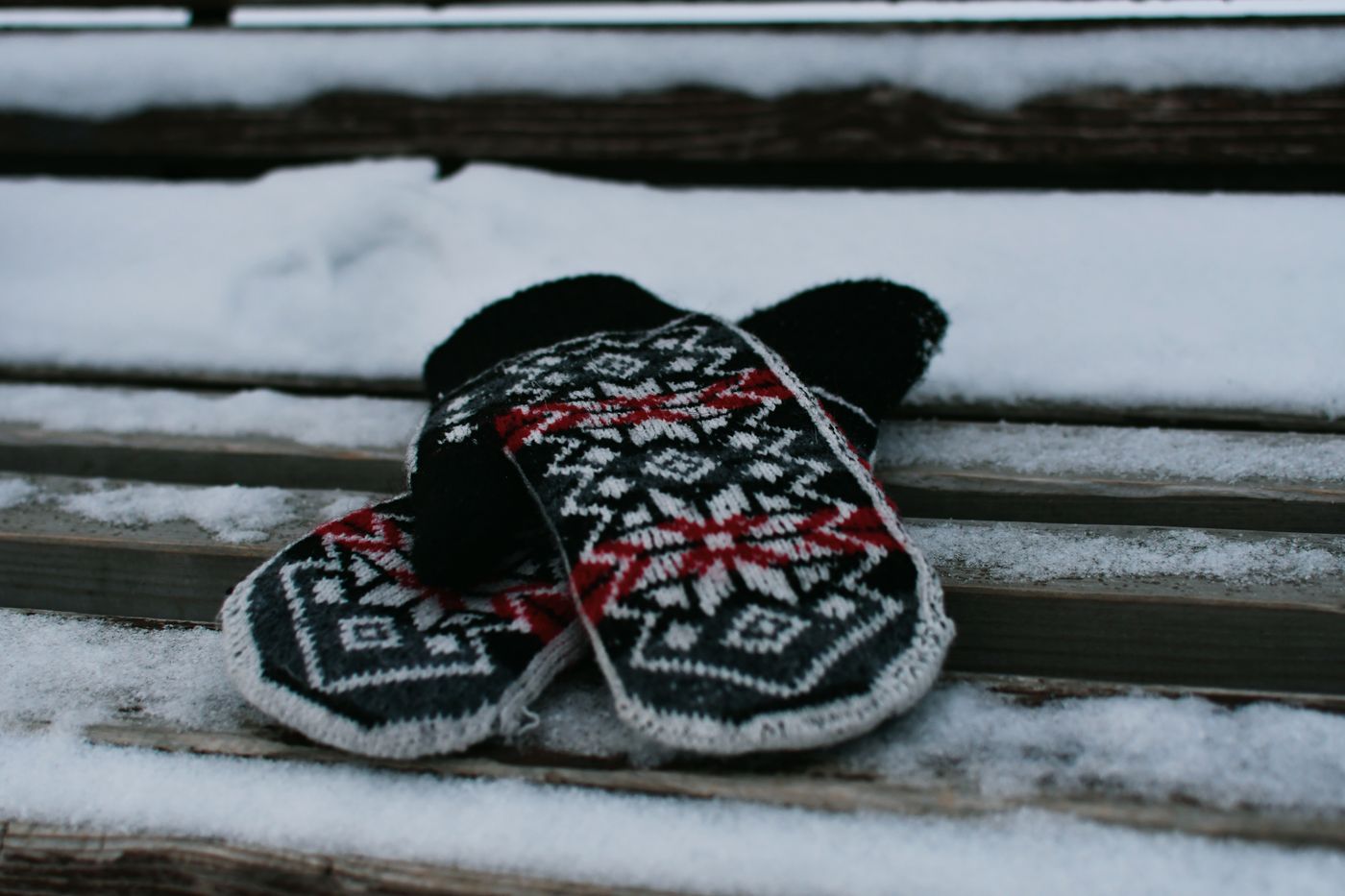
Winter gloves tend to fail as an entryway system one piece at a time. One mitten returns in a pocket, its partner lands beside the door, and the removable liners remain inside a school bag. Before adding another winter basket, turn the collection into usable pairs whose ownership, condition, and next destination are clear.
The Houzz fall 2026 report describes homes shaped around personal routines. This article applies that idea to a seasonal handoff at the door. It is an organizing routine for existing gloves, rather than a claim that any particular glove style or entryway product is currently increasing in demand.
Gather the places where pairs separate
Choose a manageable collection session and check the locations the household actually uses. Look in coat pockets, bags, the entry basket, and the place where outdoor clothing dries. Keep each person’s items in a separate temporary group while matching them. If someone is still using a pair that day, note it rather than calling it missing.
Include mittens, fingered gloves, and removable liners only where they belong to this household routine. Work, gardening, or specialist protective gloves may have separate requirements and destinations. Mixing every hand covering into one basket can obscure the everyday winter pair you are trying to make easier to find.
Match the complete pair, not just the color
Look at size, style, maker information where available, and the construction of each glove. Similar colors can conceal different sizes or a left and right piece from separate sets. Ask the wearer to confirm fit when necessary. A pair that looks complete in storage may still be useless if it no longer fits the intended person.
For a child, do the fit check before a rushed departure. Ask whether both pieces can be put on and removed appropriately for their usual activities. Follow the maker’s guidance for the intended use. This is an ownership and retrieval check; it does not establish that a glove offers a particular temperature rating or protection beyond its documented purpose.
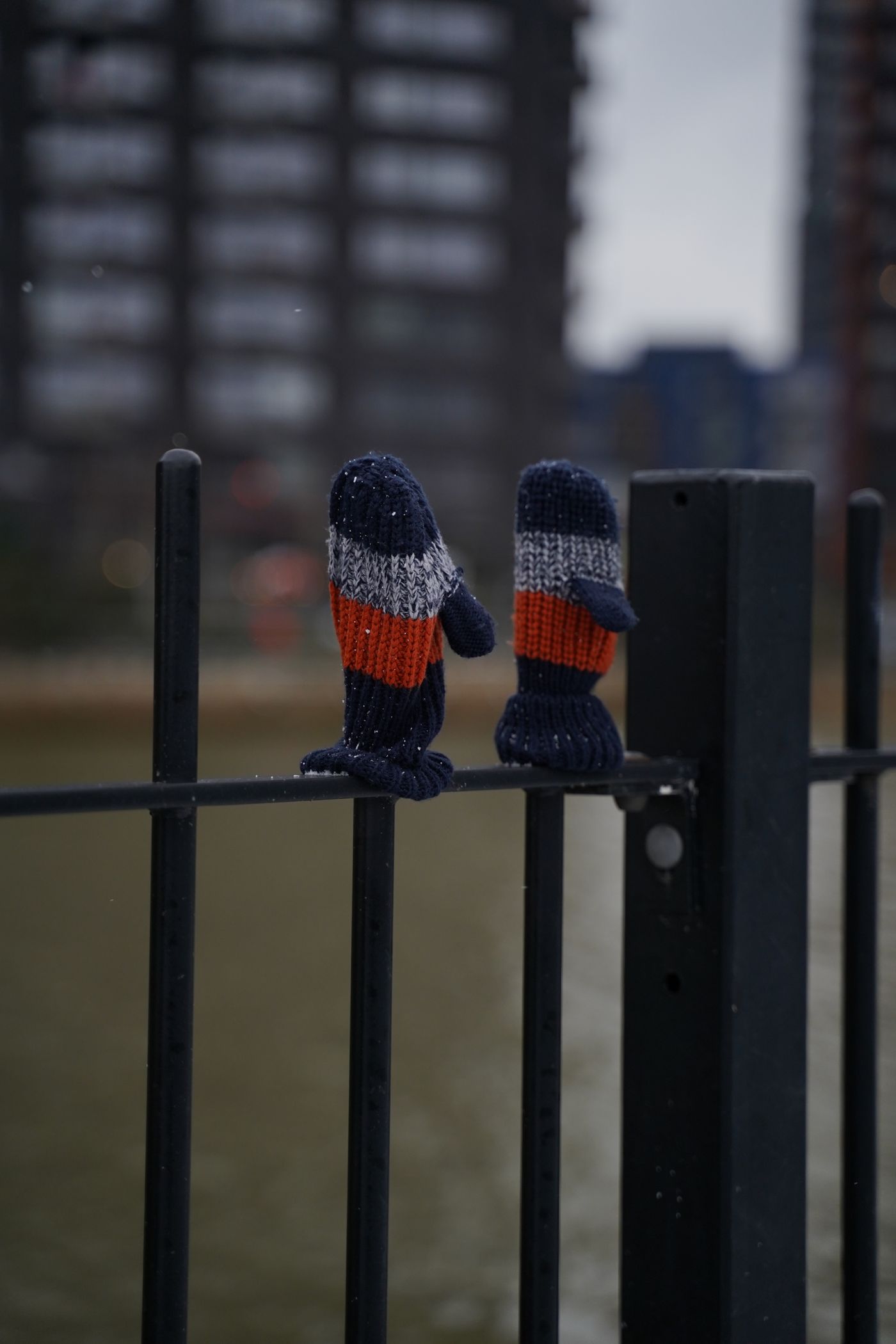
Identify removable liners carefully
Check the instructions for gloves that are designed to have removable liners. Match the liner to the appropriate outer piece and retain any size or model identification that makes that possible. Do not assume a liner from another similar-looking pair is interchangeable. Some gloves have an integrated lining that should not be pulled out merely to make the storage arrangement look consistent.
If the proper arrangement is unclear, keep the components identified together while obtaining the maker’s instructions. A short record of the original model can be more useful than an extra divider. Avoid stripping small labels that help distinguish components because they seem untidy in the basket.
Keep the pair’s identity through each return state
| State | What stays associated? | Next step |
|---|---|---|
| Ready | The complete suitable pair and correct liners where applicable | Return to the wearer’s identified home |
| Care unfinished | Wearer and matching components remain recognizable | Complete the specific permitted care and drying process |
| Incomplete | The found component and the missing-piece description | Search the relevant route and make a deliberate decision |
These are states, not a requirement for three large bins. A ready compartment, a suitable care position and one small identified unresolved group may be enough. Choose locations that meet the actual items’ requirements and preserve the household route.
Do not let a dry outer piece stand in for a finished set
Follow the glove and liner instructions separately where they differ. Keep the components identifiable during the process; do not pull out an integrated lining or assume another model’s liner is interchangeable.
Plan the permitted care location before a wet arrival. Do not default to a radiator, dryer or added heat to meet tomorrow’s departure. The wet-weather arrival plan handles the wider handoff, while the backpack routine helps recover gloves or liners left inside a bag.

Give ownership an obvious place
A small household may use one area for each wearer, with the complete pair together. Choose a method appropriate to the gloves: an existing suitable compartment, a loose grouping, or an approved joining feature supplied with the product. Avoid adding a clip or tight band that strains delicate fabric simply to make every pair hang in the same way.
Use readable names or another clear ownership cue when similar gloves belong to different people. The home-labeling guide compares text and visual cues. Whatever method you choose, a wearer should be able to retrieve their own ready pair without emptying someone else’s section or opening a separate inventory.
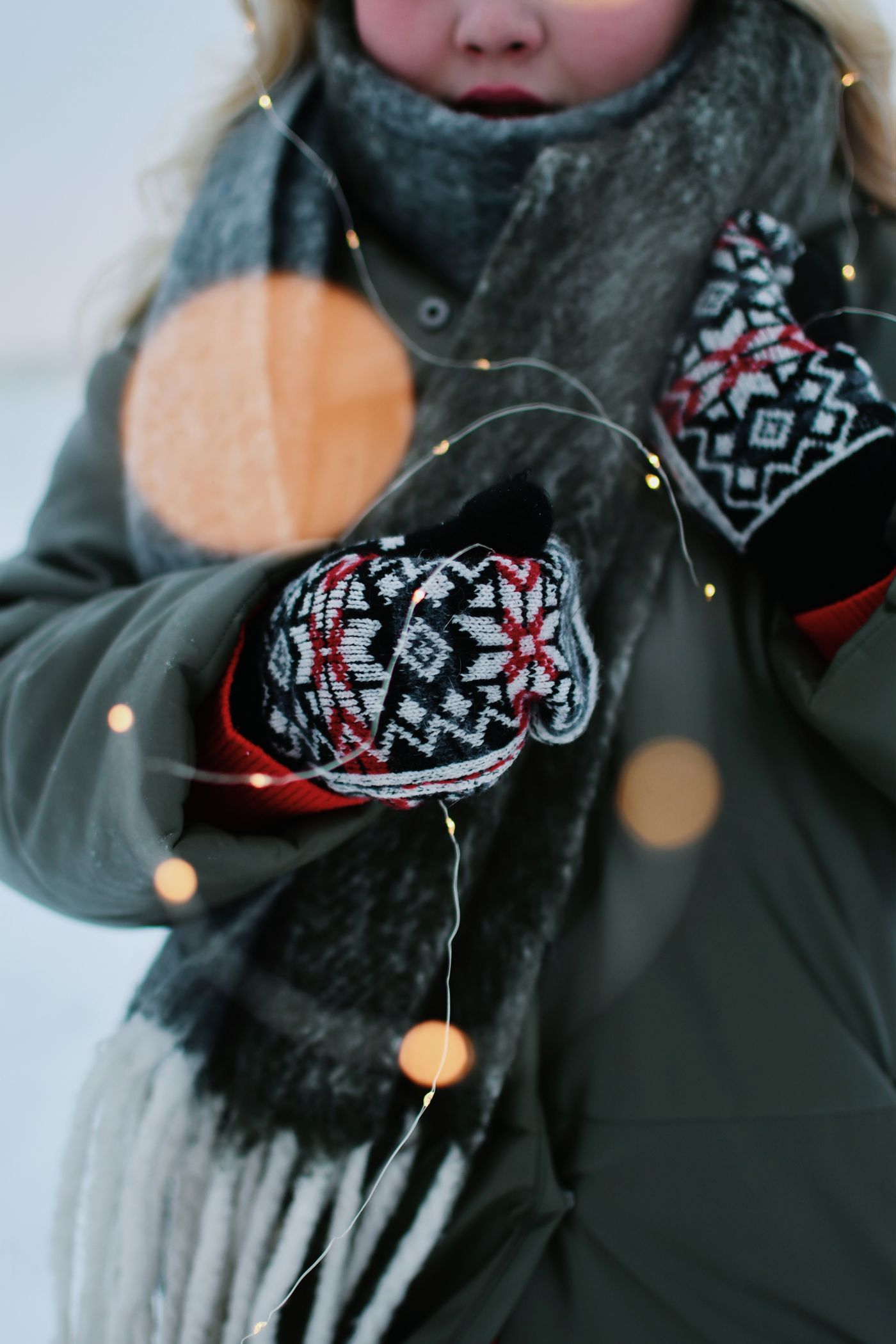
Keep the ready quantity small enough to use
Choose how many complete ready pairs each person reasonably needs in this location. A daily pair and a suitable spare may serve one household; another may have different routines. Base the quantity on actual use, drying intervals, and available space. Avoid adopting a fixed number that does not fit the people who live there.
Use the capacity ceiling approach to keep the destination deliberate. If the chosen space is full, review fit and use before increasing it. Gloves that no longer belong to anyone’s routine should not block the pairs that must leave the house tomorrow. Appropriate disposal, donation, or another genuine destination can be decided separately.
Keep the missing-piece search finite
When one glove is missing, write down the likely places to check and the date the search began if that helps. Keep the found piece identifiable. Check the actual coat, bag, vehicle, school return, or other relevant destination before buying a replacement. Do not let the missing-piece container become permanent storage for every unmatched glove from several winters.
Once the reasonable search is complete, decide what the remaining item will do. A real spare purpose is different from a vague possibility of someday finding its partner. Be clear with the wearer before allowing an incomplete set back into the ready section, where it can cause another delayed departure.

Rehearse the morning retrieval
Ask each person to take their own pair from the proposed destination, put it on as appropriate, and return it after a short trial. Notice whether the opening is accessible, ownership is clear, and small pieces stay within the intended space. The most useful adjustment may be moving a category lower or turning a label outward.
Coordinate this with other door routines without combining every item. The guest-slipper pair system handles indoor footwear as its own job. If borrowed seasonal equipment is involved, the borrowed-toy return principles provide a useful reminder to preserve ownership and agree on the complete return, rather than assuming an unmarked item belongs to the household.
Reset at the next meaningful change
Review the arrangement when temperatures or daily activities change, a child changes size, or a frequently used pair reaches the end of its useful life. You do not need to rematch the full collection every week if the return process is working. Correct the place where a separation repeatedly occurs.
The successful result is a small ready group that contains complete usable pairs, with liners correctly matched where applicable. Everyone knows which pair is theirs and where a wet or incomplete set goes. That practical clarity earns its place at the door more reliably than a larger collection of attractive winter storage containers.
Explore related decisions in our Home Organization hub.
Sources and editorial scope
Editorial research checked October 24, 2026. Published trend reports are context for these editorial applications, not verified live keyword rankings. Practical household guidance; photographs do not document a tested household or authenticate pictured materials.