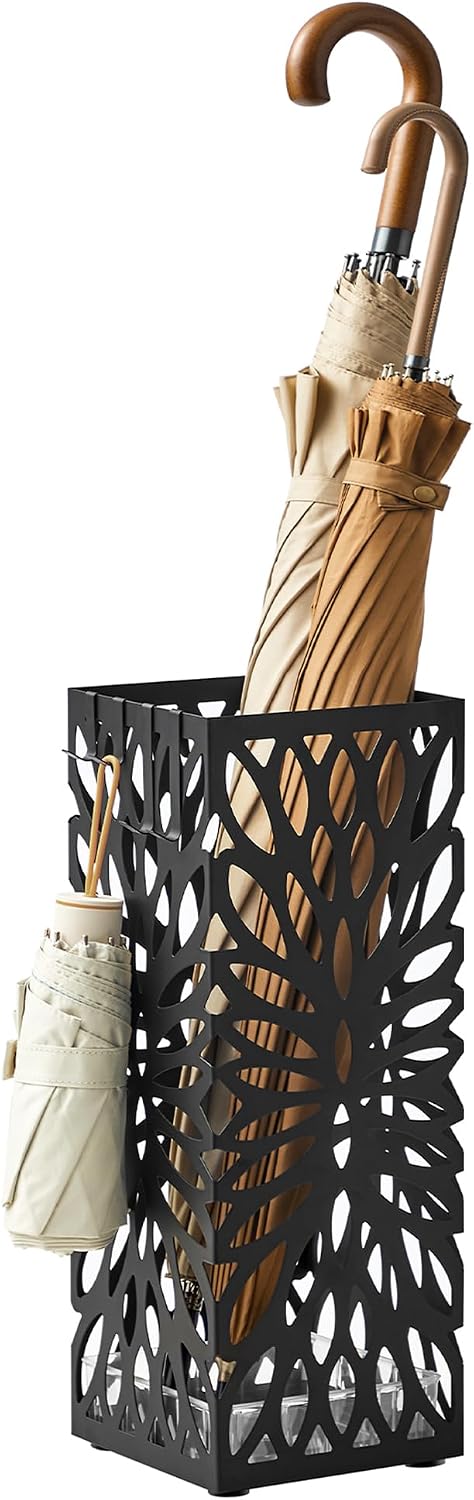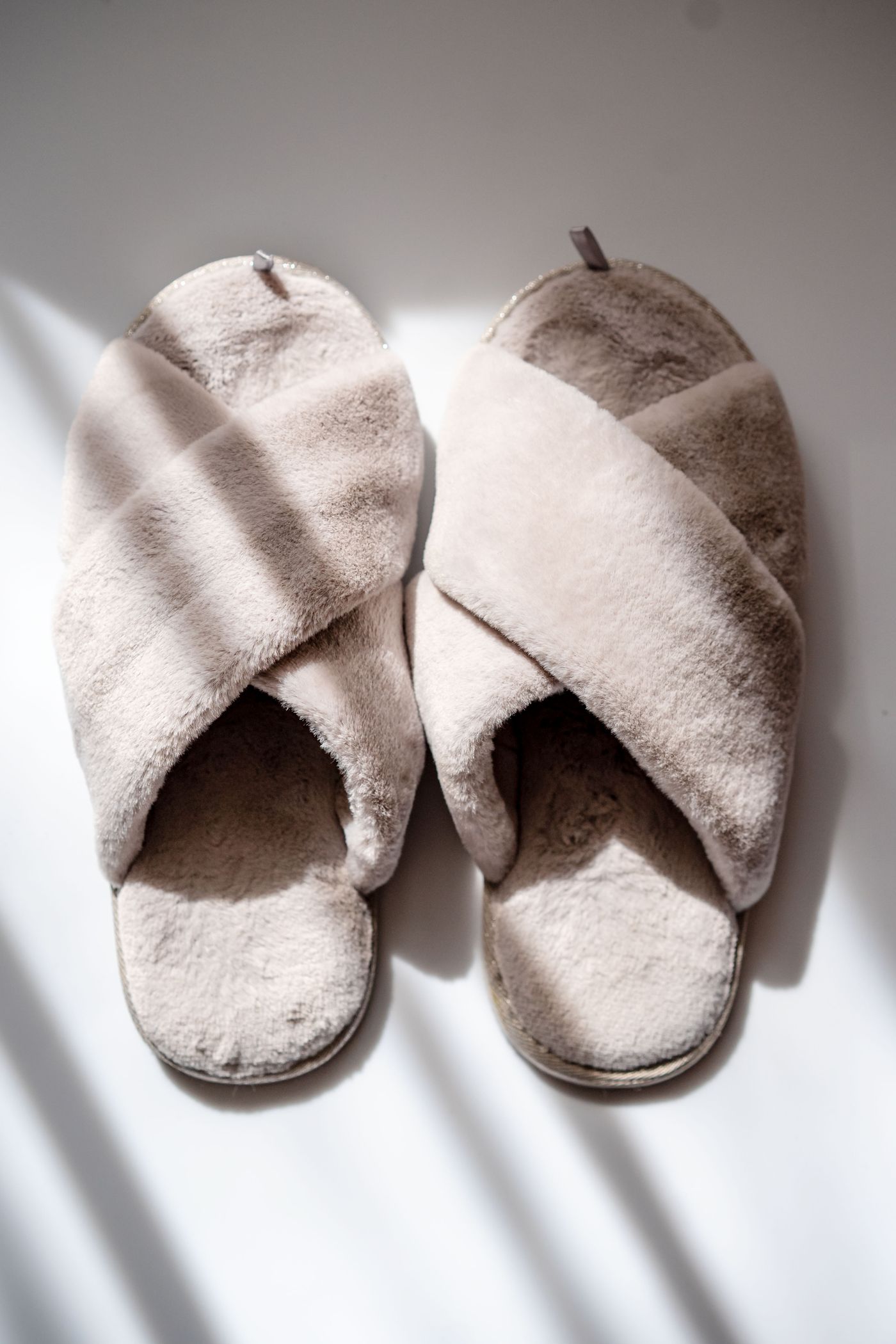
Offering house slippers can be a thoughtful option when guests want them. Keeping a large, unidentified pile beside the door is less welcoming: nobody can tell which shoes form a pair, what size they might fit, or whether they have completed their care routine. The useful collection is usually smaller than the pile suggests.
Etsy’s October 2026 seasonal reporting emphasizes personal gatherings and relationships. A modest guest-slipper system is one way to make an existing welcome routine work better. It should remain optional and responsive to the visitor; it does not require guests to change footwear or promise that shared slippers suit everyone.
Decide whether the household needs this collection
Think about the guests who actually visit and the choices they prefer. Some bring their own indoor footwear, some need to retain their existing shoes, and others may appreciate an available pair. Discuss the arrangement without turning a storage project into an inflexible rule at the door.
Keep an alternative for someone who cannot or does not want to use the offered slippers. Do not assume that one soft open-backed style provides suitable fit or support for every person. A visitor can decline without explaining a personal need to the whole room.
Start with usable pairs you already own and are willing to maintain. Set aside incomplete, damaged, or uncertain items for a separate decision. A bundle of single slippers does not represent useful guest capacity simply because it fills the basket. The small-room storage test can help define the actual contents before you buy another container.
Identify pairs before sorting by appearance
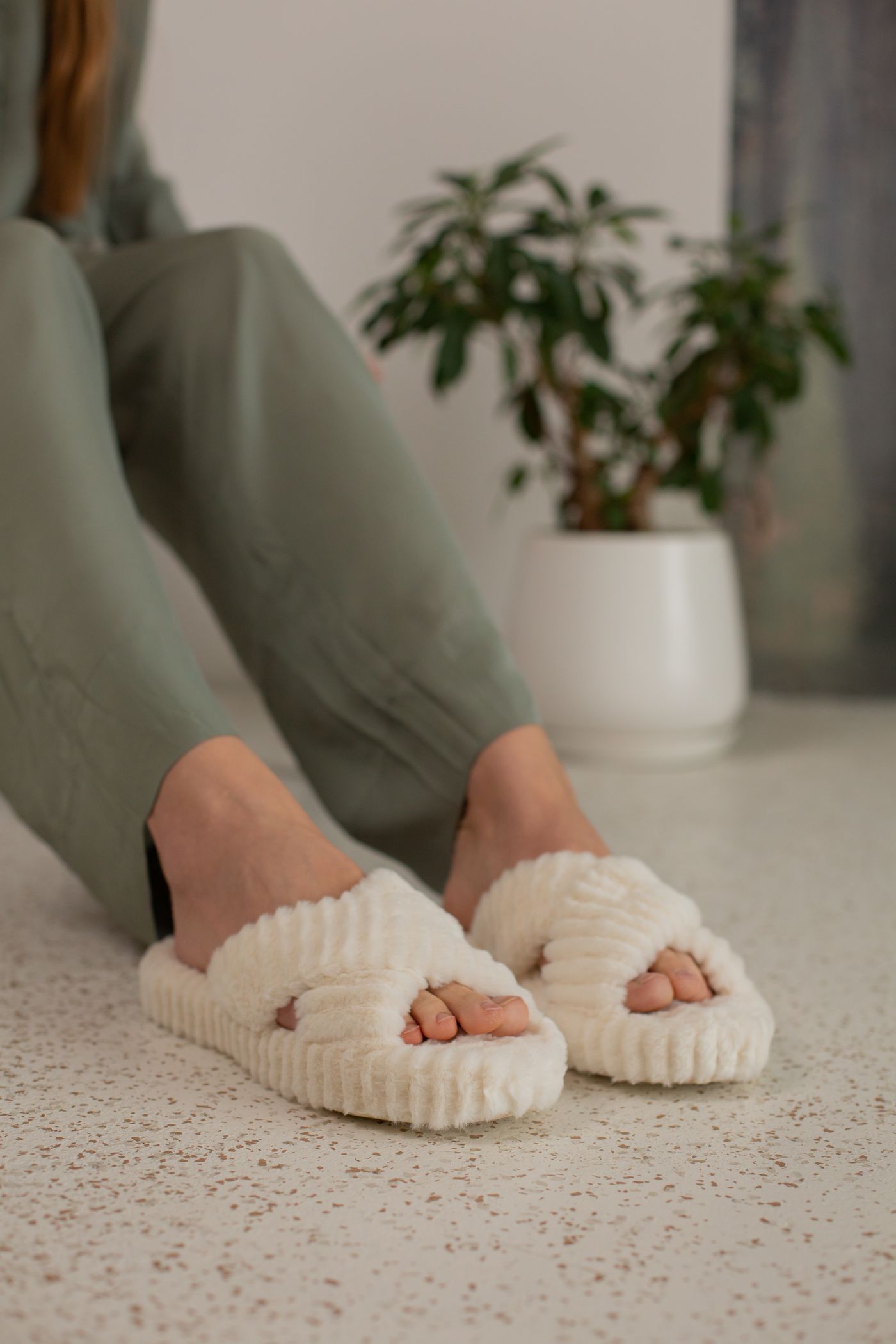
Check that each pair genuinely matches in size, style, and condition. Similar colors can conceal different sizes or a replacement from another set. Put matched pairs together on a clean appropriate surface while you decide which are suitable to retain for this optional use.
Record the actual marked size where available. Keep the maker’s size system rather than converting it into an invented universal small, medium, or large. If the size is unmarked, say so; do not assign a precise size from a visual comparison with someone’s foot.
Identify a pair without attaching anything that could interfere with use or damage the material. An appropriate labeled compartment, enclosure, or inventory note may be enough. Our comparison of household labeling methods explains why the useful label is the one a visitor or host can understand, rather than the most elaborate label the storage system can produce.
Keep readiness separate from ownership
A pair can belong to the household and still be unavailable for the next guest. Use an honest condition such as ready, awaiting care, awaiting a missing mate, or needs a decision. These states prevent a tidy container from implying that every item inside it is ready to wear.
Store only appropriately cared-for, fully dry pairs in the ready group. Follow the actual footwear instructions; a washable-looking textile is not enough evidence for a machine cycle. The house-slipper care guide addresses that separate wash-and-dry decision and should remain linked to the pair’s real materials.
Keep used pairs out of the ready collection until the household’s appropriate care process is complete. Choose suitable temporary containment for their condition instead of sealing damp footwear away for appearance. The storage system should make the next task obvious without making unsupported cleanliness or disinfection claims.
Give each usable size an accessible position
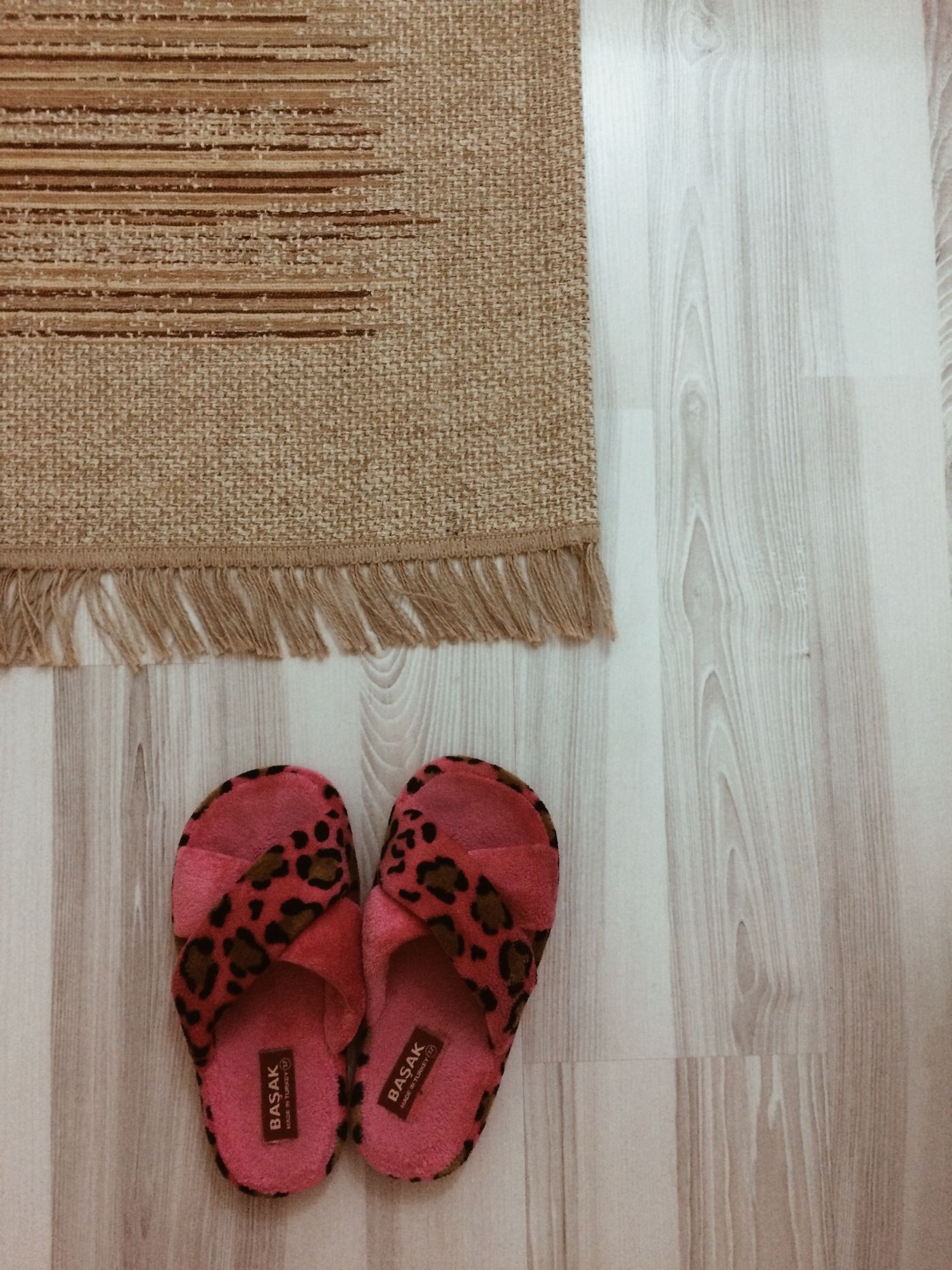
Arrange retained pairs so the host can find them without unpacking the entire collection. If size labels are visible on the slippers themselves, avoid hiding them beneath decorative tissue or tight folding. If a note is needed, keep it connected to the correct pair throughout storage and retrieval.
Do not arrange the collection solely by color if that separates matched pieces or hides the range of available sizes. A simple left-to-right arrangement or a small number of identified groups can work. Let the contents determine the organization rather than buying a many-section unit that encourages filling every empty slot.
Allow enough space to remove and return a complete pair. Shoes crushed into an undersized compartment can become harder to identify and may not tolerate the pressure. Check the footwear’s care and storage needs before choosing any compression or hanging method.
Keep the entrance usable during arrival
Choose a storage position that leaves the actual door movement and normal passage available. The host should be able to offer a pair without standing in the narrowest part of the entrance while several visitors wait. Check the arrangement with ordinary coats, bags, and shoes present.
Avoid leaving loose pairs across the floor as a display of choice. Offer a suitable option, let the visitor decide, and return unused pairs to their identified positions. The rainy-day entrance routine concerns a broader arrival problem; guest slippers should fit alongside it rather than take over the area needed for wet outdoor belongings.
Keep footwear apart from keys, mail, and objects that do not belong in the same enclosure. If the entrance cannot support another permanent container, store the ready pairs elsewhere and bring out an appropriate selection before an expected visit. A welcome routine does not need its own piece of furniture.
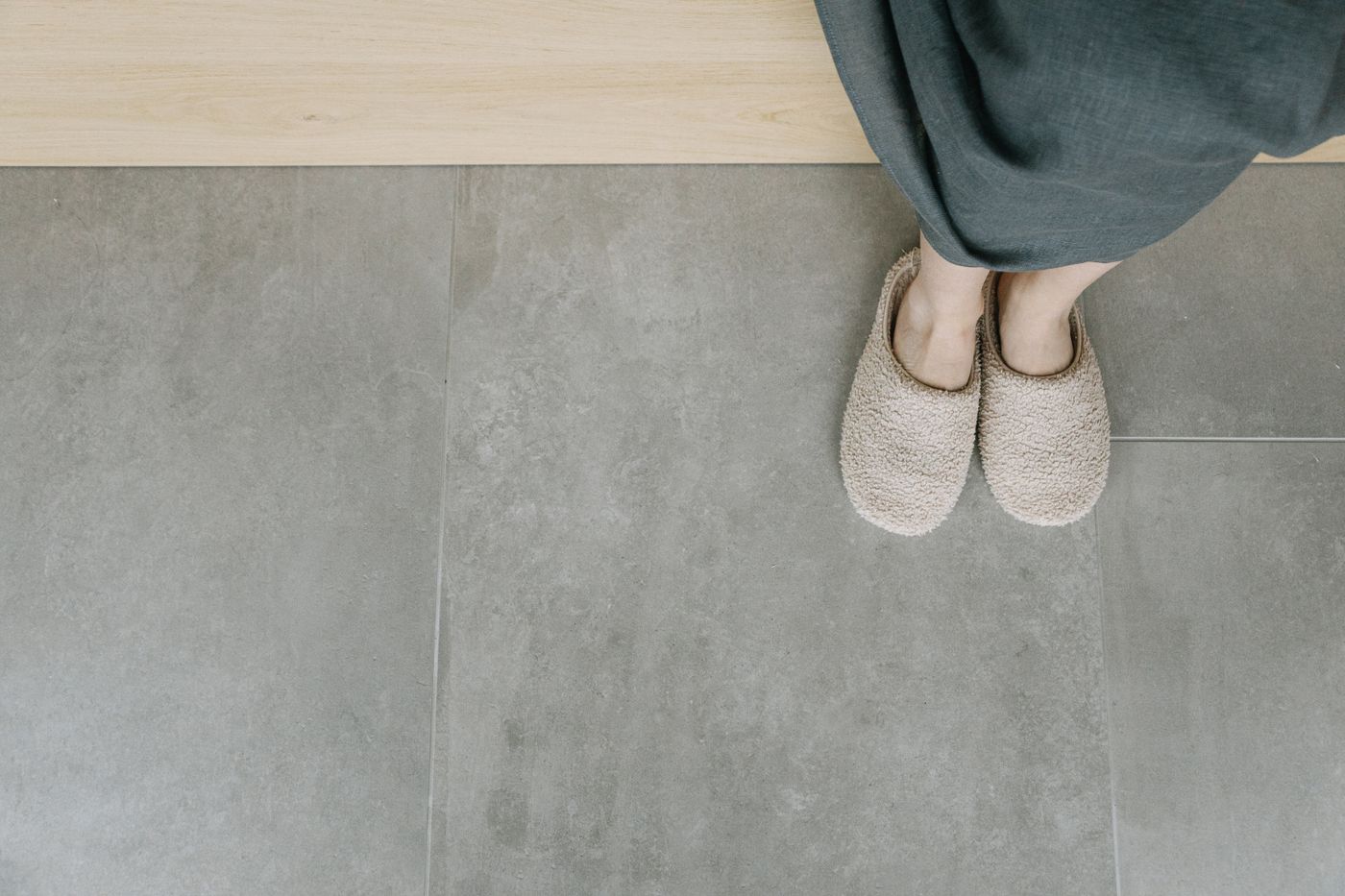
Give used pairs a clear return-and-care route
Choose the temporary destination before guests arrive. It should suit the footwear’s condition and care requirements while remaining separate from ready pairs. The host can collect both pieces as guests leave without asking visitors to learn a complicated sorting system.
| Pair state | Storage decision | Next action |
|---|---|---|
| Ready and complete | Identified ready position | Offer as an optional choice when appropriate |
| Used, awaiting care | Separate suitable holding location | Follow the actual footwear’s care process |
| Care or drying unfinished | Appropriate care location | Complete the permitted process before returning |
| Missing a mate or needing a condition decision | Outside the ready count | Resolve the missing piece or next suitable route |
A tidy container does not establish that its contents are ready to wear. Keep the care note connected to the correct pair. Do not infer a machine-wash cycle or a cleanliness claim from the footwear’s appearance.
After care, return the complete pair to its identified place. If the host cannot finish that cycle between ordinary visits, reduce the collection to the pairs the household can realistically maintain. The daily family shoe system should keep its own space rather than absorbing the guest collection.
Review the collection at useful moments
Check the pairs before a gathering, after a visitor reports poor fit, or when the storage space changes. You do not need to conduct a weekly inspection of slippers that have remained unused. Focus on whether the collection still serves the people and visits it was intended to support.
Remove pairs that no longer have a realistic use, using an appropriate local reuse or disposal route for their actual condition. Do not retain an uncomfortable style simply because several identical pairs once looked coordinated. Likewise, do not buy every possible size to eliminate all uncertainty about future visitors.
The capacity ceiling method helps set a sensible limit based on the home’s space and maintenance capacity. Include the temporary awaiting-care group in that calculation. A small ready collection plus a clear next step is more useful than a large basket that repeatedly mixes clean, used, and incomplete footwear.
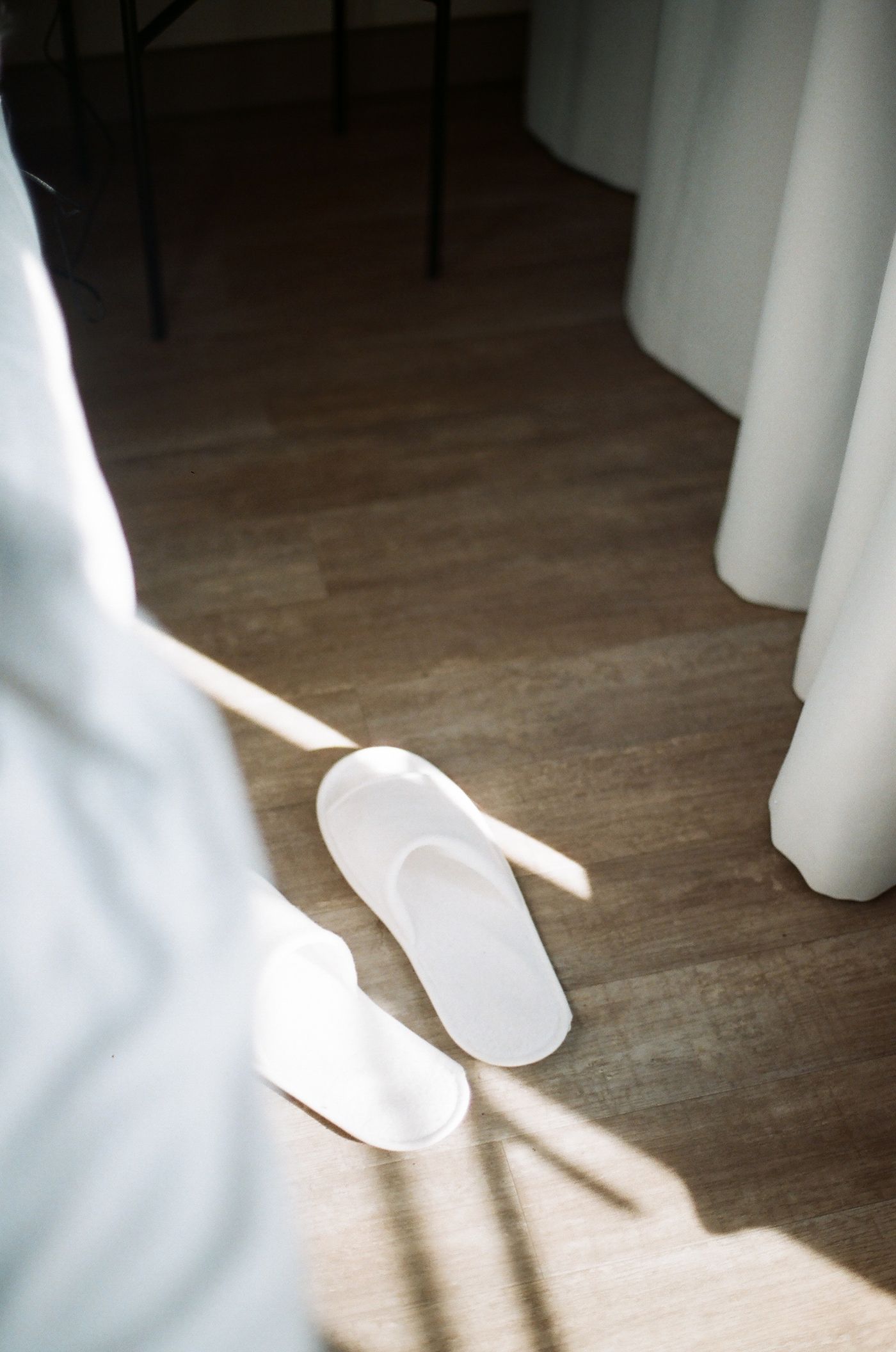
Test the system with one ordinary visit
Before adding anything, ask another household member to find one identified pair and explain where it goes afterward. If the answer requires your memory of a particular color or purchase date, improve the record. If retrieval blocks the entrance, move the storage rather than asking everyone to work around it.
After the visit, check whether the offered choice was useful and whether the return-and-care process was completed. Keep the arrangement that supports your guests and your home. The aim is a simple optional welcome whose pairs remain understandable, rather than a decorative footwear collection the household must constantly manage.
Explore related decisions in our Home Organization hub.
Sources and editorial scope
Editorial research checked October 21, 2026. Published trend reports are context for these editorial applications, not verified live keyword rankings. Practical household guidance; photographs do not document a tested household or authenticate pictured materials.