Family shoe clutter is not really a shoe-rack problem. It is an inventory problem happening in the narrowest, highest-traffic part of the home. Every person may own sneakers, sandals, school shoes, work shoes, boots, slippers, sports shoes, and occasion shoes—but the entryway is being asked to store all of them. For the broader setup, Sunday Reset vs. Nightly Prep vs. Morning Launch: What Keeps a School Week Running? is a useful next read.
A small entry cannot be the family’s complete shoe closet. Its job is to support arrivals and departures.
Decide how many active pairs each person gets at the door
A useful starting point might be two or three pairs per person: the current daily pair, one alternate, and perhaps one weather-specific pair. Your household may need a different number, but the key is setting a limit. For the broader setup, How to Set Up a Backpack Station for Two or More Kids in a Small Home is a useful next read.
Everything else moves to bedroom closets, under-bed storage, or another secondary shoe zone.
Protect the path before choosing storage
Measure the clear width needed to move comfortably through the entry. A deep shoe cabinet may hold many pairs but still be a poor choice if it makes everyone turn sideways at the door.
Storage should fit the leftover space, not claim the walkway first.
Give every person one defined footprint
Children can have one basket, cubby, tray section, or shelf. Adults can have separate sections. Clear ownership reduces the pile where everyone’s shoes merge together.
The space should be small enough that excess pairs become obvious.

Open racks are convenient but visually expensive
An open rack makes shoes fast to grab and allows airflow. It also puts every pair on display. In an open-plan apartment, that visual density may matter.
Closed cabinets look calmer but require more depth and door clearance. Choose based on the actual floor plan rather than assuming closed storage is always superior.
Use vertical storage only if retrieval stays easy
Tall narrow shoe cabinets can hold several pairs in a small footprint. But if young children cannot reach their daily shoes or adults have to unload a stack to access one pair, the system will spill back onto the floor.
Prime pairs should remain easy to retrieve.
A bench should earn its footprint twice
If the entry can fit a bench, choose one that genuinely helps people sit to put on shoes and also contains shoes or related items. A decorative bench that blocks the path without solving storage is expensive square footage.
Seasonal rotation matters more than additional racks
Boots do not need to occupy summer entry space. Sandals do not need winter priority. Rotate footwear with the season and current routines.
This is one of the easiest ways to increase perceived storage without buying anything.
Occasion shoes belong away from the door
Formal shoes, specialty footwear, and rarely worn pairs should live with clothing or another low-frequency zone. The entry should reflect the next week, not every possible event in the year.
Children’s shoes need room for growth turnover
Kids outgrow footwear quickly. Keep an eye on too-small shoes that remain in the entry because they look like part of the active rotation.
When a new size becomes active, move outgrown pairs immediately toward donation, hand-me-down storage, or disposal as appropriate.
Wet shoes need a temporary drying stage
Rainy shoes and boots may need a mat, tray, or ventilated area before moving into closed storage. Do not put visibly wet footwear into a closed cabinet simply to clear the floor. For a related step-by-step approach, see A Rainy-Day Entryway System for Wet Shoes, Umbrellas, Coats, and Kids’ Gear.
The “drying home” and the “storage home” can be different locations.
Sports shoes often need their own system
Cleats and specialty sports shoes may be dirty, bulky, or used only on certain days. Keep them with sports gear when possible rather than forcing them into the everyday entry collection.
If you already use a kids’ sports-gear system, attach the shoes to that routine.
No entryway? Create a micro-zone
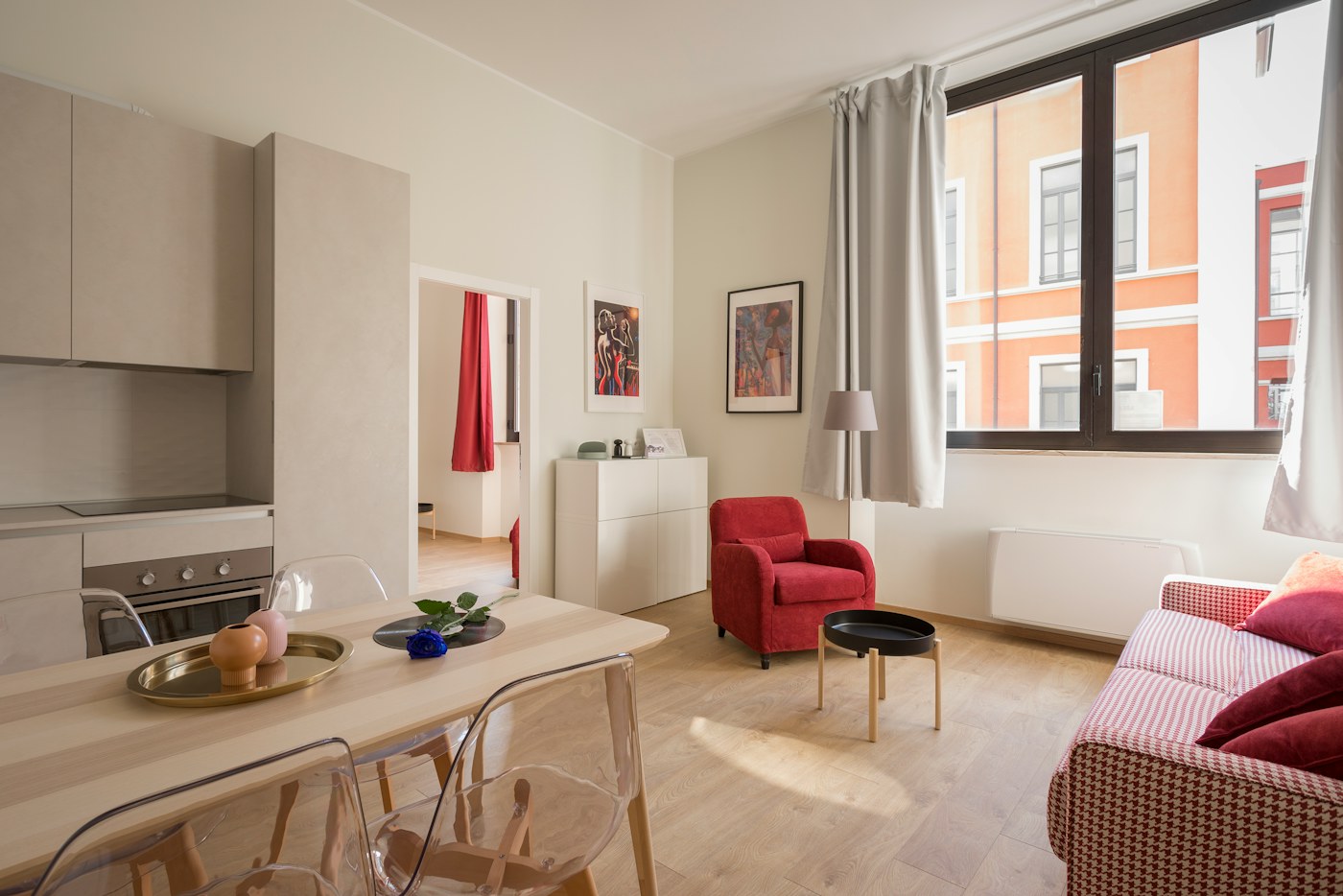
If the front door opens directly into the living room, choose a narrow wall, cabinet side, or small mat boundary. The goal is not to build a faux mudroom. It is to stop shoes from drifting into the entire room.
A micro-zone needs stricter quantity limits because it is visually exposed.
Keep slippers from becoming a second shoe pile
Indoor slippers can live in a small basket or under a bench if they are used daily. Keep only the active pairs there.
Guest slippers, if your household uses them, can be stored separately rather than competing with daily shoes.
Link shoes to the rest of the departure system
Shoes are only one part of leaving home. Pair the shoe zone with keys, bags, umbrellas, and other daily essentials using the logic in The Daily Landing Zone.
The entry works best as one coordinated transition area.
Create a two-minute evening shoe reset
Return active shoes to assigned spots, move random pairs back to bedroom storage, dry wet footwear, and clear the threshold.
This protects the morning route and makes extra accumulation visible before it becomes a mound.
Explore this topic
Browse more practical guidance in the Family Home hub. Room focus: Entryway.
Frequently asked questions
How many pairs should stay by the front door?
Only the pairs the household is actively using. Two or three per person is a useful starting point, but climate and routines may require adjustments.
Is a shoe cabinet better than an open rack?
Neither is universally better. Choose based on depth, ventilation, visual preference, retrieval, and the need to preserve the walking path.
Where should seasonal shoes go?
Move them to bedroom closets, under-bed storage, high shelves, or another low-frequency zone until the season changes.
The door should serve departures, not the entire footwear collection
A small family entryway becomes calmer as soon as you stop asking it to store every pair the family owns. Keep current shoes accessible, rotate the rest, and protect the path. The best shoe system is one that lets everyone leave the house without stepping over the evidence of every other possible outing. You may also find How to Stop Entryway Shoes From Spreading Through a Small Home useful for a closely related small-home problem.