Some apartments do not have an entryway at all. The front door opens directly into the living room, kitchen, or a narrow hallway, which means arrival clutter spreads into the home almost immediately. You may also find How to Move Into a Smaller Home Without Re-Creating Your Old Clutter useful for a closely related small-home problem.
You do not need a foyer to solve this. You need a small arrival footprint that tells shoes, keys, bags, and paper where to stop.
Start with the first three feet inside the door
Ignore what an ideal entryway would look like. Stand at the door and notice what actually happens: where shoes come off, where keys land, where bags drop, and which direction people walk next. You may also find A Small Entryway System for Backpacks, Shoes, Coats, and School Papers useful for a closely related small-home problem.
Build the system around that movement.
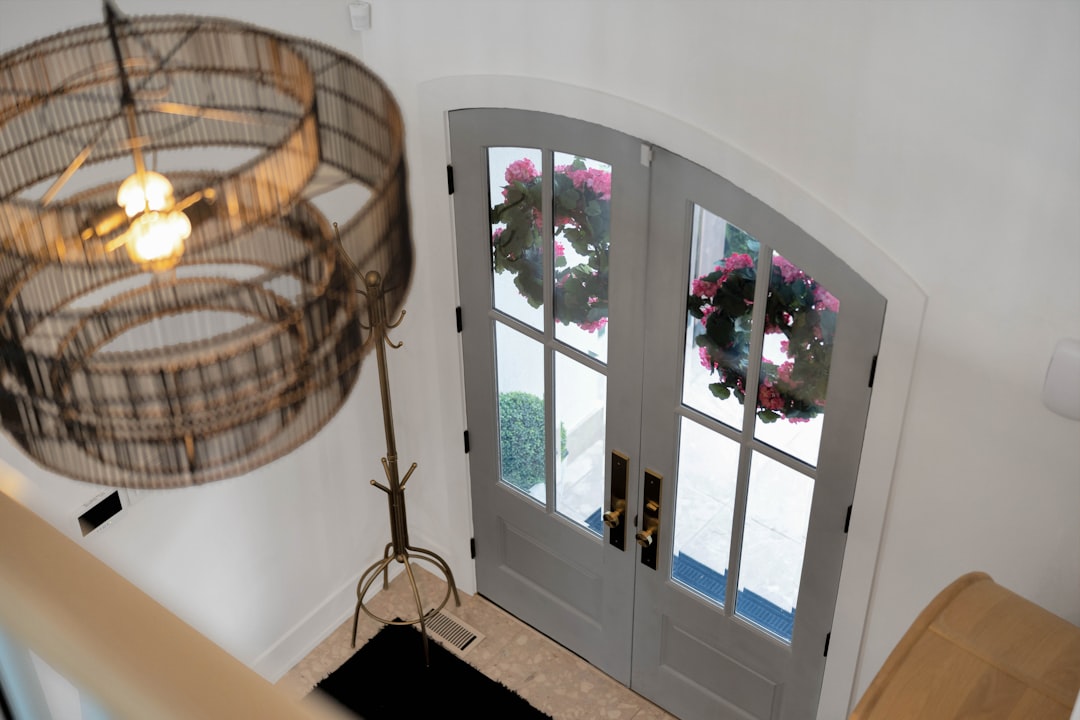
Pick one vertical surface and one floor footprint
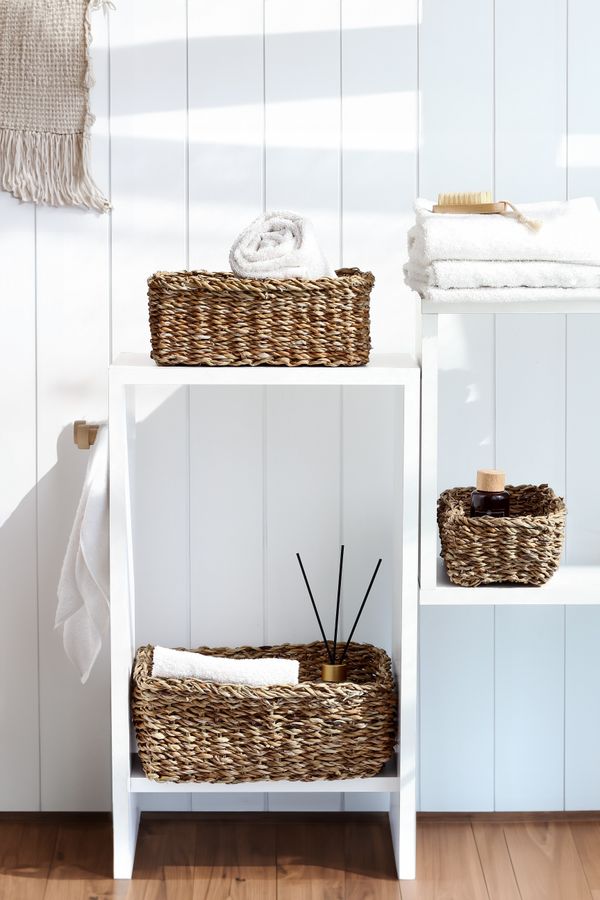
A landing zone can be as small as:
- two hooks,
- one narrow shoe tray,
- a wall shelf or tiny console,
- a key bowl or hook,
- one paper slot.
Do not let the system grow wider than the space can support.
Use the wall before adding furniture
If the apartment allows it, hooks and a narrow shelf can use less floor area than a bench or hall tree. Renters can choose solutions appropriate to their lease and wall conditions.
Give shoes a strict current-use limit
The landing zone should hold the pairs being worn now, not the household’s shoe collection. Extra pairs go to bedroom or closet storage.
Assign daily bags a parking spot
One hook per active bag works better than stacking backpacks and totes on the floor. If the wall cannot take hooks, use a narrow freestanding rack or the side of existing storage.
Create a tiny key-and-pocket-items station
Wallet, keys, access card, earbuds, and sunglasses should land in one small place. The smaller the tray, the less room there is for unrelated clutter.
Mail and school papers need a transfer point
Use one slot or tray for incoming paper, then process it daily or several times per week. The landing zone should not become the filing system.
For school paper, see How to Organize School Papers Without Keeping Everything.
Make an outbound pocket
Library books, returns, packages, reusable bags, and items for tomorrow can share one temporary outbound basket or hook. Empty it when the items leave.
Keep the walkway non-negotiable
If the front door opens into a living room, the landing zone must not narrow the main circulation path. Floor clearance matters more than decorative entryway furniture.
Use lighting or a rug to suggest a boundary
A small washable mat or the existing light near the door can visually define the zone even when there is no architectural foyer.
The 2-minute landing-zone reset
- extra shoes leave,
- bags go to hooks,
- keys return,
- paper moves to its next action,
- outbound items stay together,
- floor path clears.
When the door opens straight into the kitchen
Keep the landing zone distinct from food-prep surfaces. Avoid letting keys, bags, and mail settle permanently on the nearest kitchen counter.
When the door opens straight into the living room
Choose storage that visually belongs with the room: one small basket, a narrow console, or discreet hooks. The system can be functional without announcing itself as a separate mudroom. For the broader setup, A Small Bathroom Storage System for a Family Sharing One Bathroom is a useful next read.
When you share the apartment
Give each person one hook or clearly defined bag location. Shared trays are fine for keys, but personal daily gear benefits from visible ownership.
Frequently asked questions
What if I cannot drill into the wall?
Use renter-appropriate freestanding solutions or approved removable options that fit your lease and surface conditions.
Do I need an entryway bench?
No. If the bench blocks circulation, a shoe tray and hooks may work better.
How do I keep the landing zone from becoming cluttered?
Limit it to current shoes, active bags, keys, one paper inbox, and one outbound category. Everything else moves deeper into the home.
A landing zone is a behavior boundary, not a room
Even without a foyer, you can stop arrival clutter near the door. Define a small footprint, keep only current-use items there, and make the reset short enough to repeat every evening. You may also find How to Store Seasonal Items in a Small Apartment Without Losing Everyday Space useful for a closely related small-home problem.