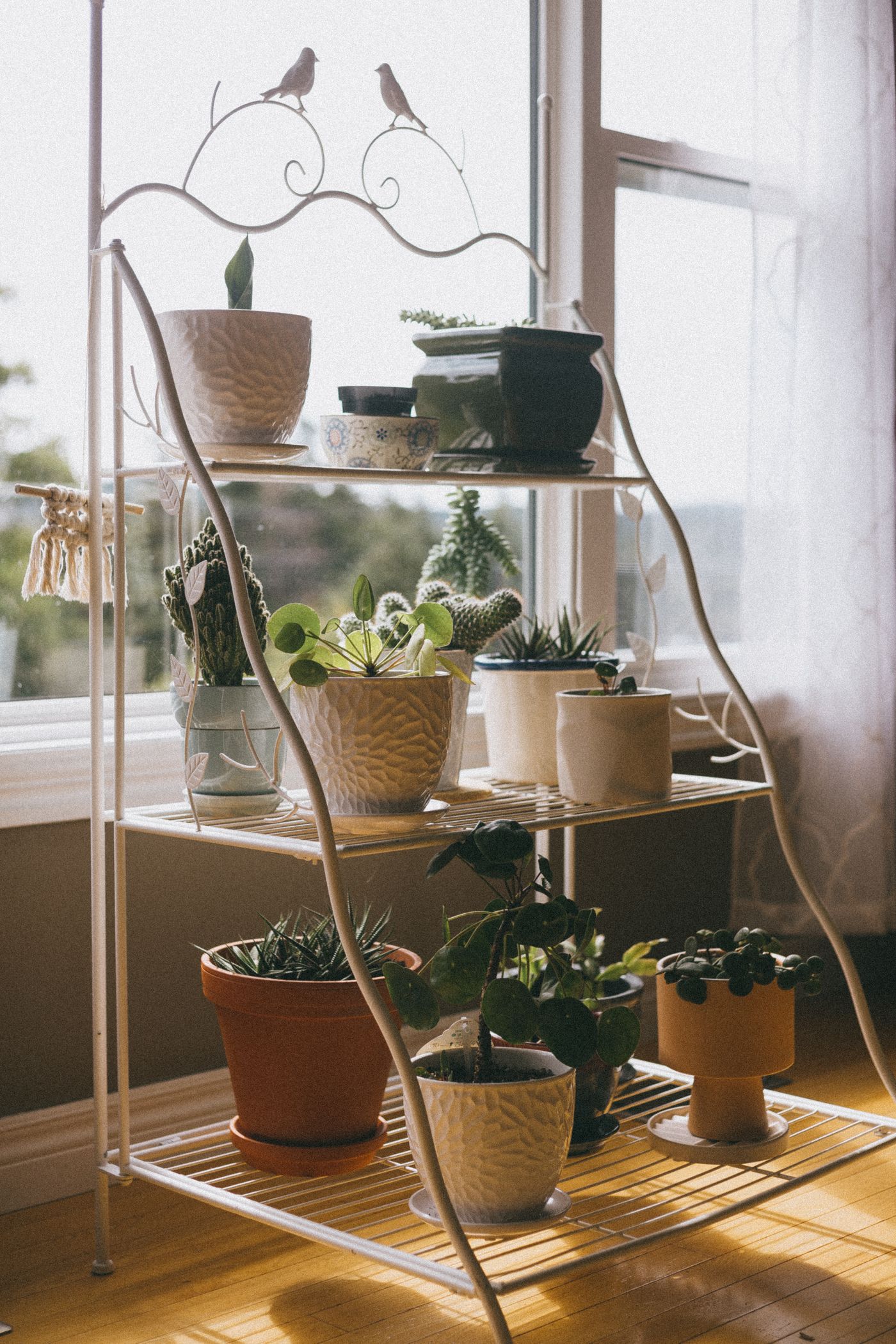
A freestanding plant stand can lift pots into view, but it also changes watering, cleaning, and access around the plants. In a rental, its appeal may be avoiding a new wall-mounted arrangement. That advantage is useful only if the actual stand, containers, plant requirements, and room position work together. Start with the plants you already own rather than buying a tiered display and looking for enough pots to fill it.
The interest in personal, layered interiors described in Houzz’s fall 2026 report provides context for an evolving plant collection. It does not establish that taller stands or more plants suit every apartment. This guide assesses the placement and daily use of an actual freestanding unit, with the maker’s assembly, loading, and securing instructions taking priority.
Identify which plants need a different position
Name the specific problem. Perhaps a pot sits where it is frequently knocked, a low plant is difficult to inspect, or several small containers are scattered across the only usable table. Choose the plants involved and check their species-specific care needs. A stand should improve a known arrangement rather than turn every empty tier into another shopping task.
The Royal Horticultural Society’s houseplant guidance explains that light, heat, and other conditions can affect plants differently. Use that as a reason to check the needs of each identified plant before grouping them. A collection can look coherent while requiring different positions; matching outer pots do not make those requirements identical.
If the plant identity or care routine is uncertain, resolve that question before changing its environment for appearance. Our cutting and parent-plant record offers a way to retain useful plant information as a collection grows. That is an organizational aid, not a substitute for reliable species-specific advice.
Measure the containers that will actually be supported
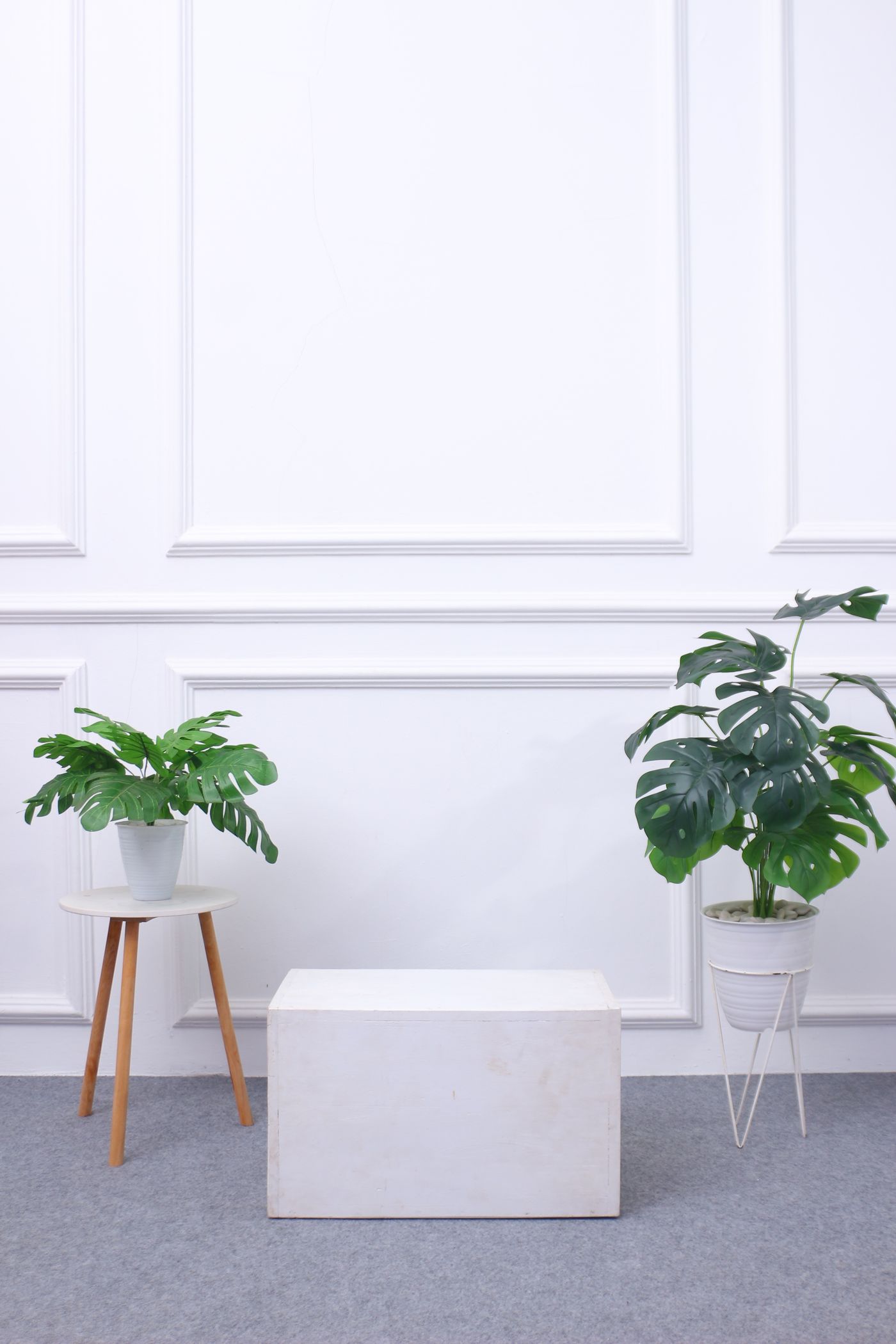
Record the outside dimensions of the pot, saucer, and any decorative outer container as used together. Do not compare only the nursery pot with the size of a shelf. A saucer can extend farther, a handle can project into a route, and trailing growth can occupy space beyond the container. Assess the real assembly rather than the smallest component.
Check the stand’s stated shelf dimensions and loading instructions. A photograph of several large plants is not a load rating. Follow any requirements for weight distribution and securing, including where the maker calls for anchoring. “Freestanding” does not automatically mean that every unit may be used unsecured in every household.
For a rental, establish whether any required securing method is compatible with the property and the owner’s permission. If it is not, choose a different appropriate unit or keep the current arrangement. Do not omit a maker-required step simply to preserve a no-drilling plan. The useful benefit is a workable installation, not the label on the product category.
Assess the stand at each shelf level
A sunny-looking corner can contain very different positions from top to bottom. Consider how the actual window, curtain, nearby furniture, and upper shelves affect each plant location. Do not assume that a multi-tier unit gives every pot the same conditions. Check the arrangement against each plant’s needs rather than assigning plants solely by height or leaf color.
Leave enough room to see and reach the pots. A lower tier hidden behind dense foliage may be difficult to inspect without disturbing the rest of the display. If one plant blocks another’s access, reducing the collection on the stand can be more effective than adding a clever extension or rotating the whole unit each day.
Our rental folding-screen guide describes another placement decision where the closed footprint tells only part of the story. For a plant stand, include its living contents and the access you need for them. A slim frame with wide, trailing plants may occupy more useful room space than the listing’s frame dimensions suggest.
Walk through the watering task before buying
Imagine the ordinary care sequence with the actual pots. Which containers can be watered in position, according to their setup and care needs? Which need to move to an appropriate watering location and return afterward? If a pot must be lifted, check whether the lift and route are manageable for you before placing it on a high or low shelf.
Plan for drainage and any water that reaches surrounding surfaces. Follow the stand’s and containers’ directions; do not infer that a wood-look surface tolerates standing water or that a decorative tray makes the entire assembly waterproof. If you cannot manage ordinary watering without wetting an unsuitable floor or shelf, change the arrangement.
Keep water-carrying routes clear of objects that would force an awkward turn or reach. The stand does not need to be beside a sink, but the distance and handling should be realistic. A display that requires unloading several plants to reach one pot creates a repeated chore that may soon be skipped.
Preserve the room around the foliage
Look at the position with doors open, curtains moving normally, and the nearby chair occupied. Keep the plants and stand away from inappropriate heat sources and from routes the household actually uses. Consider children, pets, and visitors as part of the real placement decision, following suitable plant and product guidance for the household.
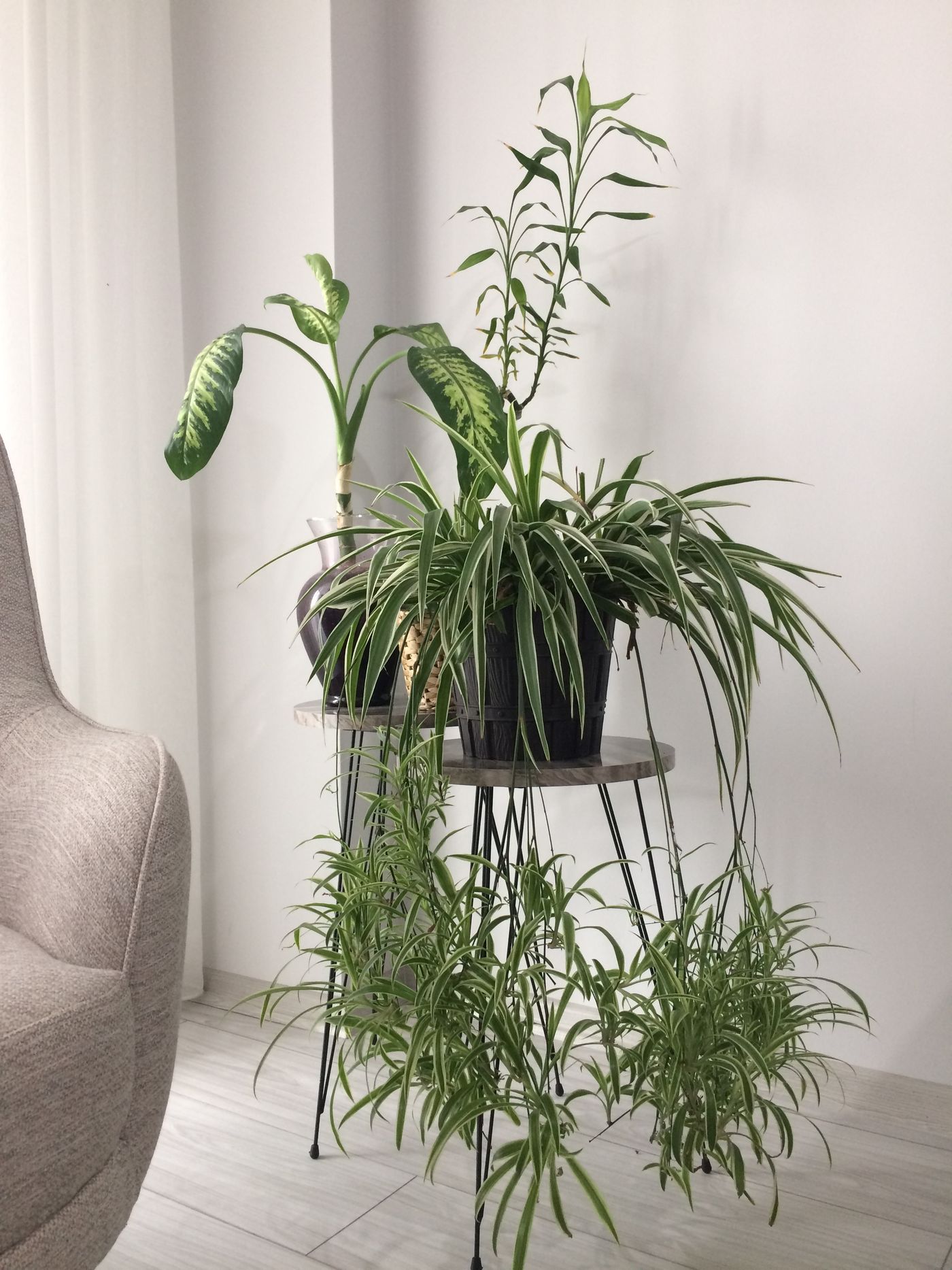
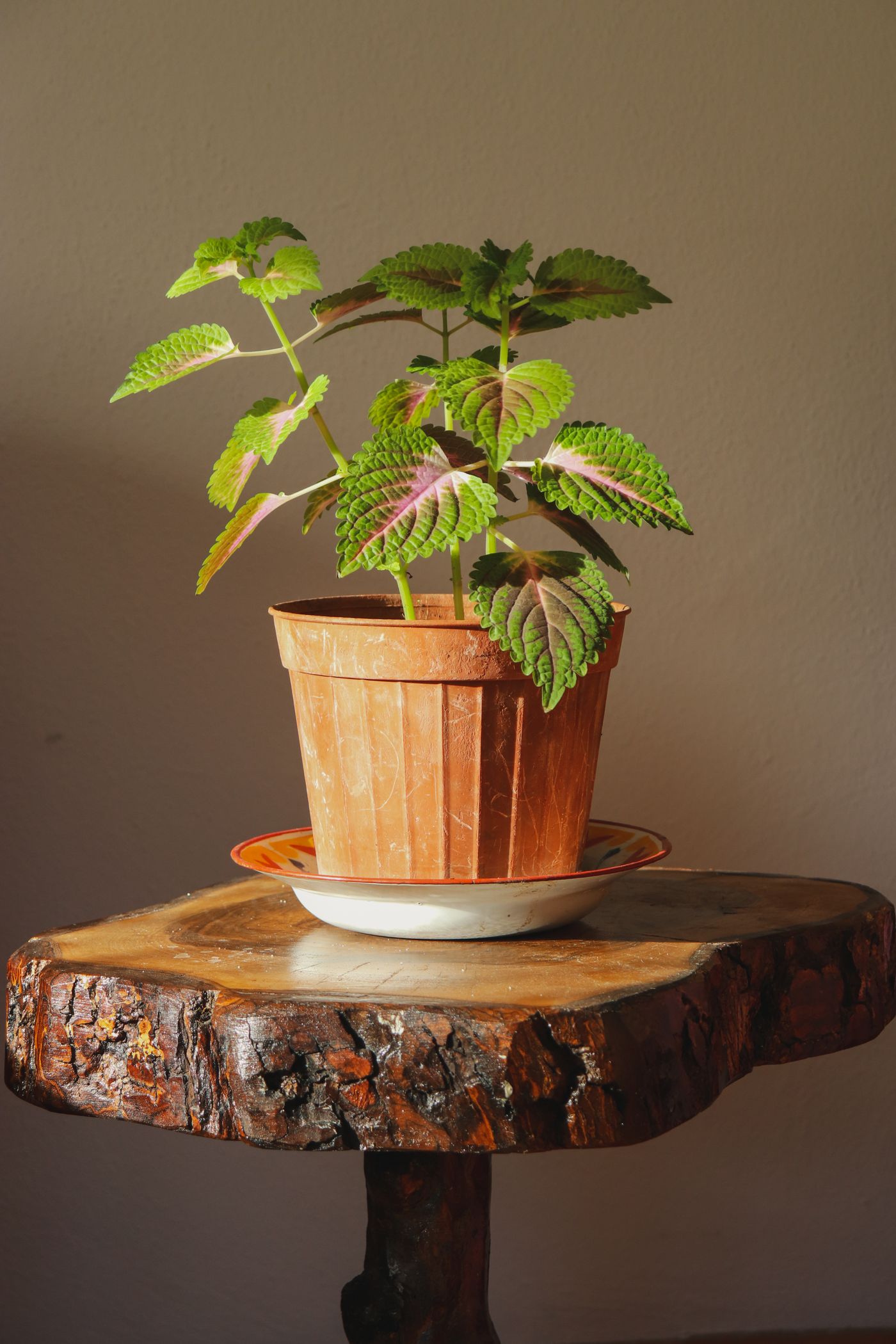
Do not turn a furniture leg or existing shelf into an improvised plant support because it resembles a stand in a photograph. Use products suitable for the intended task and load. Likewise, a plant pictured on a rustic surface does not establish the maker, finish, load capacity, or household suitability of that surface.
Our over-the-door organizer guide can help when the broader rental question is where to recover space without creating a new obstruction. Apply the same attention to operation and access, while keeping plant support a separate task. Moving one collection should not make the wardrobe or room entrance harder to use.
Include floor care and future growth
Check how you will clean beneath and around the actual unit. Follow its directions if moving it, and do not assume a loaded stand can be dragged by one leg or rolled across every floor type. If regular access requires taking the whole display apart, consider a different position, fewer pots, or separate suitable stands.
Allow for ordinary plant growth without claiming a universal clearance. Recheck access when leaves or stems extend into neighboring space. A plant collection can evolve without requiring a completely new shelving system each season. Sometimes moving one pot to an appropriate existing surface is enough to keep the arrangement manageable.
Our flat-pack assembly-space guide is useful before bringing a boxed stand home. Make room for the maker’s assembly sequence and retain the instructions with the household’s furniture information. Small furniture can still need a clear working area, and an attractive finished photograph cannot confirm how the unit should be assembled.
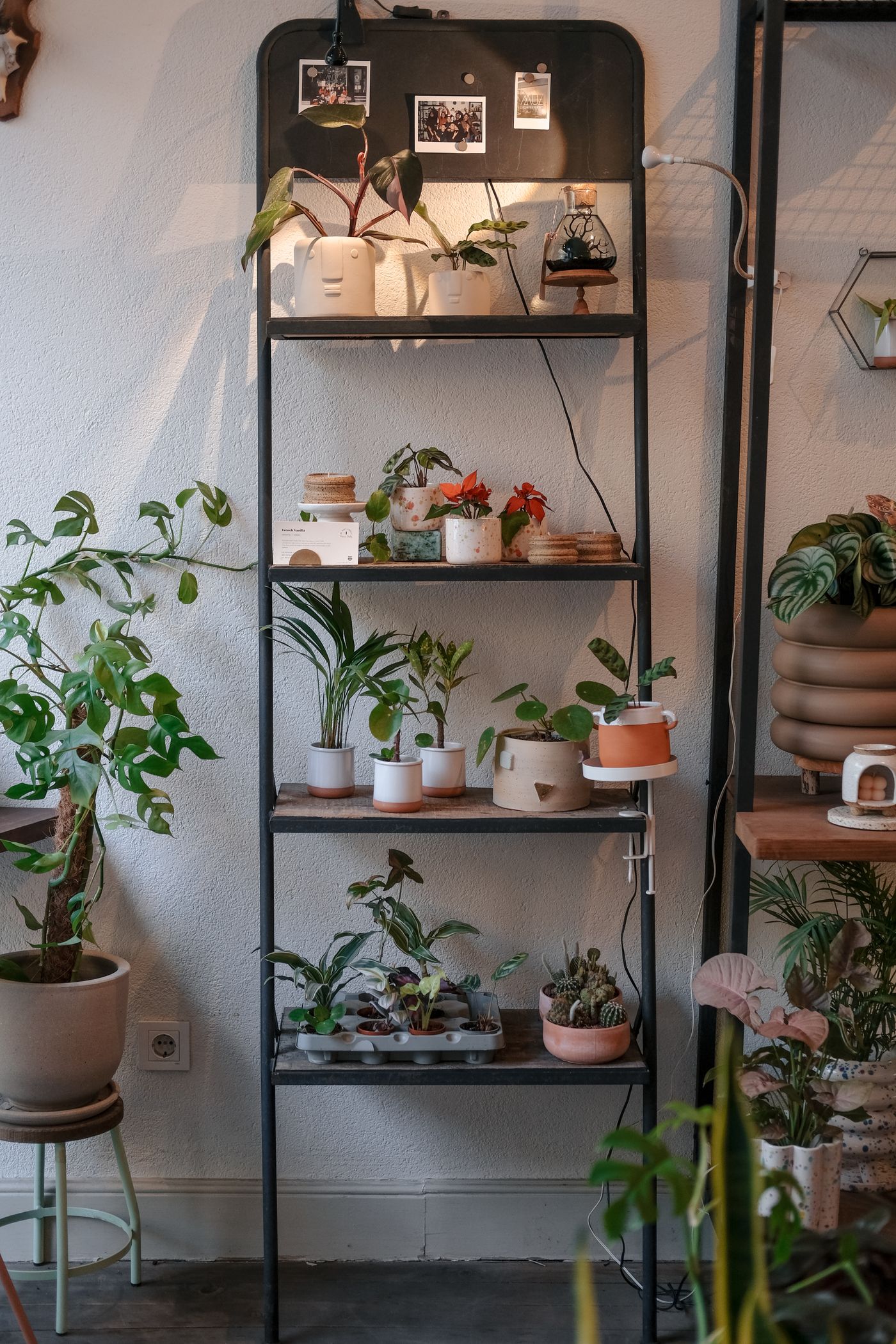
Keep the stand smaller than the collecting habit
Decide how many appropriate plant positions you actually want to maintain. A spare tier can remain empty if filling it would create a poor growing location or make care awkward. The stand’s capacity is a maximum within its instructions, not a recommendation to buy plants until every shelf is occupied.
Before ordering, compare the proposed arrangement with keeping fewer plants on suitable existing surfaces. If a stand improves the light arrangement, handling, and room access for the chosen plants, it has a clear role. If it mainly creates a taller photograph while making watering more difficult, revise the plan before adding another piece of furniture to the apartment.
Explore related decisions in our Small-Space Living hub.
Sources and editorial scope
Editorial research checked October 21, 2026. Published trend reports are context for these editorial applications, not verified live keyword rankings. Practical household guidance; photographs do not document a tested household or authenticate pictured materials.