Disclosure: As an Amazon Associate, Small Home Rhythm may earn from qualifying purchases. Product price, variant, stock and seller can change.
The light offers a gradual alarm routine, but its large face and placement matter more than adding another glowing device. This research-based review examines the listed Philips SmartSleep Wake-up Light HF3520/60 in a small-home routine. We have not used, timed or durability-tested the product. The measurements and trade-offs below are intended to make the buying decision specific to your own space.
The bedside position decides the experience
Philips describes a colored sunrise sequence that brightens gradually before the selected alarm time. For light to reach you, the lamp needs to face the bed rather than sit behind a stack of books or on the far side of a headboard. Measure a stable, flat spot near an outlet, with room for a glass, phone or other essentials. A narrow nightstand may technically hold the device while losing the landing surface you use every night. Try a paper circle matching the listing footprint before ordering.

An alarm for one person can wake two
In a shared bedroom, a gradually brightening lamp may disturb a partner with a different schedule. Test the angle and whether the light would face both sleepers. Discuss the alarm sounds and snooze habits before adding a second wake-up system. A privacy screen or moving the lamp might block the light for the person who needs it. If schedules differ substantially, a personal vibrating alarm or a quieter existing device may be a better fit than illuminating the whole room.
What the product says versus what it can prove
The HF3520/60 listing describes natural sounds, an FM radio, a reading light and sunrise/sunset simulation. Those are product functions, not proof that a particular person will sleep better, wake at a specific time or improve a medical condition. Review the official guide for timing and control settings, and keep a reliable backup alarm during the first week. Do not replace advice from a clinician for a persistent sleep problem with a lighting accessory. The decision here is about bedroom fit and routine convenience.
Controls in a sleepy room
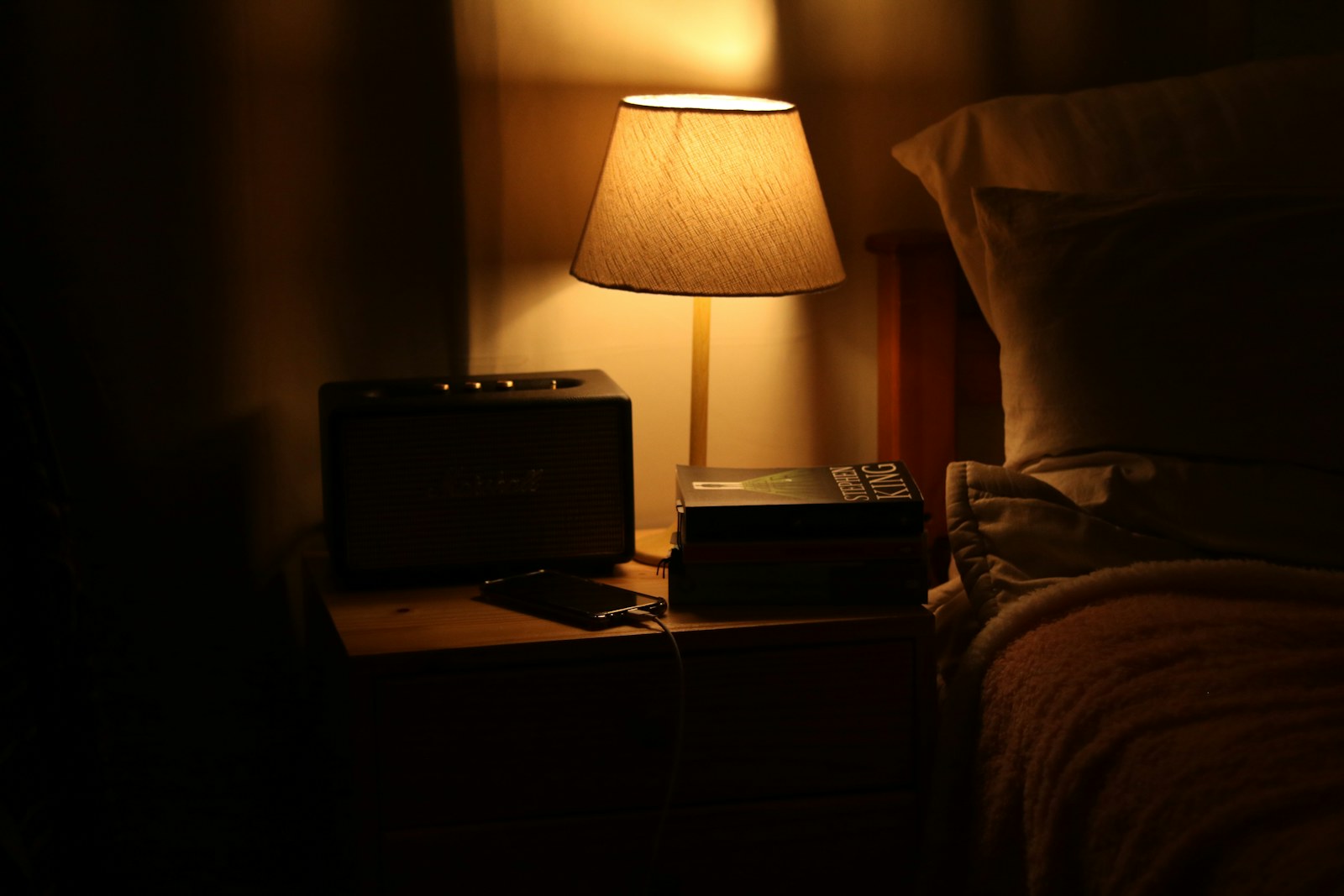
A device can offer many functions while being awkward to adjust in the dark. Think about how you would change an alarm time, silence it or turn on reading light without waking someone else. The tap-snooze function may be convenient, but a device placed out of arm’s reach is harder to use. Read the current manual or product diagrams and decide which two functions you would actually use. Extra options are not automatically worth more bedside space.
Cord and light at night
Route the cord where nobody will catch a foot during a night bathroom trip. Avoid pinching it behind the bed or placing a drink directly above a plug. Check whether the display or standby light would bother a light-sensitive sleeper. If the nightstand sits below a window, daylight may make the gradual lamp less noticeable at certain times; if it sits in a dark alcove, it may feel brighter. Placement in the actual room matters more than a generic brightness description.
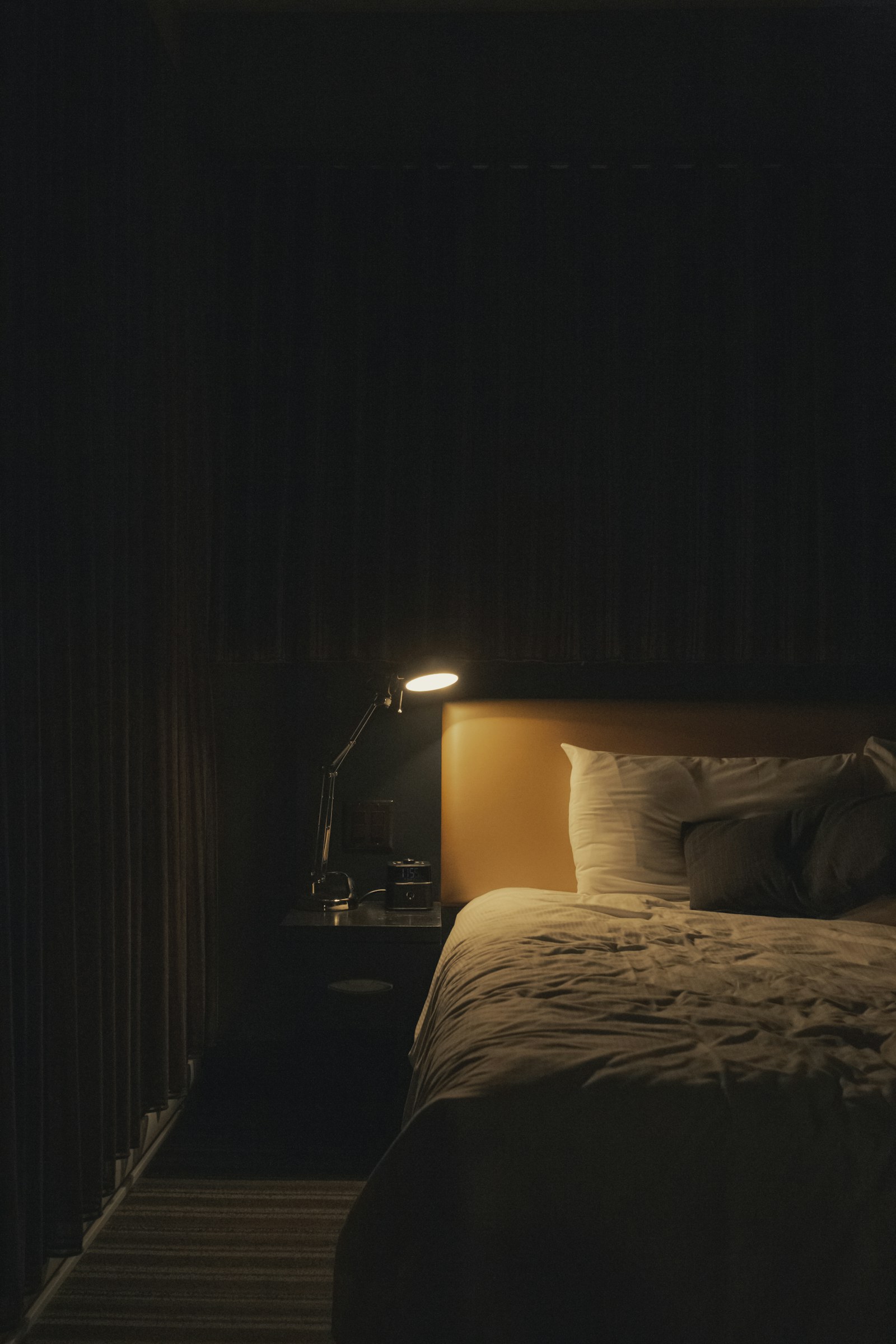
Try the routine before replacing an alarm
For several mornings, record when you wake, whether the current alarm is reliable and what specifically feels harsh. A sunrise-style lamp may be appealing if the abrupt sound is the problem, but an earlier bedtime or a gentler existing alarm may address a different issue. Set up the Philips unit with a backup alarm until you know how its programming works for your schedule. A product that takes too many steps to reset when the school day changes may create new friction.
The purchase after the novelty wears off
At the end of a trial period, ask whether you still use the sunrise sequence, reading light and alarm, or only one function. If the lamp becomes a large clock that blocks a book, it is not earning its footprint. If it reliably supports a calmer morning and saves a separate bedside lamp, it may justify the space. Keep expectations limited to the device’s documented features and your personal routine, not clinical outcomes. You may also find JALL Date Alarm Clock Review: Three Alarms for a Changing Weekday Routine useful for a closely related small-home problem.
The shared alarm negotiation
A sunrise sequence can feel gentle to one sleeper and disruptive to another. Put a temporary bedside lamp in the proposed position and test morning light without buying the device. Note who faces it, whether curtains admit daylight already and whether the alarm sound has to be loud for the intended user. Agree on the routine before ordering. If the light needs to be turned away to protect a partner, it may not reach the person who wants it. The product’s functions cannot resolve incompatible sleep schedules on their own. For a related step-by-step approach, see Brightech Maxwell Shelf Floor Lamp Review: Can One Corner Hold Light and Storage?.
A useful trial baseline
For a week, record which mornings the existing alarm wakes you reliably and which are difficult. Keep notes about bedtime, room light and whether the alarm was simply set too late. This is a household-use baseline, not a health experiment or medical assessment. If the complaint is that the phone screen is distracting at night, moving the phone away and using any reliable clock may help. If gradual illumination is the specific feature you want, check where the HF3520/60 can sit and how its display behaves in darkness.
Who will get the most value?
A good fit: An adult who wants to try a gradual light-based waking routine and can put the lamp in a useful bedside position. The value depends on a repeatable placement and cleanup routine, not merely on how compact the object looks online. If another member of the household uses the same room, test how it affects their movement and access as well. A small item can be a large interruption when it blocks a path or hides a daily tool. For the broader setup, Vornado 660 Review: Can a Large Air Circulator Fit a Small Living Room? is a useful next read.
Pass for now: A very small shared nightstand, an existing light that already works or anyone seeking a treatment for a sleep condition. Amazon listings can change the selected finish, included parts or seller. Compare the precise ASIN and variation at checkout, and do not treat a customer photograph of a different model as a specification. If the size or care instruction that determines fit is missing, seek clarification before ordering.
A fit check you can do at home
- Measure the full nightstand surface and viewing angle. Record the result for the selected model.
- Ensure a safe outlet and cord route. Record the result for the selected model.
- Check whether a partner shares the bedroom. Record the result for the selected model.
- Verify model HF3520/60 and its manual. Record the result for the selected model.
Use a cardboard outline in the room before buying. Try the item’s entire sequence: get it out, position or install it, perform the task, clean it and put it away. Allow for moving doors, drawers, hands, furniture and cords rather than measuring only a product’s bare footprint. If the routine depends on a person remembering an extra chore, choose who will own that step. The easiest test costs nothing and often reveals a poor fit before a return is necessary.
What would I choose instead?
An existing dimmable bedside lamp plus a reliable alarm may be enough if the main goal is gentler room lighting. Compare the alternative with the named product on the exact problem that prompted the search. A lower purchase price is not a win if the solution takes more space or adds work; an elaborate item is not a win if it solves a problem that happens once a year. Review what you already own, then decide whether this purchase removes a repeated source of friction.
Questions before ordering
Is the Amazon version the one described here?
The affiliate link below points to ASIN B0093162RM. Confirm the title, size, finish, accessories and manufacturer instructions on the current page. Do not infer compatibility from a different color or bundle. We do not quote a fixed price or promise stock, since those change. If the retailer substitutes a variant, redo the measurements that matter in your room.
What does the product photograph establish?
The image identifies the current listed product, not our hands-on testing or an installation in your home. A staged photograph may hide depth, cords, refills or the space needed to remove an item for cleaning. Use the photograph to identify parts, then rely on the current dimensions and instructions for a final fit decision. Our contextual room images illustrate the setting, not performance.
Amazon product and current listing
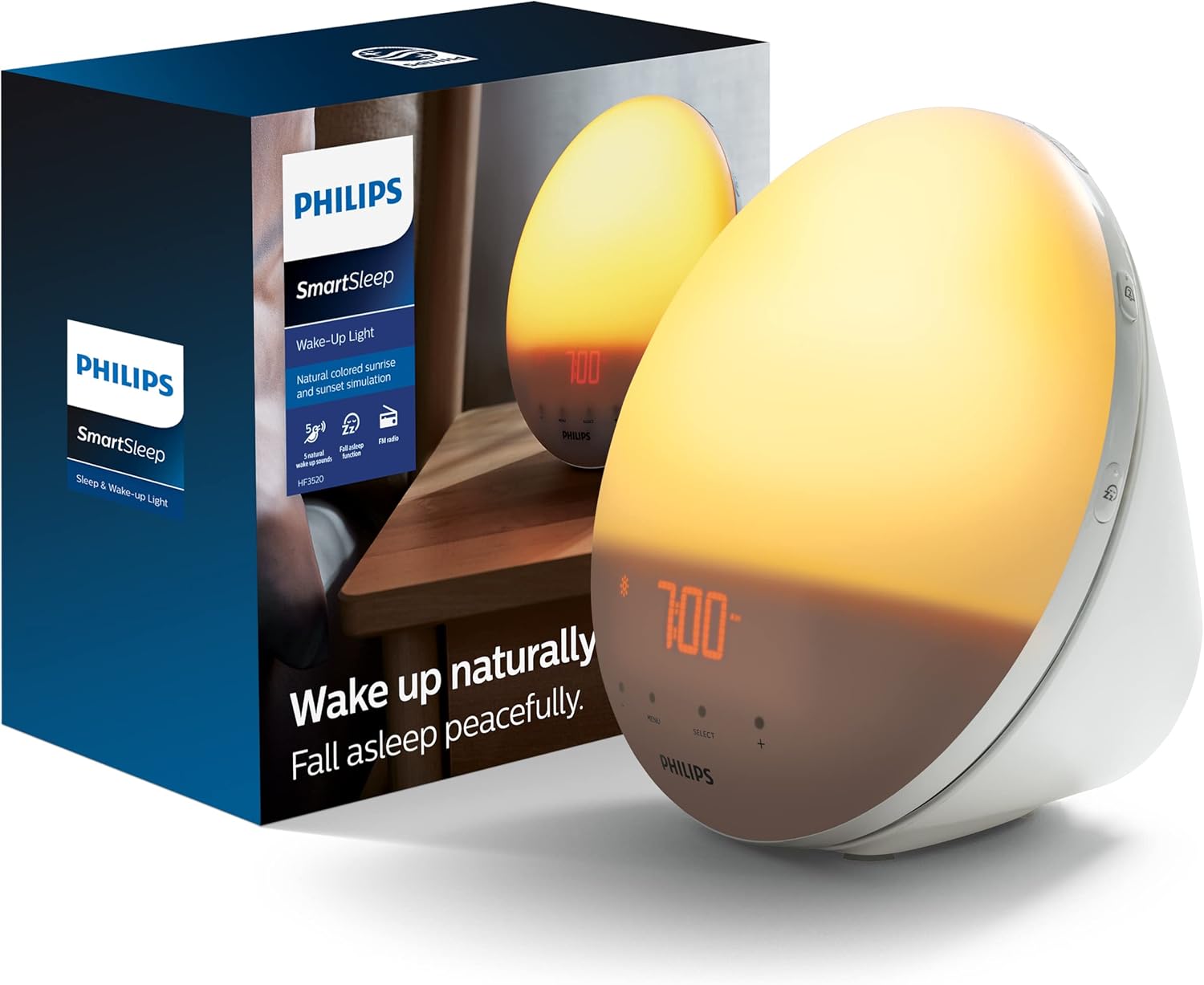
Philips SmartSleep Wake-up Light HF3520/60 — Check this exact product on Amazon. Verify the selected variant and seller. The image illustrates the listing and does not imply that this site has physically tested it.
Before paying, compare the model code and current Amazon description with the constraints you wrote in the fit check. Read the applicable care and safety directions. Reviews may point to recurring questions, but a reviewer’s room, usage and expectations may differ from yours. Check the retailer’s return conditions if any deciding detail remains uncertain.
The small-home verdict
An adult who wants to try a gradual light-based waking routine and can put the lamp in a useful bedside position. An existing dimmable bedside lamp plus a reliable alarm may be enough if the main goal is gentler room lighting. The deciding factor is whether it improves a real routine without moving clutter into another part of the room. Revisit the measurements and the exact listing when you are ready to buy. If your existing solution still works and the problem rarely occurs, postponing the purchase is a reasonable decision.
Explore our Buying Guides and the Bedroom room guide for related ideas.
Sources
- Amazon product listing — https://www.amazon.com/dp/B0093162RM
- Manufacturer/source information — https://www.usa.philips.com/c-p/HF3520_60/smartsleep