A multipurpose room only saves space when it can actually change functions. If the desk stays buried under toys, guest bedding lives on the floor, and work supplies migrate to the sofa, the room is doing several jobs badly instead of several jobs well. For a related step-by-step approach, see How to Handle Everyday Stains and Odors Before They Become Big Cleaning Jobs.
The key is a transition system: each mode needs a minimum setup, a minimum teardown, and a place for the items that disappear when the room changes jobs.
Name the room’s three most important modes
Do not plan for every possible use. Choose the modes that genuinely happen. For example:
- work mode,
- play mode,
- guest mode.
A fourth occasional use can exist, but the storage should serve the common modes first.
Define what stays in every mode
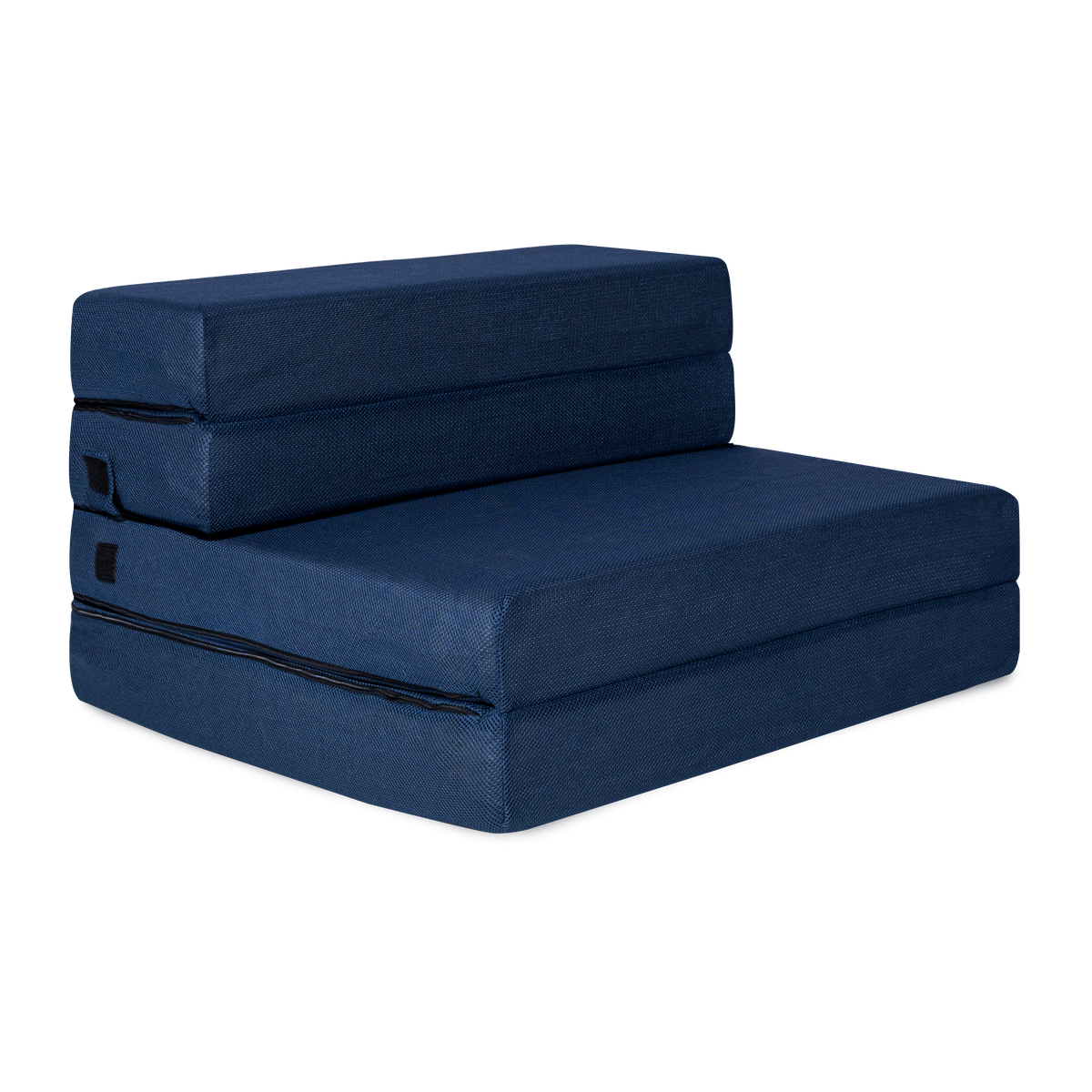
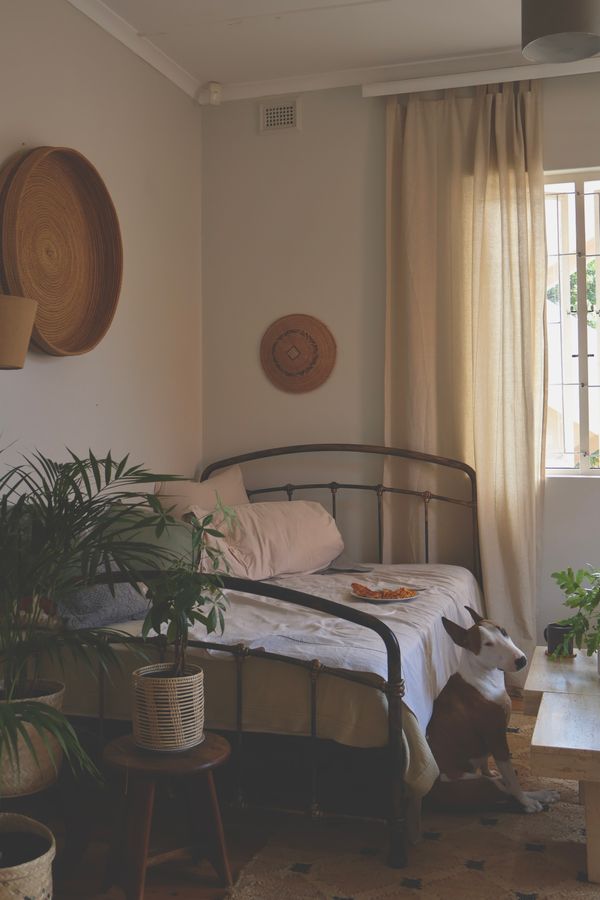
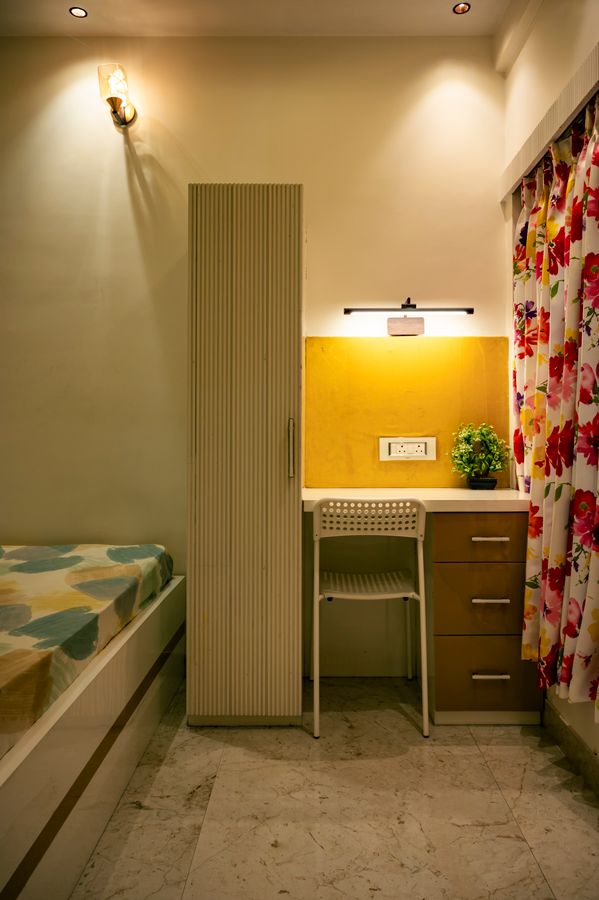
Permanent furniture should support more than one use where possible. A daybed can be seating and guest sleep space. A desk can double as a console. A storage bench can hold bedding and provide seating. You may also find How to Create a Sports-Gear Drop Zone in a Small Family Home useful for a closely related small-home problem.
The fewer pieces that have to move, the easier the transition.
Create one transition bin per mode
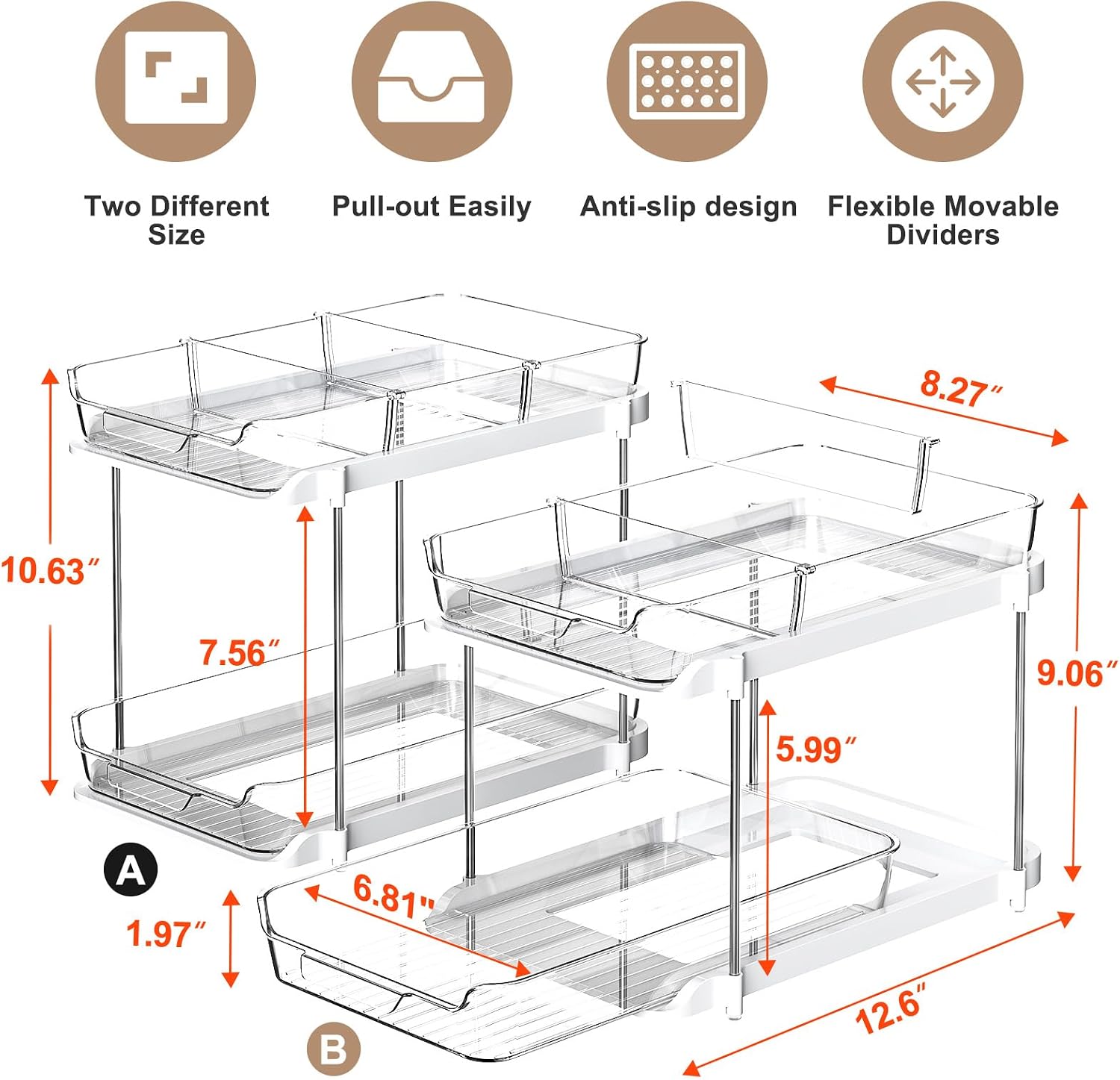
Use a bin, basket, drawer, or cabinet zone for the items that appear only during one mode.
Examples:
- work: laptop stand, notebook, headset, cables;
- play: current toys, craft mat, activity supplies;
- guest: sheets, pillowcases, towel set, charging cable.
The container acts like a compact “kit” for that version of the room.
Protect one clear floor zone
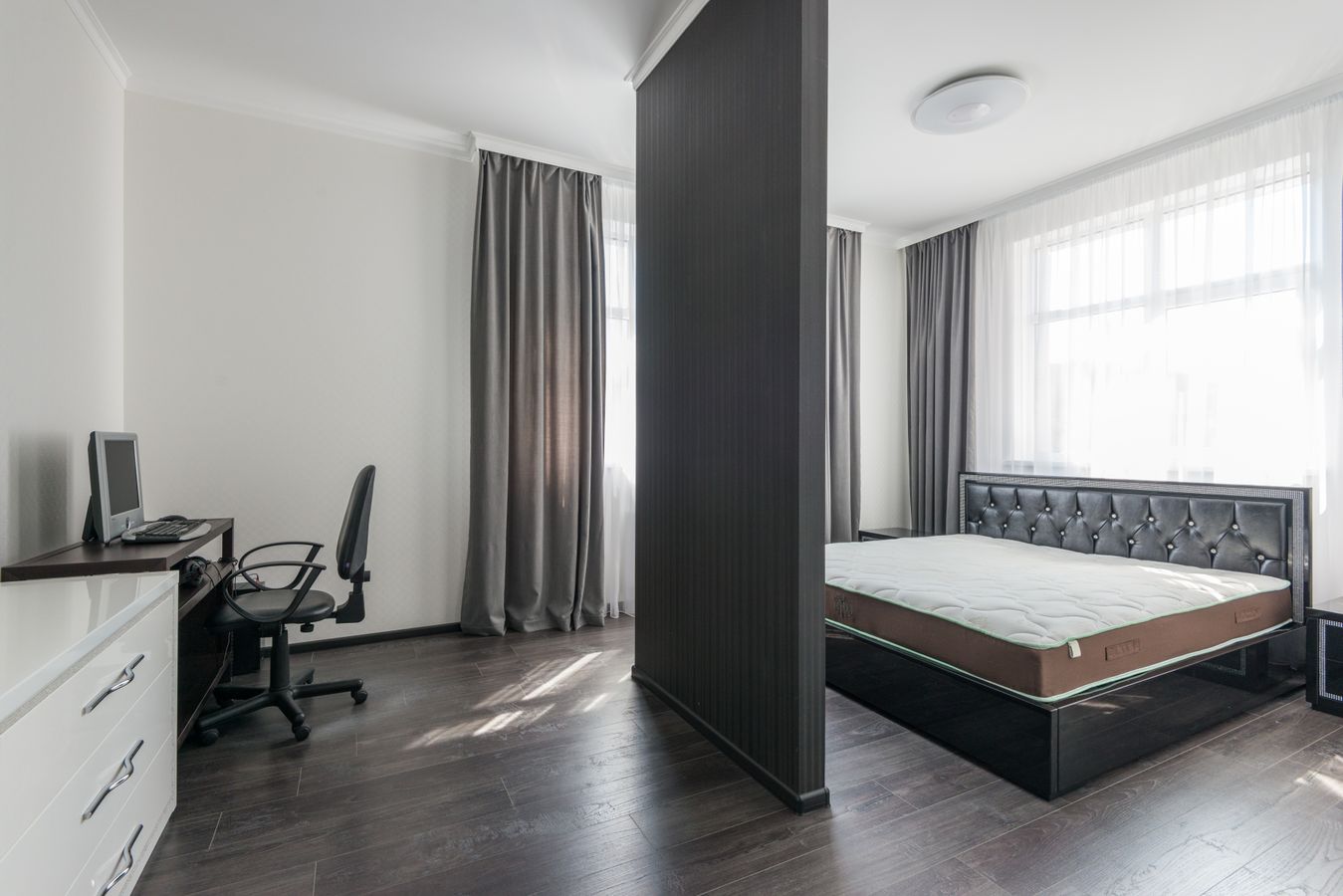
Multipurpose rooms fail when every function claims permanent floor space. Keep one open area that can change from play to luggage to stretching to an extra chair. You may also find How to Keep a Small Home Office Tidy When You Work There Every Day useful for a closely related small-home problem.
Give large items parking spots
Folding table, extra chair, toy bin, guest luggage rack, or rolling cart: if a large item has no parking location, it will block transitions.
Mark the parking spot mentally or physically and avoid filling it with unrelated storage.
The 8-minute work-to-play reset
- save and close work,
- put cables/headset into work bin,
- remove cups and paper,
- push chair to its parking spot,
- clear the main floor zone,
- bring out one play category.
The 10-minute play-to-guest reset
- return active toys to broad bins,
- move toy overflow out of the room,
- clear surfaces,
- open or prepare the sleeping furniture,
- bring out guest linen kit,
- leave one clear surface for guest belongings.
The 5-minute guest-to-normal reset
Strip or collect guest linens, return guest items to their container, restore the main furniture position, and reset the room to whichever mode comes next.
Store by transition frequency
Items used every day should be easy to reach. Guest bedding used twice per year can go higher or farther back. Do not give prime storage to low-frequency mode items.
Use surfaces for one mode at a time
The desk can be a work surface or a guest landing zone, but trying to keep both setups visible at once creates clutter. A successful multipurpose room has serial functions, not simultaneous clutter. If you are working on the same space, How to Move Into a Smaller Home Without Re-Creating Your Old Clutter covers the next decision in more detail.
What about a guest bed?
If guests are occasional, consider whether the sleeping setup can remain compact between visits. If a permanent bed is required, make the surrounding storage and floor space do more of the work.
Keep work paper contained
Use one active folder or tray. Archive material elsewhere. This prevents work mode from continuing visually after the room changes function.
Make play storage fast, not detailed
Broad categories are more useful than elaborate sorting when the room must clear quickly. One bin for building toys is easier to reset than five bins for different block types.
A weekly multipurpose-room audit
- Which mode took too long to set up?
- Which item had no parking spot?
- Which bin overflowed?
- Which permanent piece blocked movement?
- Which low-use item occupied prime storage?
Fix one friction point per week rather than redesigning the room constantly.
Pair the room with a whole-home system
If the room serves too many functions because the rest of the home lacks storage, solve the upstream problem too. See How to Make One Small Room Work for Two or Three Purposes for layout planning.
Frequently asked questions
How many functions can one small room realistically have?
Often two or three works well when functions happen at different times and share furniture. More functions can work, but transitions usually become more demanding.
Should every mode have its own furniture?
No. Shared furniture is often what makes the room viable. Give each mode its own portable supplies instead.
How do I make guest mode feel intentional?
Keep one ready guest kit with linens, towel, charger, and a clear landing surface so the room can switch without searching the whole house.
Design for the transition, not just the photo
A multipurpose room works when the household can change it quickly. Build small mode kits, protect open floor space, give large items parking spots, and let one surface do one job at a time.