Downsizing before a move is only half the job. The second risk appears after the boxes arrive.
A smaller home can become crowded within days if every box is unpacked simply because it made the trip. Old storage habits reappear. “Temporary” piles settle into corners. New organizers get purchased before anyone understands the new space.
The clean start lasts when you unpack by capacity and function, not by urgency to empty boxes.
Do not unpack everything on day one
Unpack the rooms that support normal life first: beds, bathroom, basic kitchen, current clothing, work/school essentials. For the broader setup, Small Apartment Paper Organization: A Simple System That Stays Tidy is a useful next read.
Low-frequency categories can wait until you know how the home actually feels.

Make every box earn a destination
Before opening a box, know where the category is supposed to live. If there is no realistic destination, pause.
That pause is useful information. The category may still be too large for the new home.
Keep a donation box open for the first month
Some decisions only become obvious after moving. A kitchen tool looked essential until the new drawers filled. A chair fit on paper but blocked the real walkway.
Keep one donation/exit box active while the home settles.
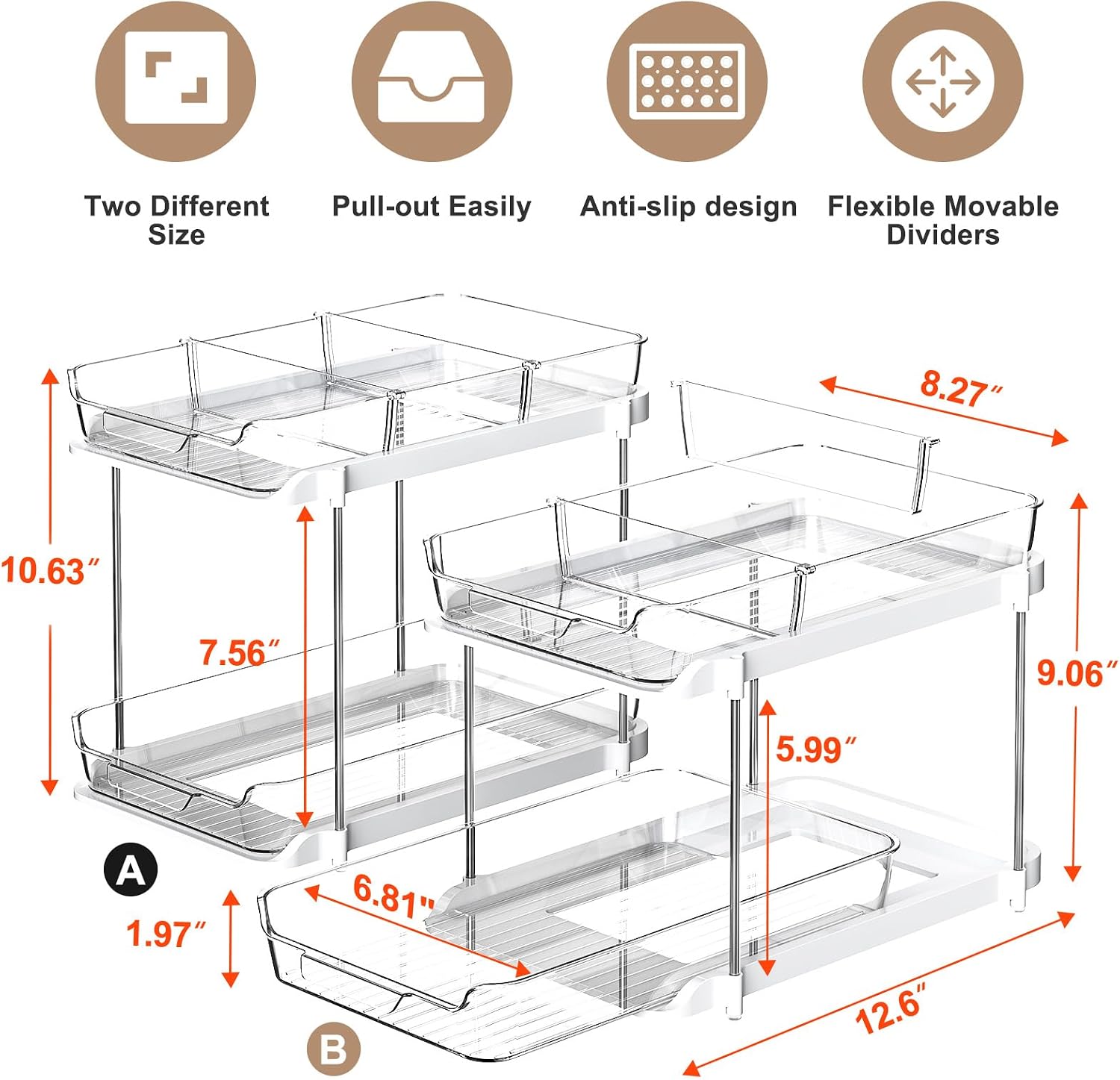
Delay organizer purchases
Live with the new storage for at least a little while before buying large systems. You may discover that a category belongs in another room or needs to shrink first.
Protect the main circulation path
Do not let unopened boxes live indefinitely in hallways, beside the bed, or around the sofa. Create one temporary box zone and keep daily paths clear. If you are working on the same space, How to Create a Sports-Gear Drop Zone in a Small Family Home covers the next decision in more detail.

Unpack by frequency
Put daily items in the easiest storage. Weekly items can go slightly farther away. Seasonal and archival categories get the least convenient usable zones. You may also find How to Organize a Home So Kids Can Put Their Own Things Away useful for a closely related small-home problem.
This prevents rare items from taking the best storage just because their box was opened first.
Do not recreate the “miscellaneous drawer” immediately
If a small object has no home, ask what activity it belongs to. Cables go with devices. Batteries go with household supplies. Tape goes with office or repair items.
Give the object a category before giving it a drawer.
Use the first two weeks as a storage test
Notice what keeps landing on counters, floor, and furniture. Those piles reveal missing systems.
Fix the repeat problem instead of organizing every room at once.
Re-measure before placing bulky furniture
A piece can technically fit and still make the room harder to use. Protect walking paths, door swings, drawers, and the space needed to actually sit or work.
Keep “sort later” boxes on a deadline
If a box remains closed for weeks, schedule a decision date. Permanent taped boxes are simply storage you have stopped questioning.
Use your old home as data
Which categories always overflowed before the move? Shoes? Pantry items? Laundry? Toys? Paper?
Do not rebuild the same capacity problem with prettier bins.
A 30-day smaller-home settling plan
Week 1
Essential rooms and daily routines.
Week 2
Secondary storage and problem piles.
Week 3
Low-frequency categories and furniture adjustments.
Week 4
Final donation exit, organizer purchases only where the need is now clear.
Use the packing plan as a reference
If you are still preparing for the move, see What to Pack First When Moving Into a Smaller Home.
For the earlier reduction step, see How to Downsize Before Moving Into a Smaller Home.
Frequently asked questions
Should I unpack every box quickly?
Unpack essentials quickly, but low-frequency boxes can wait until you know where the category belongs.
When should I buy storage furniture?
After you understand the new home’s real traffic and storage bottlenecks. Measure before adding permanent furniture.
What if there is nowhere for a category?
Reduce the category, relocate it to lower-frequency storage, or reconsider whether it belongs in the new home.
A smaller home needs different habits, not smaller versions of old clutter
Let the new space teach you where the limits are. Unpack slowly enough to notice them, keep an exit route open, and resist filling every cabinet just because the boxes are there. If you are working on the same space, Where to Store Important Documents in a Small Apartment covers the next decision in more detail.