Moving into a smaller home changes the packing question. You are not simply moving everything from one address to another. You are deciding what deserves space in a home with less storage, less floor area, or both. If you are working on the same space, How to Move Into a Smaller Home Without Re-Creating Your Old Clutter covers the next decision in more detail.
The smartest packing order is low-frequency first, high-frequency last—but only after you have decided what the smaller home can realistically hold. You may also find GRUSIGN vs Korser vs CUBENTE comparison for small homes useful for a closely related small-home problem.
Before packing: decide what is actually moving
Measure the new rooms, closet space, major walls, and large furniture destinations. If a sofa, cabinet, desk, or dining table will not fit, do not pack around it as if the decision can wait. If you are working on the same space, How to Store Seasonal Items in a Small Apartment Without Losing Everyday Space covers the next decision in more detail.
Use How to Downsize Before Moving Into a Smaller Home for the full capacity-first process.
Pack 1: decor and low-frequency display items
Start with framed art, decorative objects, extra vases, seasonal decor, and collectibles you have already decided to move.
These items can disappear for several weeks without affecting daily life.
Pack 2: books you are keeping
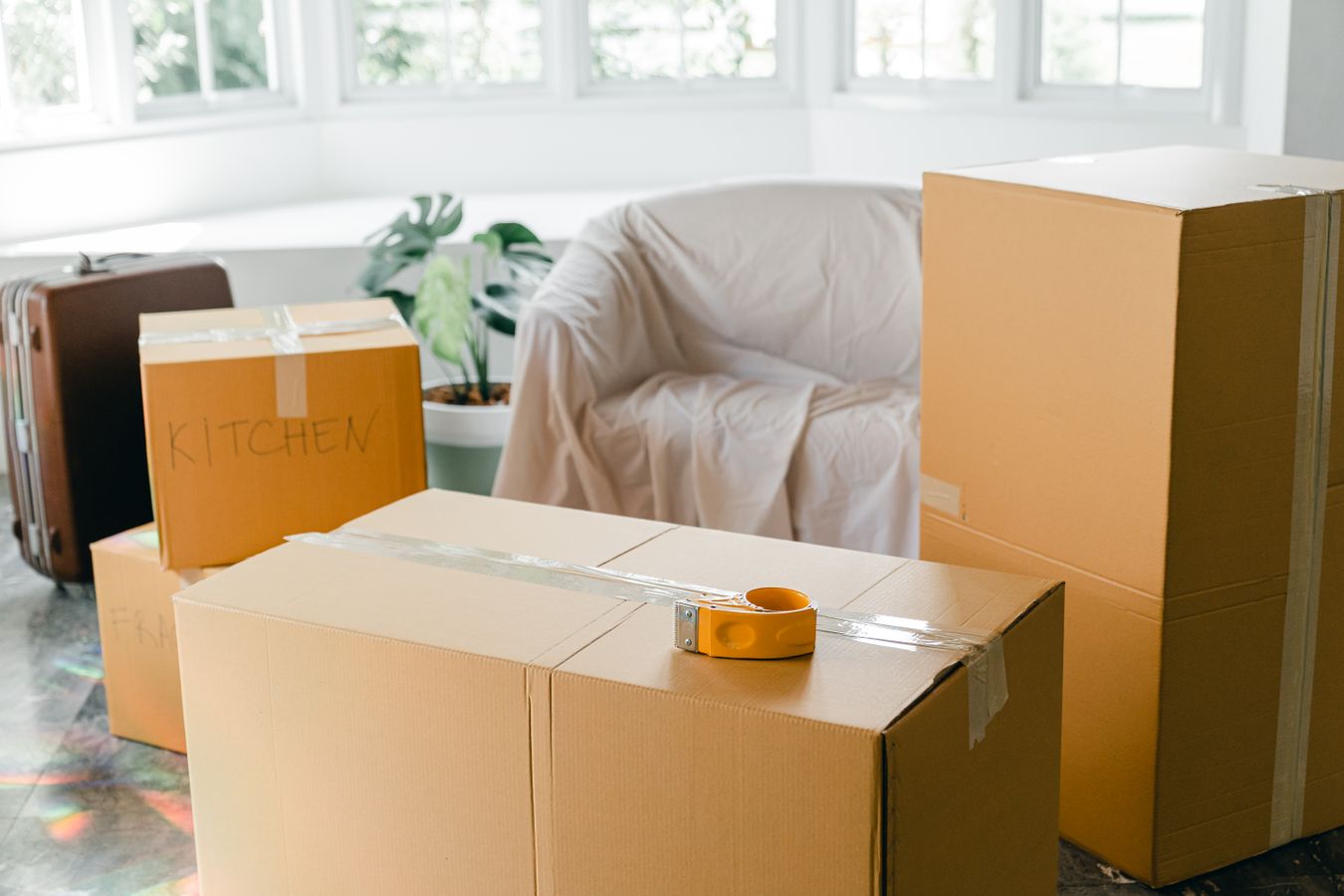
After editing the collection, pack books in smaller boxes so they remain manageable. Label by destination shelf or room rather than simply “books.”
Pack 3: off-season clothing
Pack clothing the household will not need before moving day. Keep current-weather clothing accessible.
This is also a good point to remove garments that no longer fit the new wardrobe capacity.
Pack 4: guest and spare linens
Keep the bedding and towels needed for daily life. Pack guest sets, decorative pillows, spare blankets, and extra linens earlier.
Pack 5: hobby supplies with no near-term use
Pack project materials you will not need before the move. Do not pack unfinished “maybe I will work on this before moving” projects unless you have a real date to use them.
Pack 6: duplicate kitchen equipment
Keep one everyday set of cookware, dishes, utensils, and basic food-prep tools. Pack—or remove—duplicates and specialty equipment early.

Pack 7: archive and reference items
Store records, warranties, manuals, and long-term files securely and label them clearly. Keep moving documents, IDs, lease/closing papers, medications, and critical records with you rather than buried in household boxes.
Pack 8: secondary rooms before primary rooms
If you have a guest room, hobby room, formal dining area, storage room, or other low-use space, close those zones before dismantling the kitchen or main bedroom. For a related step-by-step approach, see How to Keep a Small Home Tidy When You Have Almost No Closet Space.
Pack 9: everyday home, one category at a time
In the final week, work through categories rather than randomly packing visible objects. Kitchen, bathroom, bedroom, entryway, living room.
Label each box with the new-home destination.
Pack last: the first-night essentials
Keep one clearly marked group for:
- medications,
- toiletries,
- chargers,
- two or three days of clothing,
- bedding,
- basic towels,
- coffee/breakfast essentials,
- pet supplies if needed,
- children’s comfort items,
- basic cleaning supplies.
Use destination labels, not memory
A label such as “Bedroom — top closet shelf — winter bedding” is more useful than “Linens.” The more specific the destination, the fewer boxes become temporary floor storage.
Do not use packing as delayed decluttering
Boxes labeled “miscellaneous,” “sort later,” or “maybe” often become long-term storage in the smaller home. If a category has no destination, make the decision before taping the box.
Keep a donation exit active until moving day
As packing reveals duplicates and forgotten items, keep one donation box open. Do not force questionable items into moving boxes just because the main decluttering session is finished.
A two-week packing sequence
Days 14–10
Decor, books, off-season clothing, spare linens.
Days 9–6
Hobbies, archives, duplicate kitchen tools, low-use rooms.
Days 5–3
Most clothing, kitchen extras, bathroom backups, living-room extras.
Days 2–1
Daily essentials except first-night kit.
Moving day
First-night kit, medications, documents, chargers, remaining food, and immediate cleaning items.
Frequently asked questions
Should I pack one room at a time?
For a downsizing move, category and frequency can be more useful than old-room boundaries. Label for where items will live in the new home.
What should never go deep inside the moving truck?
Critical documents, medications, essential devices/chargers, and items you need immediately should remain accessible and be transported appropriately.
How do I avoid too many boxes in the new home?
Set category limits before packing and require each box to have a realistic destination.
Pack in the order the new home will need things
Low-use categories can disappear first. Daily life should remain functional until the final days. When every box has a destination and essentials stay accessible, the smaller home begins with less chaos and fewer postponed decisions.