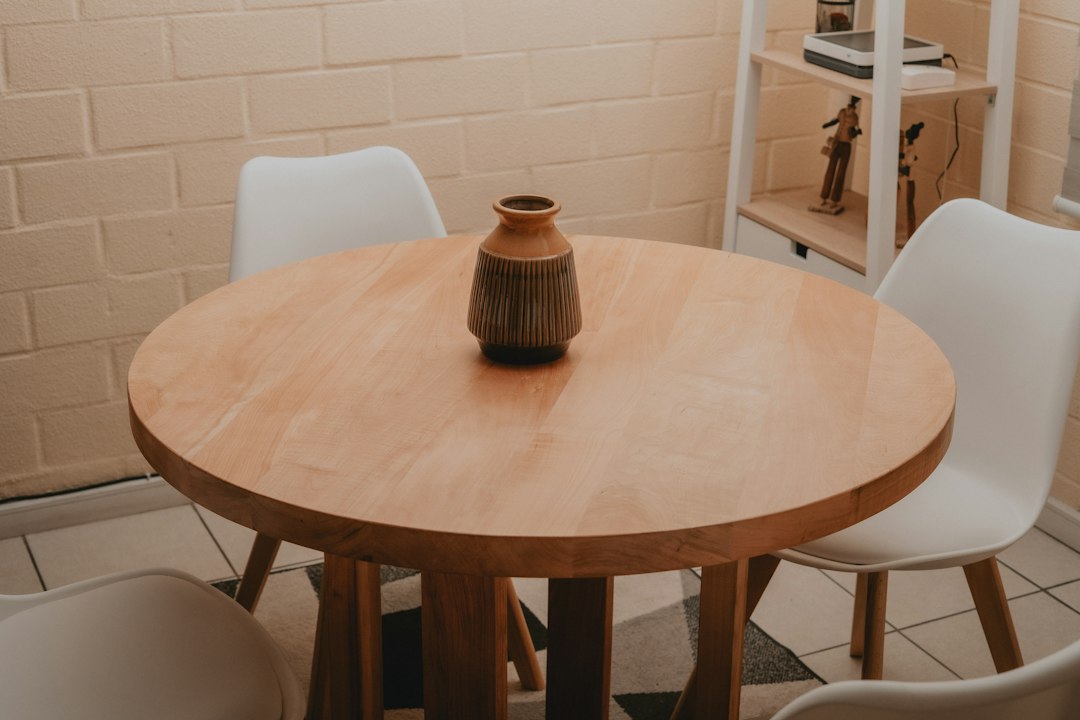
In many small homes, the dining table is not really a dining table.
It is a homework desk at 4:00, a craft table at 5:00, a dinner table at 6:30, and sometimes an adult work surface after the kids go to bed. The problem is not that the table has several jobs. The problem is when one job leaves its supplies behind for the next one. You may also find How to Make One Small Room Work for Two or Three Purposes useful for a closely related small-home problem.
The solution is a transition-first dining area.
Decide the table’s non-negotiable function
For most families, the table has to become available for meals at a predictable time. That gives the other activities a deadline.
Homework and crafts can spread out—but they need a shutdown routine before the meal window begins.
Keep homework supplies portable
Use one caddy, basket, or small rolling container for pencils, erasers, scissors, ruler, and other frequently used school supplies.
The entire homework setup should be able to leave the table in one or two trips.
Keep craft supplies separate from homework
Markers and glue may overlap, but specialty craft materials create more mess and unfinished projects. Keep them in a separate kit so the homework setup stays light. For the broader setup, How to Create a Home Office in a Small Space Without a Dedicated Room is a useful next read.
For a child-focused craft system, see How to Organize Kids’ Art Supplies in a Small Home Without Creating a Craft Explosion.
Give unfinished work a parking place
If a project cannot be completed before dinner, move it intact to a tray, board, project box, or nearby shelf.
The table should not become permanent storage simply because something is “still in progress.”
Keep one drawer, shelf, or cabinet for table support
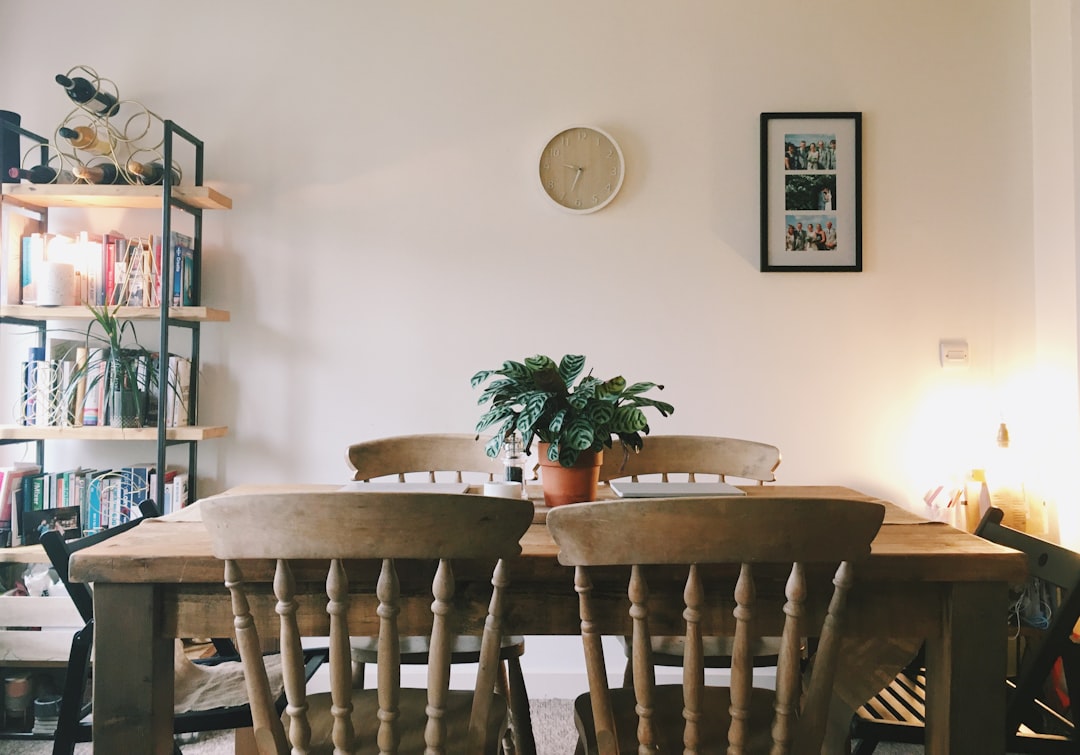
Store placemats, homework caddy, napkins, and a few current craft supplies close enough that transitions stay fast.
Do not turn the nearest cabinet into storage for every school and art supply in the house.
Use a surface protector when the activity needs one
For messy crafts, use an appropriate mat, board, or covering that protects the table and can be removed with the project.
A removable work layer is often easier than cleaning glue, paint, or marker residue later.
Keep the center of the table flexible
Large permanent centerpieces, piles of mail, and decorative trays all have to move when homework begins. Keep permanent decor small enough that it can shift in seconds. For a related step-by-step approach, see A Simple Seasonal Declutter Before Bringing Holiday Decor Into a Small Home.
Build a 5-minute homework-to-dinner transition
- papers back to folders or backpacks,
- supplies into the homework caddy,
- unfinished work to its parking tray,
- devices to charging,
- table surface cleared,
- meal setup begins.
Build a 7-minute craft-to-dinner transition
- cap markers and close glue,
- collect scraps,
- move wet or unfinished work to the project zone,
- return specialty materials,
- remove the surface protector,
- wipe the table as appropriate,
- set for the next use.
Use chairs as chairs
If chairs become backpack, coat, and clean-laundry storage, the dining area loses capacity before anyone sits down. Keep personal belongings in their own landing zones.
For adults who work at the table
Use the same portable-work principle. Laptop, charger, notebook, and current files should have a shutdown container or nearby home when work ends. You may also find How to Reset a Multipurpose Room Between Work, Play, and Guests useful for a closely related small-home problem.
Protect one meal with no setup burden
At least one daily meal should not begin with ten minutes of clearing clutter. That is the real test of whether the multipurpose table system is working.
Pair it with the homework routine
If schoolwork is the table’s most frequent second use, see How to Create a Quiet Homework Zone in a Small Family Home.
Frequently asked questions
Can one small table really serve all these functions?
Yes, when each activity uses portable supplies and has a clear end-of-session reset.
Where do unfinished crafts go?
Use one tray, board, shelf, or project box that can move off the table intact.
Should I buy a larger dining table?
Only if the room can support the larger footprint. Fix transition clutter before assuming the table itself is too small.
One table can do several jobs if each job knows when to leave
Meals, homework, crafts, and work do not have to compete. Portable kits, one project parking place, and short transition routines let the table change roles without turning every evening into a cleanup negotiation.