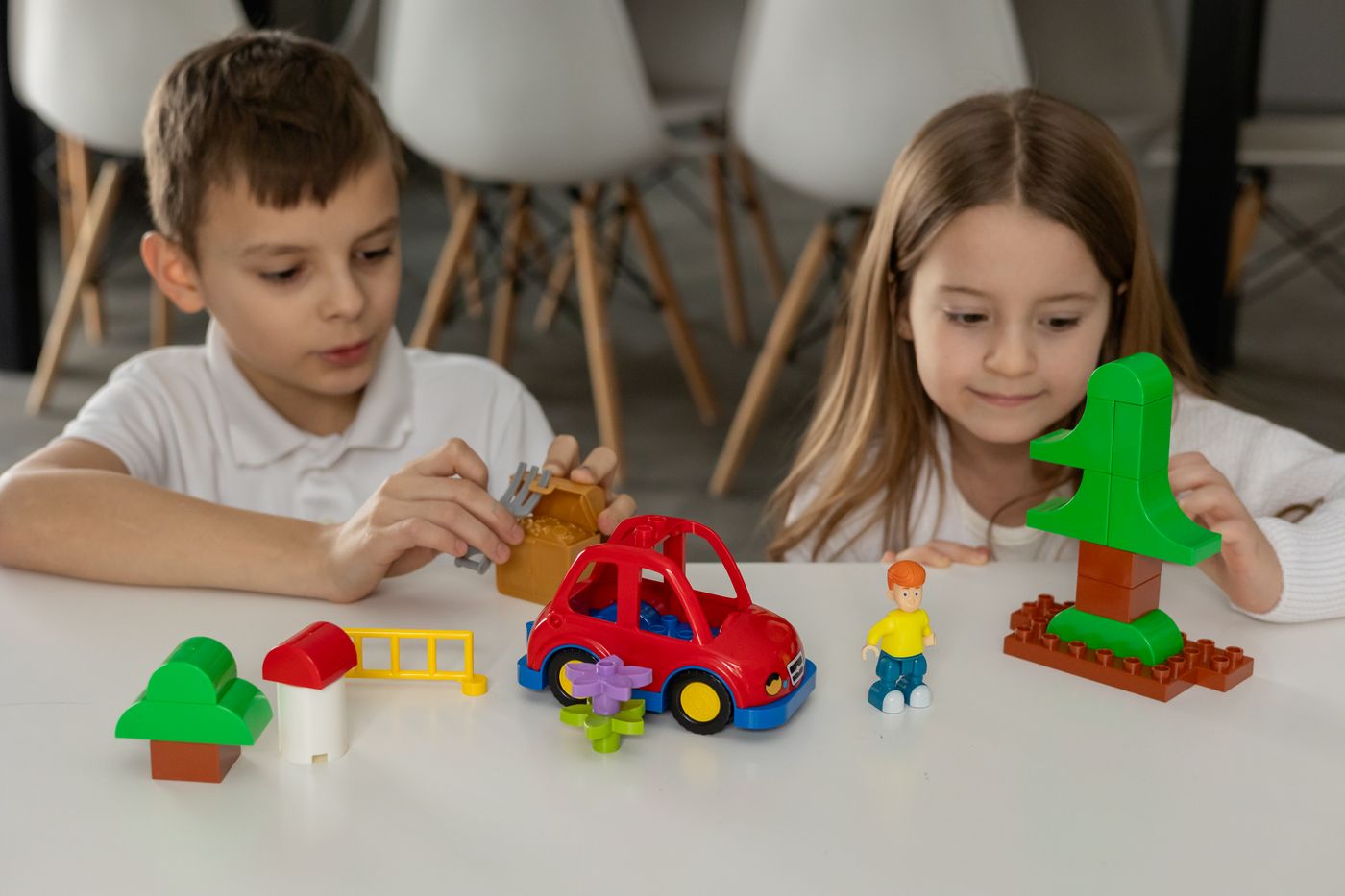
A family building challenge can begin with a small shared goal and the blocks already in the house. The interesting part is deciding how different ideas can work together: a bridge with a usable opening, a neighborhood with several homes, or a creature assembled from separate contributions. A larger collection is not a prerequisite for that conversation.
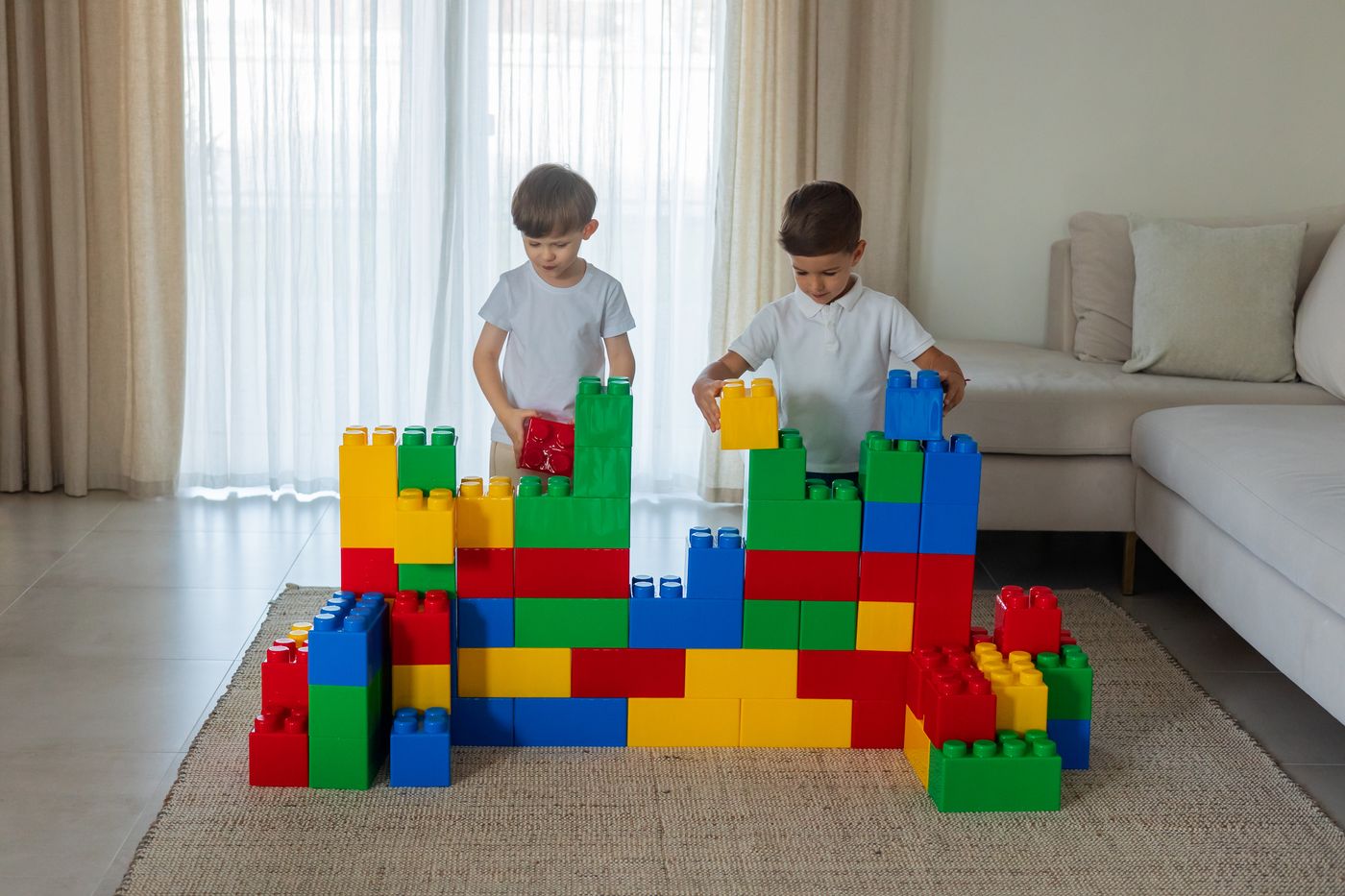
Pinterest’s Fall 2026 creator themes include hands-on hobbies and casual crafting. A block-building session is one practical way to apply that interest at home. Choose materials, supervision, and activities appropriate to the actual participants and the block maker’s age and use instructions. The photographs illustrate different building situations; they do not establish that every pictured toy is suitable for every child.
Choose one achievable challenge together
Offer a small choice of goals that suits the available pieces and participants. “Build a place for three toy animals” is easier to understand than “make something amazing.” Keep the goal open enough that different constructions can meet it, without requiring one child to copy a model selected by an adult.
Ask what each person wants to contribute. A participant might build an entrance, arrange a courtyard, choose a name, or simply observe. Participation does not need to look identical. Someone who is interested in sorting shapes can contribute without being required to construct the tallest element.
Check that the challenge is possible with the existing set. If it requires a specialist connector or a large number of matching pieces you do not own, simplify the goal. A shortage can become a design choice, but it should not become pressure to buy a new set before the activity can begin.
Select suitable pieces and a working area
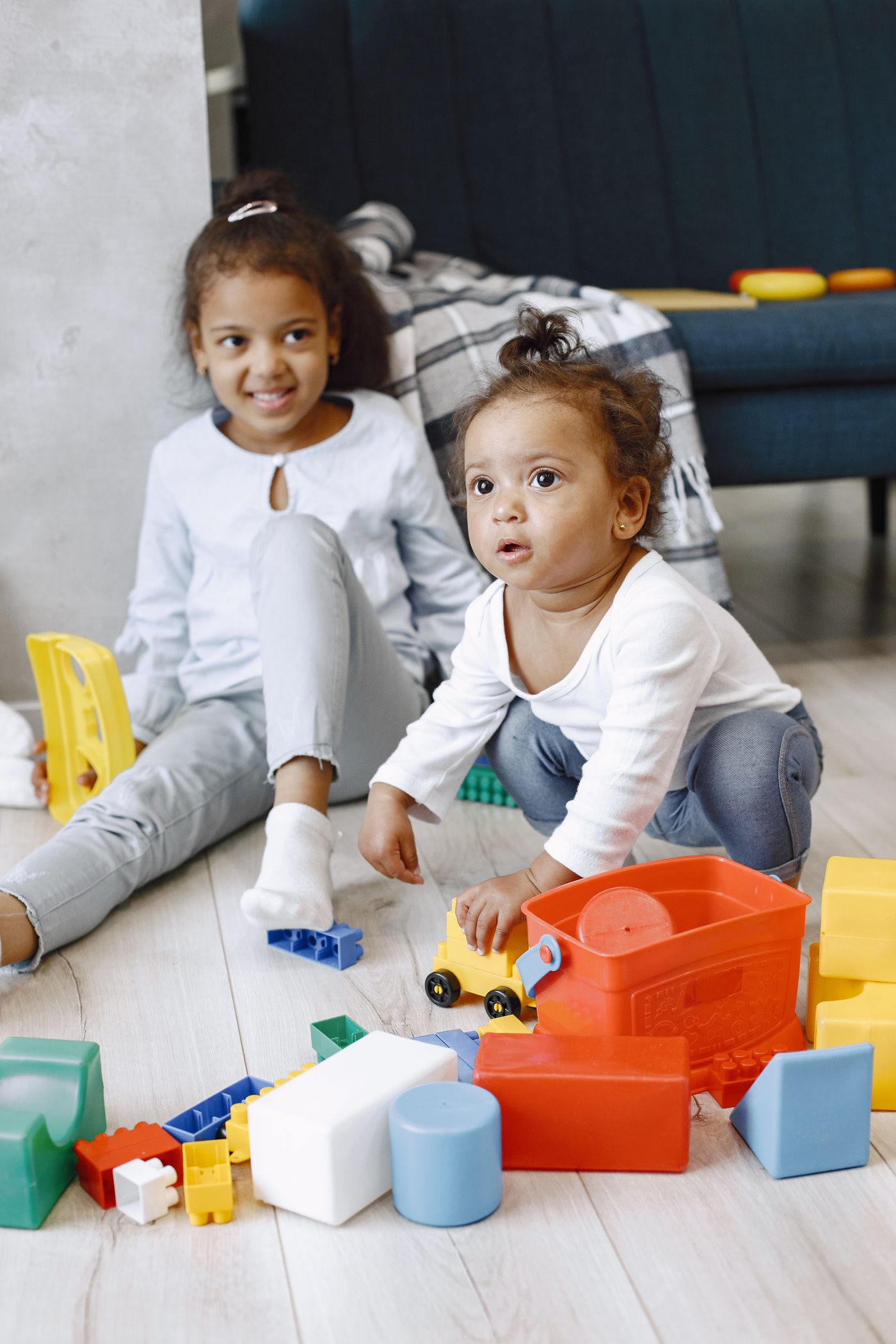
Bring out the appropriate materials for the group, following their age and use guidance. Keep unsuitable small parts or unrelated toys separate. Do not infer suitability from a child’s enthusiasm or from another household’s photograph. Mixed-age groups may need different materials or separate supervised activities.
Choose a table or floor area that genuinely supports the selected blocks and participants. Large floor blocks and small tabletop construction pieces have different working needs. Keep required walking routes clear and avoid a setup that depends on people stepping over unfinished structures to cross the room.
Limit the initial selection to a manageable amount, retaining access to additional suitable pieces if the group needs them. The toy-chest review considers how a container and its access affect returning a collection. The goal is enough material to build and make choices, with a practical destination after the session.
Agree on ownership and shared changes
Decide whether people are making one shared structure or separate elements that will be combined. Explain that another person’s work should not be altered or dismantled without agreement. An adult’s ability to connect two sections more neatly does not create permission to take over the design.
For a shared structure, use an agreed way to propose changes. A person can explain the idea, point to the intended area, and ask whether the group wants to try it. Keep the discussion concrete rather than labeling one approach clever and another wrong.
If the group uses borrowed pieces or a borrowed set, keep the owner’s conditions and return requirements clear. Borrowing toys without losing ownership and return details addresses that separate responsibility. A successful family build should not leave another household’s pieces mixed permanently into the collection.
Build in contributions people can recognize
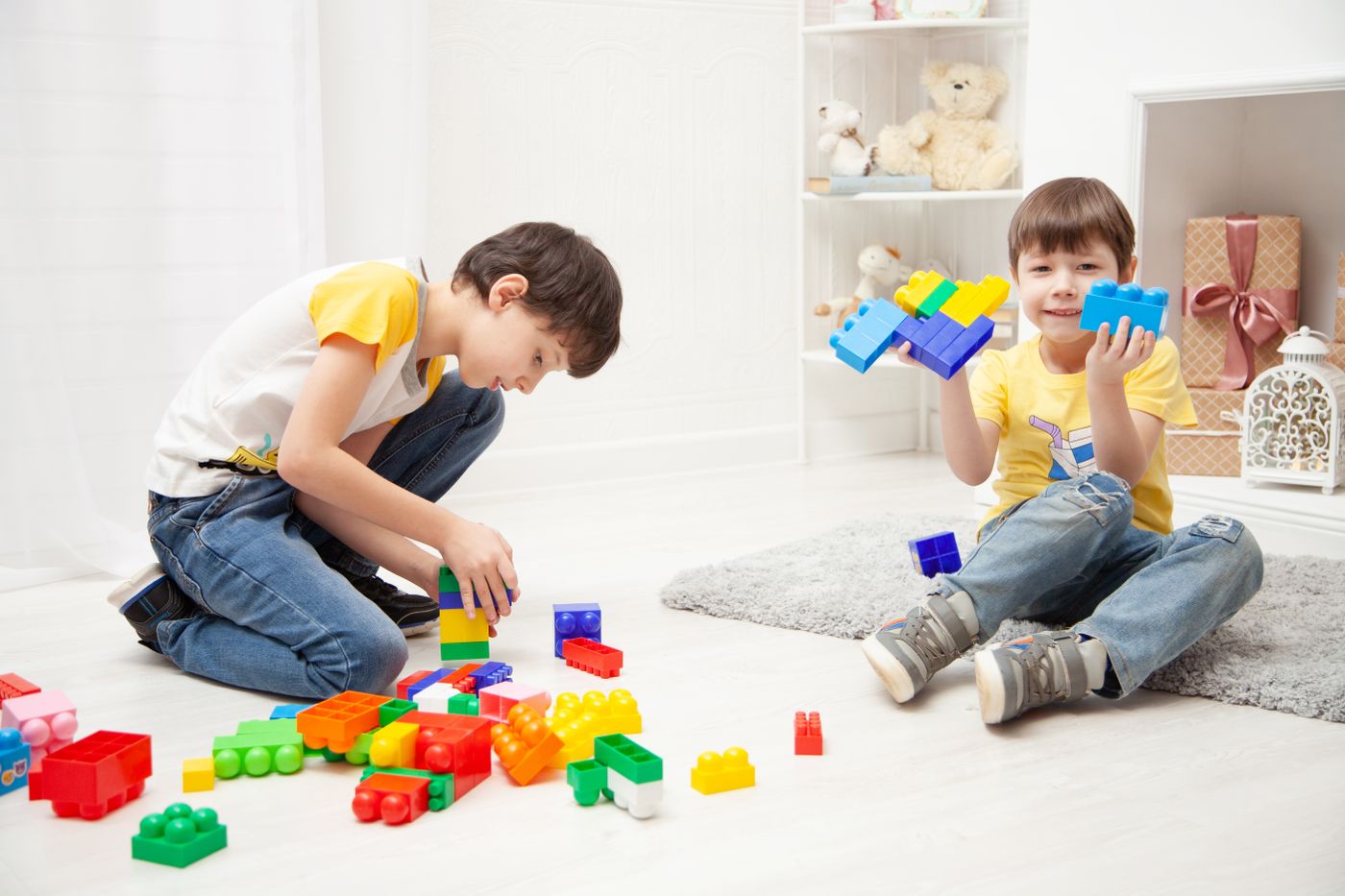
Let participants work at different speeds. One person can make a small doorway while another builds a longer wall. Pause at an agreed point to see whether the elements can connect, keeping each person’s contribution visible in the discussion.
Avoid assigning the most experienced builder every structural decision by default. They can explain a technique or demonstrate on a separate small example when help is requested, then return control. The group can choose a simpler connection rather than surrendering the whole project to the fastest participant.
Give the building space a practical limit. If a structure expands into a route or another person’s work area, stop and revisit the design. The limit can be part of the challenge: make the scene work inside the chosen area using the pieces available.
Treat changes as experiments with permission
When an idea does not work, describe the observable problem. “The opening is too narrow for the toy” offers a clear next question. “You built it wrong” assigns blame without helping the group decide what to change.
Choose one small alteration at a time when appropriate. Ask the owner before removing a section, keep displaced pieces in a defined place, and compare the result with the agreed goal. A trial can be reversed if the group prefers the previous arrangement and the materials permit ordinary rebuilding.
Do not turn the session into an unplanned engineering test with weight, climbing, or other uses outside the toys’ instructions. The challenge is play within the materials’ intended purpose. A decorative block bridge for toy figures does not need to support a person or demonstrate a load claim.
Keep the adult role useful and limited
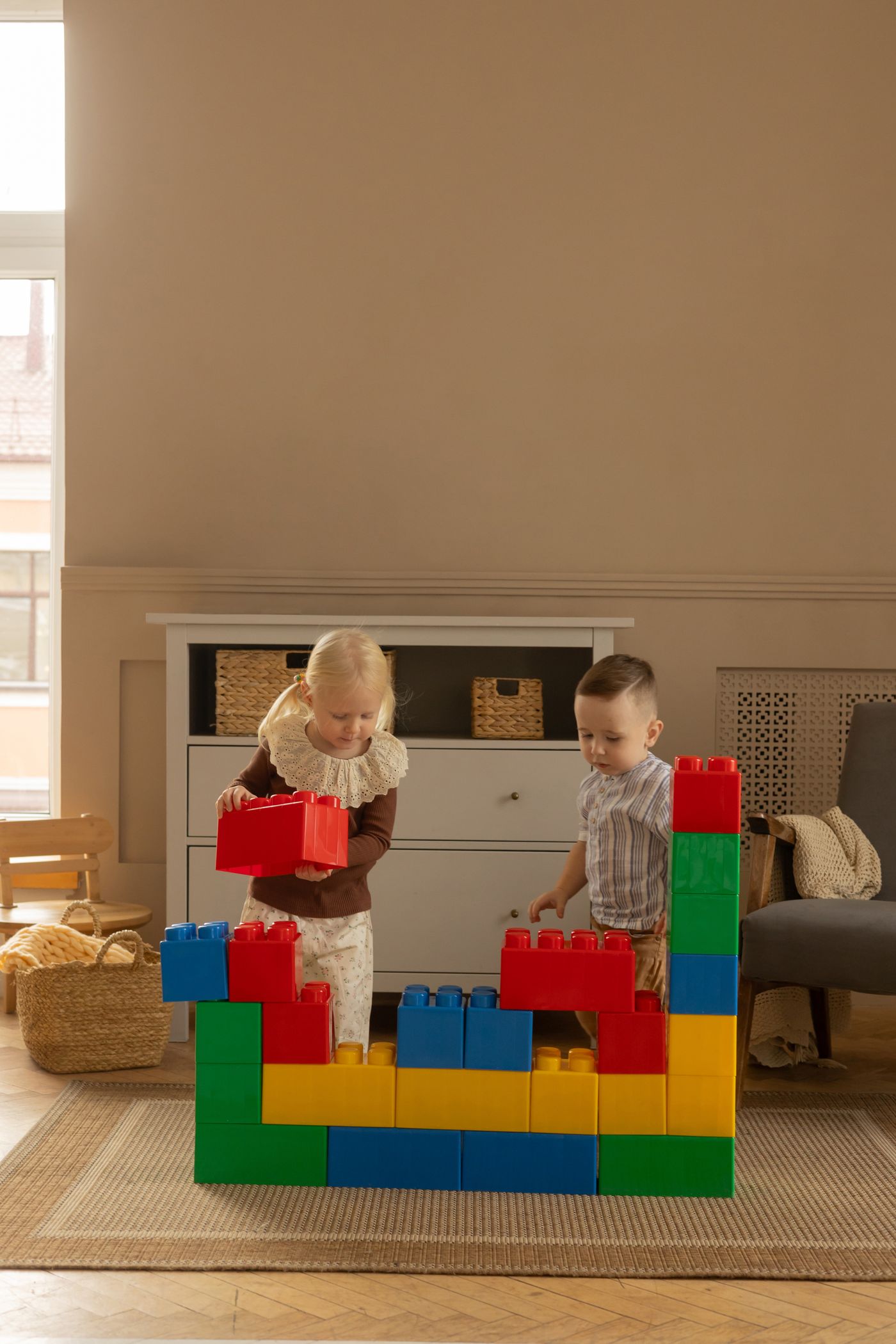
Adults can manage boundaries, help interpret instructions, keep unsuitable materials separate, and support participants who need assistance. They can also build alongside the group. Their role does not require producing a polished final model or keeping every structure standing until it has been photographed.
When conflict appears, clarify whether it concerns a piece, a contribution, the shared goal, or the room boundary. Those are different problems. A limited connector may need turns; an unwanted change needs a permission discussion; an overcrowded surface needs a smaller layout.
If another activity is a better fit for someone, provide an appropriate option where possible. Keeping family creative supplies accessible can support a separate drawing or planning role, with materials suitable to that participant. A child should not have to keep building just to remain part of the family time.
Decide what finished means before the room is needed
The structure can be finished when it meets the chosen goal, when the participants lose interest, or when the room must change use. Agree on a pause rather than waiting until an adult needs the floor immediately. An abrupt cleanup can feel like destruction when nobody knew the build was temporary.
Ask whether the group wants to keep the structure briefly, photograph it with the relevant permissions, or dismantle it together. A kept build needs a suitable location where it does not block the room or expose pieces to inappropriate handling. If that location is unavailable, choose another ending honestly.
For a large project the family wants to retain temporarily, storing oversized children’s work offers broader questions about space and duration. The actual block structure still needs storage appropriate to its construction; a solution for flat paper does not automatically support a three-dimensional model.
Make the return part of the shared session
Put suitable reusable pieces back into their correct sets or locations, checking borrowed materials separately. Keep damaged or questionable items out of ordinary play while the responsible adult assesses the appropriate next step. Do not force incompatible pieces together merely to make the container close.
Divide practical tasks according to the participants’ abilities and the materials involved. One person may collect a suitable category of large pieces, another may return the base, and an adult can manage items that need closer checking. A clear family-chore approach can help make the finish understandable without turning it into a competition over who cleaned fastest.
Leave one brief note if the family wants to return to the idea: the challenge, what worked, and what they might try differently. There is no need to preserve every assembly. The next session can use the same blocks with a different question, giving the existing collection another useful purpose.
Explore related household decisions in our Family Home hub.
Sources and editorial scope
Editorial research checked October 17, 2026. Trend-report dates and limitations are stated in the article; these are editorial applications of published signals, not verified October keyword rankings. Practical household guidance; illustrations do not document a tested household or authenticate a pictured material.