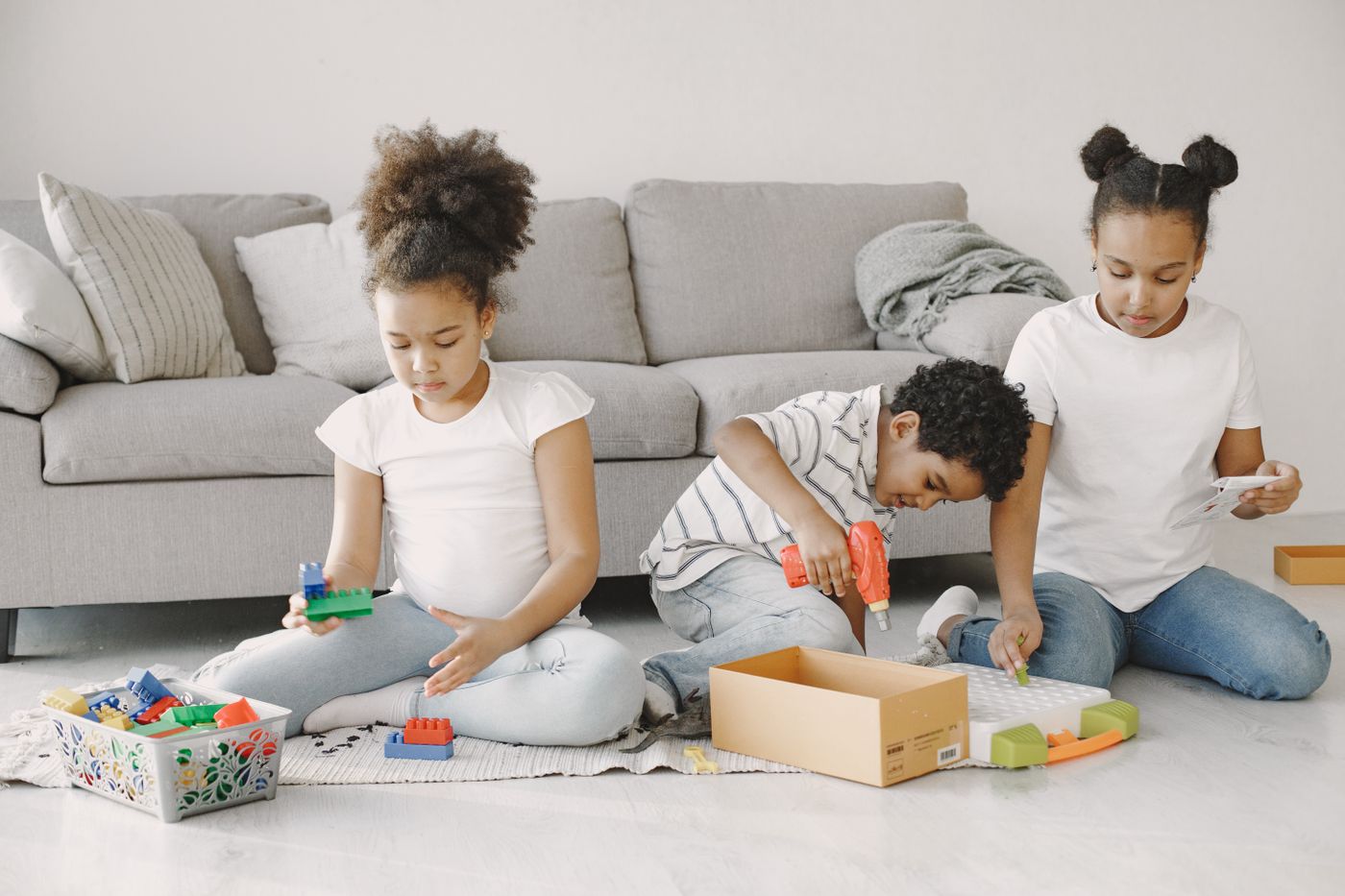
An object-matching hunt can give a small home a sense of discovery without hiding people behind furniture or emptying every toy box. The game is simple: a child receives a suitable picture, description, or matching prompt and looks for an agreed object in an agreed accessible place. The household then returns every object to its ordinary home.
Keep the first hunt short, visible enough for the participants, and small enough that the adult knows exactly what is in play. Choose materials appropriate to the actual children, agree on the permitted search area, and make finishing part of the activity. The goal is a manageable shared game rather than a house-wide test of speed.
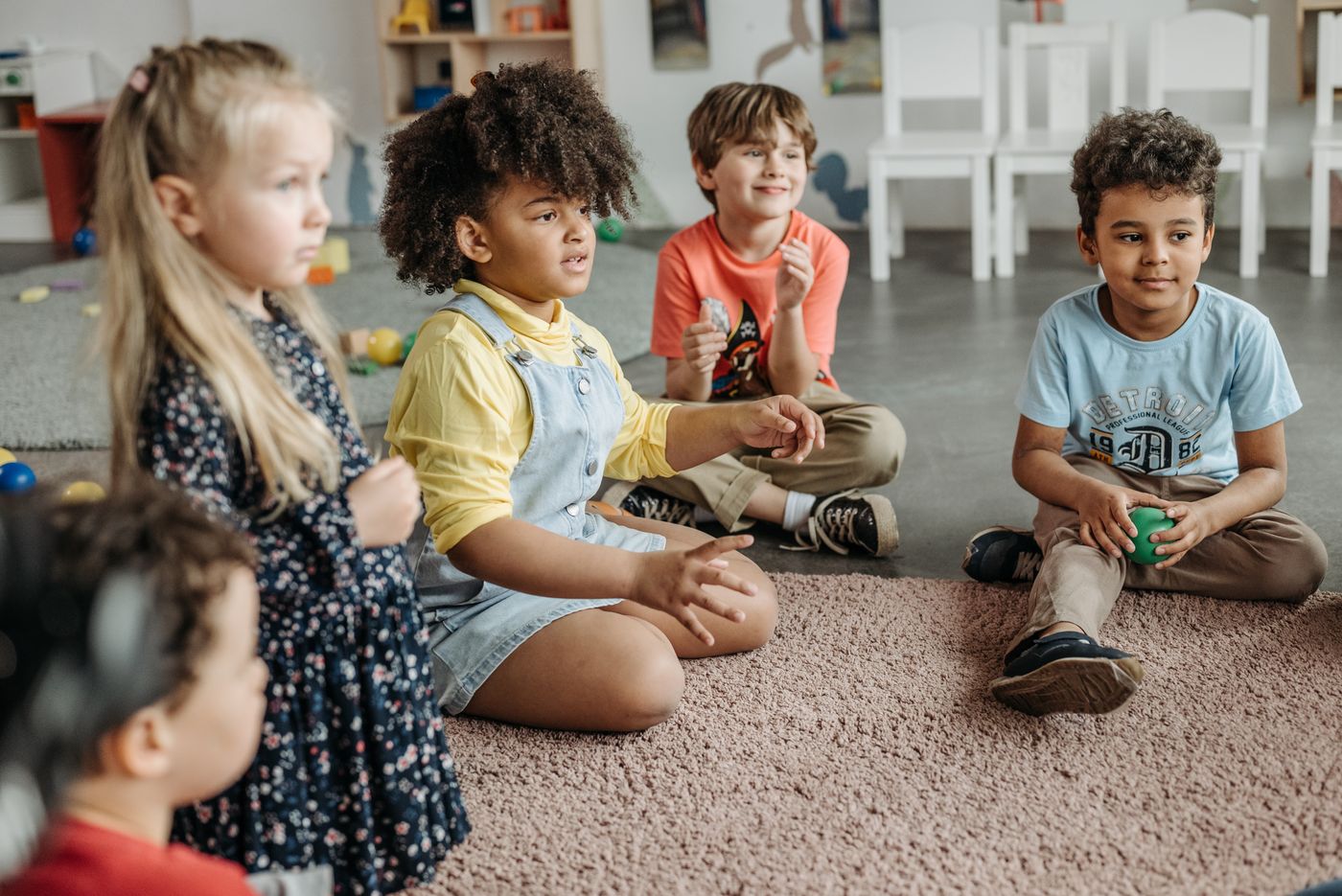
Pinterest’s fall 2026 feature highlights hands-on time away from screens. This is one family-play application of that interest. It does not claim educational or developmental outcomes, and the photographs illustrate object play and group participation rather than a documented trial of the game.
Choose the participants' version of matching
Start with the way the children can comfortably participate. One child may match a large clear picture to a familiar toy. Another may prefer a spoken description or a clue about an object’s ordinary use. Keep the task understandable without requiring reading, memory, or verbal performance beyond what the participant wants to do.
A child can also participate by choosing the next object, holding the prompt, or checking the return collection with an adult. There is no need to make independent searching the only successful role. Adapt the format to the people present rather than comparing children against one another.
Use existing household play materials before buying a dedicated kit. Our board-game and puzzle storage guide helps distinguish an activity’s working selection from the rest of the collection. This hunt needs a few selected items, not access to every box in the room.
Choose a clear finish, such as finding the selected group and returning it together. A simple completion rule is easier to understand than a timed contest with extra rounds added whenever someone finishes quickly. You can always offer another short session on a different day.
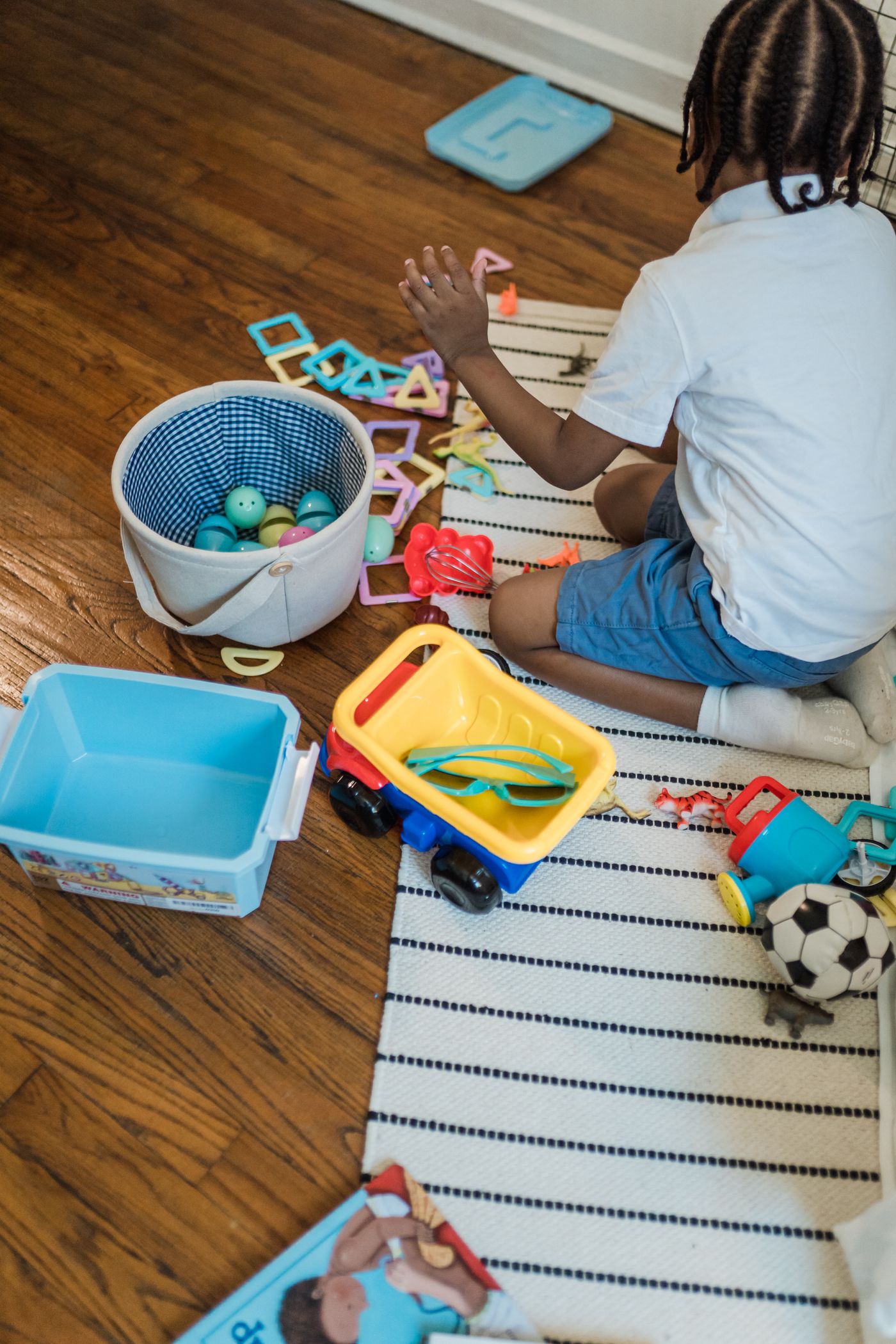
Select familiar, suitable objects and account for all of them
Choose objects appropriate to the participants’ ages and abilities, following their product guidance and the caregiver’s judgment. Keep the set free from fragile, sharp, hazardous, or easily swallowed items and from anything a child is not ordinarily allowed to handle. Household objects are not automatically suitable play materials because they are familiar.
Keep an adult’s complete list or reference picture of the selected set. Describe each item clearly enough to distinguish it from a similar one. A blue block from a named set is easier to return accurately than a vague note saying “blue thing.”
Check ownership and condition before the game begins. Do not use a sibling’s special possession without agreement or turn a borrowed object into a game prop without the owner’s permission. Our borrowed-toy handoff guide is useful when an item belongs to another household and must remain a complete, appropriately handled set.
Keep real valuables, keys, medicine, toiletries, and working household equipment out of the game. Use suitable play representations where appropriate rather than teaching children that everyday access restrictions disappear during a treasure hunt.
Set a search area that works at the child's accessible level
Choose a small, clearly described area and inspect it before starting. Keep exits and ordinary household routes clear. The game should not require moving furniture, opening restricted storage, climbing, crawling into enclosed spaces, or reaching behind appliances.
Place objects in agreed accessible positions that suit the participants and the room. They can be partly visible or grouped among other permitted play objects. The challenge can come from matching the prompt rather than making the object physically difficult to reach.
Make the boundaries positive and concrete: this shelf section and this play surface are in the game. Keep other drawers, rooms, and personal belongings outside it. An adult should be able to supervise the entire agreed area without simultaneously following several children into different rooms.
Our toy-rotation routine can help keep the visible play area modest. A smaller active selection gives the hunt a clearer context and reduces the chance that finding one object leads to opening several unrelated sets.
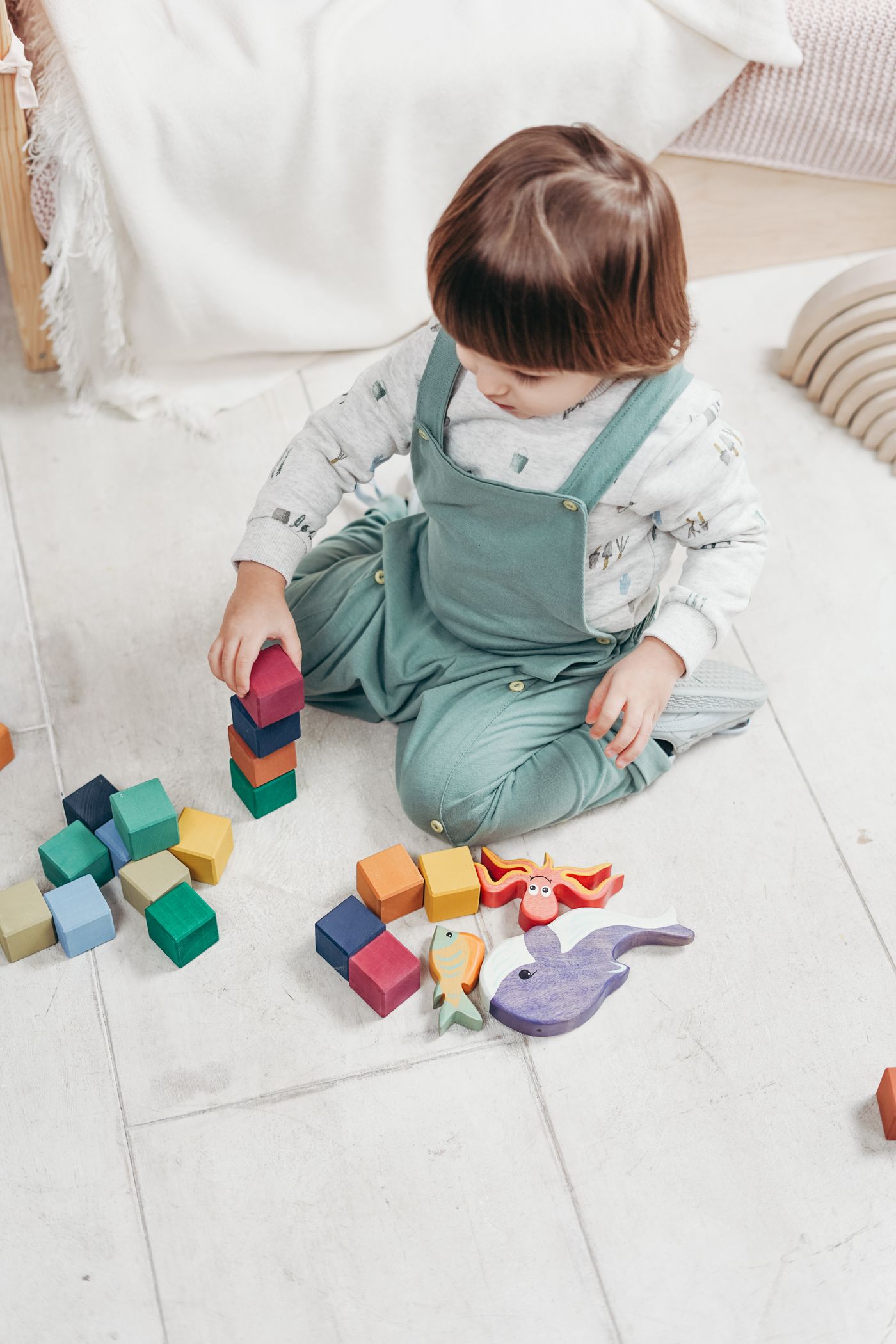
Make prompts that identify the object without creating extra clutter
Use a few clear pictures or short spoken clues. A picture should show the actual selected item, not a near match that leaves the child wondering whether they found the right version. Ask before photographing another person’s possession or including private household information in a visible prompt.
Keep picture cards large and suitable for the users. Avoid adding tiny tokens or detachable decorations merely to make the game look polished. The cards need to be easy to understand and account for afterward, not elaborate enough to become a second craft project.
A spoken prompt can be equally useful. For example, ask for the selected object with the named color and shape, provided the child understands those terms and there is a clear match. If several items could satisfy the clue, accept the ambiguity or revise it rather than treating a reasonable answer as a mistake.
Keep the complete prompt set with the adult until each turn. Passing out all clues at once may encourage searching beyond the agreed area or collecting objects another player is using. A short sequence can support clearer participation without turning the activity into a race.
Let the child complete a turn before adding the next one
Give the prompt, allow time to look, and help according to what the participant wants and needs. An adult can point toward the permitted area, repeat a description, or reduce the choice. Do not make a struggling child perform uncertainty in front of the whole group.
When the object is found, place it in a designated suitable collection position. Keep it visible enough to connect it with the prompt. Avoid dropping several unrelated objects into an opaque container where nobody can tell which turns have been completed.
For siblings, use a predictable turn order or cooperative roles. One person might search while another checks the match, then they exchange roles. Change that arrangement if it creates frustration rather than treating the original rule as more important than the people playing.
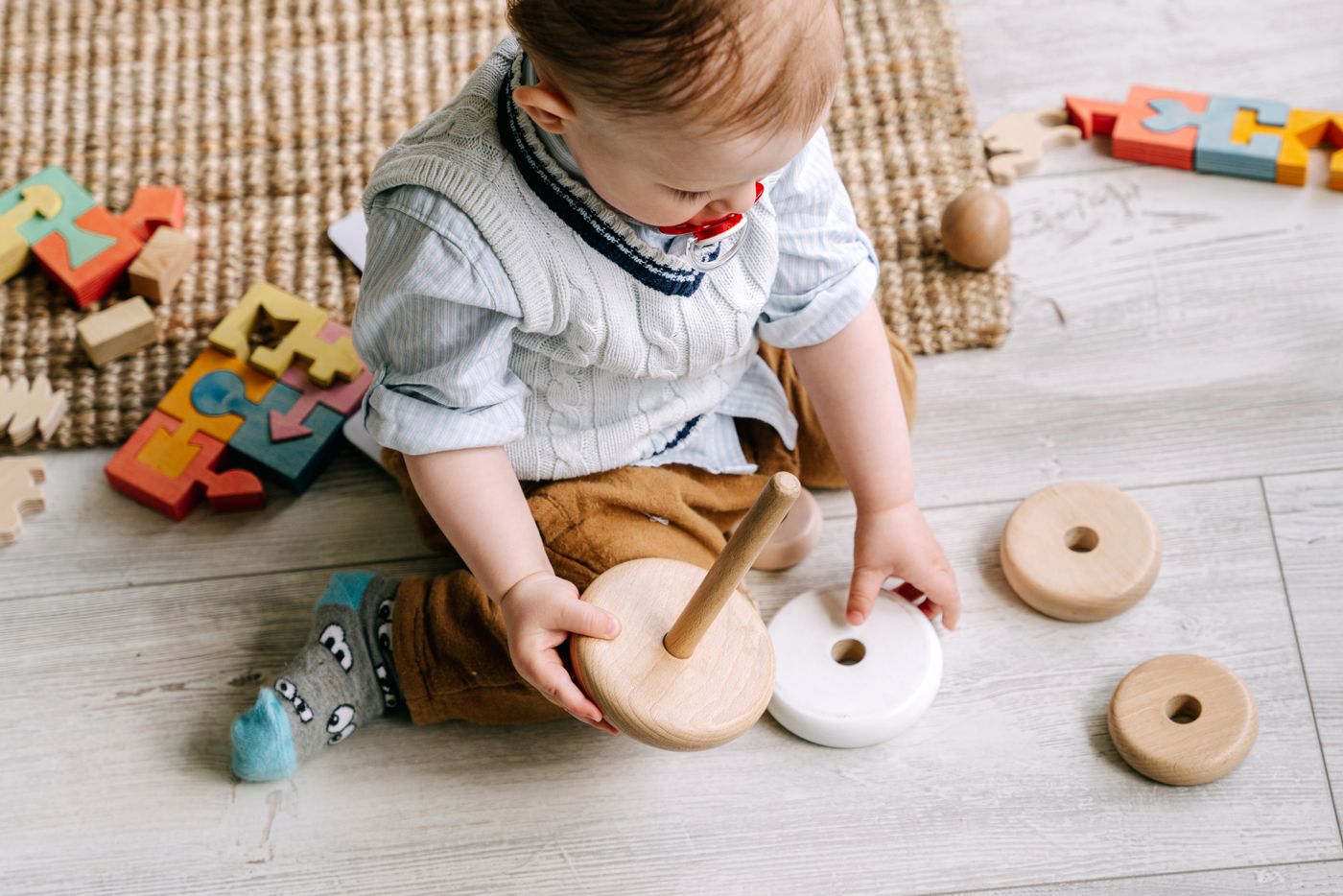
Preserve the room's normal boundaries during the game
Stay with the selected objects and permitted search area. A child discovering an interesting unrelated toy does not have to open its full set to continue the hunt. An adult can acknowledge it and return attention to the current prompt, or end the session if the group wants ordinary play instead.
Keep personal bedrooms and belongings outside the game unless the relevant people have agreed to a suitable specific area. The activity should not teach that a clue gives permission to search another person’s private storage. Familiarity with the home does not remove those boundaries.
If a selected item cannot be found, pause and use the adult’s reference list. Resolve where it went before introducing more objects. A missing piece should remain an accounted-for household task, not become background clutter while the game keeps expanding.
Make the return round a clear shared task
At the end, compare the collected items with the original selection. Return each one to its normal location and reunite any set components that were used. Collect the prompts too, so a successful game does not leave paper clues scattered around the room.
Use a concrete handoff rather than a general instruction to clean everything. Our family chore system helps turn “put the game away” into manageable actions such as returning a particular object to its named box. The adult retains responsibility for checking items that require closer accounting.
Keep only the reusable prompts that the family is likely to use again, stored with the small game reference. If the children enjoyed choosing or describing objects more than searching, make that the next version. A useful small-home game gives people an enjoyable shared activity and a room whose belongings remain understandable afterward.
Explore related household decisions in our Family Home hub.
Sources and editorial scope
Editorial research checked October 17, 2026. Trend-report dates and limitations are stated in the article; these are editorial applications of published signals, not verified October keyword rankings. Practical household guidance; illustrations do not document a tested household or authenticate a pictured material.