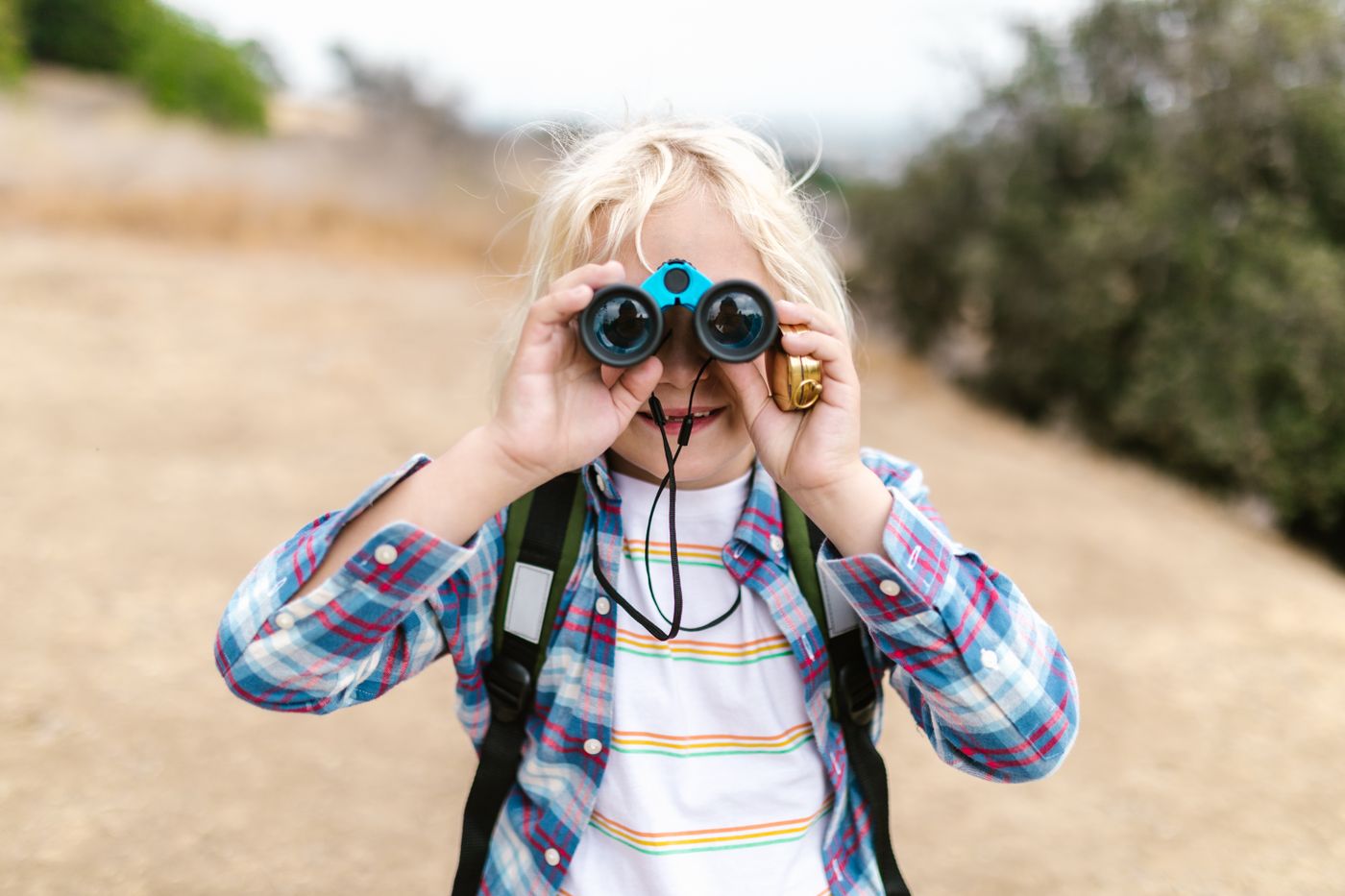
A family birdwatching notebook does not need to begin with a confident species list. It can begin with “small brown bird, on the fence, seen by Leo.” The useful habit is keeping what someone actually observed separate from what the household later guessed, looked up, or remembered differently.
Pinterest’s 2026 hobbies reporting includes birdwatching and hands-on nature interests. This guide applies that signal to a shared notebook that can live in a child’s room and accompany an appropriate observation session. It is a family recording activity, not a wildlife survey, feeding guide, or claim that a hobby produces a particular health or learning outcome.
Choose the observation setting before the notebook
Decide whether the family will watch from an appropriate indoor position, an accessible garden location, or another permitted outdoor setting. Consider the participants’ needs, supervision, weather, and access. A window can offer a simple starting point when it provides a suitable view without climbing, leaning out, or disturbing the room’s ordinary safe use.
Keep the activity observational. Choose a position that allows wildlife to continue its ordinary behavior, and follow applicable local guidance and site rules. Do not approach nests, handle wildlife, or use food to create a notebook entry. If the situation raises an animal-welfare question, seek the appropriate local advice rather than improvising a family experiment.
A single notebook and a pencil may be enough to start. Binoculars are optional and should be used according to their instructions, with suitable supervision and never directed toward the sun. The children’s art-supply guide can help keep the small recording kit available without turning the bedroom into permanent equipment storage.
Give every entry an observer and a time
Use a simple entry structure: date, approximate observation time, general place, observer, and what was noticed. Add a drawing or short description if useful. The person making the observation does not need to write every word; another family member can record it while clearly preserving whose observation it was.
Keep the place description appropriate to the notebook’s audience. A private household copy might use “kitchen window” or “local park,” while a shared photograph of the page should not reveal a child’s address or routine. Decide privacy and sharing together before treating the notebook as material for public posts.
Number the pages if several people contribute. A later note can then refer to “page six, Saturday morning” rather than being squeezed into the wrong entry. This small structure makes it easier to compare observations while allowing different handwriting, spelling, and drawing styles to remain visible.
Describe before trying to identify
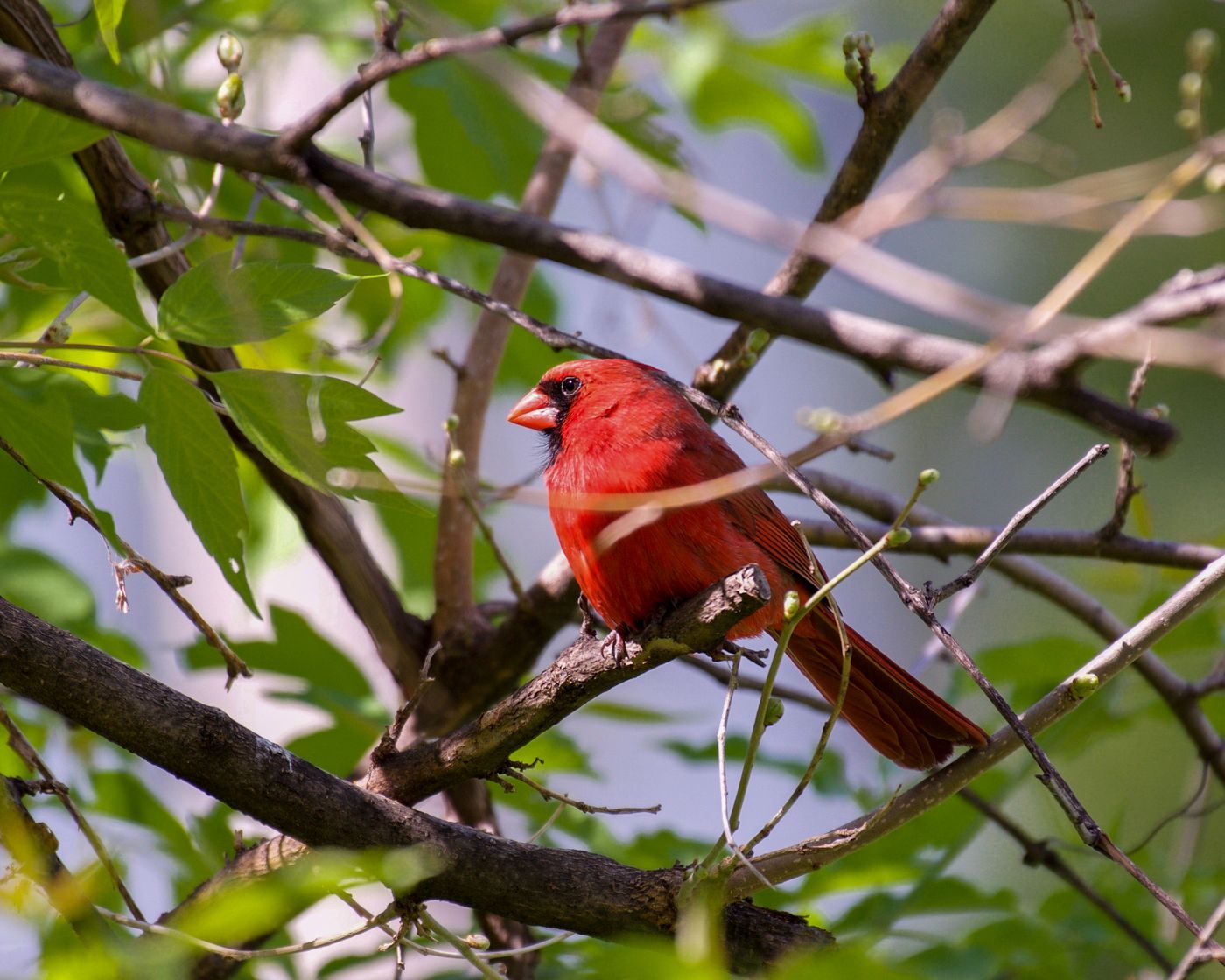
Invite the observer to record a few visible features in their own words: approximate size relative to something familiar, colors actually seen, shape, and behavior. “Red head” and “red body” are different observations. Leave a gap when the view was brief instead of asking a child to complete a description they could not see.
Keep drawing optional. A rough outline, a color word, or a spoken description written down by another person can all preserve useful information. The goal is not to produce a perfect nature illustration. Avoid correcting the page into an adult’s polished version while losing the original observer’s evidence.
Treat sounds separately from sightings. Write “heard, not seen” when appropriate and describe the sound without assigning a species unless the identification is supported. A bird call heard while another bird is visible does not automatically belong to the visible bird. This is a good place to preserve uncertainty rather than reward the quickest confident answer.

Keep a separate space for later identification
Add a field such as “possible identification” beneath the original description. Record which book, appropriate identification resource, or knowledgeable person informed that suggestion. If the family changes its mind later, add the revision with a date instead of erasing the first observation to make it appear that the answer was always known.
Use “unidentified” as an ordinary outcome. It allows the notebook to remain accurate when a glimpse was too brief or the information incomplete. A page with a clear honest description can be more useful to revisit than a confidently named bird that does not match the recorded features.
If two household members disagree, keep both accounts attributed. “Ari saw a pale wing mark; Sam did not see the wing” is not necessarily a contradiction. They may have had different angles or moments. A shared book works better when it can hold different observations without turning the activity into a competition over who was right.
Choose a counting question you can explain
For an informal family session, decide what a number means before writing it. “Three birds visible together on the fence” is different from “three visits during the session,” which could include the same bird returning. Do not combine those numbers as though they answer the same question.
Write the counting method in plain language beside the entry. If nobody counted, leave the number blank or state that it was not recorded. Do not reconstruct a precise total from a general memory that there were “lots.” The notebook can contain a worthwhile observation without a number on every page.
If the family later joins an organized project, use that project’s current participation and reporting instructions. The Great Backyard Bird Count, for example, provides its own method. An informal household notebook is not automatically a valid submission, and earlier entries should not be reformatted into research data by inventing missing times or counts.
Give different ages different ways to contribute
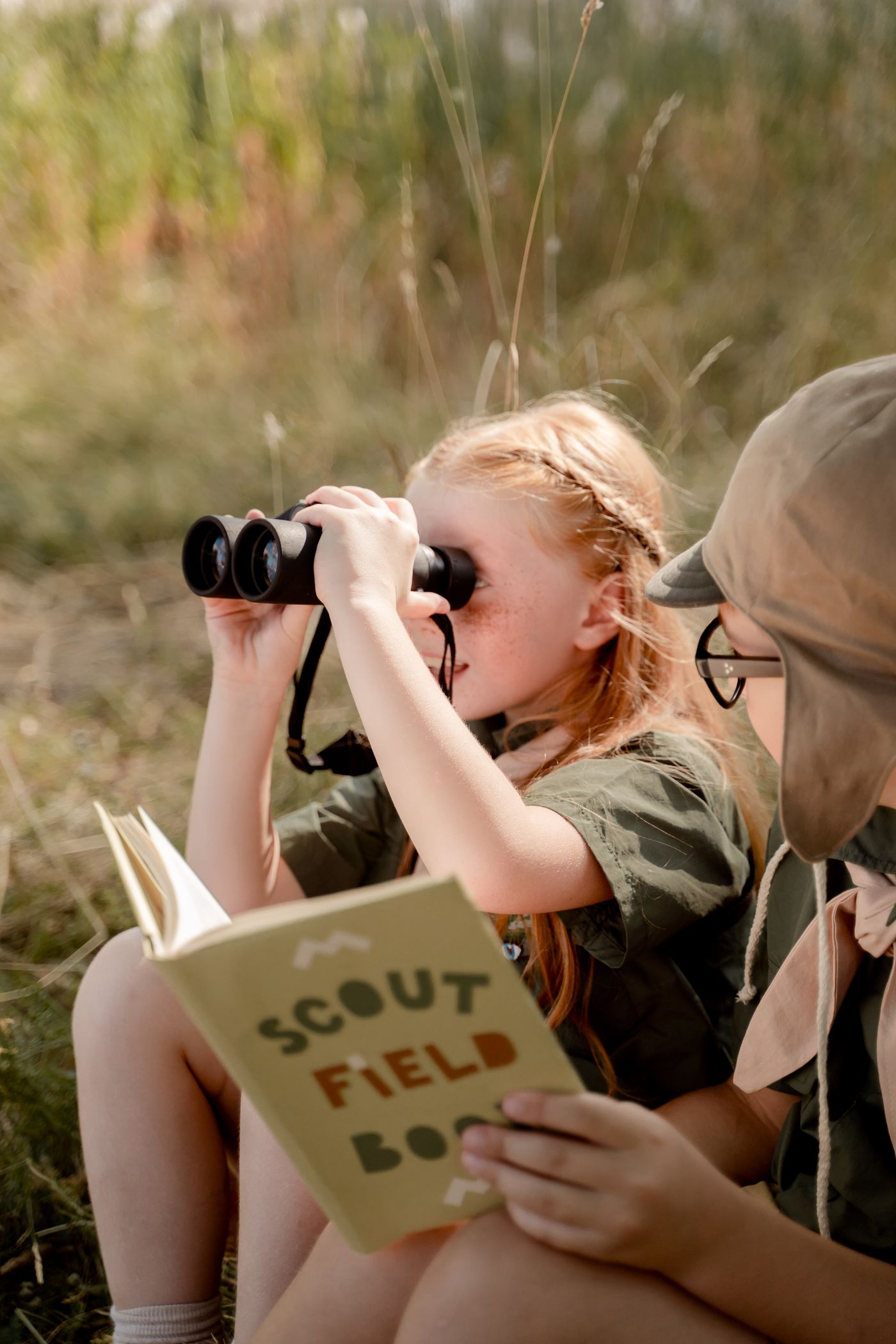
One person might observe, another draw, and another write down the time. Rotate roles when people want to try something different. Keep roles small enough that a participant can stop without making the whole session fail. A child who contributes one careful description does not need to fill a page to have taken part.
Let a younger participant dictate an entry or choose a descriptive word. An older participant can add a separate reference note or help compare the original description with a suitable resource. Preserve those contributions as distinct parts of the page rather than making everyone use the same adult-designed worksheet.
The table-setting handoff guide concerns a different family task, but its clear role assignments offer a useful organizational parallel. Here, explain what each person is doing and where their contribution ends. Avoid using the notebook to rank siblings’ knowledge, handwriting, or ability to sit still.
Keep the book ready without making it permanent clutter
Choose one appropriate place for the notebook and pencil when not in use. If they live in a child’s room, agree on access so another family member does not repeatedly search through personal belongings. Store optional equipment according to its instructions and separately from damp outdoor clothing or other unsuitable contents.
Return the book after each session, noting any entry that someone wants to revisit. Keep loose reference sheets identified and limited to a real purpose. The family-photo and keepsake guide can help decide which extra pictures deserve retention instead of allowing every printout to become a second unorganized nature archive.
For a busy shared home, the quiet-time zone guide may help identify an appropriate observation period or place. The activity should fit household use rather than requiring everyone else to keep an entire room silent whenever a notebook is open. Short, occasional sessions can still produce a meaningful record of what the family actually noticed.
Revisit one page rather than chasing a bigger list
At the next session, choose one earlier observation to discuss. Ask what was clearly seen, what remained uncertain, and whether a later reference changed the possible identification. Keep “we still do not know” available as a valid answer. Do not fill an old gap simply because a new photograph looks similar.
Over time, the book may show repeated places, different observers, and changing interests. It does not need to prove a seasonal trend or reach a target species count. Its value is a shared record whose limits remain understandable, with enough structure that a child or adult can return to an earlier page and recognize whose moment of attention it preserves.
Explore related decisions in our Family Home hub.
Sources and editorial scope
Editorial research checked October 20, 2026. Published trend reports are context for these editorial applications, not verified live keyword rankings. Practical household guidance; photographs do not document a tested household or authenticate pictured materials.