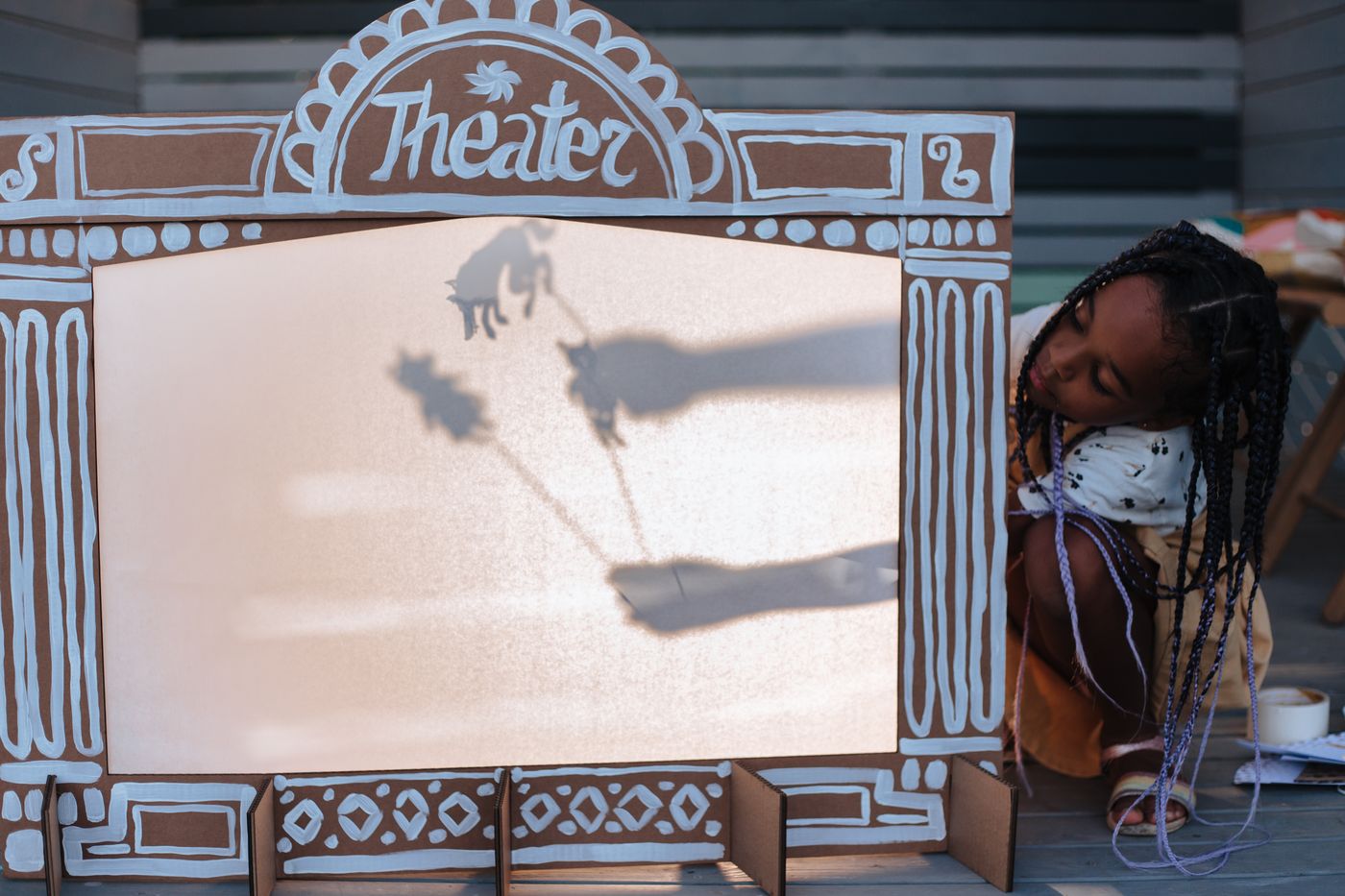
Plan a shadow-puppet show around one brief story, a supervised light setup, and a kit that can return to storage afterward. Give each participant a clear role and rehearse in the actual room before inviting an audience. A small show can feel like an occasion without requiring a permanent theater in the children’s bedroom.
Pinterest’s fall 2026 report highlights screen-free hobbies. This activity is our family application of that direction, using ordinary storytelling and simple making. It is not a claim that a particular theater kit is trending or that every child will enjoy performing.
PBS KIDS’ shadow-play activity uses a flashlight to explore how blocking light creates shadows and how their size can change. That supplies a useful starting point. Follow age-appropriate instructions and adult supervision for the materials and light source you choose, rather than treating a staged photograph as a construction guide.
Choose a story small enough to finish
Begin with a simple event: a character loses something, looks in two places, and finds a solution. A very short beginning, middle, and ending are easier to manage than a familiar film retold scene by scene. Let the children invent details without requiring a complicated script.
Choose a modest cast. One character and a narrator can produce a complete show. More puppets create more pieces to make, handle, and store, so add them only when the story gives them a clear role.
Agree that the first version can change. The rehearsal may reveal that a line is hard to remember or a character is difficult to identify in shadow. Treat that information as part of making the show, not as evidence that a child has failed to perform correctly.
Offer roles beyond standing on stage
Ask who wants to narrate, move a puppet, introduce the show, or help return materials afterward. A child who prefers watching can still belong to the activity. Do not make participation depend on speaking in front of the whole family.
Keep adult responsibilities clear. An adult should choose and supervise the light arrangement, handle tasks that are unsuitable for the participating children, and decide whether the room remains practical for the activity. Children can contribute creative decisions without becoming responsible for the entire setup.
Our shared-home quiet-time zones guide can help you agree when the show fits around another person’s work or rest. A creative session should not assume that every household member is available to become an audience at the same moment.
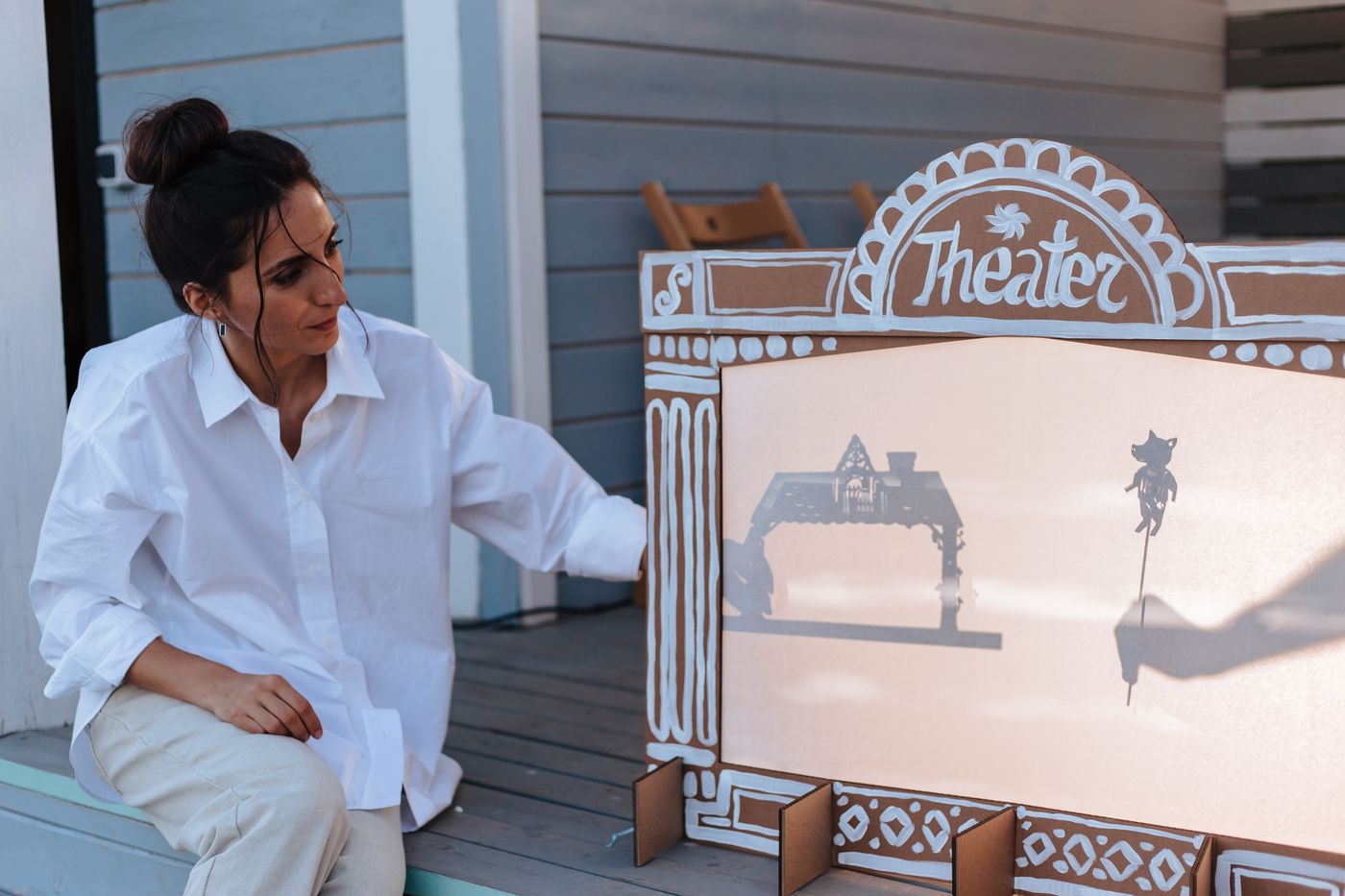
Choose the light and screen arrangement deliberately
Use a suitable flashlight or other light source only as its instructions permit, with the appropriate supervision. Keep it supported in an approved, stable way. Do not use candles or improvise a hot lamp beneath fabric to reproduce a theatrical effect.
Choose a suitable screen or an appropriate existing surface for shadows. Follow a reliable age-appropriate demonstration if you are constructing anything. Do not dismantle bedding, fittings, or furniture to make a larger stage than the activity needs.
Check that the room remains usable without creating complete darkness or blocking a normal route. The audience needs to reach its seat and leave comfortably. If the chosen arrangement makes that difficult, reduce the scale or use a better location elsewhere in the home.
Test one recognizable silhouette
Try a single character before making the whole cast. View it from the planned audience position. A detailed drawing may become an unclear outline in shadow, while a simpler recognizable shape may work better for the story.
Let a child describe what they can see without revealing the intended answer first. That can identify which detail matters: a long ear, a distinctive hat, or the direction the character faces. Keep adjustments manageable and suited to the materials.
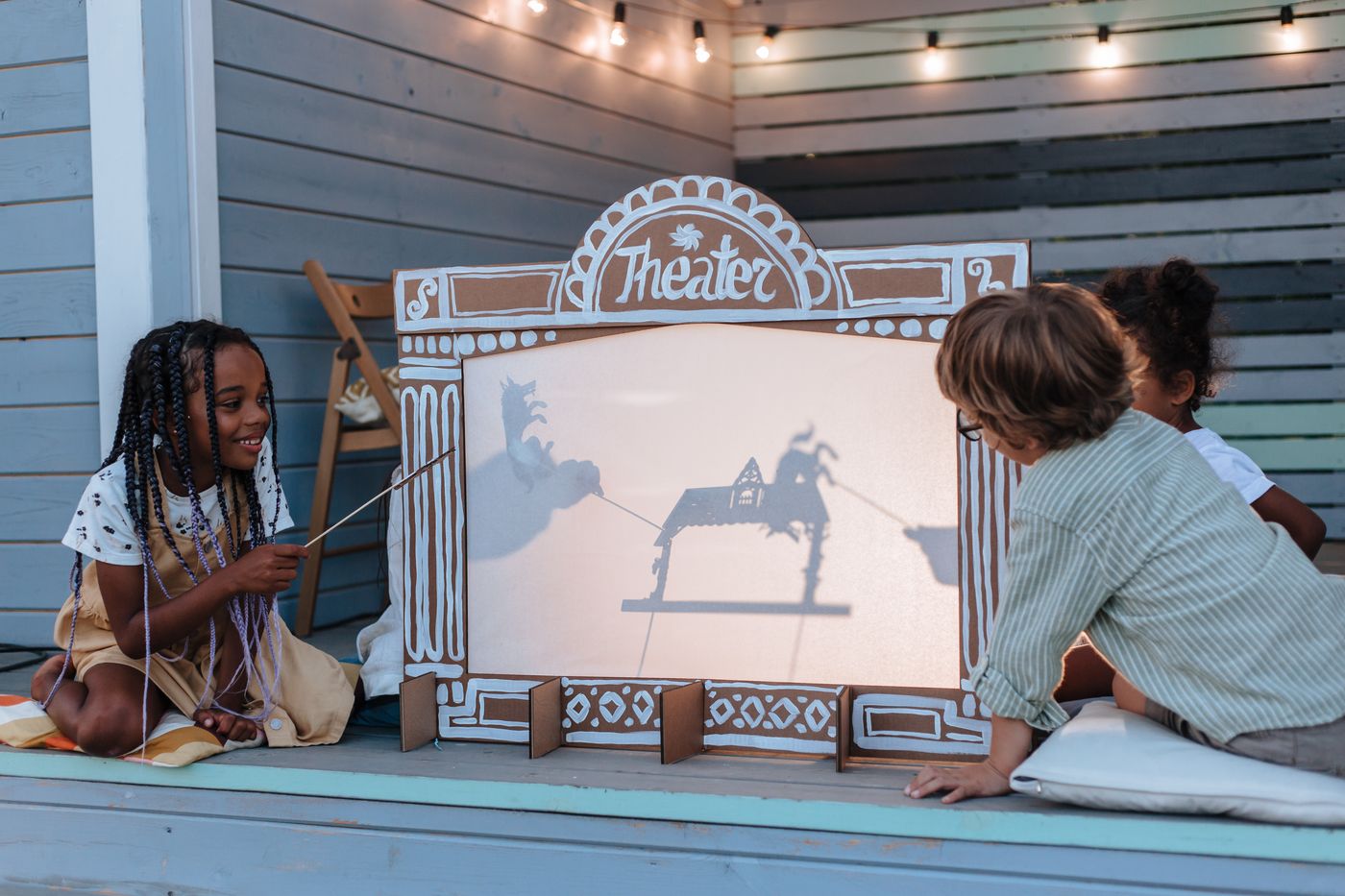
If the making process involves scissors, attachments, or other tools, use age-appropriate materials and adult help. Do not copy a photographed construction method without checking its suitability. The images illustrate different performances; they do not certify the props or supports for your household.
Give each puppet a clear home during the show
Set aside a modest place for the next puppet and another for pieces that have finished their scene. Keep them within appropriate reach of the performer without spreading the whole collection across the floor. A small cast makes this easier.
Avoid stacking delicate silhouettes where they will catch on one another. Keep any detachable pieces contained and identified. If a puppet breaks during practice, pause and repair it appropriately away from the active light setup rather than reaching around the stage with tools.
Our manageable art-supply arrangement can help you choose a small set of materials and return the rest. Making a show does not require leaving every pen, glue container, and scrap within the children’s room afterward.
Rehearse the changes as well as the lines
Practice the beginning: who introduces the story, who brings in the first character, and how everyone knows the show has started. Then practice one change between characters. A clear handoff often matters more than memorizing several extra lines.
Keep the first rehearsal short. Stop while people can still describe what they want to change. If someone loses interest, simplify the event rather than insisting that the finished theater justifies completing a long performance.
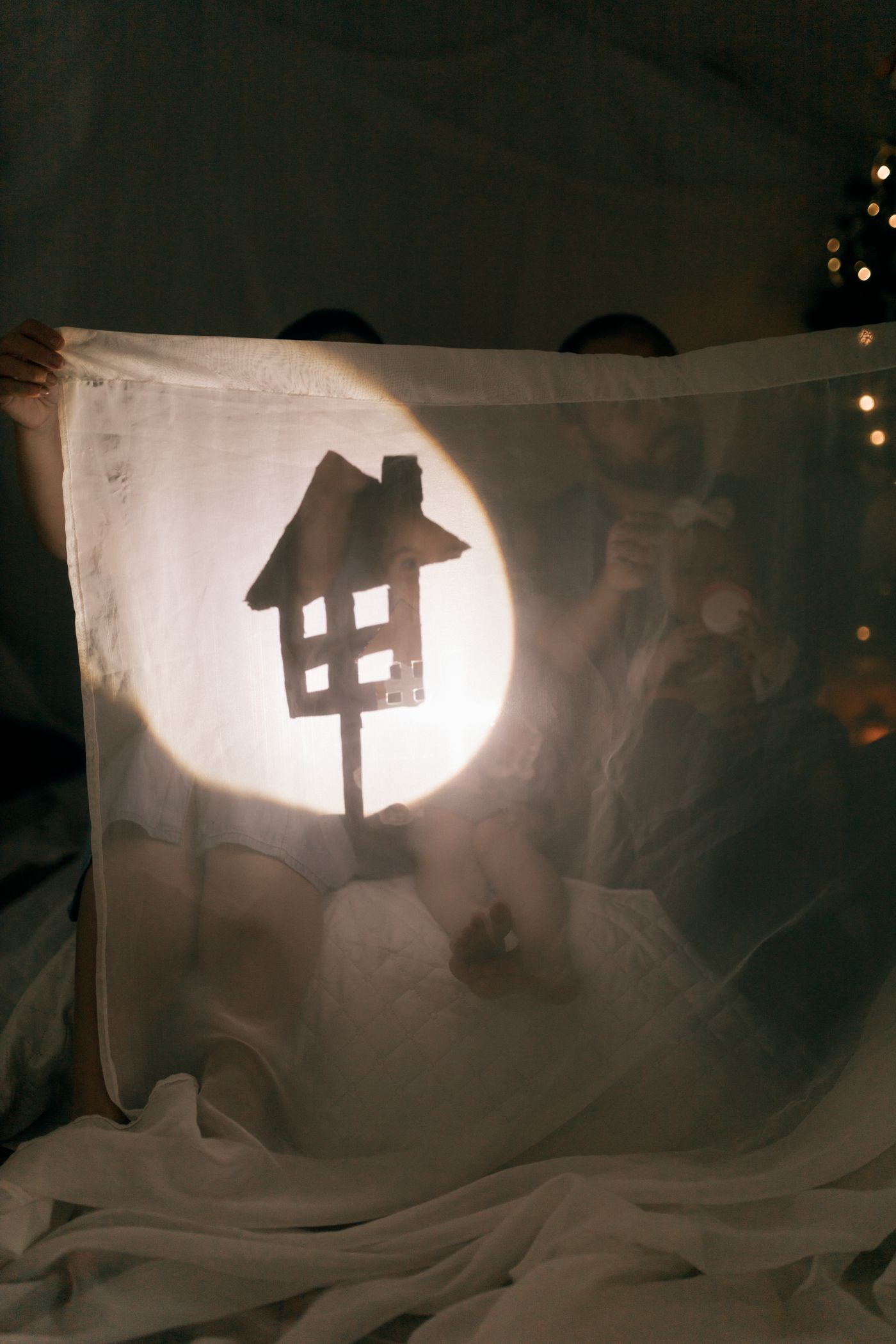
Ask before changing another person’s creative choice. An adult can demonstrate a possible movement with a separate example, then let the child choose whether to use it. The show should retain the participants’ ideas instead of becoming an adult production with children assigned to operate it.
Arrange a modest audience
Use existing appropriate seating and keep its normal access clear. An audience of one or two people can make a first show feel complete. There is no need to invite enough guests to justify the amount of cardboard you used.
Check the sightline from each seat. A person should not have to stand in a doorway or lean over another child to see the screen. If several positions do not work, reduce the audience rather than moving large furniture at the last moment.
Keep recording optional. Ask the participants and other people present before photographing or sharing the performance. A family can enjoy a short live event without turning it into content or creating a permanent record of a child who did not want one.
Let the ending be obvious
Give the story a final action or sentence and agree what happens next. A clear ending lets the audience respond and allows the performer to leave the stage. It also prevents the activity from drifting into an indefinite demand for another scene.
Thank people for the specific contribution they made: a recognizable character, an amusing line, or a useful introduction. Keep the response welcoming without ranking siblings against one another. A small shared activity does not need a winner.
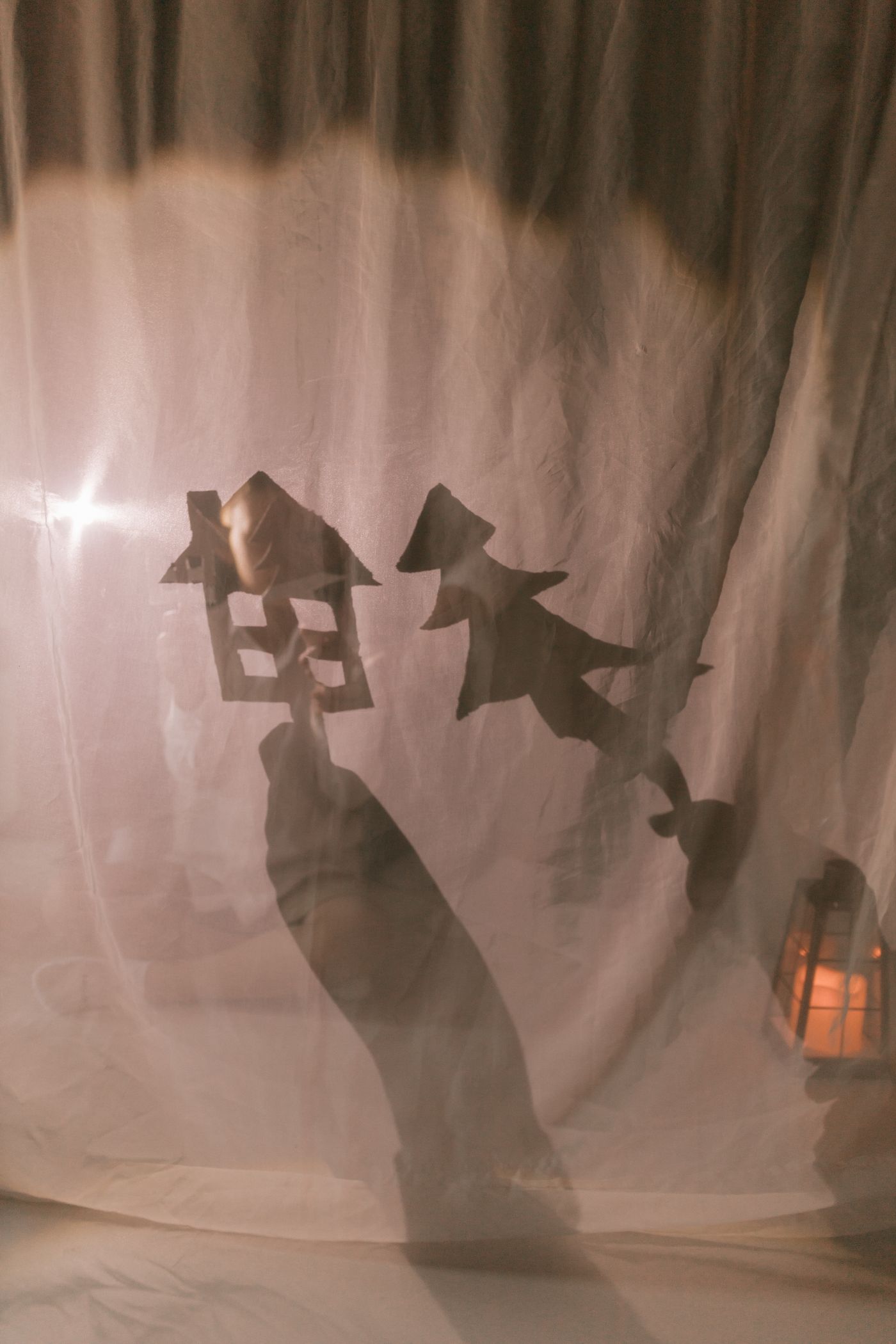
If someone wants to repeat the show, agree when and with which materials. You do not have to preserve the room’s whole stage arrangement until then. A useful kit and a short note can hold the project while the bedroom returns to its everyday purpose.
Pack a kit instead of storing a stage everywhere
Keep the puppets, a brief story note, and any suitable reusable parts together in an appropriately sized container. Store the light and its components according to their own instructions. Do not put loose tools or unsuitable batteries among children’s craft scraps.
Our board-game and puzzle storage guide offers a relevant distinction between a complete activity set and anonymous loose pieces. Keep what belongs to this show together. Release redundant scraps through an appropriate route and return general supplies to their normal place.
Make the closing tasks proportionate. Our family chore-system guide can help define small jobs such as gathering the finished puppets or returning a permitted container. Adults remain responsible for the light setup and any tasks beyond the children’s abilities.
The project is complete when the room works normally again and the people who enjoyed the show know how to repeat it. Keep the story short, the roles flexible, and the materials modest. That leaves more room for imagination than a large theater setup that is difficult to use or put away.
Explore related household decisions in our Family Home hub.
Sources and editorial scope
Editorial research checked October 16, 2026. Trend-report dates and limitations are stated in the article; these are editorial applications of published signals, not verified October keyword rankings. Practical household guidance; illustrations do not document a tested household or authenticate a pictured material.